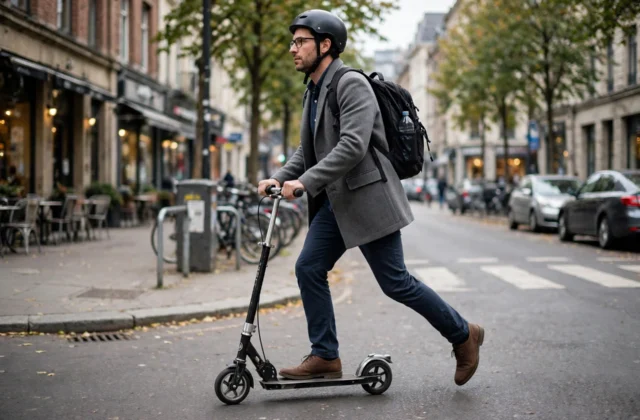
Scooter
Scooter vs E-Bike for Commuting: Which Gets You There Better?
Short answer: For scooter vs e-bike for commuting, choose a scooter for short, flat, stop-start city trips where…
 Reviews Motor Cycle
Tested Rides, Honest Reviews
Independent e-bike & bike reviews
We compare motors, batteries, real-world range and owner feedback across e-bikes and regular bikes — so you can buy once and ride for years.
Short answer: For scooter vs e-bike for commuting, choose a scooter for short, flat, stop-start city trips where…
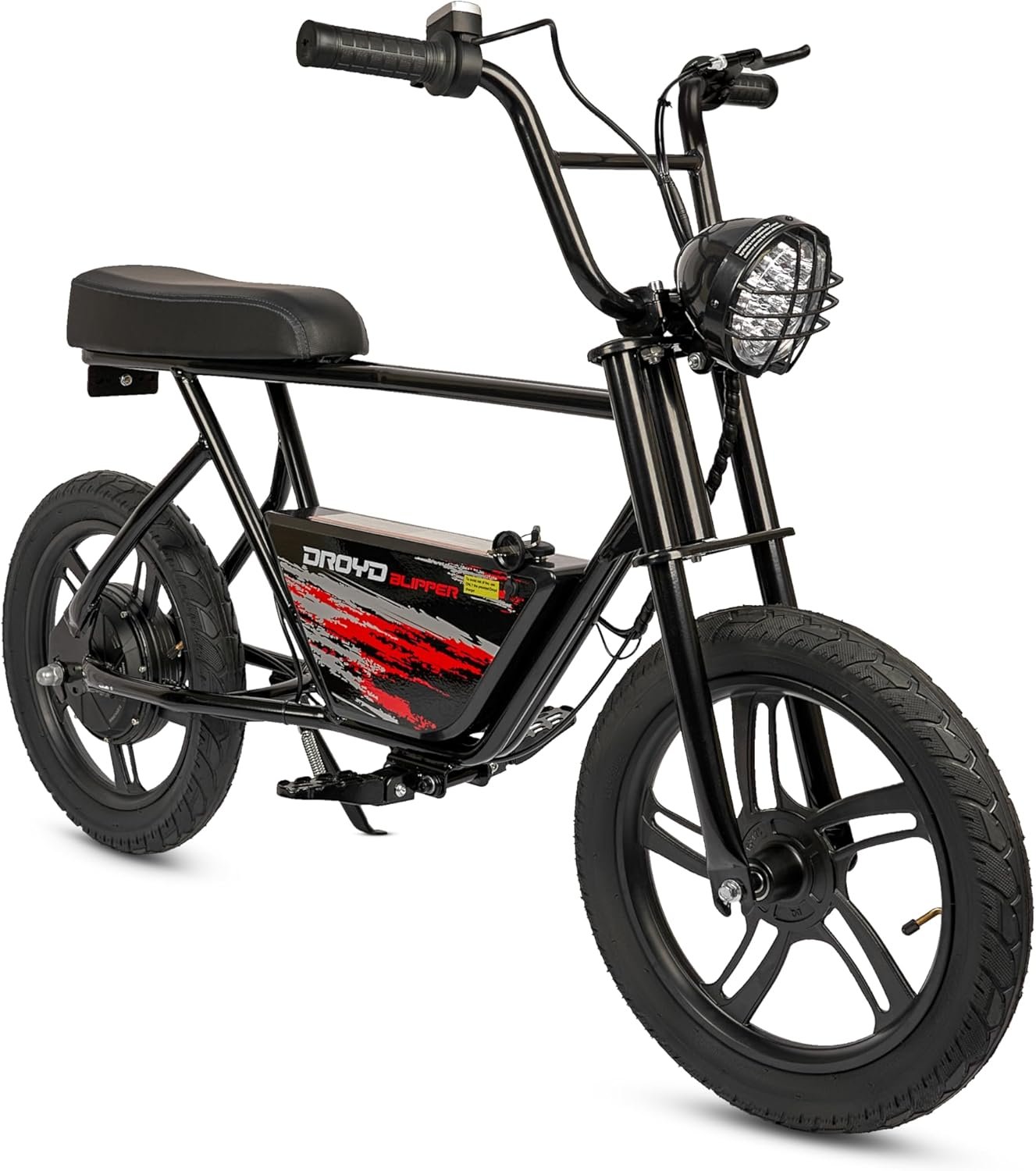
Short answer: For e-bike vs manual bike, choose an e-bike if you face hills, long commutes, heavy loads…

Short answer: A cruiser bike maintenance guide focuses on the parts that make a cruiser comfortable: wide tyres…
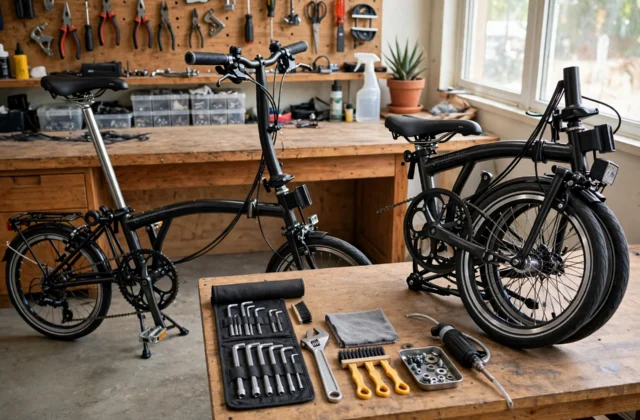
Short answer: A folding bike maintenance guide starts with the fold itself: keep hinges, latches and clamps clean,…
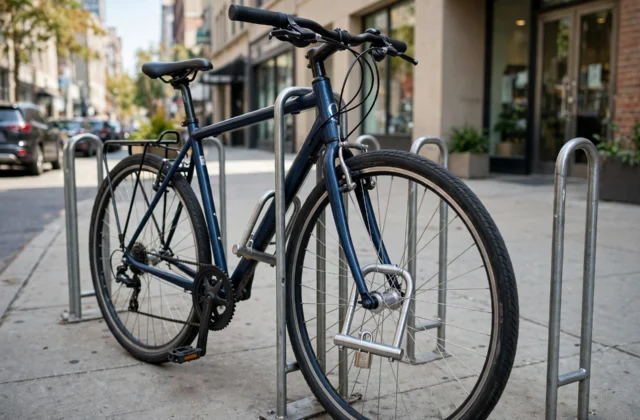
Short answer: To learn how to lock your bike safely, use a strong lock through the frame and…
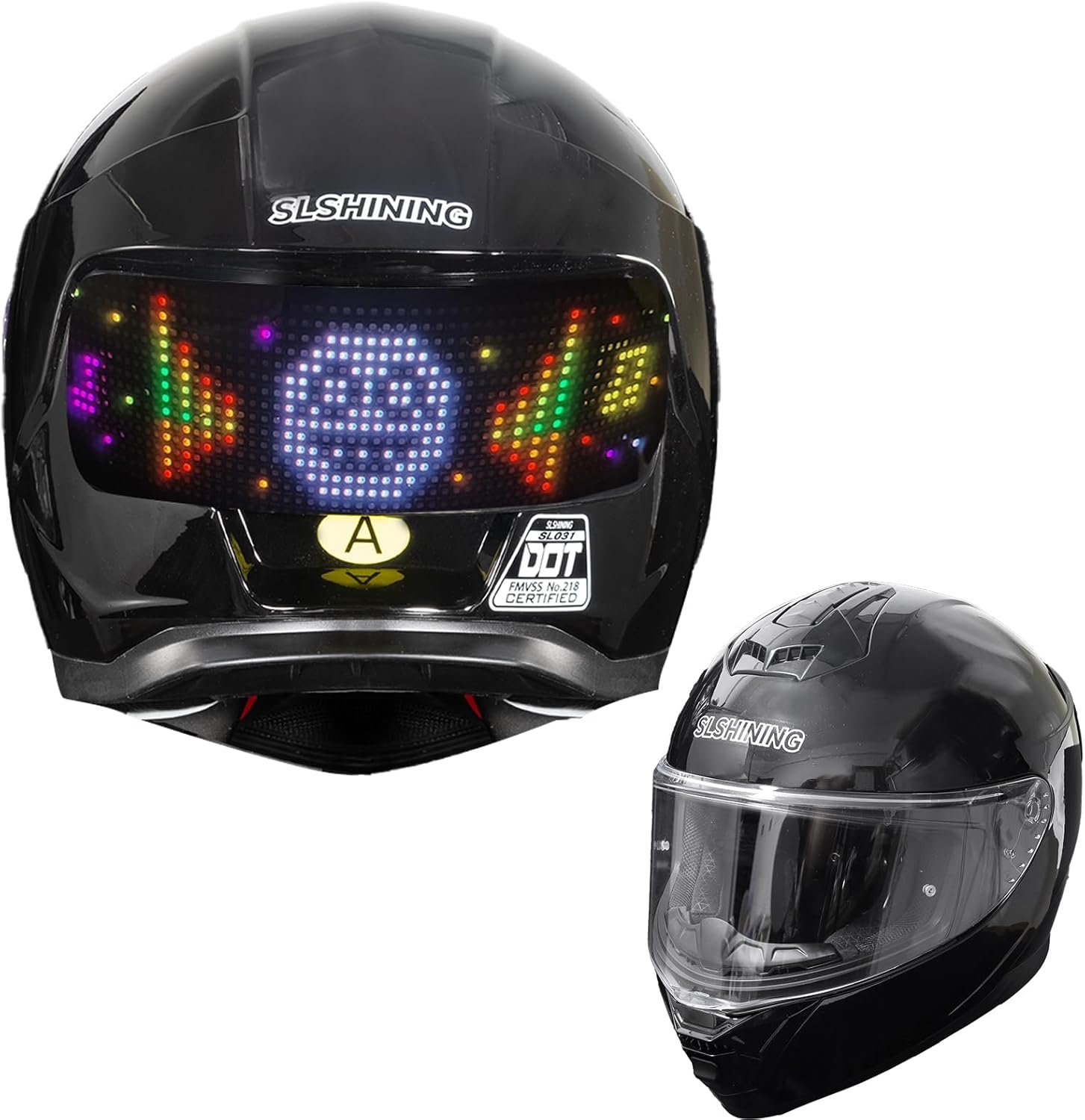
Short answer: To learn how to clean bike helmet when to replace it, wash the shell and pads…
The four numbers that decide how an e-bike actually rides.
Torque is pulling power: around 40 Nm feels easy on the flat, while 65 Nm and up climbs steep hills and hauls cargo without strain.
Watt-hours are the fuel tank. 400–500 Wh covers most riders; 625 Wh and above buys touring range and heavier loads.
Brand range figures are best-case. Hills, cold weather, rider weight and full assist can cut them by a third or more.
Class 1 and 3 are pedal-assist only (up to 20 mph / 28 mph); Class 2 adds a throttle at 20 mph. Where you may ride depends on the class.
Short answer: For scooter vs e-bike for commuting, choose a scooter for short, flat, stop-start city trips where…
Read more → Short answer: For e-bike vs manual bike, choose an e-bike if you face hills, long commutes, heavy loads…
Read more → Short answer: A cruiser bike maintenance guide focuses on the parts that make a cruiser comfortable: wide tyres…
Read more → Short answer: A folding bike maintenance guide starts with the fold itself: keep hinges, latches and clamps clean,…
Read more → Short answer: To learn how to lock your bike safely, use a strong lock through the frame and…
Read more → Short answer: To learn how to clean bike helmet when to replace it, wash the shell and pads…
Read more →Every recommendation on this site starts with research — never with a sponsorship. Here is how a product earns its place in our guides, and how we keep those guides honest over time.
We compare specifications, prices, safety certifications and real owner feedback across every model worth considering.
We compare bikes on motor and torque, battery capacity and real-world range, build quality, brakes and gears, comfort, and what it costs to run and maintain.
Every product is scored on the things that affect day-to-day use, never on marketing claims or paid placements.
Prices and models change, so we re-check our guides regularly and update our recommendations when something better arrives.
Start with the manufacturer's size chart for your height and inseam, then check standover clearance and reach: you should be able to stand over the frame comfortably and reach the handlebars without stretching. Frame sizes vary by brand and bike type, so use the chart as a starting point, compare geometry, and test-ride if you can before buying. A bike that fits well is more comfortable, easier to control, and less likely to cause aches on longer rides.
Class 1 e-bikes provide pedal assistance only, up to 20 mph, with no throttle. Class 2 e-bikes also assist up to 20 mph, but add a throttle so you can ride without pedaling. Class 3 e-bikes provide pedal assistance up to 28 mph and generally have no throttle. Local rules vary, so always check where each class is allowed to ride before you buy.
It depends on battery size, assist level, hills, rider and cargo weight, wind, cold weather, and tire pressure. Manufacturer range figures are usually best-case estimates, so real-world range is often lower, especially on high assist or hilly routes. As a general guide, a larger battery in watt-hours (Wh) gives more range, and using a lower assist level and keeping tires properly inflated will help you go farther.
We compare bikes on motor and torque, battery capacity and real-world range, build quality, brakes and gears, comfort, warranty, and running and maintenance costs, alongside verified owner feedback. Rankings are never sponsored, and we re-check our guides regularly so recommendations stay current as models and prices change.
Start with our top picks, compare the numbers that matter, then read the full reviews before you spend a penny.
See the top picks