
For cyclists aiming to improve performance, understanding your power output is essential. Whether you’re training for a race or simply looking to enhance your fitness, knowing how much power you produce can guide your workouts effectively.
Power meter pedals have emerged as a popular choice for cyclists. They provide real-time data on your power output, helping you gauge effort and adjust your training accordingly. However, with various models on the market, selecting the right one can be challenging.
This guide reviews the best power meter pedals, focusing on their unique features, performance, and suitability for different riders. We cover everything from single-sided to dual-sided options, ensuring you find the ideal match for your cycling needs.
Here’s a quick look at our top picks:
| Features | Favero Assioma PRO MX-1 | Garmin Rally RS210 | Magene P715 | Favero Assioma Duo | Favero Assioma Uno |
|---|---|---|---|---|---|
| Measurement Type | Single-sided | Dual-sensing | Single-sided | Dual-sided | Single-sided |
| Accuracy | ±1% | ±1% | ±1% | ±1% | ±1% |
| Battery Life | Long-lasting | Rechargeable | 120 hours | 50 hours | 50 hours |
| Compatibility | Standard pedals | Shimano SPD-SL | ANT+ & Bluetooth | Bluetooth & ANT+ | Bluetooth & ANT+ |
| Special Features | Seamless integration | Cycling dynamics | Lightweight | Inbuilt cadence sensor | IAV rider position |
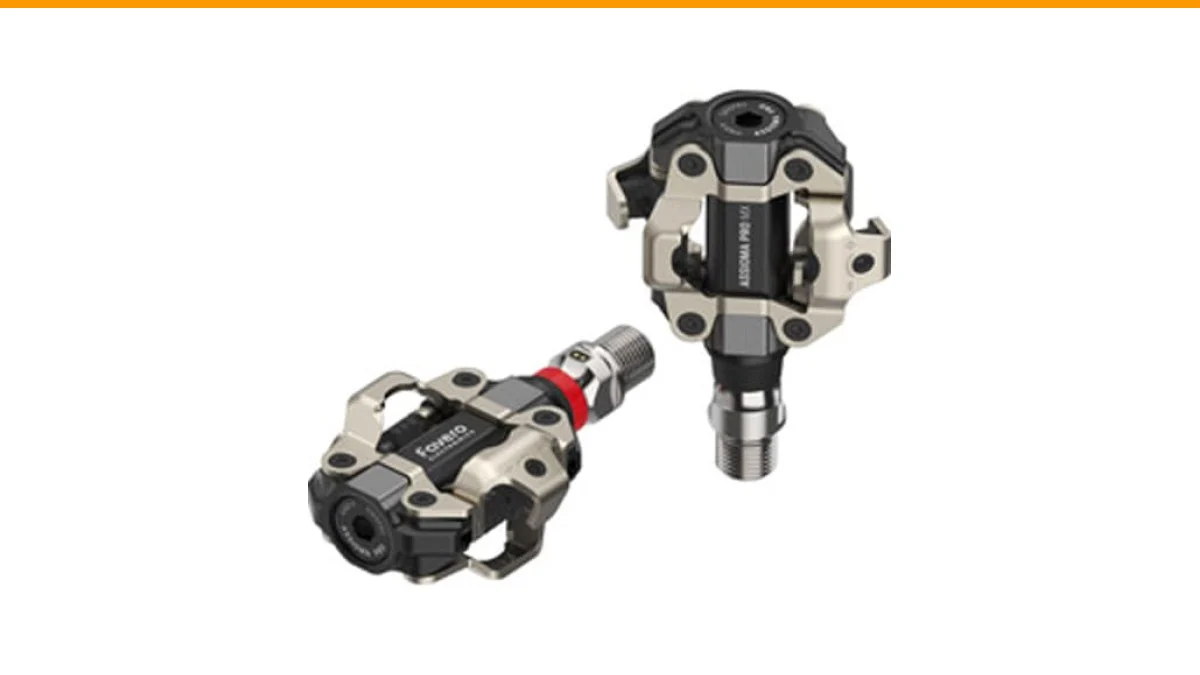
Favero Assioma PRO MX-1

FAVERO
Favero Assioma PRO MX-1 Single Sided Power Meter Pedals | Why We Like The Favero Assioma PRO MX-1 Pedal
- Single-sided power measurement
- Provides precise and consistent power data
- Built for long-lasting performance in various riding conditions
The Favero Assioma PRO MX-1 is designed for serious cyclists looking for reliable performance. Ideal for those who want to track their power accurately without breaking the bank, this model uses single-sided measurement to provide precise data on your left leg’s power output.
This pedal excels in various riding conditions, thanks to its robust build. Its compatibility with standard pedal systems ensures you can set it up without hassle. With seamless integration into popular cycling computers and training apps, it makes tracking your performance straightforward and user-friendly.
However, being single-sided, it may not provide a comprehensive view of your overall power distribution between legs. This could be limiting for some advanced users who want detailed insights.
- Single-sided power measurement
- ±1% accuracy
- Long-lasting performance
- Compatible with standard pedals
- Seamless app integration
Best for: Cyclists seeking a reliable, budget-friendly power meter with accurate single-sided data.
Garmin Rally RS210

Garmin
Garmin Rally™ RS210, Dual-Sensing Power Meter, Shimano SPD-SL | Easy to Transfer, Advanced Cycling Dynamics, Highly Accurate & Responsive, Durable Carbon Design, Rechargeable
- Pedal-based power meters for road (compatible with SHIMANO SPD-SL cleats) install like any other pedals and quickly transfer betwe…
- Dual sensing for cycling dynamics data, including left/right balance, seated versus standing, platform center offset and power pha…
- New strain gauge and gyroscope make these power meters highly responsive and +/- 1% accurate
The Garmin Rally RS210 stands out for its dual-sensing capabilities, offering comprehensive cycling dynamics data. It’s perfect for cyclists who want in-depth insights into their power output, including left/right balance and power phase during rides.
This pedal’s advanced sensor technology ensures high responsiveness and accuracy within ±1%. It also features a rechargeable battery and smart calibration alerts, notifying you when calibration is required based on environmental changes, like temperature shifts. This ensures consistent performance across different conditions.
While the price point is on the higher side, the investment pays off for serious cyclists wanting to maximize their performance analysis. However, its complexity may be overwhelming for those new to power meters.
- Dual-sensing measurement
- ±1% accuracy
- Removable power sensor
- Rechargeable battery
- Advanced cycling dynamics
Best for: Riders looking for advanced metrics and dual-sided power measurement for detailed performance analysis.
Magene P715 S Power Meter
The Magene P715 S Power Meter offers a solid balance between performance and affordability. Ideal for casual cyclists and those new to power meters, it features ±1% precision and an impressive battery life of up to 120 hours.
This model is lightweight and compatible with both ANT+ and Bluetooth devices, making it easy to integrate into existing setups. The simple installation process allows users to start tracking their power output quickly, enhancing the cycling experience without steep learning curves.
However, while it provides essential data, it lacks some advanced features found in higher-end models. Serious competitors may find it limited in the depth of analysis available.
- ±1% precision
- 120 hours battery life
- Easy installation
- Lightweight design
- ANT+ & Bluetooth compatible
Best for: Casual cyclists seeking a straightforward and reliable power meter without advanced features.
Favero Assioma Duo

FAVERO
Favero Assioma Duo Power Meter Pedal | Why We Like The Favero Assioma DUO Pedal
- Pedals with dual-sided power measurement for the road
- IAV power calculation system measures +/- 1% accuracy
- Rechargeable lithium battery lasts to 50 hours
The Favero Assioma Duo is an exceptional choice for those who want dual-sided power measurement. It serves well for competitive cyclists who require accurate and detailed performance metrics from both legs.
This pedal employs an advanced power calculation system to deliver ±1% accuracy. The built-in cadence sensor adds to its functionality, providing more insights into your riding style. With a rechargeable lithium battery lasting up to 50 hours, it’s perfect for long rides.
However, it might be more than what casual riders need, as its features can be excessive for someone simply looking to track basic power output.
- Dual-sided measurement
- ±1% accuracy
- 50 hours battery life
- Bluetooth & ANT+ connectivity
- Inbuilt cadence sensor
Best for: Competitive cyclists wanting comprehensive power analysis and dual-sided measurement.
Favero Assioma Uno

FAVERO
Favero Assioma Uno Power Meter Pedal | Why We Like The Favero Assioma UNO Pedal
- Road cycling power meter pedals with a left pedal power sensor
- Bluetooth and ANT+ connectivity deliver seamless compatibility
- Provide advanced metrics such as IAV Power Phase and IAV Rider Position
The Favero Assioma Uno is a solid option for those who want to dip their toes into the world of power meters. It offers a single-sided power sensor at a more accessible price point, making it perfect for newcomers to cycling power data.
This model is lightweight and easy to install, making it beginner-friendly. It also provides advanced metrics like IAV Power Phase, giving users insights into their pedaling efficiency. The Bluetooth and ANT+ connectivity ensures compatibility with various cycling computers.
While it provides valuable data, those seeking in-depth analysis may find it lacking compared to dual-sided options. It’s also essential to note that being single-sided, it only measures power from one leg.
- Single-sided power measurement
- ±1% accuracy
- Bluetooth & ANT+ connectivity
- Inbuilt cadence sensor
- IAV power metrics
Best for: New cyclists wanting an entry-level power meter with essential functionality.
Choosing the Right Power Meter Pedal
When selecting a power meter pedal, consider your cycling goals and experience level. For competitive riders, dual-sided options like the Garmin Rally RS210 and Favero Assioma Duo offer comprehensive metrics that can significantly enhance training regimens. In contrast, casual cyclists may find single-sided models like the Favero Assioma Uno more fitting for their needs.
Another factor to weigh is installation and compatibility. Most pedal-based power meters allow for straightforward installation, but ensure compatibility with your existing bike setup. Additionally, consider the types of data you want to track. Models with advanced features provide deeper insights, but they come at a higher price point.
Installation and Setup Guide
Installing power meter pedals typically involves removing your existing pedals and replacing them with the new ones. Most models come with detailed instructions, making the process straightforward. For example, the Favero Assioma pedals include a simple installation guide that ensures correct setup.
After installation, syncing the pedals with your cycling computer or smartphone app is the next step. Both Bluetooth and ANT+ connectivity options are available on many models, allowing for seamless integration. Calibration may be required, particularly for models with advanced features like the Garmin Rally RS210.
Real-World User Experiences
Reviews from cyclists using power meter pedals highlight their benefits in training. Many report improved performance tracking and enhanced training efficiency. Riders appreciate the ability to monitor their power output in real-time, allowing for more targeted workouts. However, some users note a learning curve associated with understanding the data provided.
Overall, feedback indicates that power meter pedals can transform training routines, offering valuable metrics that help cyclists optimize their efforts. Users also emphasize the importance of choosing a model that aligns with their cycling goals to maximize value.
Long-Term Value of Power Meter Pedals
Investing in power meter pedals can yield significant long-term benefits for dedicated cyclists. The ability to track power output accurately helps in designing effective training plans and monitoring progress. Over time, this can lead to improved performance metrics and overall fitness.
However, the initial cost can be a consideration. While some models offer budget-friendly options, advanced features may come with a higher price. Assessing how often you ride and your commitment to improving your performance will help determine the return on investment.
Frequently Asked Questions
1. What is the difference between single-sided and dual-sided power meters?
Single-sided power meters measure output from one leg, while dual-sided measures from both legs, providing more detailed data on power distribution.
2. How do I install power meter pedals?
Installation typically involves removing your current pedals and replacing them with the new ones. Most come with user-friendly installation guides.
3. Do power meter pedals require calibration?
Yes, some models require calibration, especially those with advanced features. It’s essential for maintaining measurement accuracy.
4. Are power meter pedals worth the investment?
For serious cyclists, power meter pedals can enhance training effectiveness and provide valuable performance insights, making them a worthy investment.
