Straight answer: For most seniors, a cargo e-bike is the better daily bike, and a road e-bike is the better exercise bike.
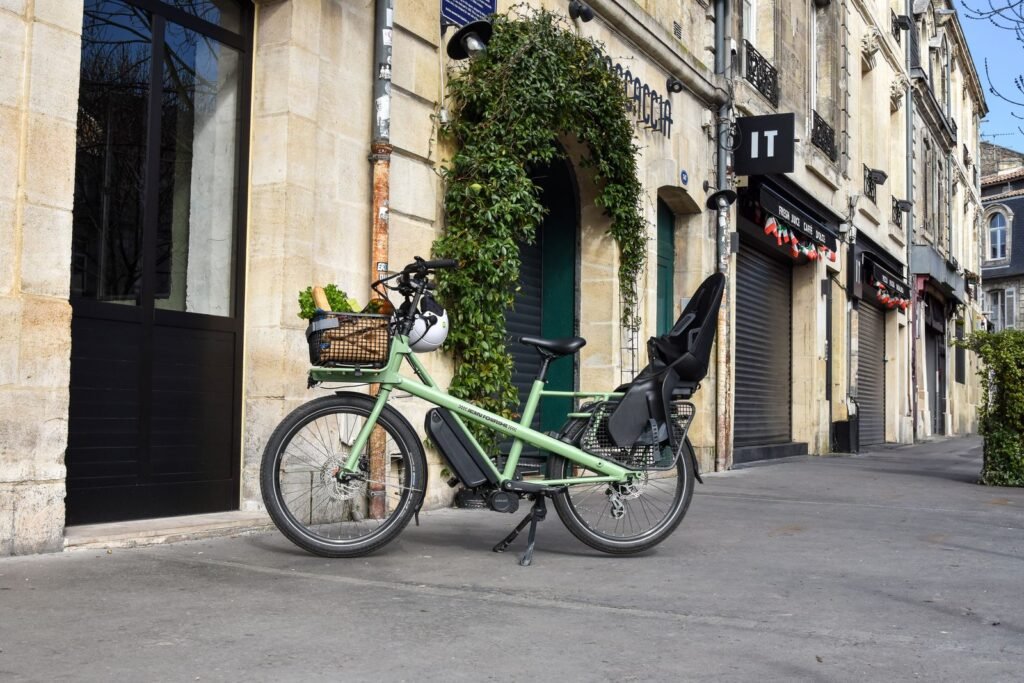
A cargo e-bike carries groceries, a grandchild or a bag without a backpack, keeps you upright and stays steady at low speed.
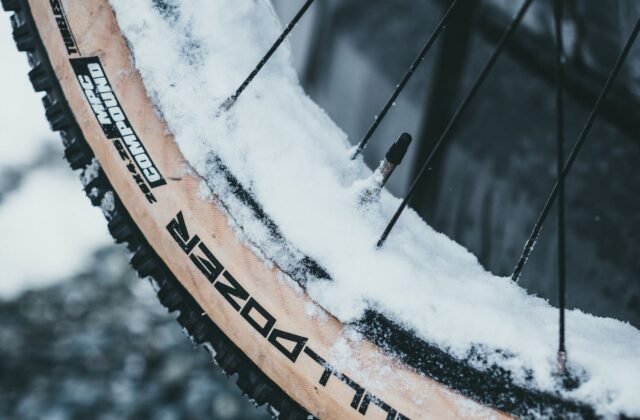
A road e-bike is lighter, faster and easier to lift, but its low position and narrow tyres are harder on backs, wrists and balance.
Introduction
A cargo e-bike and a road e-bike are built for opposite jobs: one carries loads on a long, wide-tyred frame, the other is a light, narrow-tyred bike built for speed. For a senior rider, comfort, balance and the bike’s weight decide whether you ride every day.
This guide compares cargo e-bikes and road e-bikes for seniors: the key differences, a test you can run, and what to do if you already bought the wrong one.
Below: the core differences in a table, the variables that change the answer, a simple test, and the choice to make first. See more comparisons in the E-Bikes Hub.
Cargo E-Bike vs Road E-Bike: The Core Differences
| Attribute | Cargo E-Bike | Road E-Bike | What to Watch |
|---|---|---|---|
| Best daily job | Carrying shopping, a child seat or a heavy bag | Fast rides on smooth roads, for fitness and exercise | Match the bike to your daily load |
| Riding position | Upright, with your weight over the saddle | Low and stretched out, with more weight on your hands | Pain shows up first on a low bike |
| Weight and lifting | Heavy, and hard to lift onto a car rack or up steps | Light, and much easier to lift and store | If you cannot lift it, you cannot take it anywhere |
| Carrying load | Built-in rack, long frame and space for a child seat or baskets | Almost no carrying space unless you add a rack | A backpack does not replace a rack |
| Stability at low speed | Wide tyres and a long wheelbase feel steady at walking speed | Narrow tyres feel twitchy at low speed | Falls happen at slow turns and kerbs |
| Speed on flat roads | Slower top speed, but the motor helps with weight | Faster, with less effort at cruising speed | Speed only helps on smooth roads |
| Range per charge | Uses more power when loaded, so range drops with weight | Uses less power, so the same battery goes further | Check range with a load |
| Tyres and comfort | Wide tyres and a softer ride over bumps | Narrow tyres that pass bumps to your hands and back | Rough roads punish narrow tyres |
| Mounting and dismounting | Low step-through frame on many models, so you step on | Higher top tube and a forward lean make mounting harder | If you cannot get on easily, you will not ride |
When the Answer Changes
The straight answer holds for most seniors, but four things can flip it.
- Your roads decide first: smooth, flat cycle lanes suit a road e-bike, while rough roads, kerbs and steep hills suit a cargo e-bike’s wide tyres.
- Your load decides second: if you shop by bike or carry a grandchild, the cargo e-bike wins. If you ride with almost nothing, a road e-bike is enough.
- Your storage decides third: a cargo e-bike is heavy and long, so if you must lift it up steps or fit it in a small car, the lighter road e-bike is easier.
- Your body decides last: a sore back, weak wrists or poor balance point to the upright cargo e-bike.
A Simple Test That Shows Which One Fits Your Daily Riding
Do this test on any bike you are thinking of buying, in a quiet street or car park, before you pay. It takes about 20 minutes.
- Mount and dismount three times in a row, without rushing. If you wobble or need a hand, the bike is too tall or too heavy for you.
- Ride slowly at walking speed for 20 metres. A cargo e-bike should feel steady; a road e-bike will need more steering and balance.
- Stop, then start again on a slight slope. Feel how much pedal effort and motor help you need to get moving.
- Ride over a rough patch or a kerb ramp. Wide tyres absorb the bump; narrow tyres send it to your hands.
- Turn around in a small space, like a U-turn on a path. A long cargo e-bike needs more room.
- Load the bike as you will really use it, with shopping bags or a child seat, and repeat steps 2 and 3.
What a fail looks like
- Symptom: You wobble when you start or stop. Cause: The bike is too tall or too heavy for you. Fix: Choose a lower step-through frame or a lighter bike.
- Symptom: Your hands or wrists hurt after 10 minutes. Cause: Too much weight on the handlebars from a low riding position. Fix: Raise the handlebars, or choose a more upright bike.
- Symptom: The bike feels unstable when you turn slowly. Cause: Narrow tyres or a short wheelbase. Fix: Choose wider tyres and a longer wheelbase.
- Symptom: You cannot lift the bike onto your car rack. Cause: The bike is heavier than you can manage. Fix: Use a ramp-style rack, or choose a lighter bike.
Myth vs Fact
Myth: A road e-bike is always easier for seniors because it is lighter.
Fact: A road e-bike is lighter to lift, but harder to ride: the low position and narrow tyres demand more balance. A heavier cargo e-bike can be easier to ride.
Myth: A cargo e-bike is only for carrying children.
Fact: A cargo e-bike is for any load: shopping, a garden bag, a picnic or a grandchild.
Before you test
Before you test: Always wear a helmet and ride with a friend the first time you test a bike. Check the brakes, tyres, chain and battery before you ride. Keep the motor assist switched off until you are ready to move.

1400W peak power, up to 80 miles per charge, and a child safety fence and rear rack.
How to Test Both E-Bikes Before You Buy
The quick test finds the worst problems. This longer test finds the smaller ones: the aches, the range and the loading habits that decide whether you keep riding.
What you will need
- A helmet and comfortable shoes
- A quiet street or car park, and a hill if you can find one
- Your usual load: shopping bags, a basket or a child seat
- A phone or a notebook to record how each bike feels
- Water, and a friend to ride with you
The method
- Set the saddle so your heel just reaches the lower pedal, then check both feet reach the ground when you stop.
- Start on the lowest assist setting and ride for 5 minutes on a flat road. Notice how upright you sit, and whether your back or wrists complain.
- Turn the assist up one level and ride up a hill. A cargo e-bike should climb steadily with the load; a road e-bike needs more pedal effort.
- Stop at the top and check the battery. If it dropped fast with a load, the real range will be much shorter than the stated range.
- Load the bike and ride your normal route, shops, a park and a hill, for at least 20 minutes.
- Park the bike where you will store it at home. Lift it, turn it and push it through the door. If that is hard, the bike will be hard to live with.
- Repeat the same route on the other bike, in the same conditions, and write down which felt easier to ride.
Note: Test both bikes on the same day, route and load, for a fair comparison.
Warning: Check brakes, tyres and the chain before each test ride.
When the Damage Is Already Done
- Too heavy to lift: Fit a ramp-style car rack and store the bike at ground level. If you carry it up steps daily, a lighter bike is the real answer.
- Back or wrist pain: Raise the handlebars and fit a comfortable saddle. If the frame still forces you low, the frame is the problem.
- Battery runs out too soon: Use a lower assist level and charge fully before each ride. If the range is still too short, you need a bigger battery.
The Safe Alternative: Choose the Road E-Bike
If the cargo e-bike fails your test, the road e-bike is the safe alternative. Choose it for the comfort, not the speed, and set it up to suit your back and wrists.
- Choose a road e-bike with the most upright riding position you can find, and raise the handlebars.
- Ask for wider tyres than the standard road tyres. Wider tyres absorb bumps and steady the bike at low speed.
- Fit a comfortable saddle, check that you can reach the ground when you stop, and add a small rack for a bottle, a lock and a phone.

A fast e-bike for longer, quicker road rides.
What to Do Next, in Order
- Write down what you carry most days and the roads you ride.
- Measure your storage, your car rack and how much you can lift.
- Test the cargo e-bike on your normal route, with your load.
- Ride the same route on the road e-bike, then choose the bike you would happily ride tomorrow.
Mistakes to Avoid
- Never ride without a helmet: a fall at low speed can still cause a serious head injury.
- Never buy without riding the bike first: a bike that looks right can feel wrong in 10 minutes.
- Never buy a bike you cannot lift: if you cannot get it onto the car rack, you will not take it anywhere.
- Never overload the bike past its carrying limit: it makes braking and steering worse.
- Never set off with a dead battery: a heavy cargo e-bike is very hard to pedal without motor help.
In short
For most seniors, a cargo e-bike is the better daily bike: it carries your load, keeps you upright and stays steady at low speed. A road e-bike suits fast fitness rides on smooth roads. Test both on your normal route, then choose the bike you would happily ride tomorrow.
The essentials
- A cargo e-bike is the better daily bike for most seniors.
- Test both bikes on your normal route, with your real load.
- Comfort, balance and lifting matter more than top speed.

1450W peak cargo e-bike, 20-inch x 4-inch fat tyres, and up to 80 miles per charge.
More Questions, Answered
Which e-bike is best for a senior who shops by bike?
A cargo e-bike. It carries the shopping, a child seat or a bag without a backpack.
Is a road e-bike too hard for a senior?
Not always. If your roads are smooth and your fitness is good, it can be the better exercise bike.
Can a cargo e-bike climb hills with a load?
Yes, if the motor is strong enough, but a heavy load drains the battery faster.
Additional Details
Name: Cargo E-Bike vs Road E-Bike: Which Is Better for Seniors?
Description: Cargo e-bike vs road e-bike for seniors: compare weight, comfort, load space and range, then pick the bike that fits your daily rides and your home today.
Published: November 9, 2026