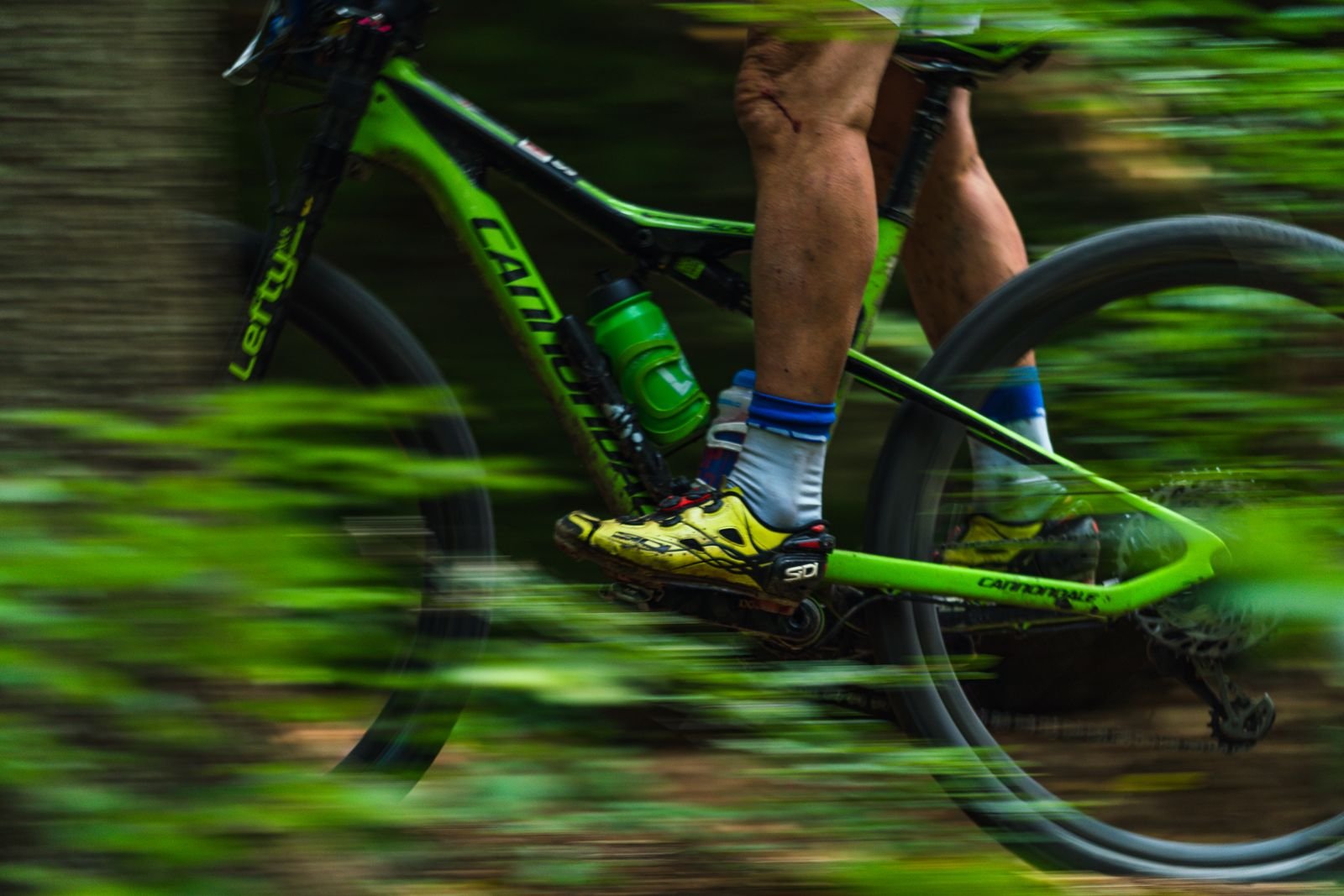
Straight answer: For most trail riding, the 27.5 mountain bike is the better choice. It is lighter, quicker to steer, and faster on firm singletrack, so it covers more ground with less effort. A fat mountain bike only wins when the trail turns to sand, snow, or deep mud — there its 4-inch tyres float where a 27.5 sinks. If you ride mixed trails in normal weather, buy the 27.5. If your trails are beach sand or winter snow, buy the fat bike.
Introduction
Wheel size changes how a mountain bike feels on a trail. A 27.5-inch wheel with a 2.2 to 2.6-inch tyre rolls fast and turns quickly. A fat bike runs 4 to 5-inch tyres at very low pressure, so it grips soft ground that stops other bikes.
The two bikes suit different trails, and the wrong choice makes every ride harder. This guide compares them on the same trails, so you can match the bike to the ground you actually ride. For the wider mountain bike family, start at the Mountain Bikes Hub.
27.5 Mountain Bike vs Fat Mountain Bike on Trails: The Comparison
| Attribute | 27.5 mountain bike | Fat mountain bike | What to watch |
|---|---|---|---|
| Tyre width | 2.2 to 2.6 inches, at about 25 to 30 psi | 4 to 5 inches, at about 5 to 10 psi | Fat tyres need low pressure; check the sidewall range before you ride. |
| Weight | Usually 12 to 14 kg | Usually 15 to 18 kg | A heavier bike climbs slower and is harder to lift over logs and gates. |
| Speed on firm trail | Faster; narrow tyres roll with less drag | Slower; wide tyres drag on hardpack | Time the same loop on both bikes to feel the difference. |
| Grip on soft ground | Sinks in sand, snow and deep mud | Floats on sand, snow and mud | Fat tyres still slip on wet roots and ice, so they are not grip for every surface. |
| Handling in tight turns | Quick and nimble in switchbacks | Slower to turn; wide tyres push wide | Test a tight switchback on both before you decide. |
| Climbing | Easier; lighter with less drag | Harder; more weight and more drag | Use a low gear early on a fat bike, before the climb steepens. |
| Comfort | Firmer; relies on suspension and skill | Softer; big tyres absorb bumps | Low pressure can feel vague in hard corners. |
| Price, same quality | Lower for the same parts | Higher; fat frames and tyres cost more | Fat tyres and rims also cost more to replace. |
| Spec | 27.5 mountain bike | Fat mountain bike |
|---|---|---|
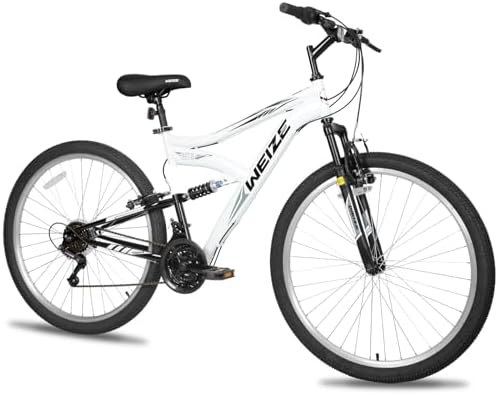
| Price | $199.99 | $373.99 |
| Weight | Not published | 52 lbs |
| Motor | Not applicable | Not applicable |
| Battery | Not applicable | Not applicable |
| Range | Not applicable | Not applicable |
Prices as of 17 Nov 2026. Prices change — check the current price on Amazon.
The Dolomite’s 52 lb is the manufacturer’s stated weight for this steel-frame model, above the 15–18 kg typical fat-bike range in the comparison table above.
When the Answer Changes
The 27.5 wins on most trails, but the answer changes with the ground. On beach sand, fresh snow, or deep mud, the fat bike wins outright — the 27.5 sinks, and no amount of pedalling fixes that. On hardpack, flow trails, and rocky singletrack, the 27.5 wins by the same margin.
Season matters too. If you ride one place all year and winter brings snow, a fat bike earns its keep as a winter bike, while the 27.5 stays the summer bike. If you ride one bike for everything, pick the 27.5 and accept that deep sand days will be short ones. Riders who climb a lot should lean 27.5, because every extra kilo shows on a long climb. And if the budget is tight, the 27.5 gives you better parts for the same money — compare with Enduro Mountain Bike vs 27.5 Mountain Bike to see how wheel size changes the ride on rougher trails.
Test Both Wheel Sizes on Your Local Trail
- Ride the same loop on both bikes — same trail, same day, same effort.
- Time the climb and the descent separately, so one does not hide the other.
- Note where each bike slips, drags, or feels vague.
- Try a tight switchback and a sandy or muddy patch on each bike.
- Ride a short rough section and note which bike leaves your hands less tired.
- Carry each bike over a fallen log or a gate and feel the weight.
- Decide on the trail you ride most, not the trail you dream about.
What a fail looks like
| Symptom | Cause | Fix |
|---|---|---|
| Front wheel washes out in a corner | Tyre too narrow for the surface, or pressure too high | Lower the pressure a little, or take the fat bike on soft ground |
| Bike feels dead and slow on climbs | Wide tyres and extra weight drag | Use the 27.5 for climbing days, or fit a lower gear |
| Tyres bounce on hardpack | Fat tyre pressure too low for firm ground | Raise fat tyre pressure for hard trails |
| Hands go numb on rough ground | Too much vibration through a rigid fork | Fit wider tyres, lower pressure slightly, or wear gloves |
Myth: Fat bikes are slow everywhere.
Fact: On sand and snow a fat bike is faster than a 27.5, because the 27.5 sinks and stops.
Myth: A 27.5 cannot ride sand or snow.
Fact: It can, for short stretches — but it sinks, drags, and wears you out fast.
Myth: Wider tyres always mean more grip.
Fact: On wet roots and smooth rock, a fat tyre can slide just like a narrow one.
Before you test: Test on flat ground away from traffic first. If the bike feels unstable, keep your speed down and walk it. Never ride a trail you have not walked when it is wet, and never ride with a tyre so soft it could roll off the rim.
How to Set Up Either Bike for Trail Riding
What you will need
- Floor pump with a pressure gauge
- Tyre levers
- Multi-tool
- Chain lube
- Clean cloth
- Helmet and gloves
The method
- Set tyre pressure for the trail: a 27.5 at about 25 to 30 psi for firm trails; fat tyres at about 5 to 10 psi for soft ground, higher on hardpack.
- Check both wheels are true and the tyres are seated evenly on the rims.
- Set the saddle height so your leg is nearly straight at the bottom of the pedal stroke.
- Check the brakes bite well before the lever reaches the handlebar.
- Lube the chain and wipe off the extra so it does not pick up grit.
- Ride a short flat loop, then re-check pressure and bolts before the trail.
Check pressure with a gauge, not your thumb. A thumb cannot tell 8 psi from 15 psi, and that gap is the whole difference between floating on sand and bouncing on hardpack.

When the Damage Is Already Done
If you already bought the wrong bike for your trails, do not throw parts at it. A fat bike bought for firm trails will stay slow: raise the tyre pressure, fit the narrowest fat tyres that fit your rims, and accept that it will never climb like a 27.5. A 27.5 bought for sand and snow will stay limited: fit the widest tyres your frame takes, up to about 2.8 inches, drop the pressure, and keep the deep sand days short.
The honest fix is usually a swap, not a part. Sell the wrong bike while it is still in good shape and buy the one that matches your trails. A tyre swap helps a little, but it cannot turn one bike into the other — the frame, the weight, and the geometry stay the same. If you ride mixed ground and can keep only one bike, the 27.5 is the one to keep; see Best Hardtail Mountain Bike for Trails for what to look for in a single trail bike.
The Safe Alternative: Ride the Fat Bike for Soft Trails
If the 27.5 is the better all-round trail bike, the fat bike is the safe alternative for the soft days. Keep it for sand, snow, and mud, and it will take you places a 27.5 cannot go. Treat it as a second bike for bad ground, not as a slower copy of your main bike.
The method
- Keep the fat bike for sand, snow, and mud days only.
- Set the pressure low before soft ground, and raise it again for the ride home on hard ground.
- Carry a pump — fat tyres need adjusting through the ride as the ground changes.
- Wash the bike after mud and sand; grit wears the drivetrain fast.
- Store it with the tyres pumped up so they hold their shape between rides.

What to Do Next, in Order
- Walk your most-ridden trail and note the surfaces: hardpack, sand, mud, or snow.
- Test ride both wheel sizes on that trail, on the same day if you can.
- Buy the bike that wins on the ground you ride most, not the ground you visit once a year.
- Set the tyre pressure for that ground before every ride.
- Re-check after the first month: pressure, bolts, and chain.
Never Do These on the Trail
- Never ride a fat bike on hardpack with very low pressure — the tyre can roll off the rim.
- Never take a 27.5 deep into soft sand and expect to pedal out; walk it back instead.
- Never skip the pressure check before a ride — pressure is the whole difference on these bikes.
- Never buy on wheel size alone — frame fit matters more than the number on the tyre.
- Never ride a wet trail you have not walked first — wet roots and mud hide the line.
In short
A 27.5 mountain bike is the better trail bike for most riders — lighter, faster, and cheaper. A fat mountain bike is the better bike only where the ground is soft: sand, snow, and deep mud. Match the bike to the trail you ride most, and test both before you buy.
The essentials
- The 27.5 wins on firm singletrack, flow trails, and climbs.
- Fat bikes win on sand, snow, and deep mud.
- Fat bikes are heavier and slower on hard ground.
- Tyre pressure matters more than wheel size on the day.
- Test both bikes on your own trail before you buy.
- A 27.5 costs less than a fat bike with the same parts.
More Questions, Answered
Can a 27.5 mountain bike ride on sand?
For short stretches, yes — but it sinks and drags, so a fat bike is far better for real sand riding.
Are fat bikes good for normal trails?
They work, but they are heavy and slow on firm ground. Most riders prefer a 27.5 for everyday trails.
Which is better for climbing?
The 27.5, because it is lighter and has less rolling drag than a fat bike.
Do fat bikes need special tyres?
Yes, 4 to 5-inch tyres, and they cost more than normal tyres and wear faster on hard ground.
Can I put fat tyres on a 27.5 bike?
Only up to the width your frame and fork allow, usually about 2.8 inches — that is not a fat bike, and it will still sink in deep sand.
Additional Details
Name: 27.5 Mountain Bike vs Fat Mountain Bike: Which Is Better for Trails?
Description: 27.5 mountain bike vs fat mountain bike: the 27.5 wins on firm trails, the fat bike on sand and snow. Compare weight, grip, and speed, then test both.
Published: November 17, 2026