Straight answer: For dry dust, the 27.5 mountain bike is the better pick for most riders. Its smaller wheels turn quicker, it is easier to correct when the front wheel slides, and it carries less speed into loose corners, which is where dusty trails punish riders most.
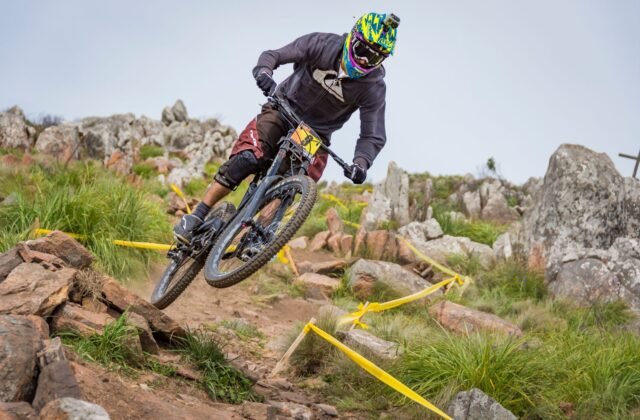
- Enduro bikes are built for steep, rough descents: long travel, slack angles, and a long wheelbase.
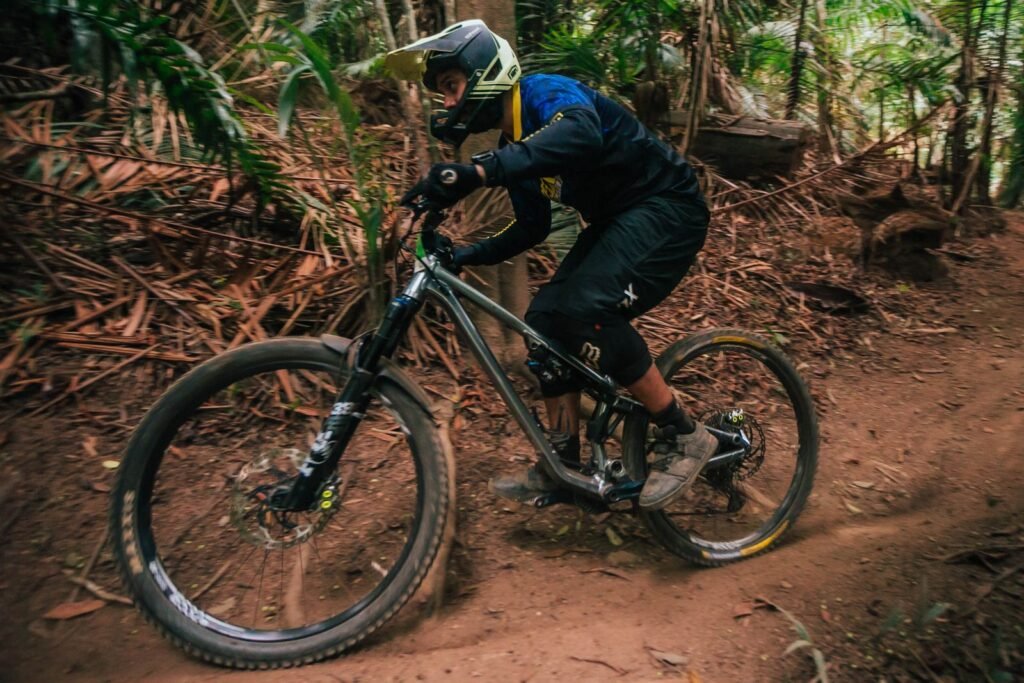
- 27.5 wheels are smaller and lighter, so the bike changes direction faster on loose trails.
- Grip in dust comes mostly from tyres and pressure, not from the badge on the frame.
That said, this is a close call, and it depends on your trails. If your local loops are steep, rocky, and fast, an enduro bike still wins. For flat-to-rolling dusty singletrack, the 27.5 bike is the safer, quicker choice. Remember too that many enduro bikes already run 27.5 wheels, so this comparison is really about the long-travel enduro platform versus a typical 27.5 trail bike.
Introduction
Dry dust changes the rules of mountain biking. A trail that grips in spring turns loose and powdery in summer, and the bike that felt planted suddenly slides and washes out in corners. Braking distances grow, climbs turn into a rear-wheel spin, and every line choice matters more. The question is not which bike is better in general — it is which one keeps you upright when traction is in short supply.
The two are not really the same kind of thing. An enduro bike is a category defined by long travel and aggressive geometry, while 27.5 is a wheel size that can sit on many kinds of bike. That overlap is exactly why this comparison confuses buyers. This guide, part of our Mountain Bikes Hub, weighs the two head to head for dry, dusty trails, then gives you a simple test you can run yourself before you spend money.
You will also learn how to set up whichever bike you own for dusty conditions, and what to do if you already bought the wrong one. For a second opinion from the cross-country side, see our Cross Country Mountain Bike vs Enduro Mountain Bike guide.
Enduro Mountain Bike vs 27.5 Mountain Bike: The Comparison
Start with the bones of each bike. The table below compares the two as they are normally sold and ridden, before any upgrades or setup changes.
| Attribute | Enduro Mountain Bike | 27.5 Mountain Bike | What to watch |
|---|---|---|---|
| Wheel size | Often 29 or mixed 29/27.5 (mullet) | 27.5 front and rear | Check the actual build first. |
| Suspension travel | About 150–180 mm | About 120–150 mm | More travel helps rough descents, not dusty grip. |
| Geometry | Slack head angle, long wheelbase | Steeper angle, shorter wheelbase | Slack is stable; short is agile. |
| Climbing | Heavy and slow on climbs | Lighter and easier to pedal | Enduro weight works against you on long dusty climbs. |
| Cornering in dust | Carries speed, harder to correct a slide | Quicker to steer and recover | A slide you can catch beats speed you cannot hold. |
| Best terrain | Steep, rocky, fast descents | Rolling singletrack, tight trails | Match the bike to your trails, not the label. |
| Rider fit | Suits taller or very aggressive riders | Suits shorter riders and tight trails | Fit matters more than wheel size. |
When the Answer Changes
Change the terrain, and the winner changes with it:
- Steep, rocky descents: if your trails drop fast over rocks and roots, the enduro bike’s travel and slack geometry win — dust or not.
- Bike-park days: lift-served riding with big drops and jumps suits the enduro bike.
- Flat, dusty loops: on rolling singletrack with tight corners, the 27.5 bike is faster and less tiring.
- Shorter riders: a 27.5 bike’s shorter wheelbase and lower standover suit smaller riders.
- Wet or mixed trails: if dust turns to mud after rain, the answer shifts again — wider tyres and tread depth matter more than either platform.
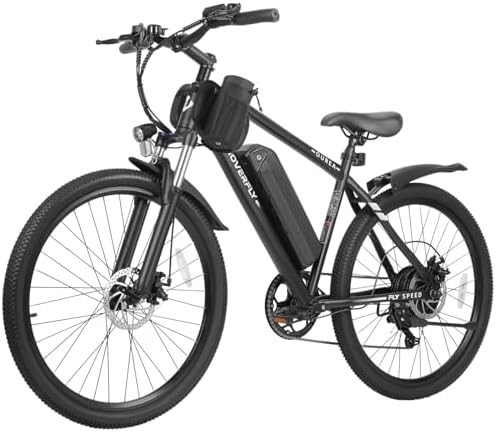
How to Test Both Bikes on Dry Dust Before You Decide
Do not trust a car-park test ride. Dust hides the truth until you ride the trail.
- Ride the same dusty trail on both bikes, on the same day, so the surface is identical.
- Fit the same tyre model and set the same pressures on both bikes.
- Mark a braking point on a flat dusty section and compare stopping distances.
- Time two runs through the same loose corner, and note which bike is easier to correct.
- Climb the same dusty rise on each bike and count rear-wheel slips.
- Score grip, control, and confidence from 1 to 5 for each bike, then add the scores up.
What a fail looks like
| Symptom | Cause | Fix |
|---|---|---|
| Front wheel washes out in a dusty corner | Too much speed and weight over the front, or pressure too high | Brake earlier, shift your weight back, and drop front pressure slightly |
| Rear wheel spins on a dusty climb | Weight too far forward, or the tyre is too hard | Slide back on the saddle and lower rear pressure |
| Arms pump up and the ride feels harsh | Suspension too firm or pressure too high | Open the compression a click and recheck sag |
Myth: More suspension always helps in dust. Fact: Travel soaks up bumps; grip comes from the tyre contact patch, so pressure and tread matter more.
Myth: A bigger wheel always rolls faster in dust. Fact: A 29er rolls over ruts well, but a 27.5 wheel is easier to steer and recover when dust breaks traction.
Myth: Enduro bikes are always faster downhill. Fact: On loose, dusty descents, the bike you can control wins — speed you cannot hold is just risk.
Before you test: Wear a helmet, gloves, and eye protection, and ride the test trail once slowly before you time anything. Dust hides rocks and ruts, and a hidden washout can throw you. Carry water and a phone.
How to Set Up a Bike for Dry Dust
What you will need
- A floor pump with a gauge
- A tyre pressure gauge
- A shock pump
- A multi-tool
- Gloves and eye protection
- Water and a phone
The method
- Start with clean, dry tyres. Brush off caked mud so the tread can bite.
- Set sag first: about 25–30% at the rear and 20–25% at the fork for trail riding.
- Lower tyre pressure a little from your normal setting — 1–3 psi is enough on a dry day.
- If you run tubeless, check the sealant is fresh, so a small puncture seals instead of ending your ride.
- Open rebound one click at a time so the tyre stays glued to loose ground.
- Ride a familiar dusty section, then change one thing at a time and ride it again.
- Write down the pressures and settings that worked, so you can repeat them.
Set tyre pressure before touching suspension. Wrong pressure masks every other change you make, and it costs nothing to fix. If you run tubeless, lower pressures are safer, because there is no tube to pinch.

When the Damage Is Already Done
If you already bought an enduro bike and your trails are dusty and flat, you still have options before you sell it.
- Fit open-tread tyres that clear dust instead of packing it, and run pressures a little lower.
- Shorten the stem and raise the bars slightly for a more upright, controlled position in loose corners.
- If your frame allows it, a 27.5 wheelset conversion can make an enduro bike feel smaller and quicker — check axle and clearance first.
- Use the bike for its strengths: steep days, bike parks, and rough descents.
- If the mismatch is severe, sell or trade while the bike is still current; a wrong bike that sits in the garage helps nobody.
The Safe Alternative: Choose the 27.5 Mountain Bike
If the verdict fits your riding, here is how to pick the 27.5 bike without regret.
The method
- Get the size right: check standover and reach at a shop, not from a chart alone.
- Aim for 130–150 mm of travel: enough for rough patches without the weight of a full enduro build.
- Choose open-tread tyres and a tubeless setup for better grip at lower pressures.
- Test ride on a dusty trail, not a car park, and try the loose corners.
- Before you pay, compare the same choice in our Cross Country Mountain Bike vs 27.5 Mountain Bike guide to confirm 27.5 fits your pace.
What to Do Next, in Order
- Ride your local dusty trail once and note where you lose grip.
- Test both bikes on that trail if you can borrow or demo one.
- Set tyre pressure and sag before you judge any bike.
- Pick the bike that matches the trails you ride weekly, not the ones you dream about.
- Read our Hardtail Mountain Bike vs 27.5 Mountain Bike comparison if budget is tight.
- Buy once: spend what is left on tyres, not on parts the dust will wear out anyway.
Never Do These on Dry Dust
- Never brake hard into a dusty corner: the front tyre has nothing to grab, and it will wash out.
- Never run rock-hard tyres: over-inflated tyres skate on dust instead of gripping it.
- Never follow another rider’s dust cloud closely: you cannot see ruts, rocks, or the line.
- Never skip eye protection: dust in the eyes ends a ride faster than any flat.
- Never change three settings at once: you will never know which one helped.
- Never ride a dusty descent at full speed on a bike you have never tested there.
In short
On dry dust, the 27.5 mountain bike wins for most riders: it turns quicker, recovers from slides sooner, and asks less of you on rolling trails. The enduro bike earns its keep where trails are steep, rough, and fast.
The essentials
- In dust, tyres and pressure beat travel and badges.
- Test both bikes on the same trail, on the same day.
- Slow down for loose corners — then brake less, not more.
- If you bought the wrong bike, tyres and setup fix most of the problem.

More Questions, Answered
Is a 27.5 mountain bike good for beginners on dusty trails?
Yes. Smaller wheels respond faster, the bike is easier to handle at low speed, and slides are easier to catch. Beginners usually gain confidence faster on a 27.5 bike than on a long, heavy enduro bike.
Can an enduro bike use 27.5 wheels?
Often, yes. Many enduro frames are sold with 27.5 wheels, or as a mixed mullet with a 29-inch front wheel. Check the frame’s wheel-size rating before you swap — not every frame clears both sizes.
What tyre pressure works best for dry dust?
There is no single number: rider weight, tyre width, and tubeless setup all change it. Start 1–3 psi below your normal pressure, test on a dusty section, and adjust in small steps.
Which bike climbs better in dry conditions?
The 27.5 bike, usually. It is lighter, the shorter wheelbase keeps the rear wheel planted, and you waste less energy. A long-travel enduro bike’s weight and slack geometry work against it on long dusty climbs.
Additional Details
Name: Enduro Mountain Bike vs 27.5 Mountain Bike: Which Is Better for Dry dust?
Description: Enduro mountain bike vs 27.5 mountain bike for dry dust: which holds traction, which turns quicker, and how to test each one before you spend your money.
Published: November 10, 2026