Straight answer: For most riders in mud, the 27.5 mountain bike wins. It is lighter and simpler, with nothing electric to protect from water, so it stays easier to control, lift, and clean. The electric mountain bike earns its place only on steep, slippery climbs — its motor keeps you moving uphill, but the extra weight makes it harder to handle on slick descents.
Introduction
Mud changes how a mountain bike behaves. A trail you ride easily in summer becomes a test of grip, weight, and patience after rain — and the gap between a plain 27.5 mountain bike and an electric mountain bike shows up exactly then.
This guide compares the two bikes on mud only — grip, climbing, descending, cleaning, and cost — so you can judge your own trails before you spend anything. For the wider picture, see the Mountain Bikes Hub and 29er Mountain Bike vs Electric Mountain Bike,
Below: the side-by-side comparison, a short test for your own muddy trail, how to ride and clean both bikes after mud, and what to do when the damage is already done.
27.5 Mountain Bike vs Electric Mountain Bike for Mud: The Comparison
| Attribute | 27.5 mountain bike | Electric mountain bike | What to watch in mud |
|---|---|---|---|
| Weight in mud | Lighter, so it stays easier to lift and control on slick trails | Heavier, so it sinks and slides more on soft ground | A heavy bike is harder to catch in a slide. |
| Climbing in mud | You do all the work, so steep climbs can spin the rear wheel | The motor keeps you moving uphill on slippery sections | Use low assist — motor power can spin the wheel too. |
| Grip and tyres | 27.5-inch wheels turn quickly in ruts and tight, muddy corners | The same tyres grip, but the extra weight pushes the wheels deeper | Drop tyre pressure a little on both bikes. |
| Descending | Lighter and easier to steer around ruts and puddles | Harder to slow and steer, and a slide is harder to stop | Brake early and gently on both bikes. |
| Mud and cleaning | Less to clean, with fewer parts to trap mud | Mud packs around the motor, battery, and wiring | Clean both after every muddy ride. |
| Water and electrics | Nothing electric to protect from water | The motor and battery must stay sealed from deep water | Never ride through water above the motor. |
| Spec | 27.5 mountain bike | Electric mountain bike |
|---|---|---|
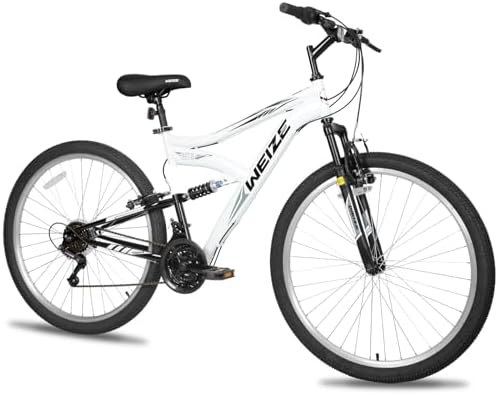
| Price | $199.99 | $3,898.91 |
| Weight | Not published | Not published |
| Motor | Not applicable | Not published |
| Battery | Not applicable | Not published |
| Range | Not applicable | Not published |
Prices as of 17 Nov 2026. Prices change — check the current price on Amazon.
When the Answer Changes
The verdict above holds for a normal muddy trail, but five variables can flip it:
Thin mud over hardpack vs deep bog. On a thin film over firm ground, the gap is small and the lighter bike wins. In a deep bog, both bikes struggle — and the e-MTB’s weight works against it.
Steep climbs. On a long, slippery climb, the motor is the one thing that keeps you moving — this is where the e-MTB earns its place.
Tyre choice. Mud tyres with widely spaced knobs change the answer more than the bike does; either bike on slick tyres will slide.
Rider strength. A strong rider can power a light 27.5 through mud; a tired rider gets more from the motor.
How often you ride mud. If mud is every weekend, the simple bike’s lower repair bill matters more; if mud is rare, the weight is a smaller price.
Test Both Bikes on a Muddy Trail: A 20-Minute Decision Ride
Do this short test on your own muddy trail before you spend anything. Ride the same loop on each bike.
- Pick a short loop. Choose a loop with a muddy climb, a flat stretch, and a descent — about 20 minutes.
- Set both bikes up the same. Drop tyre pressure a little on both, and use the same mud tyres if you can.
- Ride the climb. Note whether the rear wheel spins, whether you walk, and how the motor helps or hurts.
- Ride the descent. Note how each bike steers around ruts, how the brakes feel, and how hard a slide is to catch.
- Lift and clean. Lift each bike over a gate or stile, then wash both. Note which one is heavier to carry and which takes longer to clean.
What a fail looks like
| Symptom | Cause | Fix |
|---|---|---|
| Rear wheel spins on a climb | Too much power, or tyres with no grip in mud | Use a lower gear and assist, and fit mud tyres |
| Brakes feel weak in mud | Mud and grit on the pads, rim, or rotor | Clean the braking surface and test again first |
| Chain skips under load | Mud and grit in the chain and cassette | Clean and lube the chain, and check for wear |
| Motor cuts out after a muddy ride | Water or mud in the motor area or a loose plug | Dry the bike, check the plugs, and have the motor checked |
Myth: An e-MTB is always better in mud because the motor does the work.
Fact: The motor helps only on climbs. On flat mud and descents, the extra weight makes it harder to control.
Myth: Bigger wheels are always better in mud.
Fact: A 27.5-inch wheel turns faster in ruts, and the lighter bike is easier to catch in a slide.
Myth: Mud does not damage a bike if you wash it later.
Fact: Mud and grit wear chains, cassettes, pads, and bearings fast — and mud around the motor can cause expensive damage.
Before you test: Ride on flat ground away from traffic first. If the brakes feel weak or the chain skips, walk the bike home. Never aim a jet of water at the motor, battery, or brakes.
Ride and Clean Both Bikes After Mud
What you will need
- A bucket of clean water and a soft brush
- A dry cloth and chain lube
- A tyre pressure gauge
- Gloves
- Basic tools for removing a wheel
The method
- Rinse the mud off with a bucket of water and a soft brush — never a jet at the motor, battery, or brakes.
- Wash the chain and cassette, then dry them and add lube.
- Clean the brake pads, rim, or rotor — mud and grit there weakens braking.
- Check the tyres for cuts and set the pressure.
- Dry the bike fully, especially around the motor and battery, and check the bolts, chain, and pads.
Do not use a pressure washer on either bike. A hard jet pushes water and grit into bearings, the motor, and the brakes.
E-bikes: Switch the power off before washing, and check the battery and manual first.

When the Damage Is Already Done
Some damage cannot be washed away. Match the symptom to the fix — and do not ride a bike you do not trust.
Worn chain and cassette. Mud and grit grind the chain and cassette down, and a worn chain skips under load. Replace the chain, then the cassette if it still skips.
Glazed or contaminated pads. Braking stays weak after cleaning, and the pad surface looks shiny or smells of oil. Replace the pads and bed in the new set.
Worn bearings. Grit in the headset, bottom bracket, or wheel bearings makes them feel rough or loose. Have them replaced.
Motor damage on the e-MTB. A motor that cuts out, makes a new noise, or smells hot after a muddy ride needs a shop test — do not open it yourself.
For the wider comparison, read 29er Mountain Bike vs Electric Mountain Bike and Enduro Mountain Bike vs Electric Mountain Bike.

The Safe Alternative When the Mud Wins
If the mud is deeper than your tyres and brakes, the safe alternative is the lighter bike — or no bike that day. A 27.5 is easier to carry home, and cheaper to fix after a muddy crash.
The method
- Inspect. Check the tyres, chain, brakes, and frame for mud, wear, and damage.
- Clean. Wash the mud off with a bucket and brush, and dry the bike fully.
- Decide. If the trail is a deep bog, walk the worst sections or pick a drier route.
- Test. Run the short test again on a drier day, and ride normally only when the brakes bite and the chain runs smooth.
If the bike still feels wrong after cleaning, have it checked first. A cheap check costs less than a crash.
What to Do Next, in Order
- Run the 20-minute mud test on your own trail before you buy.
- Fit mud tyres and drop the pressure a little.
- Clean the chain, brakes, and motor area after every muddy ride.
- Replace a worn chain or pads before they damage the cassette or rotor.
- If steep climbs are your problem, test an e-MTB on the same climb first.
Never Do These in Mud
Never ride with brakes you have not tested in the mud. Weak brakes in mud are the fastest way to a crash.
Never aim a jet of water at the motor, battery, or brakes. A hard jet pushes water and grit inside.
Never keep riding on a chain that skips in mud. A skipping chain can snap or jam.
Never ride a deep bog you cannot see the bottom of. Hidden ruts and rocks can stop a wheel dead and throw you off.
Never put off cleaning after a muddy ride. Dried mud grinds parts down.
In short
In mud, the 27.5 wins for most riders — lighter, simpler, and easier to control, lift, and clean, with nothing electric to protect. The e-MTB earns its place only on steep, slippery climbs, where the motor keeps you moving. Whichever bike you ride, fit mud tyres, test the brakes, and clean the bike after every muddy ride.
The essentials
- The 27.5 wins in mud for most riders: lighter, simpler, easier to control and clean.
- The e-MTB wins only on steep, slippery climbs.
- Mud tyres and lower pressure matter more than the bike.
- Never jet-wash the motor, battery, or brakes.
- Clean the chain, brakes, and motor area after every muddy ride.
More Questions, Answered
Is a 27.5 mountain bike better than an electric mountain bike in mud?
Yes, for most riders. The lighter bike is easier to control, lift, and clean. The e-MTB only wins on steep, slippery climbs.
Do electric mountain bikes work in mud?
Yes, but the motor and battery need protection from water and mud. Keep the motor area clean and never jet-wash it.
What tyres are best for mud?
Mud tyres with widely spaced knobs clear mud instead of packing it in. Drop the pressure a little for more grip.
How do I clean a mountain bike after mud?
Rinse with a bucket and brush, clean the chain and brakes, dry the bike, and lube the chain. No pressure washer.
Is an electric mountain bike worth it for muddy trails?
Only if your trails have long, steep, slippery climbs. For flat or rolling mud, the lighter 27.5 costs less to buy, run, and fix.
Additional Details
Name: 27.5 Mountain Bike vs Electric Mountain Bike: Which Is Better for Mud?
Description: 27.5 mountain bike vs electric mountain bike in mud: the lighter 27.5 wins on most muddy trails, while the e-MTB only earns its place on steep, slippery climbs.
Published: November 17, 2026