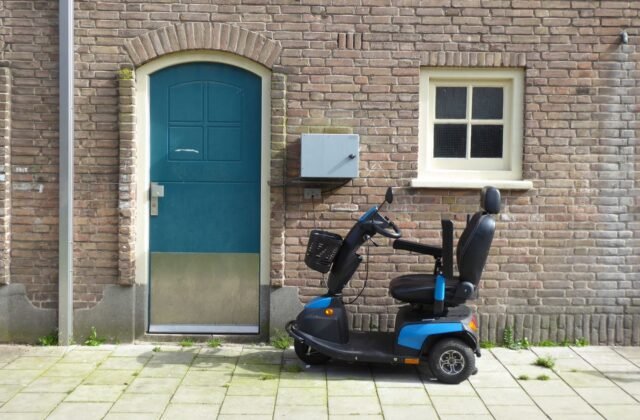
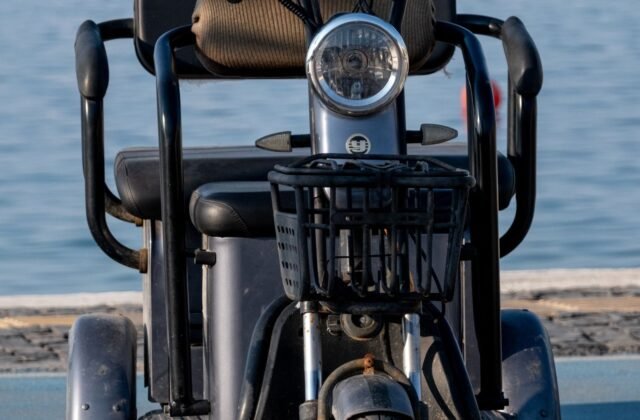
Part of our guide on Mopeds and Trikes.
A 3 wheel motorcycle for adults is bought for one reason above all others: stability. Three wheels hold the machine upright at a stop, take the balance work out of slow traffic, so riders who find two wheels tiring or unsteady can keep riding. That is why they suit older riders, riders coming back after a long break, and anyone who wants a motorcycle feel without the balancing act.
This guide shows how to work out which three-wheeler suits you, what to check before you buy, and where the common mistakes hide. It covers petrol trikes, electric trikes and three-wheel mopeds. Licence rules change with where you live and with the size of the machine. For moped licence rules in detail, read Three-Wheel Moped for Adults.
Quick facts
| Fact | What it means for your ride |
|---|---|
| What it is | A motorcycle with three wheels: one front and two rear, or two front and one rear |
| Who it suits best | Adults who want stability at stops and an easier ride in slow traffic |
| Check first | Licence rule, engine size, weight, and storage space |
| Main types | Petrol trikes, electric trikes, three-wheel mopeds, and folding electric trikes |
| Common mistake | Buying on looks, then finding the licence or parking space does not work |
| Related guides | Three-Wheel Moped for Adults, Lightweight Folding Electric Tricycle |
Quick recap
- Three wheels hold the machine upright at a stop.
- Two layouts: one front wheel and two rear, or two front and one rear.
- Licence rules change by place and engine size. Check first.
- A heavy trike is hard to push and park.
- Electric suits short trips; petrol suits longer rides.
- Test ride first, and check reverse, the parking brake and storage.
The short answer: buy the three-wheeler that fits your licence, your strength and your storage
The straight answer is that the right 3 wheel motorcycle for adults is the one you can legally ride, handle at parking speed, and store at home. A machine that needs a licence you do not hold, weighs more than you can push, or will not fit through your gate is the wrong machine. Start with those three checks: a small electric trike for short trips, a mid-size petrol trike for longer rides, or a three-wheel moped where the local rules allow it.
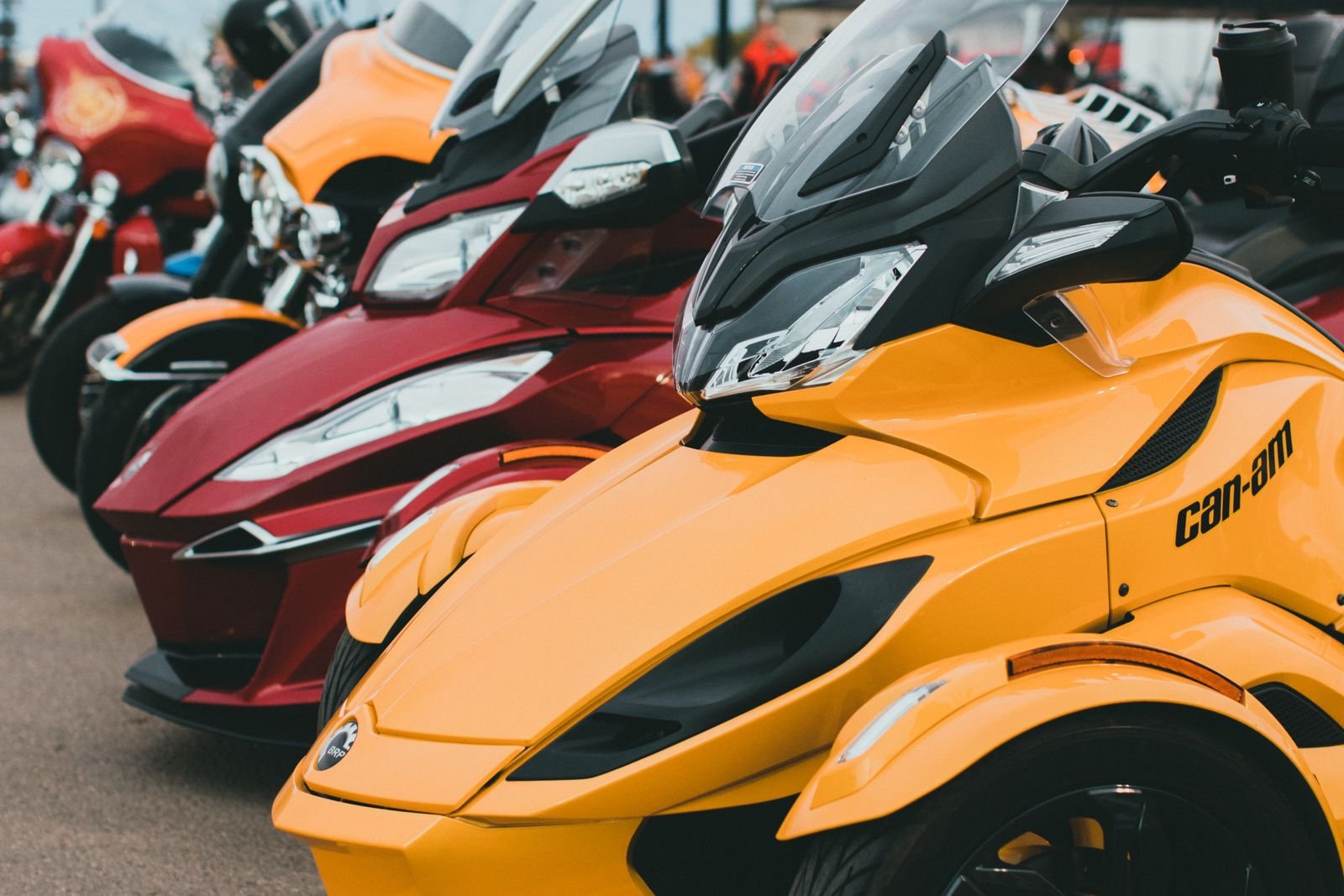
That order matters because the names overlap. A “trike” can be a large petrol machine, a small electric three-wheeler, or a folding scooter with three wheels. They share the stability, but differ in speed, range, licence needs and price.
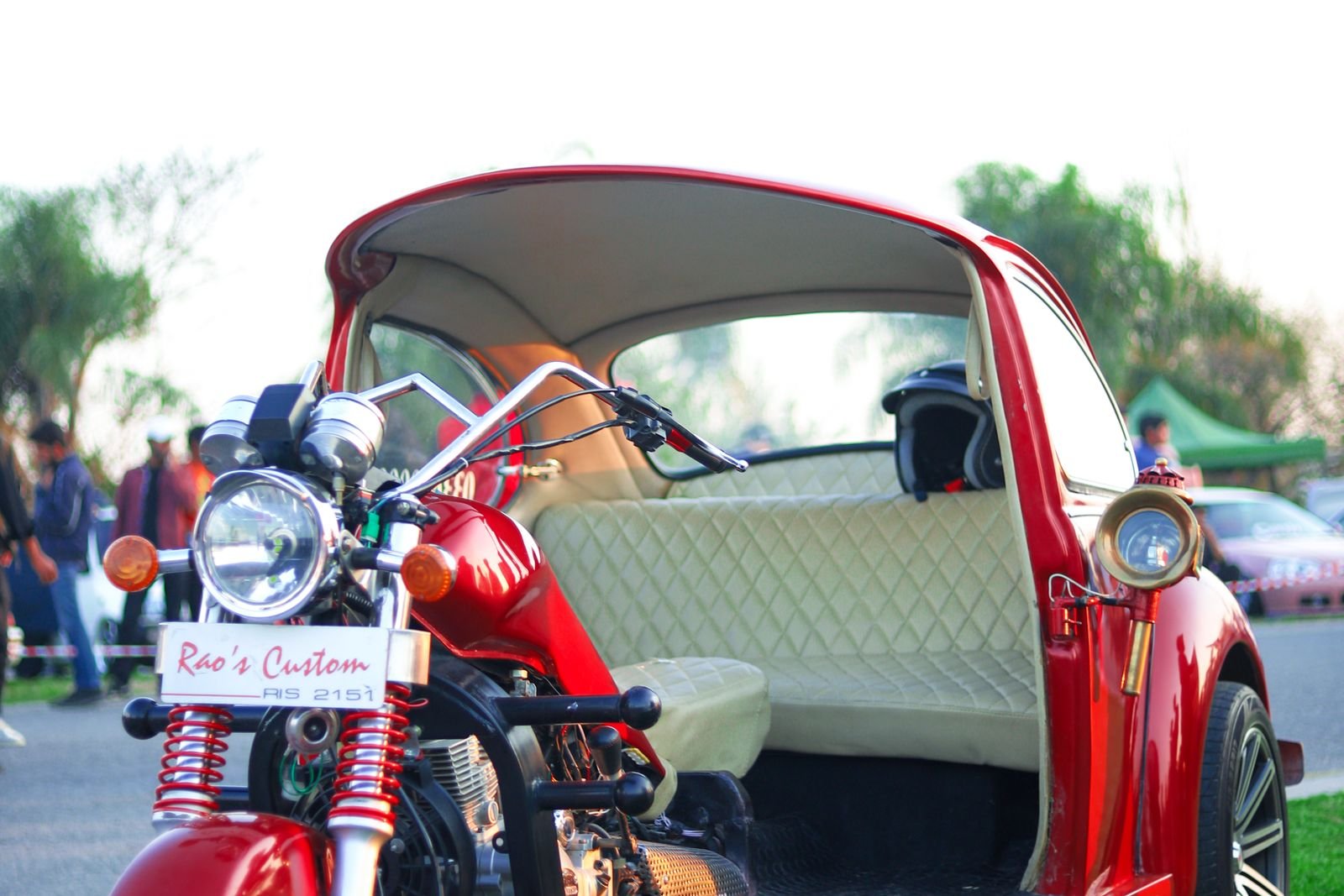
The rest of this guide follows that rule.
How to work out which 3 wheel motorcycle suits you, step by step
Work through these steps in order, and note the licence rule, the weight and the space.
- Decide petrol or electric. Petrol suits longer rides. Electric suits short trips and home charging.
- Check the licence rule. Note the engine size, then confirm your licence covers it.
- Push it and sit on it. Push it a few steps, sit on it, and reach the bars.
- Check weight and brakes. Ask the weight, try the brakes, and check for a parking brake.
- Look for reverse. Some three-wheelers have a reverse gear and some do not. In tight spaces, reverse beats speed.
- Measure your storage. Measure the gate, garage and parking space first. A trike is wider than a two-wheel bike.
- Take a test ride. Ride slowly first, then on a road you know. Note steering, braking and low-speed stability.
If it still feels wrong on the test ride, trust the test ride.
What you’ll need
- Your current licence, so the dealer can check what it covers
- A tape measure, for the gate, garage and parking space
- Your helmet and gloves, for the test ride
- A notebook, to record the weight and the licence answer
One Amazon product in this section only: the street-legal petrol trike below is a 200cc three-wheel motorcycle with reverse.

What each kind of three-wheeler usually means
Use this table to match what you need with the type most likely to fit.
| Situation | What you’ll notice | What to try |
|---|---|---|
| You want stability at stops | Two wheels feel unsteady at lights | A reverse trike or traditional trike |
| Short trips, easy parking | Short rides, tight streets, small storage | A small electric trike, or a folding three-wheel scooter |
| Long rides and touring | Open roads, a passenger, luggage | A larger petrol trike with storage and a windscreen |
| Very little storage | No garage, a narrow gate, a small flat | A folding electric trike |
Electric trikes deserve a second look for short trips: quiet, cheap to run and easy to charge at home. The electric trike below is a 2000W three-wheeler with a 60V battery.

How engine size, licence rules and where you ride change the answer
The same three-wheeler can be a good buy in one place and a poor one in another. A small 50cc three-wheel moped may be covered by a car licence in one country and need a motorcycle licence in the next, and a larger petrol trike usually needs a motorcycle licence or a three-wheel endorsement. Engine size is the first thing to check.
Where you ride changes the answer too. City riding rewards a small, light trike that parks easily, while open roads reward a larger machine with storage and wind protection. An electric trike suits home charging and short trips; a petrol trike suits longer distances.
What works
- Confirm the licence rule before you pay anything
- Match the engine size to your real rides
- Choose a parking brake and, for tight spaces, reverse
What to watch
- Do not trust a sales listing for the licence rule
- Do not buy a trike wider than your gate
- Top speed matters less than low-speed stability
Settings and controls that change how a three-wheeler rides
Before deciding a three-wheeler is too heavy or too slow, check the controls. The throttle, brakes and ride mode change the ride more than the engine size does, and many trikes have linked brakes.
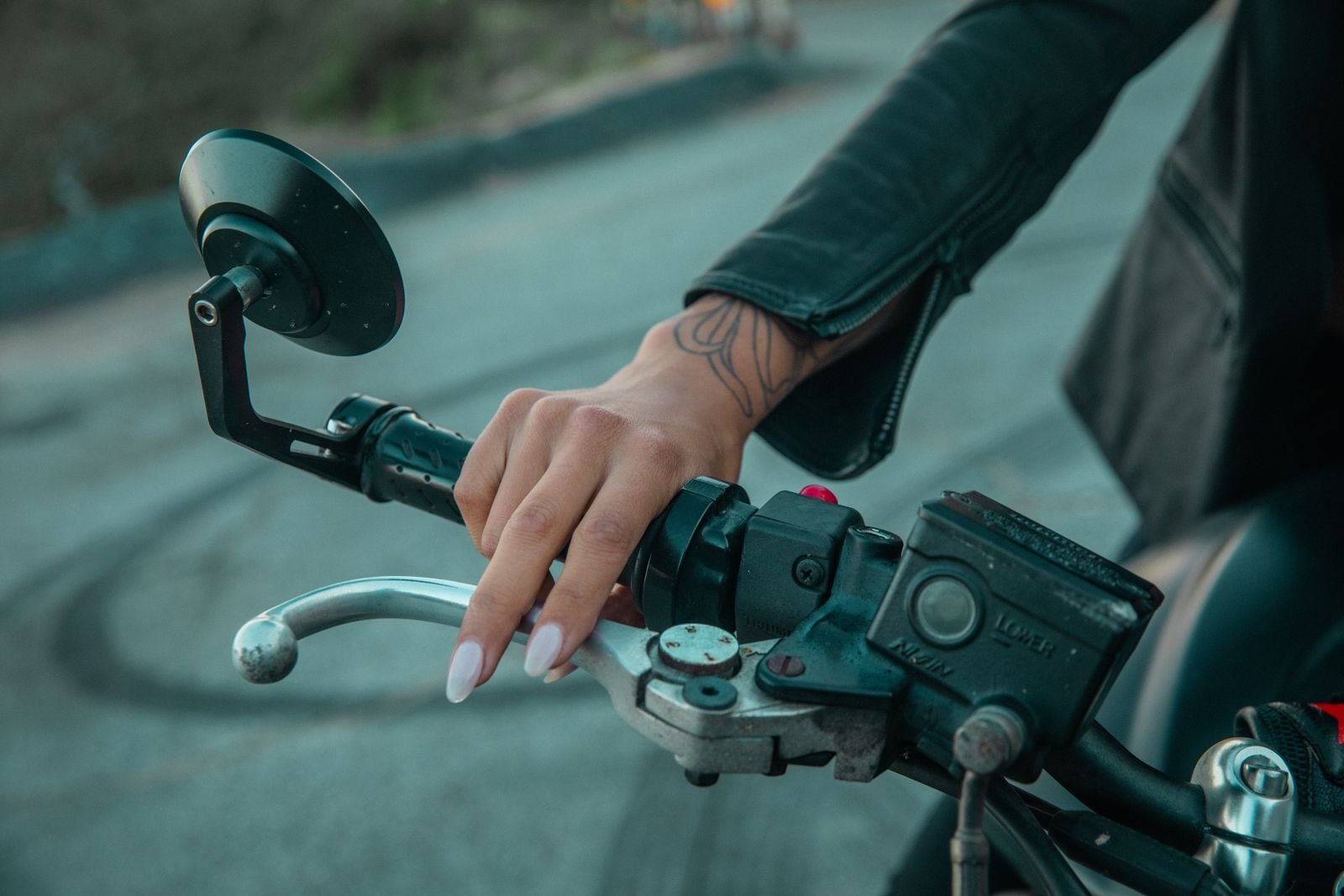
The reverse gear and the parking brake deserve a check of their own. Reverse is usually a button or a lever that only works at very low speed. The parking brake stops the machine rolling away on a slope. Try both on the test ride.
What works
- Use the lowest power mode in slow traffic
- Test reverse and the parking brake on the test ride
- Check the mirrors, display and controls are easy to reach
What to watch
- Reverse that only works sometimes needs a dealer check
- A parking brake that does not hold is a fault
- Do not ride with a control that sticks or changes by itself
When the answer is a different three-wheeler, a part or a dealer visit
Some three-wheeler problems have a simple fix, and some need a different machine. A trike that will not fit your storage can sometimes be solved with a folding model. But a trike that needs a licence you do not hold, or is too heavy to push and park, is the wrong machine.
| Fix | Best use | Limit |
|---|---|---|
| Swap to a folding trike | No garage space, or a narrow gate | Usually smaller range and lower speed |
| Add a rear storage box | Carrying shopping on a trike that has none | Adds weight; stay within the load limit |
| Fit a windscreen | Cold rides on a trike with no wind protection | Must fit your exact model |
| Dealer service or adjustment | Brakes, steering or reverse that feel wrong | Book ahead; do not ride on with a brake fault |
| Ask the local authority | A licence question you do not understand | Do not ride until you have the answer |
What works
- Keep the manual and the licence answer with the machine
- Ask a dealer to check brakes, steering or reverse before buying used
- After any fix, start with a short, slow ride
What to watch
- A cheap folding trike too slow for your roads is the wrong fix
- A storage box fitted without checking the load limit adds rear weight
- Do not ride a three-wheeler a dealer told you to stop using
Storage is often the deciding factor, and a folding trike solves it for riders with no garage.

The verdict
A 3 wheel motorcycle for adults is worth buying when it fits your licence, your strength and your storage, and when you have test-ridden it at low speed. When any of those three checks fails, the right answer is a different three-wheeler, not a bigger one.
Readers also ask
Do you need a motorcycle licence?
It depends on where you live and on the size of the machine. Many larger three-wheel motorcycles need a motorcycle licence or a three-wheel endorsement; some small electric trikes and low-power mopeds do not. Check with your local authority first.
Are three-wheelers safer than two-wheel bikes?
They are more stable at stops and at low speed, because three wheels hold the machine upright without balancing. They are still open to the weather and to traffic, with no crash protection like a car, so a helmet still matters. See Helmets and Safety Gear.
Can a three-wheeler go on the motorway?
It depends on the engine size and the local rules. Small 50cc machines are often not allowed on motorways; larger petrol trikes usually are. Check the top speed and the local rules first.
Do three-wheelers have reverse?
Some do and some do not. Reverse is common on larger petrol trikes and some electric trikes, and it helps in tight spaces. Check the listing and try it on the test ride.
How much does a three-wheeler cost?
Prices vary widely. A small folding electric trike costs far less than a large petrol trike with a 200cc engine, so the type matters more than any single price. Set your budget after the licence and storage checks.
Is a three-wheeler good for older riders?
Yes, for many older riders the stability is the main benefit: no balancing at stops, steady braking, and a comfortable seat. The weight still matters, so test-ride first and choose a model with a parking brake and reverse where possible.
Affiliate Disclosure: We may earn a commission when you buy through links on this site, at no extra cost to you.
Additional Details
Name: 3 Wheel Motorcycle for Adults: What to Know Before You Buy
Description: Learn what to know before buying a 3 wheel motorcycle for adults: types, licences, checks, and the three-wheelers that suit stability-first riders best.
Published: November 17, 2026