Part of our guide on Scooters.
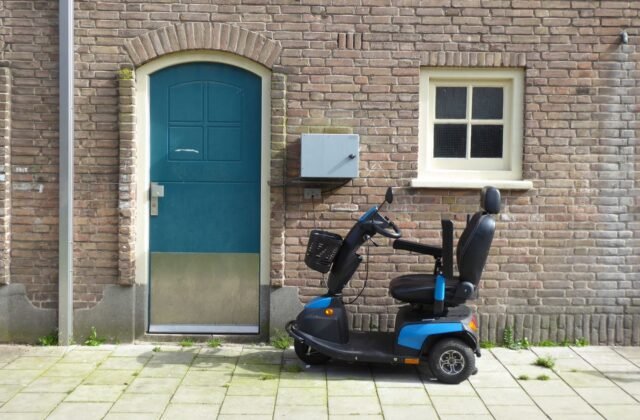
A trike scooter for adults has three wheels — usually two at the back and one at the front. The extra wheel is the whole point: it stands up on its own at a stop, it does not tip when you turn at low speed, and it carries a seat, a basket and a rider who wants to sit rather than stand. That is why they suit riders who want stability first — older riders, riders with a weak knee, and anyone who wants to ride to the shops without worrying about falling over.
This guide shows how to choose one that fits: the checks that take ten minutes, the types on sale, and the point where a different model is the right answer.
Quick facts
| Fact | What it means for your ride |
|---|---|
| What this guide covers | A three-wheel scooter for an adult: electric models with a seat, and kick models |
| Check first | The wheel layout, the seat height, the weight limit, and the folded size |
| Who it suits best | Riders who want stability at low speed, a seat, and storage for daily trips |
| Most common mistakes | Buying on top speed alone, skipping the weight limit, or choosing a model that will not fit through the door |
| Stop and get help | A cracked frame, a loose steering column, or a battery that swells or smells strange |
| Related guides | Three-Wheel Moped for Adults, Electric Scooter Won’t Charge, Scooter vs E-Bike for Commuting |
Quick recap
- Start with the wheel layout and the seat: a trike that stands on its own, with a seat you can reach flat-footed.
- Match the weight limit to the rider plus anything in the basket; a limit close to your weight is already too small.
- Range and speed are measured on flat ground with a light rider; expect less on hills or with a full basket.
- Check the folded size and the weight if it has to go in a car boot or through a narrow door.
- A trike is steadier than a two-wheel scooter at low speed, but it still tips if you take a corner too fast.
The short answer: choose the trike that fits your body, your roads and your storage
The best trike scooter for an adult is the one you can sit on with both feet flat, steer without leaning, and store where you live. A foldable electric trike with a seat, a backrest and a basket covers most daily trips: it stands on its own, carries shopping, and folds small enough for a car boot. A kick trike suits short, flat trips and riders who want a lighter machine.
Two trikes can both claim a 15-mile range and feel nothing alike: one has a seat you can adjust and brakes you can reach; the other has a fixed seat and a throttle that jumps. Check the fit first.
How to choose a trike scooter for adults, step by step
Work through these steps in order, and note your height and weight, your roads, and where the scooter will live.
- Measure the rider first. Note your height, weight and load, and compare them with the maker’s weight limit and seat height range.
- Pick the wheel layout. Two wheels at the back gives a wide, stable base and room for a basket; two at the front feels narrower.
- Decide electric or kick. An electric trike suits daily trips and hills; a kick trike suits short, flat trips, but it needs a rider who can push while standing.
- Check the seat and the handlebars. The seat should adjust to your height, and the brakes should be reachable.
- Read the range the honest way. A claimed range is measured on flat ground with a light rider — take off a third for hills or a full basket.
- Measure the storage space and take a test ride. Fold the trike, measure the car boot, and ride a short, flat route to check it stands steady and stops straight.
What you’ll need
- A tape measure, for the seat height and the folded size
- Your weight plus anything you carry, to compare with the maker’s limit
- The manual, or the label on the trike, for the weight limit and the tyre size
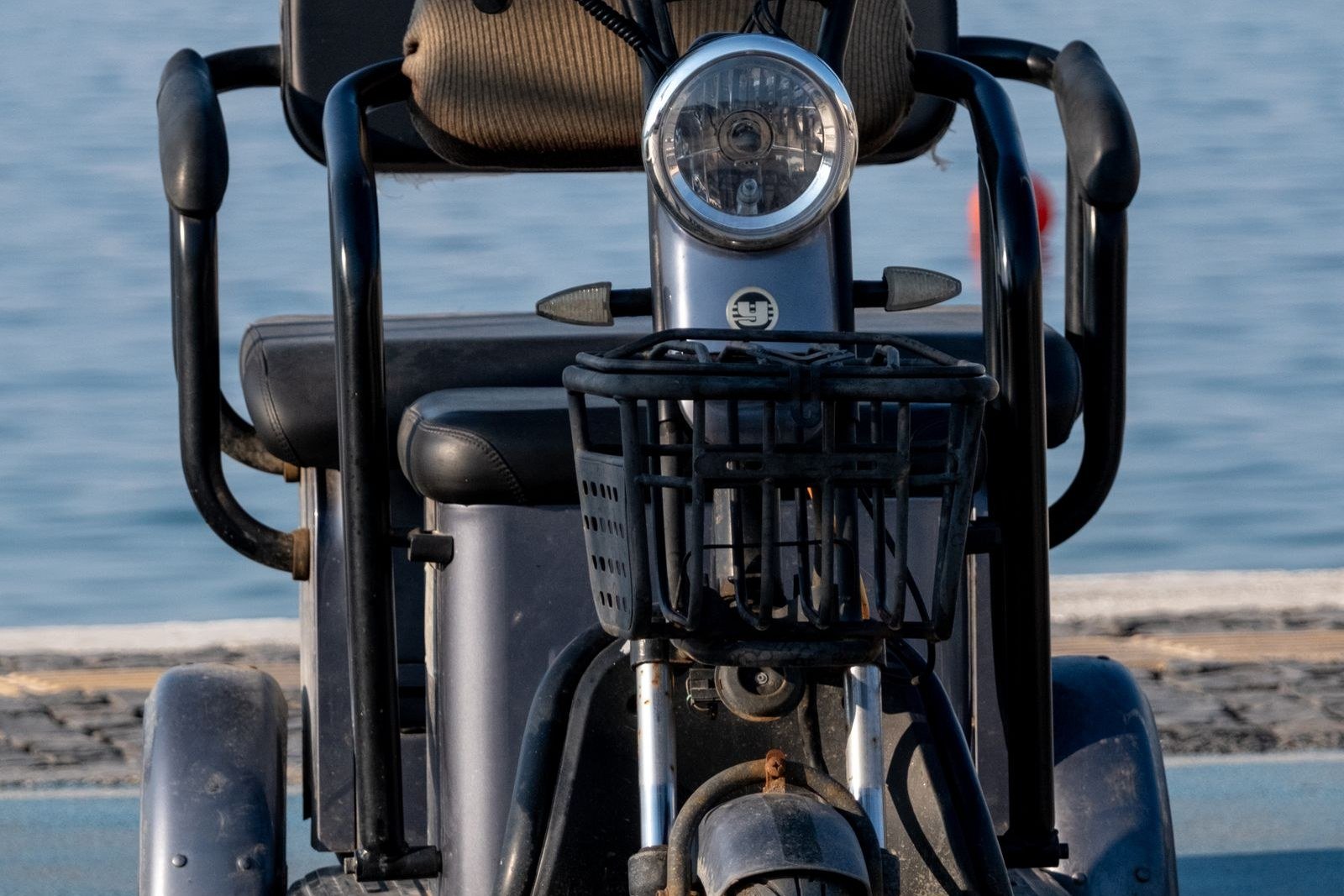
One Amazon product in this section only: the foldable trike below has a seat and a backrest. Check its weight limit and seat height against your own measurements first.

What each trike scooter type usually means
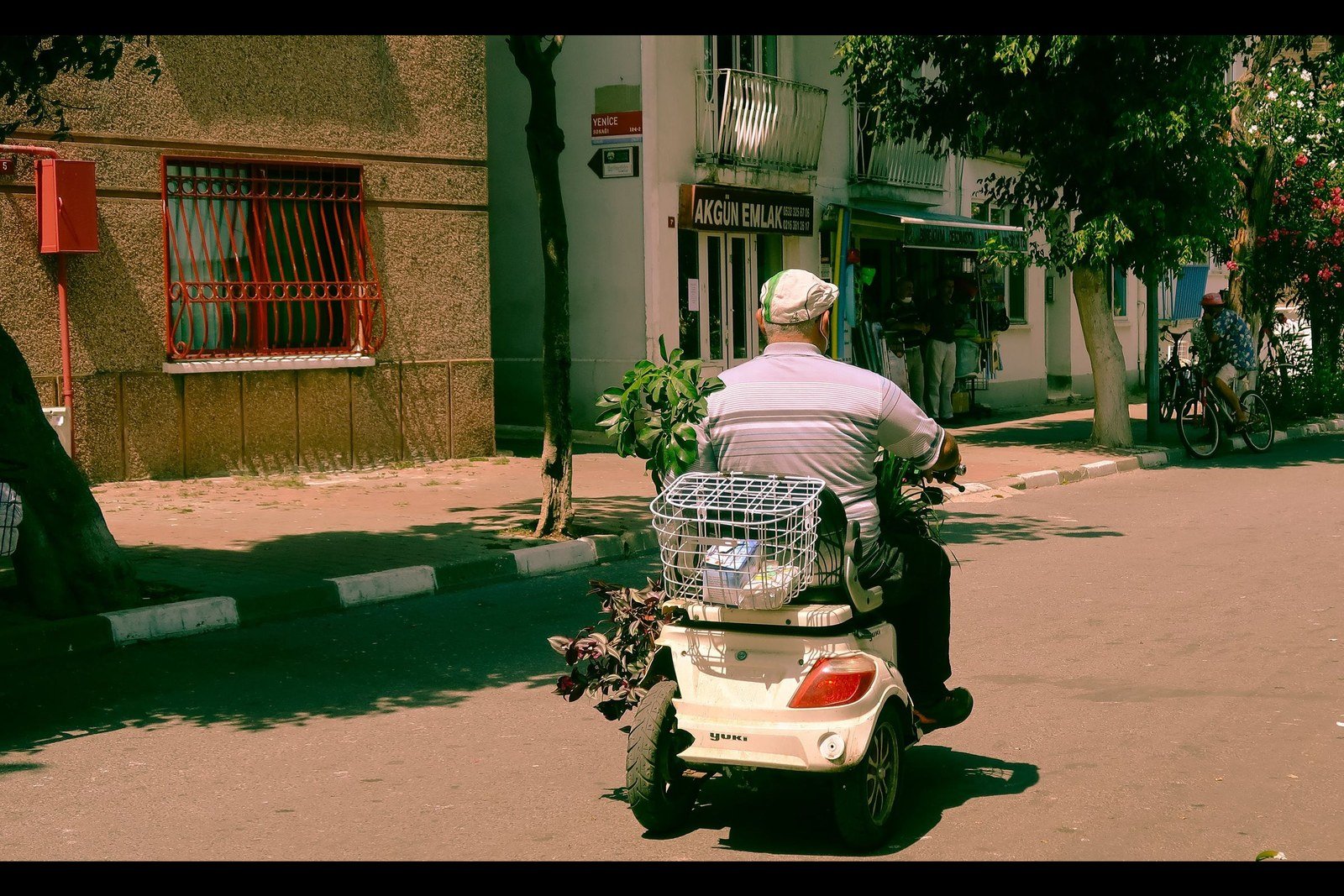
Use this table to match the type you are looking at with what it is good for. If a trike shows frame or steering damage, get help.
| Type | What you’ll notice | What to try |
|---|---|---|
| Foldable electric trike with seat | Folds for a car boot and carries a basket | Check the folded size, the weight, and the seat adjustment |
| Heavy-duty mobility trike | Higher weight limit and wider seat, slower top speed | Check the weight limit first, then the turning circle |
| Kick trike scooter | Light, no battery to charge, pushed with one foot | Check the deck height and the brake |
| Three-wheel moped style | Faster, with road lights and mirrors; needs a licence in some places | Check the local rules before you buy |
| Cheap no-name trike | Low price, vague weight limit, no manual | Walk away if the weight limit, battery size or maker is not stated |
The trike below folds and has a removable battery, which charges indoors.

How rider size, roads and storage change the answer
The same trike can feel like a different machine for a tall rider, on a steep hill, or in a small flat. A seat that is too high leaves your feet dangling, a tight weight limit leaves no room for shopping, and a cold morning cuts the range.
What works
- Sit on the trike, or check the seat height range, before you pay
- Choose a weight limit at least 20 percent above the rider and the usual load
- Pick larger, softer tyres for rough roads; they grip better and ride softer
What to watch
- A top speed that is too fast for pavements and shared paths
- A folded size quoted without the basket or handlebars, which may not fold
- A range quoted with a light rider on flat ground
Settings and controls that change how a trike scooter rides
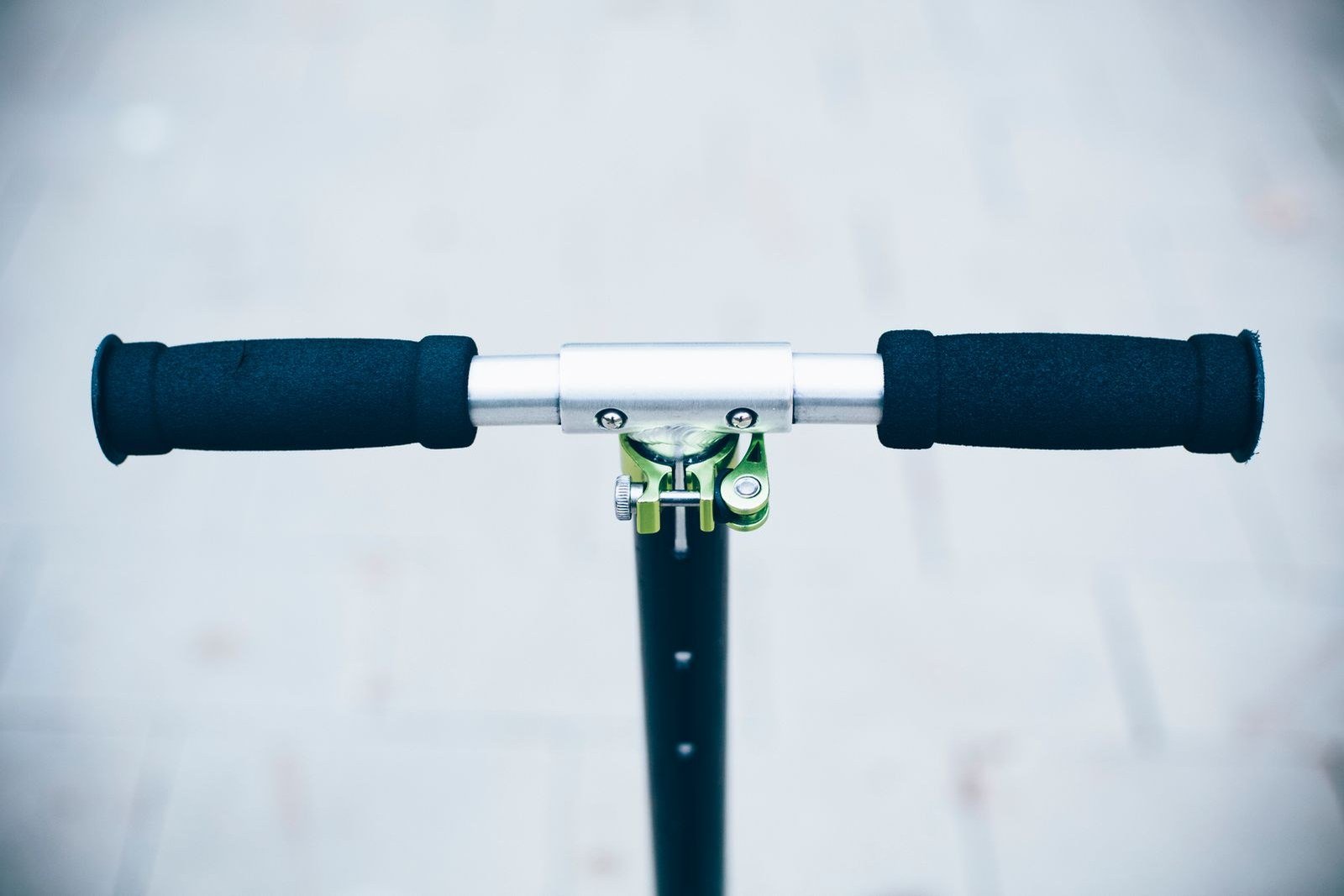
Before deciding a trike is slow or twitchy, check the settings that decide how it rides. Speed mode is the biggest one: the lowest mode can feel calm and steady, while the highest can feel jumpy. The display matters too: its battery bars measure charge, while a range estimate is only a guess.
What works
- Use the lowest speed mode that keeps the trip comfortable, and save the highest for open paths
- Compare the battery bars on the same route, on similar days
- Check the throttle returns to off when you let go, and both brakes stop the trike straight
What to watch
- A throttle that sticks, a brake that pulls to one side, or a display that resets: get it checked first
- A range estimate that changes wildly is a guess, not a measurement
- Do not ride with a loose steering column or a wobbling wheel
When a fix needs a part or a different trike scooter
Some trike problems have a simple fix; some need a part or a different model. Soft tyres can be pumped up and a loose basket tightened, but a cracked frame or a swelling battery cannot be fixed at home.
| Fix | Best use | Limit |
|---|---|---|
| Pump the tyres to the pressure on the sidewall | Soft ride, short range, or pulling aside | Will not help a cracked tyre or a leaking valve |
| Tighten the basket, seat and handlebar bolts | Rattles, a wobbling seat, or a loose basket | Do not overtighten; check the manual |
| Replacement battery | Range stays far below normal after all checks | Must match voltage, connector and maker approval |
| New tyres | Worn tread, cracks, or poor grip in the wet | Must match the sidewall size; get a shop to fit them |
| Professional check | Cracked frame, loose steering, or an unexplained fault | Do not ride with a damaged frame or steering |
What works
- Keep the manual and the trike label with the trike
- Ask a shop to test a weak battery first
- After any fix, take a short, slow ride and check it stands steady
What to watch
- A cheap battery that only fits the plug can damage the trike
- A second-hand battery can carry the same fault
- Do not keep charging a battery a shop told you to stop using
If the fix is a different trike, the model below is a heavier-duty three-wheel scooter with a higher weight limit.

The verdict
Most adults choose well by picking a trike they can sit on with both feet flat, with a weight limit above the rider and the usual load, and with a folded size that fits where it will live. When those three fit, the range and speed take care of themselves.
Readers also ask
Are trike scooters for adults stable?
A three-wheel scooter is steadier than a two-wheel scooter at low speed and at a stop, because it stands on its own. It can still tip on a fast corner, so slow down.
Do I need a licence for a trike scooter?
It depends on the model and where you ride. A kick trike and a low-speed electric trike are usually treated like a scooter or a bicycle, but a faster moped-style model may need a licence.
How far can an electric trike scooter go on one charge?
Most adult electric trikes claim 10 to 25 miles on flat ground with a light rider. Hills, cold weather and a full basket cut that number, so take off a third.
Can a trike scooter fold for a car boot?
Many foldable models fold, but the folded size and the weight vary a lot. Measure the folded size and your car boot, and lift the trike once.
What weight limit should I look for?
Choose a limit at least 20 percent above the rider’s weight plus the usual load. A tight limit leaves no margin and wears the motor faster.
Affiliate Disclosure: We may earn a commission when you buy through links on this site, at no extra cost to you.
Additional Details
Name: Trike Scooters for Adults: How to Choose One That Fits
Description: Learn how to choose trike scooters for adults: three-wheel stability, seat fit, weight limits, range and controls, and when a different model fits better.
Published: November 17, 2026