Part of our guide on Scooters.
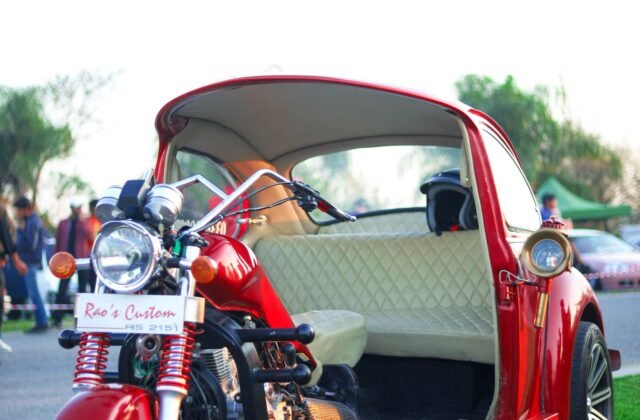
An enclosed scooter for adults is a scooter with a roof, a windshield and bodywork around the rider, so rain, wind and road spray stay outside. Most have three or four wheels, a seat instead of a standing deck, and an electric motor. They suit adults who ride in bad weather, who want the stability of extra wheels, or who find a two-wheel scooter hard to balance.
This guide explains how enclosed scooters work, who they suit, and how to check one before you buy. For charging faults, read Electric Scooter Won’t Charge; for three-wheel machines without a cabin, read Three-Wheel Moped for Adults.
Quick facts
| Fact | What it means for your ride |
|---|---|
| What it is | A scooter with a roof, windshield and bodywork |
| Who it suits | Adults who ride in all weather |
| Check first | Where you may ride it |
| Common surprises | Wider and heavier; rules vary |
| Power | Most are electric |
| Stop and get help | Cracked bodywork or a swelling battery |
| Related guides | Electric Scooter Won’t Charge, Three-Wheel Moped for Adults, Mopeds and Trikes |
Quick recap
- An enclosed scooter has a cabin: roof, windshield and bodywork.
- The cabin keeps rain off, but adds width and weight.
- Most are electric, built for short local trips.
- Local rules decide where you may ride one.
- Measure your door and storage first.
- Match battery, charger and tyre size.
The short answer: a roof and bodywork change the ride more than the motor does
An enclosed scooter suits an adult who wants to ride in rain without getting wet, and who values stability over speed. The cabin is the point: a roof and windshield keep the weather off, and three or four wheels keep it upright at low speed. The motor matters less, because most are built for short local trips, not for fast roads. A cabin also adds width and weight.
How to tell if an enclosed scooter fits your needs, step by step
Work through these steps in order, and note what you find: the width of your door, the height of your storage space, and the places you actually ride.
- Measure the door and the parking space. Measure the narrowest door, the storage height and the turning space, then compare them with the model’s width and height.
- Sit in it, or check the seat and legroom. Seat height, distance to the controls and room for your legs decide whether a short trip stays comfortable.
- Check the door and the windows. Open and close the door, and look through the windshield from the seat. A sticking door is a daily problem.
- Look at the wheels and the clearance. Three wheels turn tighter; four wheels feel steadier on uneven ground. A low cabin can catch on kerbs.
- Check the battery and the charger. Find where the battery sits, how it charges, and whether it can be removed.
- Try the brakes and steering at low speed. On a flat, quiet stretch, test the brakes from a slow roll and turn both ways.
- Ask where you may ride it. Rules vary by country, state and city. Ask your local authority before you buy.
If every step looks normal and the scooter still feels wrong, trust that feeling and try a different model.
What you’ll need
- A tape measure, for the door, the storage space and the scooter
- Your manual, or the label on the scooter, for width, height, battery and charger details
- The charger that came with the scooter, and a dry place to charge it
- A notebook for the measurements and the answers about local rules
- A dry cloth, for wiping the windshield and side windows after wet rides
One Amazon product in this section only: the enclosed two-seater below is the kind of cabin scooter this guide is about. Check its width and height against your door before you order.

What the enclosed body changes
Use this table to match what you notice with what to try first. If the battery looks damaged, skip the table and get help.
| Situation | What you’ll notice | What to try |
|---|---|---|
| Windows fog in rain | Windows mist up | Wipe them dry and check the seals |
| The scooter feels wide | You slow for gates | Measure the body, not the wheels |
| It will not fit the door | The cabin catches on the frame | Fold the mirrors and measure again |
| It feels slow on a hill | Speed drops on slopes | Check the load limit and charge |
| It is hard to see behind | A shoulder check shows bodywork | Adjust the mirrors from the seat |
| Range falls sooner than expected | The same trip needs a charge sooner | Check tyre pressure, load and temperature |
| Water collects inside | Damp floor or a musty smell | Check the seals and dry the cabin |

How weather, roads and storage change the answer
Rain is why most people buy one, and the cabin does its job: a roof and windshield keep the worst of a shower off. But rain finds the weak points: a leaking seal or a fogging window shows up on the first long wet ride.
Cold matters too: a cold battery gives less range in the morning, and a windshield fogs when warm breath meets cold glass. A cabin scooter is heavier than an open one, so soft ground and kerbs are harder work, and it needs a dry, covered space.
What works
- Storing it under cover, with the cabin dry after wet rides.
- Wiping the windows dry before cold or wet rides.
- Charging indoors, and letting a cold battery warm up first.
- Planning shorter trips on very cold days.
What to watch
- Do not judge range from one cold ride alone.
- Do not charge a damp scooter, or leave a battery in a hot cabin.
- Do not force a sticking door; check for ice or a swollen seal.
- Do not park on soft ground after rain.
Settings and controls that affect the ride
Before deciding it is slow, check the settings. A low-speed mode can halve the top speed, and a rider who changed it by accident can mistake that for a weak motor. A seat set too far forward crowds your knees.
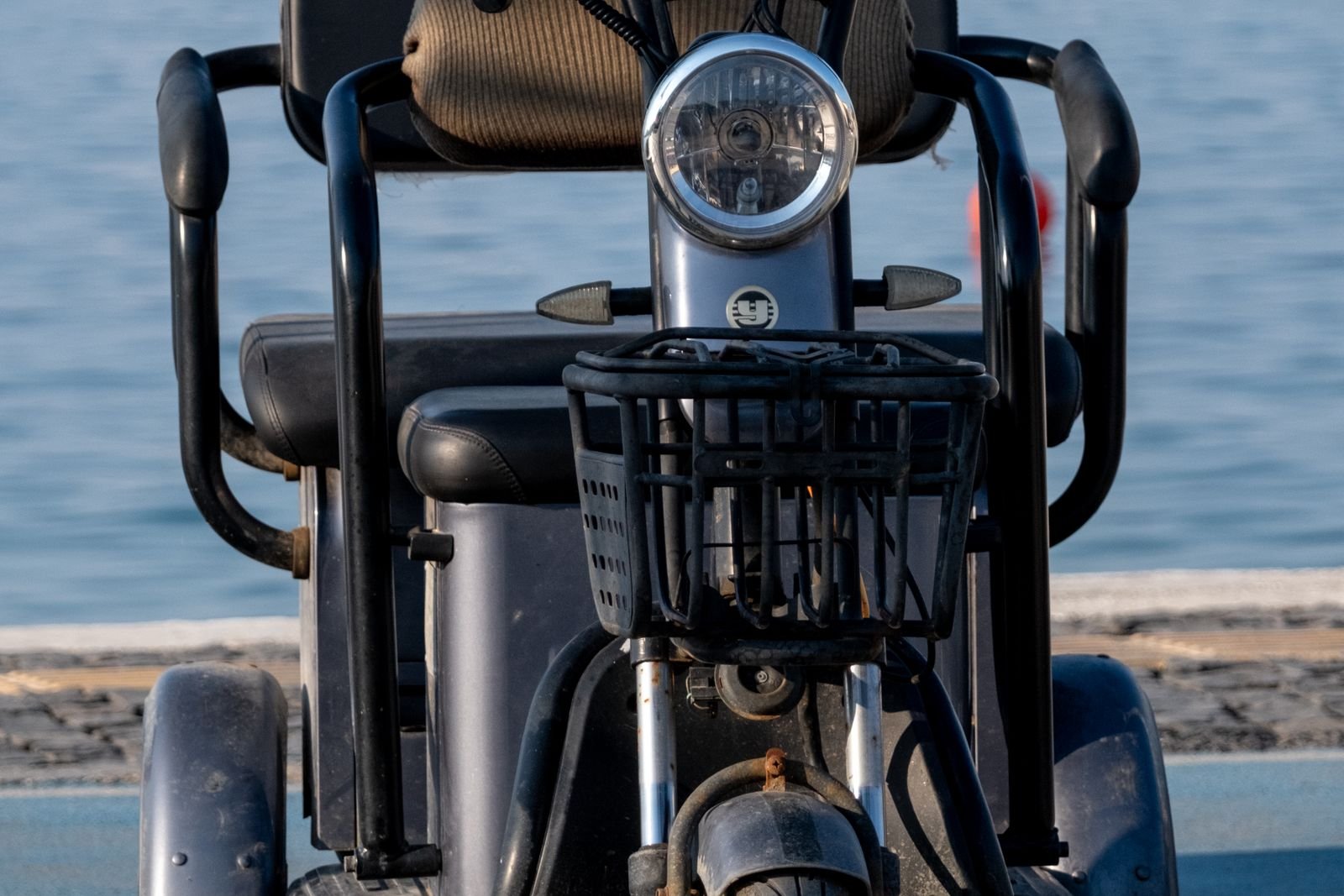
The throttle, brakes and lights sit within reach, and a control that sticks is a fault. Mirrors are your only view behind you, so adjust them from the seat before every ride.
What works
- Using the lowest safe speed mode, and the highest only on open ground.
- Adjusting the seat and mirrors before every ride.
- Checking the lights, indicators and horn before you set off.
- Starting at a known charge level, so a change in range is easy to spot.
What to watch
- A speed that drops suddenly points to a fault.
- A shaking mirror is not a small problem on a cabin scooter.
- Do not ride with a throttle or brake that sticks; get it checked first.
When a fix needs a part or a different scooter
Some problems have a simple fix, and some need a part. A fogging windshield can be wiped and a loose mirror tightened. A cracked panel or a weak battery needs a part, and a swelling battery is a job for a qualified shop.
| Fix | Best use | Limit |
|---|---|---|
| Wipe the windows | Windshield fogs in cold or wet rides | Will not help if the seals leak |
| Tighten a mirror | Mirror shakes or will not hold its angle | Must match the mount |
| Adjust the door and seals | Door sticks or lets water in | Will not help if the panel is cracked |
| Replacement battery | Range stays low after all checks | Must match voltage and connector |
| Replacement tyre | Soft tyre or worn tread | Must match the sidewall size |
| Professional diagnosis | Swelling, heat, or smell | Do not open a damaged battery |
What works
- Keeping the manual with the scooter.
- Asking a shop to test a weak battery first.
- After any fix, starting with a short, slow ride.
What to watch
- A cheap battery that only fits the plug can damage the scooter.
- A second-hand scooter with no history can carry the same fault.
- Do not keep charging a battery a shop has condemned.
Tyre pressure is one of those cheap causes.

The verdict
An enclosed scooter is right when staying dry and stable matters more than speed or size, and wrong when the cabin cannot fit your door or storage. Measure first, check the local rules, and buy the cabin that fits.
Readers also ask
Can an enclosed scooter be used in the rain?
Yes, that is what the cabin is for: the roof, windshield and bodywork keep most rain and spray off the rider. The windows can still fog, so wipe the glass after wet rides.
Do you need a licence for an enclosed scooter?
It depends on where you live and on the scooter’s speed and power. Some places treat them like mobility scooters, some like low-speed vehicles. Ask your local authority before you buy.
How fast does an enclosed scooter go?
Most are built for short local trips at low speed, and the top speed varies by model. A low speed mode can make a capable scooter feel slow.
Can two people ride an enclosed scooter?
Only if the model is made for two, with a second seat and a load limit that covers both riders. A single-seat cabin scooter should not carry a passenger.
Where do you store an enclosed scooter?
Under cover, in a dry place with room to open the door, and near a socket for charging. Measure the door and the storage space before you buy.
What should I check before buying an enclosed scooter?
Measure your door and storage space, sit in it to check the seat and legroom, test the door and the view through the windshield, and ask your local authority where you may ride it.
Affiliate Disclosure: We may earn a commission when you buy through links on this site, at no extra cost to you.
Additional Details
Name: Enclosed Scooters for Adults: How They Work and Who They Suit
Description: Enclosed scooters for adults keep you dry with a roof, windshield and bodywork. Learn how they work, who they suit, and what to check before you buy one.
Published: November 17, 2026