Bike Gadgets and Accessories Hub
Short answer: Do not buy a used e-bike until you know whether a replacement battery exists for that exact model and year. A used e-bike is a used battery with a bicycle attached, and on an orphan brand — a brand that has gone out of business — the battery is usually the one part nobody else makes. A worn-out battery on a well-supported bike is a better buy than a healthy battery on an orphaned one: a tired pack on a supported bike is a known, bounded cost you can negotiate off the price, while a healthy pack on an orphaned bike only means the bike has an unknown number of years left before it becomes a heavy bicycle. Check availability first, condition second — and decide your walk-away price before you go to see the bike, low enough to absorb a replacement battery.
A lot of direct-to-consumer e-bike brands from the last boom no longer exist. Their bikes ride fine right up until a proprietary part fails, and then the owner discovers that the battery, the display, or the controller was only ever sold by a company that has closed its doors. That is the whole problem with an orphan brand: everything else on the bike is a bicycle part with a known price and a shop that can fit it, but the pack is not.
This guide works through the checks in the order that matters, and the three buys — under $15, under $25, and $150 and up — that make each check possible. The first tells you how far the bike has really gone, the second tells you what shape the battery is in, and the third is the replacement itself. Prices are as of November 24, 2026 — check the current price on Amazon before you buy, because prices change.
Under $15: find out how far the bike has really gone — Park Tool CC-3.2 Chain Checker ($12.85)
The cheapest useful thing you can take to a used e-bike viewing is a chain wear gauge, and it costs less than a pizza. It settles the mileage question in ten seconds, and the mileage question matters because the odometer reading on a used e-bike is a claim, not a fact. Displays can be swapped and controllers can be replaced, so the number on the screen tells you what the seller wants you to believe. Wear on the parts that touch the road is much harder to fake, and the chain is the first place to look.
The Park Tool CC-3.2 measures wear on all 1/2-inch pitch bicycle chains, and the numbers are simple. A chain under 0.5% elongation on a chain gauge is lightly used. A chain past 0.75%, and skipping under load, is heavily used. And a brand-new chain on a worn cassette is suspicious — it usually means the seller has dressed the bike up rather than maintained it. Check the cassette teeth next: symmetrical, square profiles mean light use, while hooked, shark-fin shaped teeth mean heavy use, and a new cassette paired with a worn chainring is another warning sign.
Work through the rest of the wear table while you are there. Brake pads should have clear material above the backing plate; pads nearly down to metal mean heavy use, and new pads on a grooved rotor mean the seller replaced the cheap part and left the expensive one. Rotors should be smooth and above the minimum thickness stamped on them; ridged, thin, or blued rotors have been cooked by heat. Tires should have a rounded profile with visible tread — a squared-off centre with casing showing means many miles, and new tires can hide rim damage, so look at the rims too. Grips and saddle show polish with light use and wear through, foam exposed, with heavy use.
The right way to read all of this is as one story. A single new part is normal maintenance. Several new consumables bolted onto a clearly high-mileage bike is a seller dressing it up, and it should make you look harder at everything they did not replace — which is the battery. Conversely, a bike with genuinely light wear across every row and a claimed low mileage is telling you a consistent story, and that is what you want to find.
While the gauge is in your hand, look for a crash, not for scratches. Cosmetic scuffs are meaningless. Structural damage on an e-bike is not, because these frames carry more weight and more force than the same tubing would on a regular bike. Get the bike in good light and go over it deliberately. Paint cracking at the toe of a weld is the classic tell — check the head tube junctions, the dropouts, the chainstay and seatstay joins, and especially around the motor mount and the battery cutout in the down tube. Those cutouts are stress concentrations, and cracks there are terminal. On aluminium, look for a crease or a ripple in the down tube, which means a front impact. Check that the fork stanchions are not scored and that a suspension fork does not have oil weeping down the legs. Sight the bike from directly behind: both wheels should track in one line. Spin each wheel and watch for a wobble and for loose or broken spokes — rear wheels on hub-drive bikes take a beating, and spoke tension there is worth a shop’s attention. Grab the motor and try to move it. Mid-drive mounts should be dead solid; any play is a bolt problem at best.

Under $25: test the battery properly — SUPNOVA 7–100V Battery Monitor ($19.99)
The battery is the purchase, so treat it as most of your decision. Start with how old it is and how hard it has worked. Look for a manufacture date printed on the pack — usually a sticker or a laser etch, sometimes a coded string. Calendar age matters independently of use, because lithium cells degrade sitting on a shelf, faster if they sat full or sat hot.
If the bike runs a major-brand system, a dealer can plug it in and read out actual pack health and charge cycles. That diagnostic is the single most valuable thing you can get before buying, and it is worth paying a shop for an hour of their time, or asking the seller to meet you there. On generic systems with an unbranded display, no such data exists and you are inspecting by hand — which is exactly where a battery monitor earns its keep. The SUPNOVA monitor reads voltage and remaining capacity for 7–100V lead-acid and lithium-ion packs, so it covers 24V, 36V and 48V e-bike batteries, and it gives you a number to compare against what the bike’s own display claims.
Inspect the pack physically before you ride. No swelling anywhere — a case that no longer sits flush in its cradle is a hard no. No corrosion, green residue, or pitting on the contacts. No rattling when you tip it gently — loose cells inside mean it has been dropped or badly rebuilt. No cracks at the mount points, no signs of water having gotten in. Look for a safety certification marking on the pack; certified packs and chargers are a meaningfully different fire risk profile from uncertified ones. If the pack has been opened, rebuilt, or has cells from a different brand than the label, walk. Amateur pack rebuilds are the ones that make the news.
Then test the pack under load, not on a bench, because a pack at rest tells you nothing. Ask the seller to have it fully charged when you arrive, then ride the bike hard — up the steepest hill nearby, at full assist, for several minutes. Watch the display. A healthy pack holds its charge indicator reasonably steady and does not cut out. A tired one drops two bars in the first climb, or throws an error and shuts down when you demand current. Ask for the original charger and check that it is the correct one for the pack. Mismatched chargers do slow damage and are also a hazard. For more on looking after a pack once it is yours, see our guide to commuter e-bike batteries, and for what bad charging can lead to, the New York charging rules are a useful warning.

$150 and up: the replacement battery itself — SEENRONGYUAN 48V 15Ah ($151.99)
Before you spend anything on a replacement, do the brand check from your couch, before you drive anywhere. Search the brand, find their parts page, and check whether a battery for that specific model and year is listed and in stock. Then call a local bike shop and ask whether they will service it. This is the check that decides whether the bike has a future, and it costs nothing.
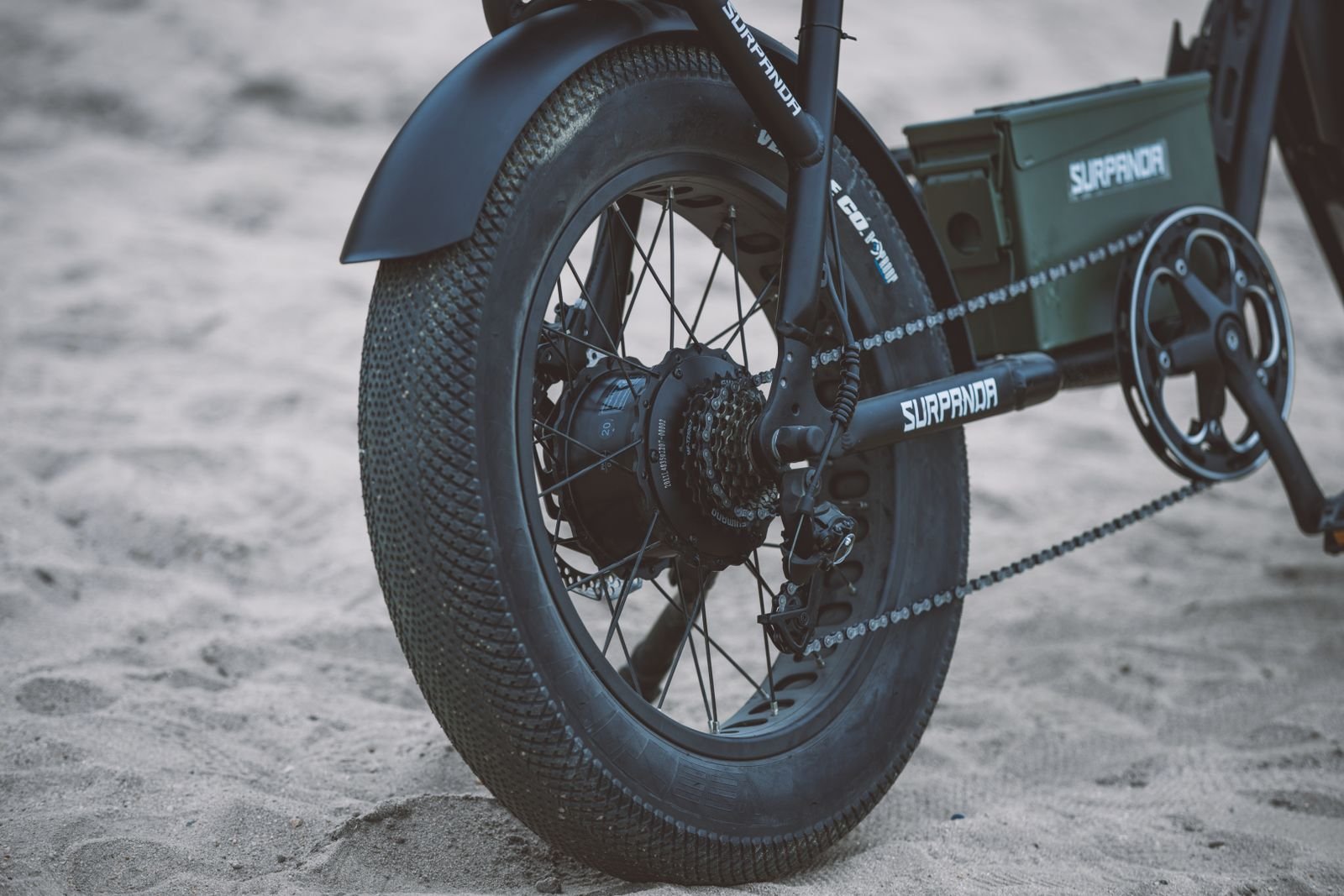
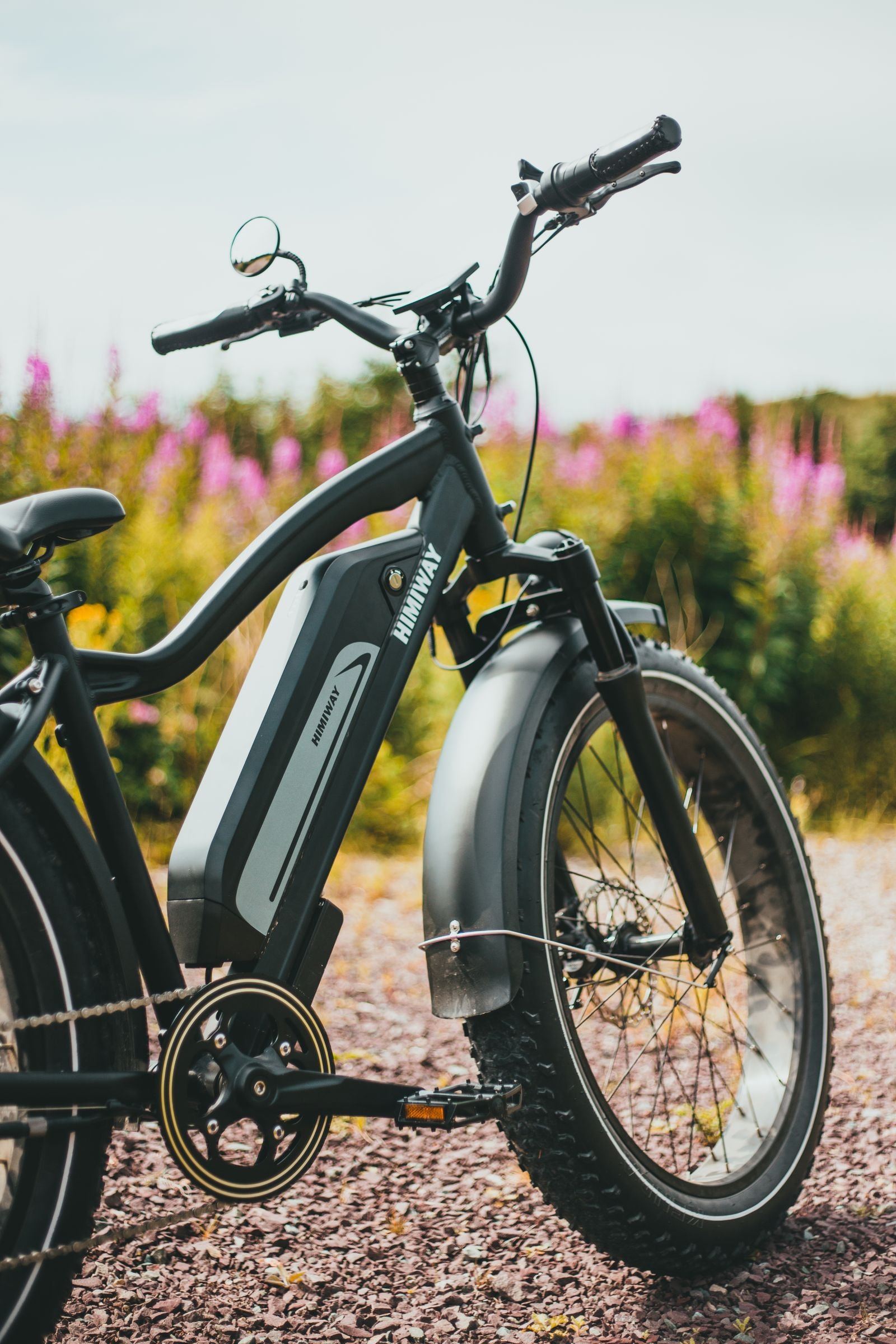
What you are really checking is replaceability, and the parts fall into two groups. The battery pack comes only from the brand, or a specialist rebuilder — verify it is currently listed for sale, with a price you would accept paying. The display and controller are usually proprietary and often the true dealbreaker, so verify that a replacement exists at all. The motor is replaceable on major systems, and sometimes a generic equivalent exists for unbranded hub motors, but only if it is a known unit rather than a house-brand mystery. The charger can be a brand unit or a matched third-party one, as long as the voltage and connector are correct and it is certified. Drivetrain, brakes and tires are standard bike parts any shop can fit. Frame-integrated lights, sensors and locks are proprietary and frequently unavailable, so decide whether you would tolerate them staying broken.
A generic silver-fish pack like the SEENRONGYUAN 48V 15Ah fits bikes with a silver-fish mount and a matching 48V system, and at $151.99 as of November 24, 2026, it turns a tired pack from a disaster into a bounded cost you can negotiate off the asking price. But be plain about the limit: a generic pack only fits where the mount, voltage and connector match. If the bike’s pack is a proprietary frame-integrated unit, no generic pack will fit it, and the only sources are the brand — which is gone — or a specialist rebuilder. In that case the honest answer is that no compatible battery exists for that orphan brand, and the bike is worth buying only at a price that treats it as a heavy bicycle once the pack dies.
That is why the walk-away price matters more than the asking price. Decide it before you see the bike, and set it low enough to absorb a replacement battery. If the pack turns out to be healthy, you got a bargain. If it does not, you already paid for the fix. Every used e-bike purchase that goes badly went badly because someone budgeted for a bike and bought a battery.

All three picks compared
| Pick | Price | What it checks | Buy it when |
|---|---|---|---|
| Park Tool CC-3.2 Chain Checker | $12.85 | Chain wear — the real mileage | Every used-bike viewing; it settles the mileage question in ten seconds |
| SUPNOVA 7–100V Battery Monitor | $19.99 | Battery voltage and remaining capacity | The bike has a generic system with no dealer diagnostic |
| SEENRONGYUAN 48V 15Ah Battery | $151.99 | Nothing — it is the replacement itself | The pack is tired and a silver-fish 48V pack fits the bike |
Prices as of November 24, 2026. Prices change — check the current price on Amazon.
Who should skip each one
Skip the chain checker if you already own a chain wear gauge, or if you are buying new — it only earns its keep on a used bike, where the odometer is a claim and the wear is the evidence. If you are viewing several used bikes in one week, though, it pays for itself on the first one that turns out to have twice the mileage the seller claimed.
Skip the battery monitor if the bike runs a major-brand system and you can get a dealer diagnostic instead. A shop reading out actual pack health and charge cycles tells you more than any handheld meter, and it is worth paying a shop for an hour of their time. The monitor is for the bikes where no such data exists — generic systems with an unbranded display, which is most orphan-brand bikes.
Skip the replacement battery if the brand is still alive and sells the exact pack for your model and year — buy the brand pack, because it is guaranteed to fit and it keeps the bike as the manufacturer built it. Skip it too if the bike’s pack is a proprietary frame-integrated unit: no generic pack will fit, and buying one anyway just leaves you with a battery you cannot mount. And skip all three if the bike fails the walk-away checks below — no tool fixes a swollen pack, a cracked frame, or a ground-off serial number.
Frequently asked questions
Can I still get a battery if the brand is dead? Sometimes. A specialist rebuilder may be able to rebuild the pack, and a compatible generic pack fits if the mount, voltage and connector match — the silver-fish format is the common one. But if the pack is a proprietary frame-integrated unit, there is usually no replacement at all, and you should say so plainly and price the bike accordingly.
How do I know the real mileage of a used e-bike? Measure the chain. A chain gauge reading under 0.5% elongation means light use, and past 0.75% with skipping means heavy use. Back it up with the cassette teeth, brake pads, rotors, tires and grips — wear across all of them tells one consistent story, while a brand-new chain on a worn cassette tells you the seller has dressed the bike up.
What does a dealer diagnostic tell me? On a major-brand system, a dealer can plug in and read out actual pack health and charge cycles — the single most valuable thing you can get before buying. On generic systems with an unbranded display, no such data exists, and you are inspecting by hand and testing under load instead.
When should I walk away from a used e-bike? Walk away if the pack is swollen, corroded, rattling, or has clearly been opened; if there is no charger, or the charger does not match the pack; if the brand is gone and no replacement battery or display exists; if there is a crack in paint at any weld, or a crease in the down tube; if the serial number has been tampered with; if the seller will not allow a real test ride, or insists the battery is “at home charging”; or if anything about the story does not line up with the wear on the bike.
Should I buy a used e-bike without a test ride? No — refuse to buy without one, and allow fifteen minutes minimum, because things that only appear when components warm up are exactly the things a short lap hides. Start it cold and listen for clicks, grinding or a rising whine. Cycle every assist level. Ride over rough ground under power and watch for cutouts. Climb something at full assist and watch for fade or error codes. Brake hard from speed with both levers separately. Shift through the whole range under a bit of load. Check the display for stored error codes before you hand anything over. Bring five things: a chain wear gauge, a tire pressure gauge, a bright flashlight, your phone for the registry lookup, and a multitool.
How do I check the bike is not stolen? Find the serial number — usually stamped under the bottom bracket shell, sometimes on the head tube or a dropout. If it has been ground off, filed, or painted over, the conversation is finished. Check it against the free stolen-bike registries, Bike Index and Project 529, which takes seconds on a phone. Ask for the original receipt or purchase confirmation; a legitimate seller usually has an email at minimum. Meet somewhere public and well-lit, and be wary of a seller who will not give you the serial before you show up.
Additional Details
Name: Buying a Used E-Bike With an Orphan Brand Battery That Is No Longer Available
Description: Buying a used e-bike with an orphan brand battery? Check battery availability first, test the pack under load, and budget for a replacement.
Published: November 24, 2026