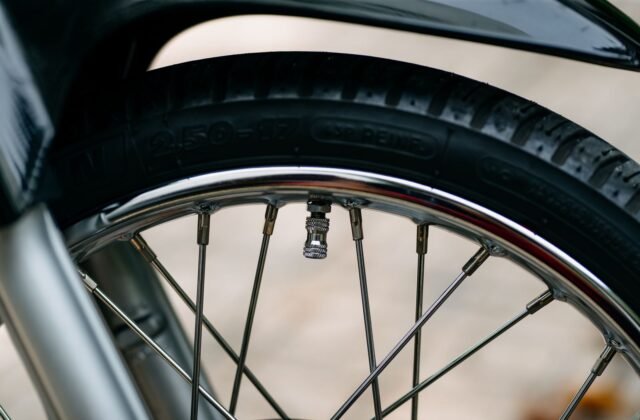
Mountain Bikes Hub — The mullet formula: 29-inch wheel on the front, 27.5-inch wheel on the rear. The rim sizes differ by 1.5 inches in diameter, so the rear axle sits 0.75 inches — about 19 mm — lower than a 29-inch rear wheel would, before tyres. That explains the conversion: the back drops, the front keeps its rollover, and the bike does two jobs at once. Business up front, party out back.
The Key Numbers
- 29 inches: the front wheel: rugged-terrain angle of attack, speed holding, traction.
- 27.5 inches: the rear wheel: lighter weight, faster acceleration, quicker changes of direction.
- 1.5 inches: the diameter difference between the two wheels.
- 0.75 inches (about 19 mm): the radius difference — how much lower the rear axle sits than a 29-inch rear wheel, before tyres. Arithmetic from the two rim sizes, not a measured figure: the real drop depends on tyre width, which the source does not specify.
- 1 requirement: disc brakes — without them, the conversion does not work at all.
- 2017 and 2018: Greg Minnaar won the downhill world cup on a 29er V10 in 2017, the first rider to win the cup on 29-inch wheels, and Amaury Pierron won three races and the world cup on a 29er the following year.
27.5 Inches vs 29 Inches: What Each Size Does
Small changes in wheel size change how a mountain bike performs, so here are the two sizes.
| Trait | 27.5-inch wheels | 29-inch wheels |
|---|---|---|
| Weight | Lightweight | Heavier |
| Acceleration | Faster acceleration | Slower to accelerate |
| Agility | More agile | Less agile |
| Stiffness | Generally stiffer | — |
| Centre of gravity | Lower centre of gravity | Higher |
| Rough terrain | Less stable on uneven ground | Resistant to volatile terrain, lower angle of attack |
| Speed holding | Loses speed | Great at maintaining speed |
| Ride feel | Livelier | Smoother riding |
| Traction | Smaller contact patch | More traction (larger contact patch) |
| Braking | — | Better braking |
Neither size is simply better. A rider on a techy trail will probably wish they had brought 27.5-inch wheels, and a rider halfway down a rocky trail will wish for bigger wheels. The mullet tries to have both: the 29-inch front keeps the rugged-terrain angle of attack, while the 27.5-inch rear gives the nimble back end.
What Decides Whether a Mullet Works, Ranked
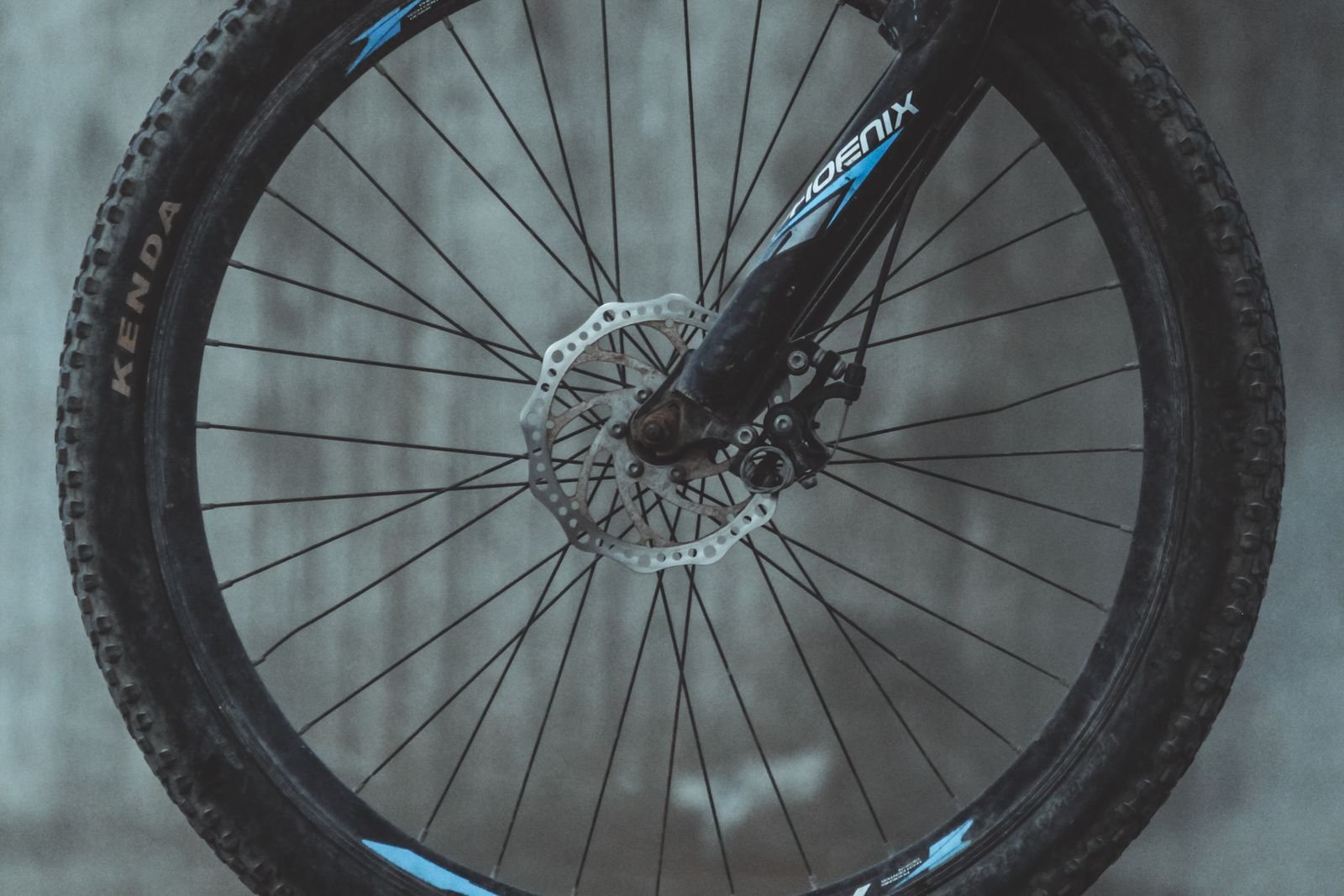
1. Disc brakes — the hard requirement. Putting 27.5-inch wheels on a 29er frame only works if the bike uses disc brakes rather than v-brakes. Rim brakes are positioned for one wheel size and will not line up with a smaller rim. Almost all electric mountain bikes use disc brakes, so most riders will not have to worry. Check that your wheels have discs — the big metal circles in the centre of the wheel with holes drilled into them.
2. Pedal and frame clearance — the problem with no easy solution. Smaller wheels lower the frame and pedals closer to the ground, a real problem on uneven ground, especially since smaller wheels in general are less stable. There is no easy solution. The conversion is usually done by riders looking for agility rather than rocky-terrain riding, so the downside shows less — but it does not disappear. If your trails are rocky and rough, the dropped rear end will catch you out.
3. The terrain you actually ride. The mullet suits technical, twisty riding, where the agile rear wheel earns its keep, and less on rocky terrain, where the smaller rear wheel is less stable and the lower pedals are closer to the rocks. Match the conversion to your trails, not to the trend.
4. The front fork — no change needed in the easy direction. When you downsize the rear wheel on a 29er, the front stays exactly as it is. The fork only matters in the other direction: fitting a 29-inch wheel to a 27.5-inch frame usually means changing the entire front fork, a big commitment needing specialised tools.
5. Cost — sometimes a new bike is the better decision. For the hard direction, the source is direct: for most people, it is probably better just to get a new bike instead of forcing a bigger wheel onto a frame that was not built for it.

Worked Example: Two Riders, Two Answers
Rider A rides a 29er hardtail on techy, twisty trails and wants tighter handling. The answer is yes. Keep the 29-inch front wheel, fit a 27.5-inch rear wheel, and check two things first: disc brakes, and enough pedal and frame clearance for the lower rear end. The job needs no new tools or expertise — it is no different from a regular wheel change. The rear drops by the 0.75-inch radius difference, the front keeps its rollover, and the bike turns quicker. The trade-off is real: the rear is less stable on rough ground, so avoid rocky terrain until you know how the bike behaves.
Rider B rides a 27.5-inch bike and wants a 29-inch front wheel for the rollover. The answer is: possible, but hard. Most 27.5-inch frames lack the wheel clearance for a 29-inch wheel. If the bike is a full-suspension mountain bike, it may be possible to change the entire front fork, and a few 27.5-inch frames are fully compatible with larger wheels — but that is not the norm, so check forums to see if anyone else has tried it for your model. Changing the front fork is a big commitment with specialised tools, and it still will not fit a larger back wheel if the frame is not compatible by default, so you end up with a mullet bike anyway. For most people in this position, the source says the better decision is just to get a new bike instead.
Both riders end up on a mullet — Rider A the easy way, by downsizing the rear; Rider B the hard way, by upsizing the front. Same bike; different effort.
Why “Just Swap the Wheels” Is Too Optimistic
The easy story about wheel swaps is true in one direction only. Putting 27.5-inch wheels on a 29er is straightforward, with one requirement — disc brakes — and no new tools. That is where the optimism comes from. But the clearance problem has no easy solution: the smaller wheels bring the frame and pedals closer to the ground, and on uneven ground that is a real problem. Smaller wheels are also less stable in general. And the inverse operation is not a mirror image at all: fitting 29-inch wheels to a 27.5-inch frame is not for riders new to bike modification, most frames lack the clearance, and the fork swap it usually needs is a big commitment. So “just swap the wheels” is good advice for the rear of a 29er and poor advice for the front of a 27.5-inch bike. The direction matters more than the swap.
Three Ways to Get a Mullet
1. Downsize the rear wheel on a 29er — the easiest path. Use the 29er you already own and fit a 27.5-inch rear wheel. Check disc brakes first, then pedal and frame clearance. No new tools, no new expertise, and the front wheel stays untouched. This is the route for riders who want to play around with the feel of different wheels.
2. Swap the front fork on a full-suspension 27.5-inch bike — the hard path. This is the route for a rider who wants a 29-inch front wheel on a 27.5-inch frame. It needs a compatible full-suspension frame, a new fork, specialised tools, and a check that anyone else has done it for your model. Even then, the rear wheel stays 27.5 inches unless the frame fits a bigger one.

3. Buy a bike that already fits the wheels you want. When the conversion means a new fork, specialised tools and a frame that may not fit the wheel at all, the better decision for most people is just to get a new bike instead. A factory mullet, or a 29er you can downsize at the rear, gets you the same bike without the fabrication. And they are not just for show: Dangerous Dan rides a mullet bike in his “Beyond Expert” trail riding video, pulling off some of the most technical riding the authors say they have ever seen.
How Much Do You Actually Need?
For the easy direction, you need: a 29er with disc brakes, a 27.5-inch rear wheel, and enough pedal and frame clearance for the lower rear end. No new tools, no new expertise, no fork change. The rear axle drops by the 0.75-inch radius difference before tyres, and the front keeps its rollover. For the hard direction, you need a compatible full-suspension frame, a new front fork, specialised tools, and a forum check for your model — and you may still end up buying a new bike. Two figures are not published: the exact bottom-bracket drop in millimetres for a specific bike, and the head-angle change, because both depend on tyre widths and frame geometry the source does not give. If a forum post quotes them for your exact bike, check them against your own frame first.

The Verdict
Yes, you can mullet your bike — 29 inches at the front, 27.5 at the rear. The easy way is to downsize the rear wheel of a 29er, which needs disc brakes, clearance, and nothing else. The hard way is to upsize the front of a 27.5-inch bike, which usually means a new fork, and often a new bike instead.
Frequently Asked Questions
Can I put 27.5-inch wheels on a 29er?
Yes, for most bikes. The only requirement is disc brakes rather than v-brakes. Almost all electric mountain bikes use disc brakes, so it is unlikely you will have to worry about compatibility.
Can I put 29-inch wheels on a 27.5-inch frame?
It is much harder. Most 27.5-inch frames do not have enough wheel clearance for a 29-inch wheel. On a full-suspension mountain bike it may be possible to change the entire front fork, but that is a big commitment with specialised tools, and it will not fit a larger back wheel if the frame is not compatible.
What is a mullet bike?
A mullet bike has a 29-inch wheel on the front and a 27.5-inch wheel at the back — business up front, party out back. The big front wheel keeps the rugged-terrain angle of attack, while the smaller rear wheel gives a nimble back end.
Do I need new tools to fit smaller wheels?
No. Putting the smaller wheels on is no different from a regular wheel change, so you will not need any new tools or expertise. That applies to downsizing the rear wheel on a 29er; changing a front fork needs specialised tools.
Are mullet bikes good for downhill?
They can be. The 29-inch front keeps the rollover and speed holding behind Minnaar’s 2017 downhill world cup win and Pierron’s three race wins and world cup in 2018, while the 27.5-inch rear adds agility. But the smaller rear wheel is less stable on rough ground and the pedals sit lower, so the set-up suits technical riding more than rocky terrain. For more on wheel size, see 27.5+ wheels on a 29er fork, 29er vs trail hardtail and 27.5 vs electric mountain bike.
Additional Details
Name: Mullet Bike Conversion: 29 Front, 27.5 Rear — What Actually Changes
Description: Mullet bike 29 front 27.5 rear conversion: the formula, the key numbers, what you need, and why the rear wheel swap is easy but the front fork swap is not.
Published: November 24, 2026