Part of our E-Bikes Hub.
California’s SB 1167 redraws the line between an e-bike and a motor vehicle from January 1, 2027. Signed by Governor Newsom on September 30, 2026, it tightens what counts as an e-bike, forces a label onto every e-bike sold in the state, and puts consequences on motor vehicles wearing an e-bike sticker.
If you ride in California, or you are thinking about buying a high-powered e-bike online, the numbers in this law decide whether your bike is a bicycle or a motor vehicle. This guide works through the formula, the class table, and three worked examples from the law and the City of Sacramento’s e-bike safety and law summary. This article is a summary, not legal advice.
The Formula: What Makes an E-Bike Legal in California
Under California Vehicle Code §312.5, an e-bike is a bicycle with fully operable pedals and a motor of 750 watts continuous or less. Put as a formula:
Legal e-bike = fully operable pedals + motor of 750 W continuous or less + assistance that stops at 20 mph (Class 1 and Class 2) or 28 mph (Class 3, pedal-assist only).
Fail any one term and the device is not an e-bike: it is a motor vehicle, with a licence, registration, plates, a DOT helmet, and no bike lanes or paths.
The limit is continuous watts, not a peak figure on a sales page. A motor rated above 750 watts continuous sits outside the limit, whatever the listing calls the bike.
The Key Numbers, at a Glance
| Number | What it means |
|---|---|
| 750 W | Maximum continuous motor power for an e-bike |
| 20 mph | Speed where motor assistance must stop on Class 1 and Class 2 |
| 28 mph | Speed where motor assistance must stop on Class 3, which is pedal-assist only |
| 16+ | Minimum rider age for Class 3, and the minimum age for an e-moped |
| Sept 30, 2026 | Governor Newsom signed SB 1167 |
| Jan 1, 2027 | SB 1167 takes effect: labels, seller disclosure, and path-removal powers begin |
The Three E-Bike Classes, Side by Side
California sorts e-bikes into three classes.
| Class | How it assists | Top assisted speed | Throttle? | Helmet | Minimum age |
|---|---|---|---|---|---|
| Class 1 | Pedal-assist only | 20 mph | No | Under-18 rule | None stated |
| Class 2 | Throttle or pedal-assist | 20 mph | Yes | Under-18 rule | None stated |
| Class 3 | Pedal-assist only | 28 mph | No | Required for all riders and passengers | 16+ |
Two helmet rules sit on top of the class table: all riders under 18 must wear a CPSC or ASTM helmet, whatever class they ride, and Class 3 helmets are required for all riders and passengers regardless of age.
From January 2027, every e-bike sold must carry a classification label stating its class, top assisted speed, and maximum motor wattage. It is also illegal to modify an e-bike so it no longer meets the legal definition: a bigger motor or an unlocked cut-off speed takes the bike out of the e-bike category, even if the label still says otherwise.

Over the Line: When a Device Becomes a Motor Vehicle
Cross any of the three limits — over 750 watts continuous, assistance faster than 28 mph, or no operable pedals — and the device stops being an e-bike:
| Device | What the law requires |
|---|---|
| E-moped | Age 16 or older, a licence with a motorcycle endorsement, registration and plates, a DOT helmet, and no riding in bike lanes or on bike paths |
| E-moto (off-highway electric motorcycle) | DMV off-highway vehicle (OHV) registration, riding in designated off-highway areas only, and a DOT helmet |
An e-moped is a road vehicle — licence, plates, and a DOT helmet, but kept out of bike lanes and paths. An e-moto belongs in designated off-highway areas, not on the street or a bike path. Neither gets bicycle access: cross the line and the places you may ride shrink while the paperwork grows. SB 1167 follows the same pattern as the San Diego under-12 e-bike ban: sort devices honestly, then match the rules to the device.
What Pushes a Bike Over the Line, Ranked
Ranked by how often each one turns an “e-bike” into a motor vehicle:
1. A motor over 750 watts continuous. The most common tripwire: a bike sold as a 1,000-watt or 1,500-watt machine is over the limit on its face, whatever class the listing claims.
2. No operable pedals. A device with no pedals — or pedals that are decorative and cannot drive the bike — cannot be an e-bike at any wattage. Pedals are part of the definition, not an accessory.
3. Assistance past 28 mph. A bike whose motor keeps assisting past 28 mph is past the fastest legal class — there is no Class 4. Past 28 mph, the device is a motor vehicle, and the e-moped or e-moto rules apply.
4. Modification after purchase. It is illegal to modify an e-bike so it no longer meets the legal definition. A legal Class 2 that is unlocked or re-motored is no longer a Class 2, even if the label is unchanged.
Worked Example: Three Bikes, Three Verdicts
Take three machines that could all appear in the same online search:
Bike A: 750 watts continuous, fully operable pedals, pedal-assist that stops at 20 mph, plus a throttle. Verdict: a legal Class 2 e-bike. It passes all three tests, and the throttle is allowed on Class 2.
Bike B: 1,000 watts, operable pedals, assistance that keeps going to 32 mph. Verdict: a motor vehicle, not an e-bike — it fails two tests at once, over 750 watts and past 28 mph. The rider would need a licence with a motorcycle endorsement, registration and plates, a DOT helmet, and no bike lanes or paths.
Bike C: 500 watts, but no pedals at all. Verdict: a motor vehicle, not an e-bike — despite the modest motor. The wattage passes, but the pedal test is pass-or-fail, and with no operable pedals the device cannot be an e-bike at any wattage.
When you shop, run the same three checks in order — pedals, watts, cut-off speed.

Why “My Bike Has a Label, So I’m Fine” Is Optimistic
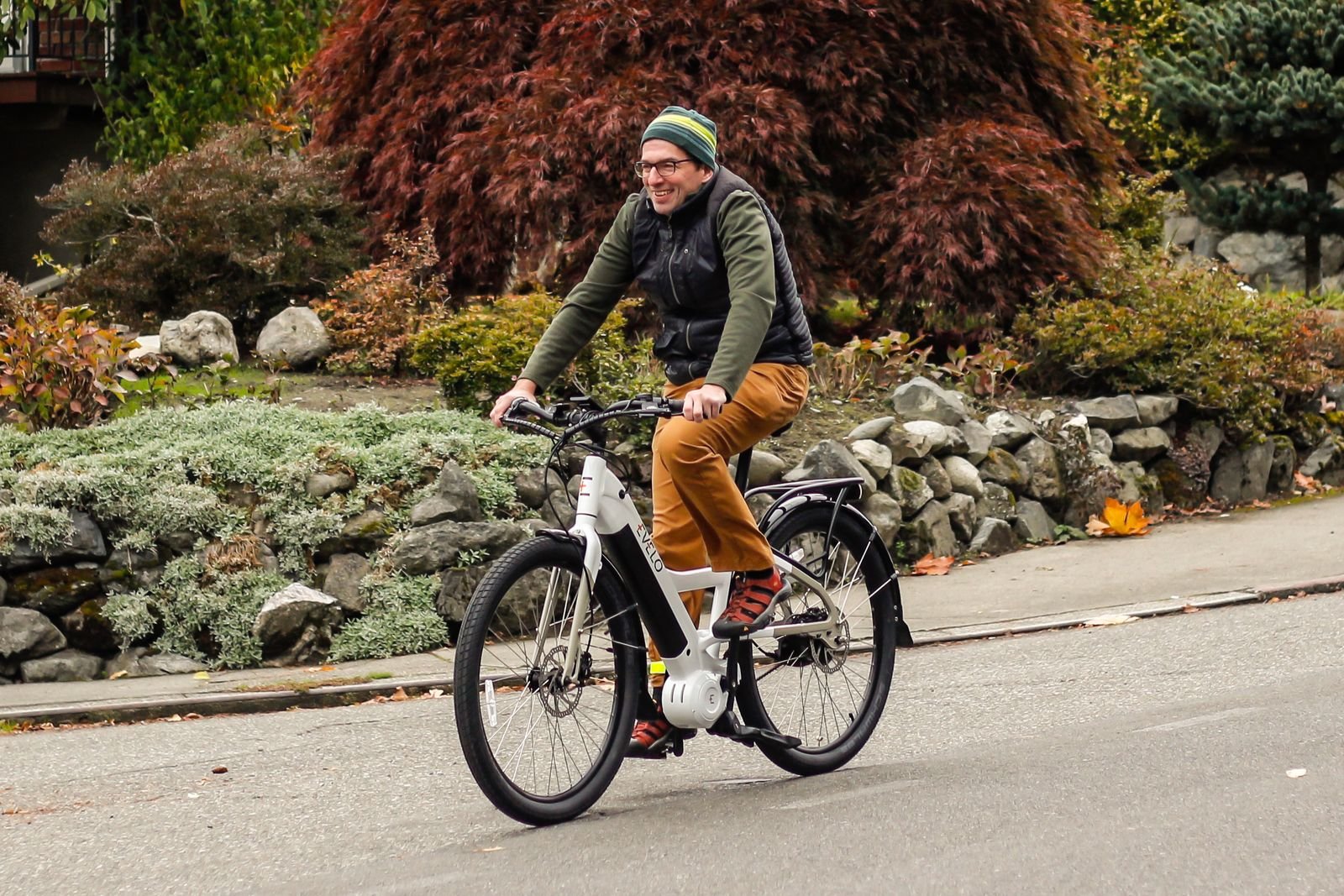
The label rule sounds like it settles everything: from January 2027 every e-bike sold must carry a label stating its class, top assisted speed, and maximum wattage. But a label is a claim, not a measurement, and SB 1167 was written by people who know the difference.
From January 1, 2027, mislabelling a high-powered device as an e-bike is illegal, and sellers must disclose when a product falls under motor-vehicle rules. A seller can no longer put a Class 2 label on a 1,500-watt bike and leave the buyer to find out from a police officer. Law enforcement may also remove unregistered high-speed devices from bike paths and pedestrian areas.
The last piece is the one riders notice least: crash and injury reports must now include the label data — brand, manufacturer, top speed, wattage, classification — and note a missing label. A missing label is itself recorded, and a label that disagrees with the machine is evidence, not protection. The law treats the label as a statement of fact that can be checked — and, from January 2027, as a statement the seller is legally responsible for.
Six Ways to Stay on the Legal Side
Run these checks before you buy, and again after any work on the bike:
1. Read the label first. From January 2027 every e-bike sold must state its class, top assisted speed, and maximum wattage on a label. A new bike with no label, or a label missing one of those figures, is a warning sign, not a detail.
2. Check the pedals are fully operable. They must actually drive the bike. Decorative pedals fail the definition at the first test.
3. Check where the assistance stops. Class 1 and 2 assistance must stop at 20 mph; Class 3 at 28 mph, pedal-assist only.
4. Check the wattage is continuous. Compare the continuous rating, not a peak figure on a sales page.
5. Do not modify the bike out of its class. It is illegal to modify an e-bike so it no longer meets the legal definition — a bigger motor or an unlocked limit changes its legal status, even if the label stays the same.
6. If it is over the line, treat it as a motor vehicle. That means a licence with a motorcycle endorsement, registration and plates, a DOT helmet, and staying out of bike lanes and paths — or, for an e-moto, DMV off-highway registration.

How Much Do You Actually Need?
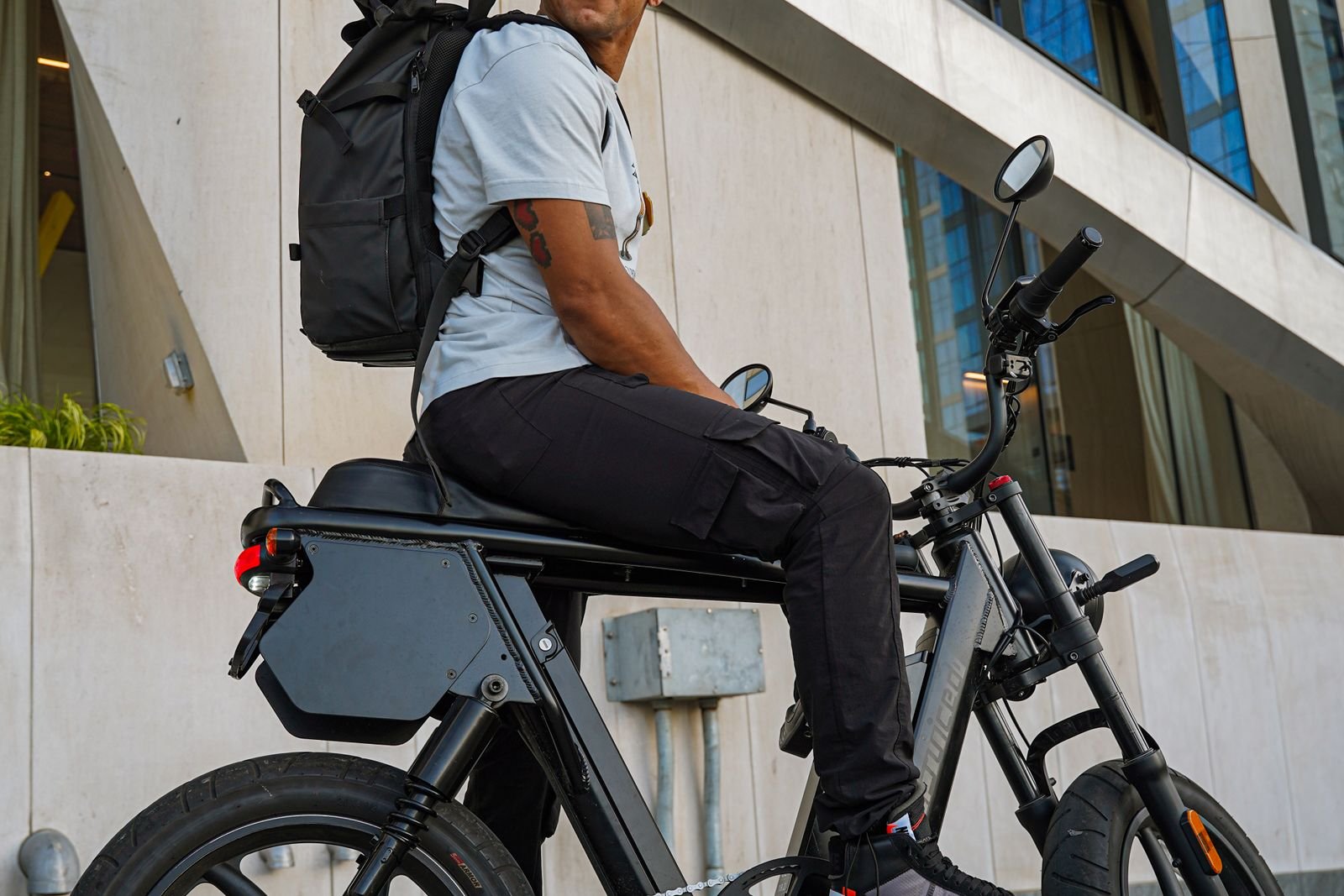
SB 1167 reads like a law about losing something. Read it the other way round and the numbers look generous: a legal e-bike gives you 750 watts continuous and assistance to 20 mph on Class 1 and 2, or 28 mph on Class 3. That covers the riding most people actually do.
What you give up is the part above 750 watts and past 28 mph — and that part costs a licence with a motorcycle endorsement, registration and plates, a DOT helmet, and the loss of bike lanes and paths. So the question is not “how much power do I need?” but “do I want a bicycle or a motor vehicle?” If the answer is a bicycle, 750 watts and 20 or 28 mph is the whole answer — the same sorting instinct as our NYC e-bike charging rules guide.
The Verdict
SB 1167 does not ban fast riding; it sorts devices honestly. From January 1, 2027, a California e-bike is a pedal bicycle with 750 watts continuous or less and assistance that stops at 20 or 28 mph — anything past that line is a motor vehicle, with a licence, plates, a DOT helmet, and no bike path. Run the three checks, read the label, and do not modify the bike out of its class.
Readers Also Ask
When does California SB 1167 take effect?
January 1, 2027. Governor Newsom signed the bill on September 30, 2026.
What is the wattage limit for an e-bike in California?
750 watts continuous, with fully operable pedals, for the device to count as an e-bike under CVC §312.5.
Do I need a helmet on a Class 3 e-bike?
Yes — Class 3 helmets are required for all riders and passengers regardless of age, and all riders under 18 must wear a CPSC or ASTM helmet on any class.
Can I ride an e-moped in a bike lane?
No. An e-moped needs a licence with a motorcycle endorsement, registration and plates, and a DOT helmet — and it may not use bike lanes or paths.
What happens if my e-bike has no classification label?
From January 2027 every e-bike sold must carry a label stating its class, top assisted speed, and maximum motor wattage. Crash and injury reports must include that label data and note when a label is missing.
Additional Details
Name: California SB 1167 E-Bike vs E-Moto 2027 Law: What Changes on January 1
Description: California SB 1167 e-bike vs e-moto 2027 law: the 750W limit, class rules, labels, helmets, and what turns an e-bike into a motor vehicle from Jan 1, 2027.
Published: November 24, 2026