
Helmets and Safety Hub > Helmet straps and fit system
The straps on your helmet have gone slack, the rear dial spins without biting, or the fit system that once held the helmet steady now lets it slide. Can it be saved with a part swap, or is it finished? The Bicycle Helmet Safety Institute gives a blunt answer: if you cannot adjust the helmet to fit correctly, replace it.
This guide works through the BHSI checks in order — the sticker, the foam, the shell, the fit. BHSI publishes no procedure for swapping straps or fit-system parts, so this article invents none.
Quick facts
| Question | Short answer |
| Straps loose or fit system broken — repair or replace? | Replace the helmet — a helmet you cannot adjust to fit correctly must be replaced, and BHSI gives no strap-repair procedure. |
| Does a helmet expire? | No. Foam in an uncrashed helmet performs well for many years — a 2015 study of 675 used helmets found no significant performance change with age. |
| What do manufacturers say? | Most recommend replacement after five years, some after three. BHSI says some of that is marketing. |
| Does sweat damage a helmet? | No. The standards do not permit a helmet that degrades from sweat. |
| Does sun damage a helmet? | The shell, yes. Fading or small cracks around the vents mean the UV inhibitors are failing. |
| After a crash? | Replace immediately if your head hit. The foam is one-time use and stays crushed. |
Quick recap
- A helmet that cannot be adjusted to fit correctly is a replace, not a repair — that is BHSI’s own rule.
- Age alone is not a reason to replace: lab tests of 675 used helmets showed the foam still protected.
- Cracked foam, a missing sticker and a sun-damaged shell are all replace triggers on their own.
- Sweat does not kill a helmet. Sunlight can kill the shell. A crash kills the foam even when nothing looks broken.
The short answer: if the fit system cannot hold the helmet in place, replace the helmet
The short answer: if your helmet’s straps are worn loose or the fit system is broken and you cannot adjust the helmet to fit correctly, replace the helmet. That is the Bicycle Helmet Safety Institute’s rule — the only rule in its guide on this: “Can you not adjust it to fit correctly? Replace!!” A helmet that slides is not protecting your head, and BHSI gives no procedure for swapping straps or fit-system parts.
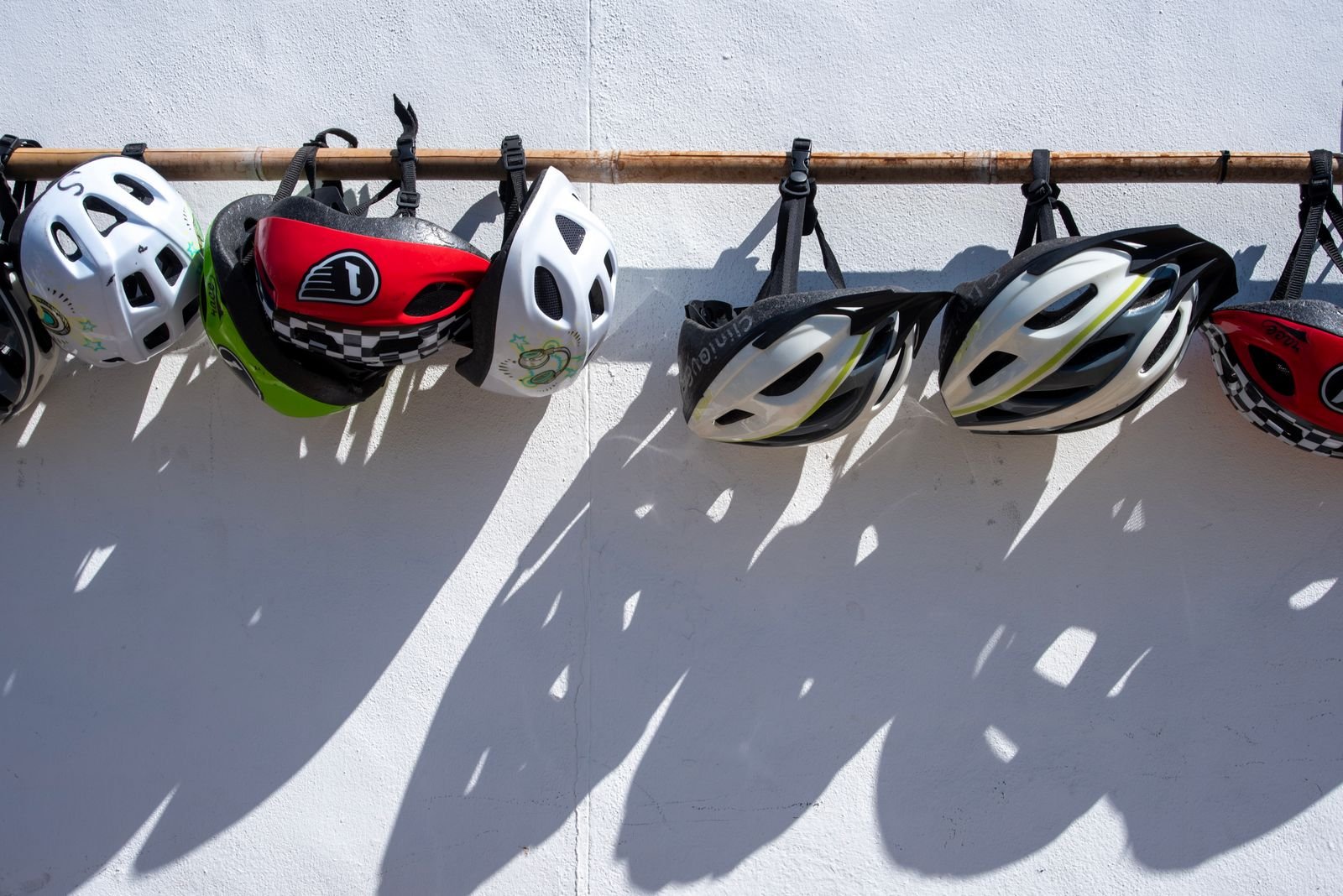
Rule of thumb: the fit test decides, not the calendar. A helmet that fits and is undamaged is still a helmet; a helmet that will not stay put is finished, whatever its age.
How to check a loose strap or broken fit system, step by step
Check this first: Put the helmet on, adjust it as you normally would — straps snug, dial tightened until the helmet sits level — then shake your head gently. If the helmet slides however you adjust it, the retention system has failed the only test that matters.
What you’ll need: Nothing to buy — the helmet, a well-lit spot, and five minutes. Do not buy straps, dials or buckles before the checks below.
- Look for the standards sticker inside. Find the CPSC, ASTM or Snell sticker. No sticker means replace the helmet.
- Inspect the foam for cracks. Look carefully at the foam liner, especially under the thin shell, where cracks hide. Cracks always mean replacement.
- Check the shell for sun damage. Look for fading and small cracks around the vents — the shell’s UV inhibitors are failing, so replace the helmet.
- Work the fit system through its full range. Tighten and loosen the rear dial, pull each strap through its adjuster, fasten the chin buckle. A dial that spins without biting, a slipping strap or a buckle that will not hold means the system has failed.
- Do the fit test again, honestly. Adjust everything to its best setting and shake your head. If the helmet still moves, it cannot be adjusted to fit — BHSI’s bluntest replace trigger.
- Read the date, then set it aside. Find the manufacture date sticker inside the helmet. Note the age, but do not let it decide anything — age alone is a poor reason to replace a helmet that fits.

What each symptom means

| Symptom | What it means | What to do |
|---|---|---|
| Straps slack, will not stay adjusted | Webbing stretched or adjusters worn | Fit test at its best setting; if it still moves, replace it — BHSI gives no strap-repair procedure |
| Rear dial spins without tightening | The fit system’s mechanism has failed | Replace the helmet — a helmet that cannot be adjusted to fit is a replace trigger |
| Buckle will not stay fastened | The retention system cannot hold it on | Replace the helmet — the chin strap is what keeps it on in a crash |
| Foam cracked under the shell | Crash or hard drop damage | Replace immediately, even if the helmet still looks intact |
| Shell faded, small cracks at the vents | Sunlight has beaten the UV inhibitors | Replace the helmet |
How age, use and sun change the answer
Age changes the answer less than most riders expect. In 2015, MEA Forensic crash-tested 675 used but uncrashed bicycle helmets, some 26 years old, and found no significant change in impact performance with age — only a 0.7 g per year rise at the higher drop height. Core samples from 63 helmets confirmed the foam does not deteriorate with age. Helmets do not expire.
Use and sun change the answer instead. BHSI says deterioration depends on usage, care and abuse, and shells deteriorate from constant sunlight — a helmet ridden thousands of miles a year for five years may genuinely be finished. That is why most manufacturers recommend replacement after five years, some after three; BHSI calls some of that marketing, but five years of heavy use is a realistic estimate.
What works:
- Judging the helmet by fit, foam and shell instead of by its birthday.
- Checking the fit every season, because a retention system wears out gradually.
- Storing the helmet out of direct sun.
What to watch:
- Marketing that treats every helmet as dead at three or five years — the lab evidence says otherwise.
- The opposite mistake: keeping a helmet that no longer fits because the foam “looks fine”.
- Helmets from the 1970s or early 1980s — replace immediately.
Worth knowing: Sweat does not damage a helmet: the standards do not permit a helmet that degrades from sweat. Claims about foam “drying out” are, in BHSI’s words, marketing hype to sell a replacement early.
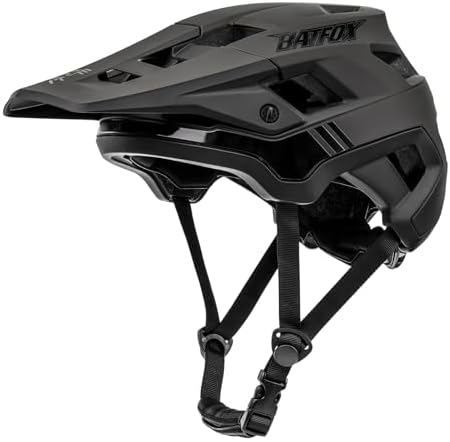
Settings and checks that decide whether the helmet still protects

There are no settings on a helmet the way there are on a bike — the “settings” are the fit adjustments: the rear dial, the strap dividers under the ears, and the chin buckle. Each has one job: keep the helmet level and still. Set the dial so the helmet sits level, the dividers so the straps form a snug V under each ear, and the buckle so the strap is snug under your chin. Then shake your head: if the helmet still slides, the system has failed BHSI’s test.
What works:
- Adjusting the dial and straps every ride for the first week after any change — a slipping system shows up first as a helmet that needs re-tightening mid-ride.
- Checking the foam and shell at the same time as the fit, so a helmet is never kept for its straps while its foam is cracked.
What to watch:
- A dial or buckle that feels different from when the helmet was new — new stiffness, new slack or a new click — is the fit system telling you it is wearing out.
- Any helmet used for an activity it was not certified for — BHSI recommends a helmet designed for that activity instead.
When a fix needs a new helmet
| Fix | Best use | Limit |
|---|---|---|
| Re-adjust the dial, straps and buckle to their best setting | First step for any loose-feeling helmet | Only helps if the system still holds |
| Ask the manufacturer about the model | When the helmet is otherwise sound and you want to know if parts exist for it | BHSI gives no parts procedure |
| Replace the helmet | Fit system broken, foam cracked, shell sun-damaged, no sticker, or any crash where your head hit | Costs a new helmet — the only fix the evidence supports |
What works:
- Replacing the helmet as soon as the fit test fails, rather than riding on with a helmet that slides.
- Choosing the replacement by fit first and standards sticker second: CPSC, ASTM or Snell inside.
What to watch:
- Do not replace a five-year-old helmet that still fits and is undamaged — the lab evidence says it is still protecting you.
- Do not keep a crashed helmet because it looks fine — the foam crushes once and stays crushed.
- Do not trust a helmet with no standards sticker, however new it looks — BHSI lists it as a replace trigger on its own.
The common mistake: letting the calendar decide instead of the fit test. Riders replace a sound five-year-old helmet that still fits, then keep a two-year-old helmet whose dial no longer holds — exactly backwards. The fit test takes five minutes with no tools.

The verdict
Loose straps or a broken fit system mean the helmet cannot be adjusted to fit correctly, and BHSI’s answer is replacement — not a parts swap it never describes. Check the sticker, foam and shell first: any one of those can finish a helmet on its own.
Readers also ask
Can I replace just the straps on a bike helmet?
BHSI’s guide gives no procedure for swapping straps or fit-system parts, and this article invents none. If the straps are worn and the helmet cannot be adjusted to fit correctly, the answer is to replace the helmet — though you can ask the manufacturer whether parts exist for your model.
How do I know if my helmet still fits?
Put it on, adjust the dial and straps to their best setting, and shake your head gently. If the helmet slides no matter how you adjust it, it does not fit.
Is a five-year-old helmet automatically unsafe?
No. A 2015 lab study crash-tested 675 used helmets, some 26 years old, and found no significant performance change with age. Five years is a realistic estimate for a heavily used helmet, but age alone is not a reason to replace.
Does sweat damage a helmet?
No. BHSI says the standards do not permit a helmet that degrades from sweat. Sunlight is the real enemy of the shell, not sweat.
What if I crashed but the helmet looks fine?
Replace it if your head hit. The foam is one-time use: it crushes once and stays crushed, and the thin shell hides the dent.
Additional Details
- Name: Helmet Straps Loose or Fit System Broken: Replace Parts or Replace the Helmet?
- Description: Helmet straps loose or the fit system broken? BHSI says a helmet you cannot adjust to fit must be replaced. What to check first, and when age is not a reason.
- Published: November 24, 2026


