A swollen e-bike battery is not a “keep an eye on it” problem — if the case is bulging, the battery has already failed inside. Stop using it, get it outside away from anything that can burn, and take it to a place that accepts damaged lithium-ion batteries. Do not charge it, ride on it, or puncture it to “let the air out”.
This guide follows the five steps in order, using the City of Calgary’s lithium-battery safety guidance as the worked example, and shows how to find the right drop-off where you live — damaged-battery rules change from city to city.
Jump to: Step 1 — Stop using it · Step 2 — Get it outside · Step 3 — Make it safe to carry · Step 4 — Find where it goes · Step 5 — Hand it over and replace it
If the battery is on fire, smoking, sparking, hissing, making a popping sound, or giving off a chemical smell: leave the area immediately and call 911. Do not handle it. Lithium-ion batteries can catch fire or explode in less than a minute, and the fire gives off toxic gases and burns extremely fast and hot. The steps below are for a swollen battery that is not yet smoking or burning — if anything changes, leave and call 911.
Step 1: Stop using it — and check the warning signs
Stop riding the moment you notice the battery is swollen or bulging, and stop using it if it has changed colour or shape, is damaged or punctured, is leaking, or feels unusually hot. Calgary’s safety guidance is blunt: a battery in any of those states should be replaced and recycled safely and immediately, not ridden “one more time” to see if it settles down. Swelling means gas is building up inside the cells, and the case is the only thing holding it in.
If the battery is on the charger, unplug it first — but only if it is safe to do so; do not reach for one that is hot, smoking, or making noise. Once it is unplugged, do not plug it back in to “test” it — a swollen battery that still turns the display on is still a failed battery. Check the whole pack, not just the bulge: does the case sit flat in its mount, have the seams opened, has the label lifted, does the charging port show corrosion or burn marks? A battery that has been in a crash or exposed to water is suspect even if the swelling is slight. If you are unsure whether it counts as swelling, treat it as swelling.
Step 2: Get it outside, away from anything that can burn
Move the battery outdoors if it is safe to do so, onto a hard, flat surface away from anything flammable, out of direct sunlight, and away from heat. Do not leave it in the garage next to paint cans, petrol, or cardboard, and do not leave it in the house near an exit, a hallway, or a stairwell — a battery fire in an exit route can block your way out, which is why Calgary’s guidance also says never to charge large devices like e-bikes near exits, hallways, or stairwells.
Do not put it in water, in the fridge or freezer, or under a wet towel — cooling the outside does nothing about the gas building up inside. If it is too hot to touch, or it starts hissing or smoking while you move it, put it down, move away, and call 911. While it waits, keep it outside in a dry place, away from other batteries.

Step 3: Make it safe to carry

Remove the battery from the bike if you can do it safely. A swollen pack sometimes jams in its mount, and forcing it out can puncture the case — if it will not come out with normal pressure, leave it on the bike and tell the drop-off staff it is stuck. Do not pry it with a screwdriver or squeeze the swollen area.
Tape the positive (+) terminal with packing, electrical, or duct tape, then put the battery in its own separate, clear, sealed plastic bag. That is Calgary’s preparation routine for every used lithium-ion battery: the tape stops the terminals shorting against anything else, and the bag keeps any leak contained. One battery per bag, and nothing else in it. If the battery is swollen, leaking, punctured, unusually hot, damaged, or subject to a recall, add one more step: put the bagged battery in a plastic bag with non-flammable material such as sand, dirt, or kitty litter, which cushions the pack and absorbs any leak. Then take it to a City of Calgary Eco Centre as soon as you can — damaged batteries should not sit around waiting for a convenient day.
Step 4: Find where damaged batteries are accepted
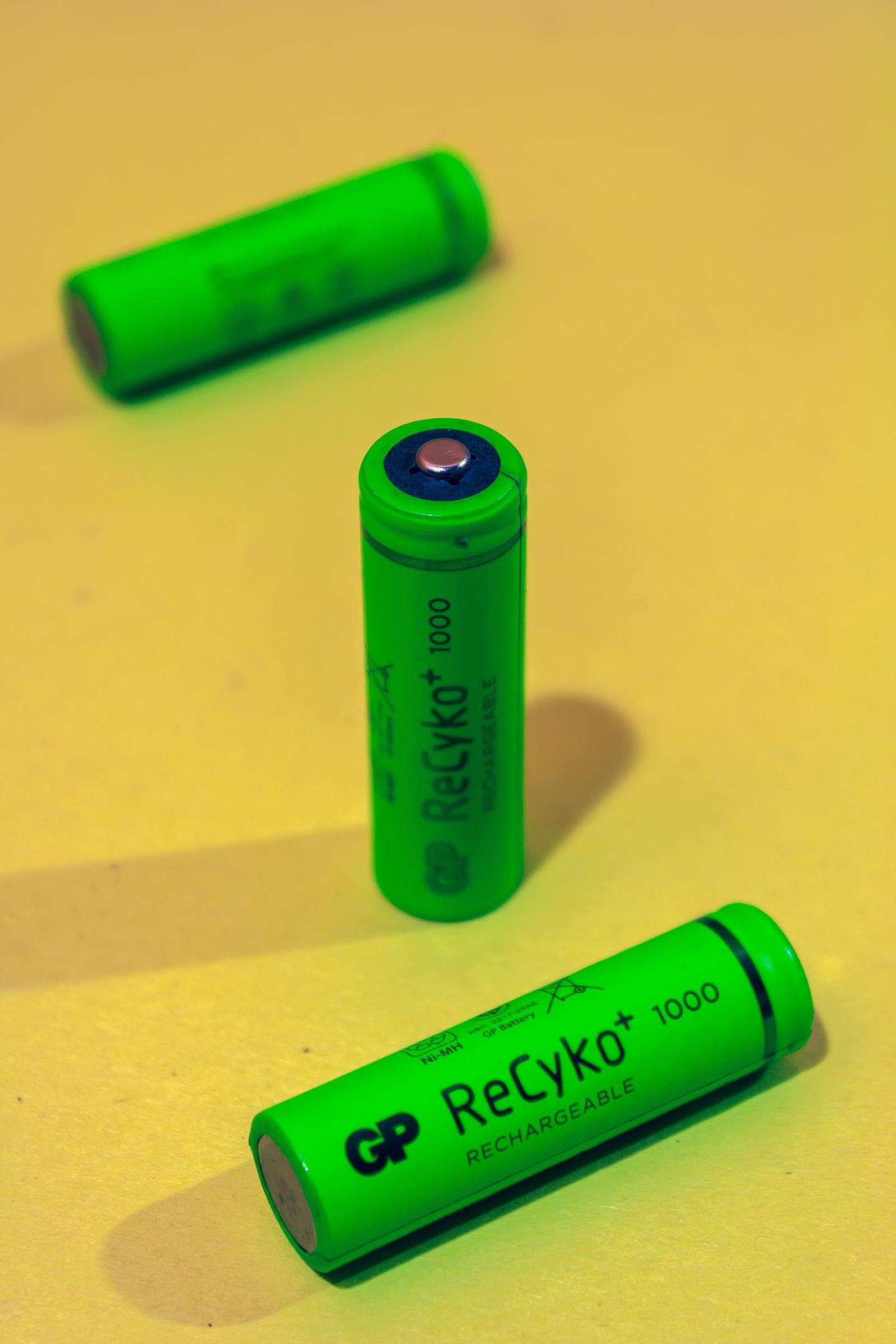
Never put a lithium-ion battery in your blue, black, or green carts — a battery in household waste can start a fire in the truck or at the sorting facility, and a swollen one is the most likely to do it. In Calgary, damaged batteries — corroded, swollen, or leaking — are only accepted at City of Calgary Eco Centres. Hand the battery directly to a staff member and tell them its condition. Do not leave it in a pile or drop it in a bin, and do not take a damaged battery to a regular battery recycling point unless that location specifically says it accepts damaged batteries.
Undamaged batteries have more options. In Calgary, an undamaged e-bike battery can go to a free designated battery drop-off found through recycleyourbatteries.ca — use the locator tool and select “e-mobility batteries” to find locations that accept e-bike and e-scooter packs — or to a free household hazardous waste drop-off at a designated fire hall, or to an Eco Centre. Outside Calgary, the same split applies but the names change: damaged batteries go to the local hazardous-waste facility, not to a shop collection box or a kerbside bin. There is no single published list that covers every reader’s area, so ask your own city or county — start with the local hazardous-waste authority or the fire department, and if a shop or recycling point says it takes batteries, ask before you travel: “Do you accept damaged and swollen e-bike batteries?”

Step 5: Hand it over — and fit a replacement
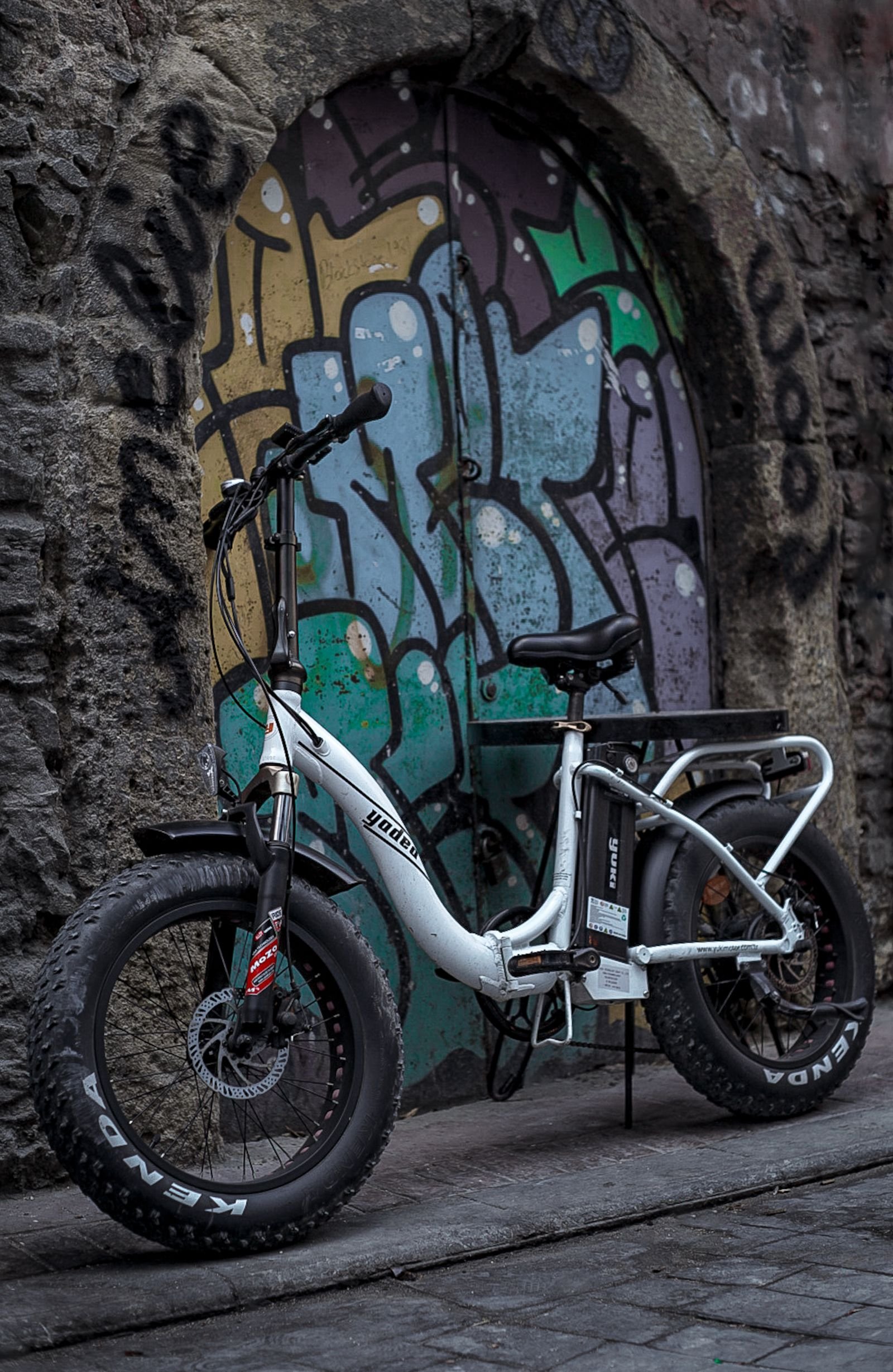
Hand the battery to the staff member, tell them it is swollen, and let them take it from there. Do not open the bag at the counter, and do not ask them to test it. Keep any receipt they give you — if the battery was under warranty or part of a recall, that paperwork is what the manufacturer or the shop will ask for.
A swollen battery is not repaired. The swelling is a sign the cells have already failed, and no amount of careful charging brings a failed pack back. What you need next is a replacement pack made for your bike: use only the battery designed for the device, bought from the manufacturer or a seller the manufacturer approves. Look for a safety certification mark such as CSA, UL, or ETL on the product and packaging — many batteries sold online and in stores do not meet safety standards. When the new battery arrives, check the case before the first charge — it should sit flat, the seams should be closed, and nothing should rattle inside. Charge it on a hard, flat surface with airflow around it, unplug it when it is full, and do not charge it overnight or below 0°C or above 40°C.

Why a swollen battery is dangerous
A lithium-ion battery stores a lot of energy in a small space, and swelling means something inside has gone wrong — usually gas building up from damaged or degraded cells. If the battery is damaged, overheated, overcharged, or defective, it can catch fire or explode. Those fires give off toxic gases and burn extremely fast and hot, which makes them difficult to put out. That is why the guidance is so absolute: stop using the battery, do not charge it, and get it to a depot that handles damaged packs. A battery that catches fire in a hallway or by a door can block the way out, and the smoke is toxic.
Tips that stop the next battery swelling
Most swollen batteries were not damaged in a single dramatic moment. They were slowly hurt by heat, bad charging, or long storage, and the swelling is the bill arriving late. Buy certified products with a CSA, UL, or ETL mark; use only the battery and charger designed for your bike; do not modify batteries or mix parts that do not belong together; do not overcharge — unplug the battery when it is full and do not charge it overnight; keep batteries at room temperature when possible and do not charge below 0°C or above 40°C; store them in a cool, dry place away from heat, direct sunlight, and anything flammable. A battery left empty for months, or outside through a freezing winter, comes back weaker.
The verdict
A swollen e-bike battery means stop riding, stop charging, and get the pack to a depot that accepts damaged batteries — in Calgary, a City Eco Centre, handed directly to a staff member. Anywhere else, the local hazardous-waste authority or fire department will tell you where yours goes. Do it soon, and do not try to fix the pack yourself.
Readers also ask
Can I still ride my e-bike if the battery is only slightly swollen?
No. Any swelling means the cells inside have failed. Stop using the battery and dispose of it safely, even if the bike still turns on.
Can I puncture a swollen battery to let the gas out?
Never. Puncturing a lithium-ion battery can start a fire or an explosion.
Where do I take a swollen e-bike battery near me?
Damaged batteries go to your local hazardous-waste facility — in Calgary, a City Eco Centre. They do not go in household bins or to regular battery drop-off points unless that location specifically accepts damaged batteries. Ask your local hazardous-waste authority or fire department for the nearest depot.
Can I put a swollen battery in the recycling bin?
No. Never put lithium-ion batteries in blue, black, or green carts. They can start fires in collection trucks and sorting facilities.
Will the shop take my swollen battery back?
Some manufacturers and shops accept returns of damaged packs, especially under warranty or recall — ask them directly. Do not post a swollen battery or leave it at a shop that has not agreed to take it.
Additional Details
Name: Swollen E-Bike Battery: What to Do, Where to Dispose of It and Who Takes It
Description: Swollen e-bike battery? Stop using it at once, move it outside safely and take it to a hazardous-waste depot. What to do and where to dispose of it near you.
Published: November 24, 2026