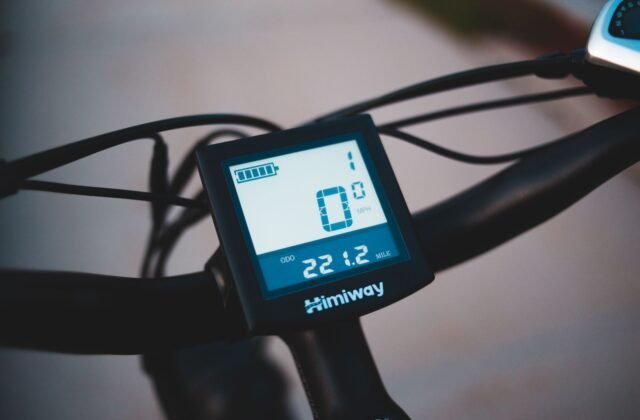
Your Heybike display is showing E14 or E07, the motor has stopped helping, and every search result seems to say something different about which code means what. This guide sorts it out step by step, using Heybike’s own manual as the authority.
Jump to a step: Step 1: Read the code · Step 2: Hall side (E14) · Step 3: Phase side (E07) · Step 4: Test the motor · Step 5: Fix or get help · Why they get mixed up · Tips · FAQ
The short answer: on a Heybike, E14 means motor hall error and E07 means motor phase error. That is straight from Heybike’s own error code table. The hall sensors tell the controller where the motor is; the phase wires carry the power that turns it. Either side failing stops the motor, which is why the two codes feel identical even though they point at different parts.
Step 1: Read the code properly and write it down
Before touching anything, turn the bike on and look at the display. Write down the exact code, letter and number together: E14 or E07. The rest of the diagnosis depends on getting this one detail right.
Note what the bike was doing when the code appeared. A code at switch-on usually points at a connection checked as the controller wakes up; a code mid-ride, especially after a bump or wet ride, more often points at a cable that worked loose or took in water. Then turn the bike fully off before handling any connectors. If the code clears after a restart and the motor works normally, ride cautiously and watch for it returning.
Step 2: Check the hall sensor side (E14)
E14 is the hall error. Inside the motor, small hall sensors report the rotor’s position to the controller, which switches power to the right windings from that signal. If the signal is missing or intermittent, the controller cannot time the motor, so it stops driving it. That is what you feel: the motor refuses to start, judders, shakes, or surges and then cuts out.
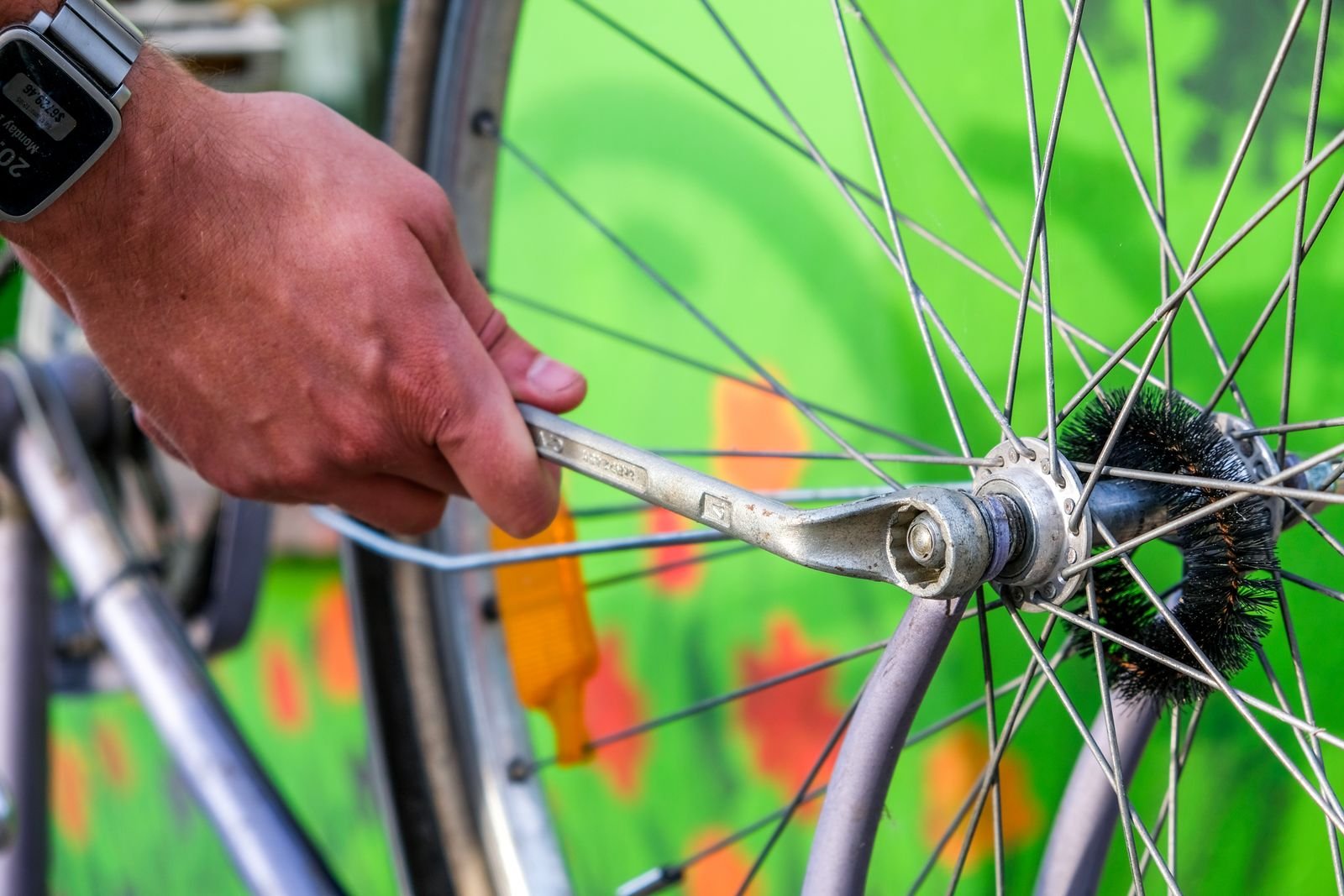
Start at the motor cable, because that is where most hall faults live. Follow it from the hub motor along the frame and look for the obvious problems: a plug worked half apart, a cable pinched by the wheel or a rack bolt, a connector with green or white corrosion, or a cable trapped when the wheel was last removed.
Unplug the motor connector, look at the pins, and plug it back firmly until it seats, arrows aligned. Check the smaller display and sensor cables the same way; press them together by the arrow markings without twisting. A bent or corroded pin is your fault: clean corrosion gently with a dry cloth, and replace the cable or connector if a pin is broken. If the cable looks fine and the plug is seated, the fault may be inside the motor itself. That is not a home repair; see Step 5.

Step 3: Check the phase side (E07)
E07 is the phase error, and it is a different fault from E14 even though it feels the same. The phase wires are the thick wires that carry power from the controller to the motor windings. If one of them is broken, shorted or badly connected, the controller cannot push power through that phase, and it reports E07 and stops the motor. Where E14 is a signal problem, E07 is a power problem.
Work through the power path in order. First, the battery: make sure it is fully seated in its tray and locked, because a loose battery can drop its connection under load. Next, the motor plug wire: the manual lists a loose or damaged motor plug wire as a cause when the motor does not respond, and the fix is to secure or replace it. Unplug it, inspect the pins and housing for heat damage, and reconnect it firmly. A loose phase connection can arc and burn, so a burnt connector should be replaced rather than pushed back together.
Then look at the wiring itself. Follow each wire and look for chafing on the frame, a nick from a tight zip tie, or a crush mark near the axle. The manual lists loose wiring and a damaged throttle wire as causes of a dead motor, and damaged motor wiring as a cause of strange noises. A damaged wire needs repair or replacement, not tape, because phase wires carry the full motor current. If every wire looks sound and every plug is seated, the fault is most likely inside the controller or the motor windings, and that is a job for Heybike support or a qualified bike shop.

Step 4: Test the motor safely
With the connectors checked and reseated, test the bike off the road with the driven wheel lifted clear. Switch on and watch the display. If the code is gone, try the throttle gently in the lowest assist level and listen. A healthy motor starts smoothly and spins quietly. A hall fault still present usually shows up as shaking, juddering or grinding; a phase fault still present usually shows up as nothing at all, or a single clunk and then silence.
Try the pedal assist as well as the throttle, because the two take different paths into the controller. If the throttle works but pedal assist does not, the problem is more likely on the sensor side than on the power side. Spin the wheel by hand with the power off, too: it should turn freely with only the light drag of the motor magnets. If it feels gritty or stiff in one spot, that points at something mechanical inside the wheel or motor.
Do not keep resetting the code and forcing the motor to run. A controller that keeps reporting E14 or E07 is protecting the motor, and repeated attempts can burn the controller. One careful test is enough. And never test a faulty e-bike in traffic: if the motor cuts in and out unexpectedly, it can throw your balance at the wrong moment.
Step 5: Fix what you found, or get help
If the fault was a loose plug or a cable that had worked free, you may already be done: the test in Step 4 will have shown the code gone and the motor running smoothly. Before you call it fixed, take a short ride close to home and watch for the code returning, especially over bumps. If it holds, secure the cable properly so it cannot rub or pull.
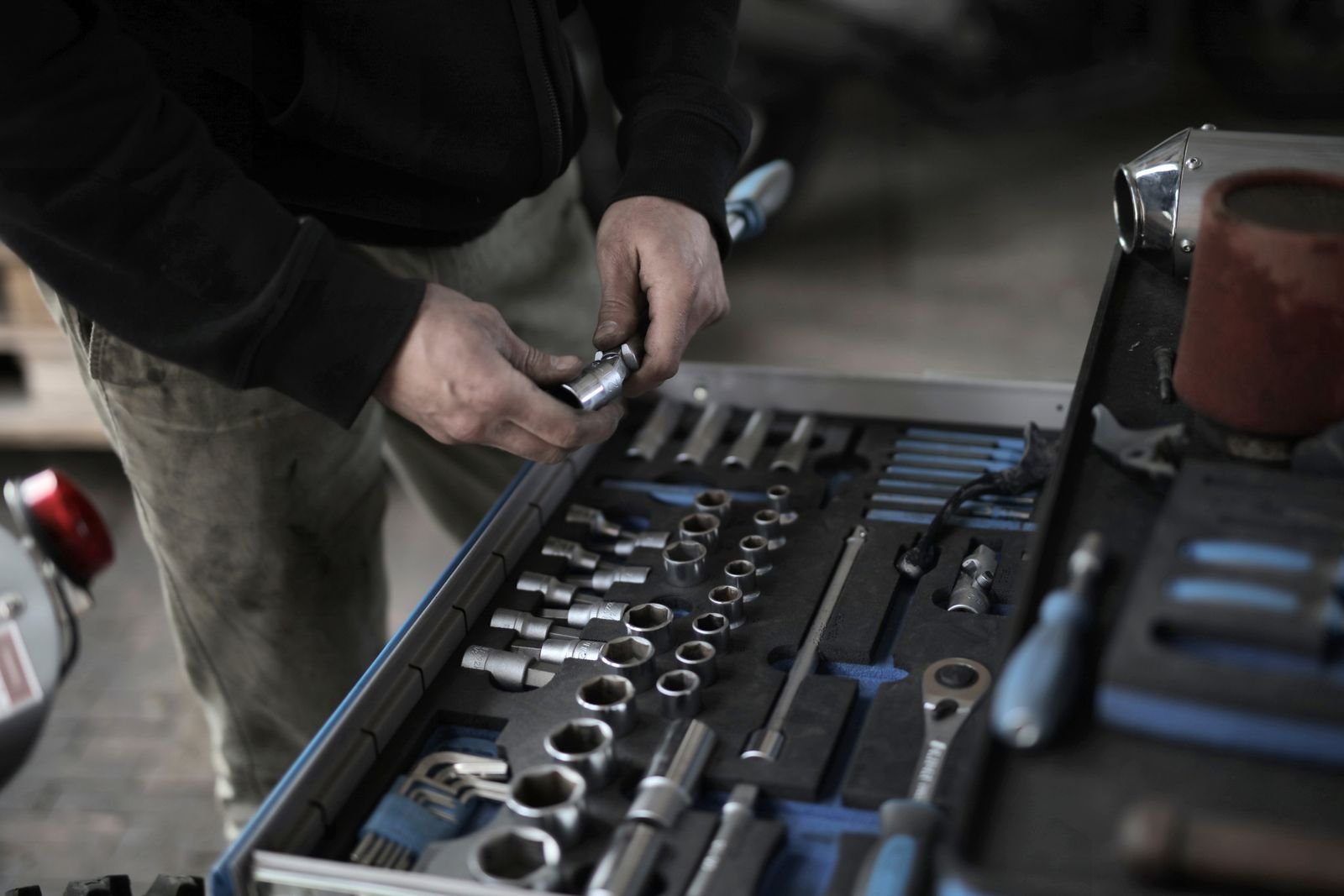
If the fault was a damaged wire, a burnt connector or a broken pin, the part needs replacing, and this is where most riders are better off letting a bike shop do it: the replacement has to be the right cable for the model, and a wrong connection can damage the controller. The same applies if the fault is inside the motor or the controller. Both are covered components under Heybike’s limited warranty, so if the bike is still in warranty, contact Heybike support before paying for anything. Reach them at eu.support@heybike.com or +1 888 301 6908, with your model and code ready.
Do not open the motor or the controller yourself. There is nothing user-serviceable inside a hub motor, and the manual is clear that modifications beyond the original design and unauthorised parts are not covered. A bike shop with e-bike experience can test further than this guide goes and tell you whether the repair is a cable, a controller or a motor.
Why do E14 and E07 get mixed up?
The confusion has a simple cause: the codes are not universal. E07 and E14 mean different things on different display and controller systems, and most error-code lists you find by searching are written for the common generic S866 display family, not for Heybike. On those generic lists the numbers do not line up with Heybike’s table at all. The mix-up is worse because both faults feel the same: the motor stops, the display shows a code, and nothing tells you whether the signal side or the power side failed.
Heybike’s own manual is the fix for that. Its error code table is short: E02 brake, E06 low-voltage protection, E07 motor phase error, E08 throttle error, E09 current or MOS error, E14 motor hall error, and E30 communication error. When you are diagnosing a Heybike, that table is the only list that matters. The two also share causes: a damaged motor cable can break a hall signal wire and a phase wire at the same time, and a badly refitted wheel can pinch both. So check both sides even when the display shows one code.
Tips to avoid E14 and E07 coming back
Most of these two codes come back to the same few habits. Treat the motor cable like the fragile thing it is: never pull the wheel out by the cable, and check the cable routing every time the wheel has been off. Keep water out of the connectors: Heybike warns against riding in rain and against high-pressure washing, and moisture in a connector is a classic cause of both faults. Check the battery is fully seated and locked before every ride, and follow the manual’s service intervals for cables and the drivetrain.
The verdict
E14 is the hall error and E07 is the phase error on a Heybike, and the fix starts with believing your own manual instead of a generic code list. Check the motor cable and connectors first, test carefully, and get help if the fault is inside the motor or controller.
Readers also ask
What does Heybike E14 mean?
E14 means motor hall error: the hall sensors are not reporting the rotor position, so the controller stops driving the motor. Check the motor cable and connectors first (Step 2).
What does Heybike E07 mean?
E07 means motor phase error: the phase wires that carry power from the controller to the motor windings have a fault, such as a loose or damaged motor plug wire. Check the battery seating, the motor plug and the wiring (Step 3).
Can I still ride my Heybike with E14 or E07 showing?
You can pedal it like a normal bicycle, but do not rely on the motor or ride in traffic while it may cut in and out. Get the fault diagnosed first.
Why does my E07 search show a different meaning?
Because most error-code lists online are written for generic S866 displays, where the codes mean different things. On a Heybike, E07 is the motor phase error. Always use the Heybike manual for a Heybike bike.
Additional Details
Name: Heybike E14 Motor Hall Error vs E07 Motor Phase Error: How to Tell Them Apart and Fix Each One
Description: Heybike E14 means motor hall error and E07 means motor phase error. This step-by-step guide shows how to tell them apart and fix each one.
Published: 2026-11-22T19:02:38