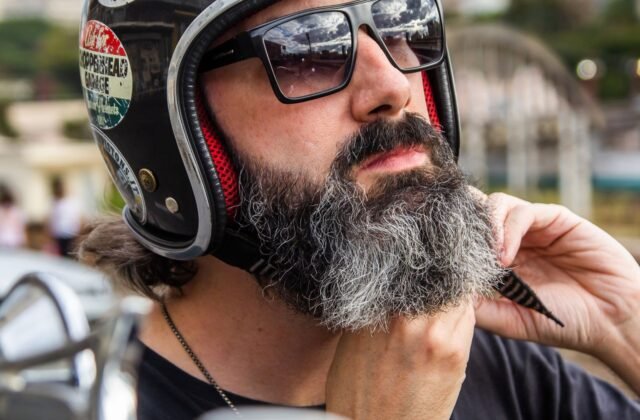
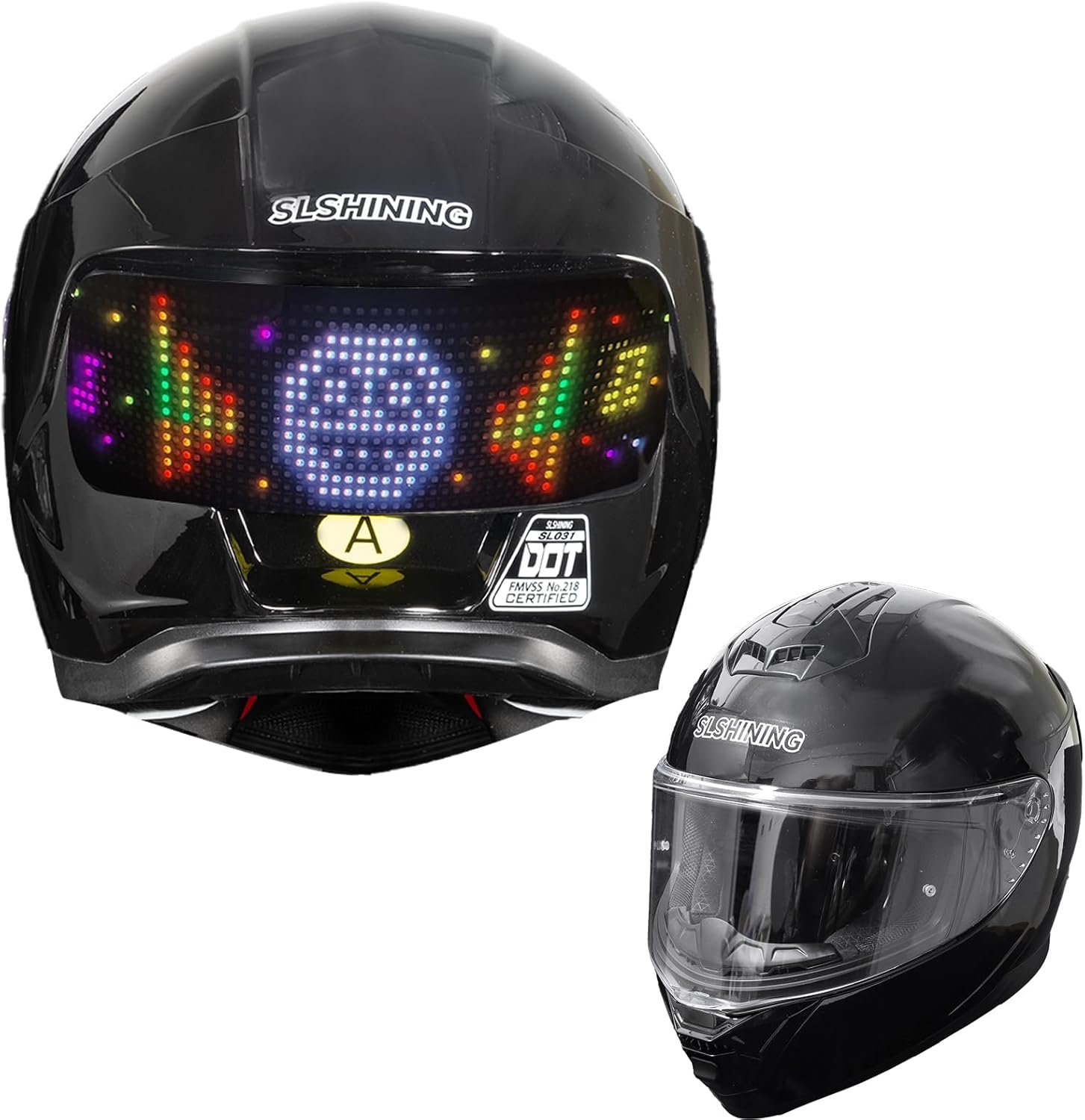
Part of our guide on Helmets and Safety Gear.
A motorbike fall tests your clothing before anything else. The jacket, gloves, boots and trousers take the slide, and the difference between proper riding gear and ordinary clothes is the difference between a bruise and road rash. Most new riders buy the bike first and the clothing last, then learn that a fashion jacket, trainers and bare hands are not riding kit.
This guide covers the essential motorbike clothing every rider needs: what each piece protects, how to choose it, and what to skip. For helmets, read Best Dual-Sport Motorcycle Helmets and Best Rated Modular Motorcycle Helmets.
Quick facts
| Fact | What it means for your ride |
|---|---|
| Problem this guide fixes | A rider in ordinary clothes, or in gear that fits badly |
| Check first | Jacket, gloves, boots and trousers: armour in the right places, a fit that stays put |
| Most common causes of trouble | Fashion gear with no armour, loose gloves, trainers instead of boots |
| What you need | A helmet, armoured jacket, gloves, boots, riding trousers, base layers, rain gear |
| Stop and get help | Torn or crash-damaged gear: used armour cannot be trusted again |
| Related guides | Best Dual-Sport Motorcycle Helmets, Best Rated Modular Motorcycle Helmets |
Quick recap
- Buy the jacket, gloves, boots and trousers first; base layers and rain gear next.
- Armour must sit over the shoulders, elbows, knees and back.
- A jacket that rides up, gloves that bunch, or boots that slip are the wrong size.
- Leather and textile both work; protection comes from the armour and stitching.
- Replace any piece that has been through a crash, even if it looks fine.
- Cold, wet hands make slow decisions; rain gear and warm layers keep you safe.
The short answer: jacket, gloves, boots and trousers first
The four pieces that matter most are an armoured jacket, full-finger gloves, boots that cover the ankle, and riding trousers with knee protection. Add base layers for cold weather and a rain suit for wet weather. Everything else — a hi-vis vest, a neck tube, heated grips — is secondary.
Each piece protects a different part of you. A jacket without armour leaves the shoulders and elbows bare. Loose gloves leave the hands unprotected and make the controls harder to feel. Trainers twist or slip off in a slide. Ordinary jeans tear through on tarmac in seconds.
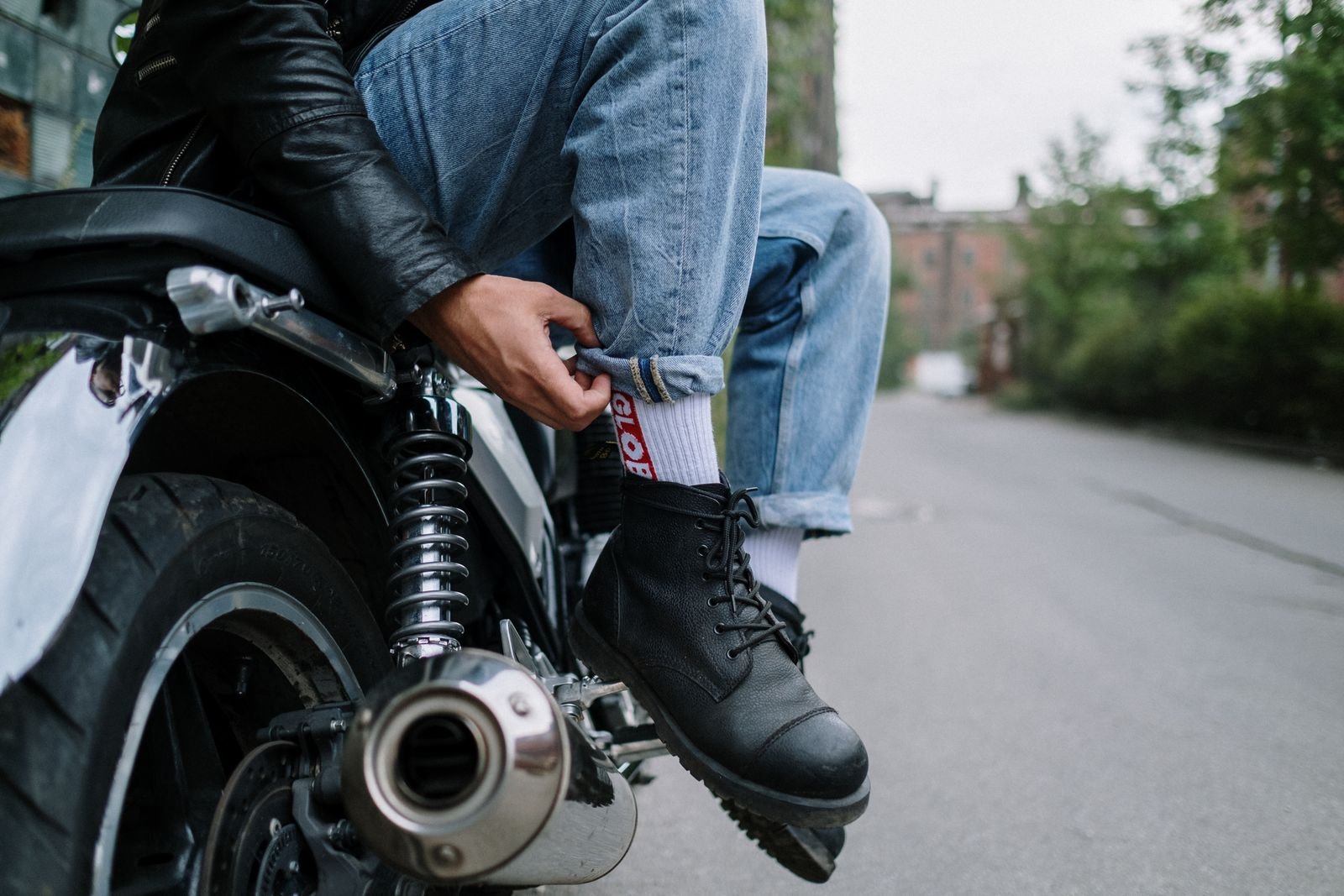
The rest of this guide follows that rule: the steps build the kit, the reference section matches each piece to what it protects, and the later sections cover weather, fit and replacement.
How to build your motorbike clothing kit, step by step
Work through these steps in order, and try everything on together.
- Start with the jacket. Pick an armoured jacket — leather or textile — with shoulder and elbow armour and a back-protector pocket.
- Add full-finger gloves, covering the whole hand and wrist, with palm protection and knuckle armour.
- Choose boots that cover the ankle, with a stiff sole, ankle protection and a closure that stays shut. Trainers do not count: they twist or slip off.
- Pick riding trousers with knee armour: armoured riding jeans, or textile trousers. Ordinary jeans tear through in seconds.
- Add base layers and rain gear: a close-fitting base layer for warmth, and a two-piece rain suit over the kit.
- Do a full-kit check before the first ride. Sit on the bike in everything, reach for the bars, and walk a few steps. Nothing should pull or ride up.
- Replace anything that has been through a crash. Armour that has taken a slide has done its job once.
What you’ll need
- Your helmet, so the collar and helmet fit
- The jacket, gloves, boots and trousers, tried on together
- A base layer and rain gear, for cold or wet weather
- A tape measure, for the maker’s size chart
- One Amazon product in this section only: the armoured jacket below is the CE-certified style the site’s gear guides recommend.

What each piece of clothing protects
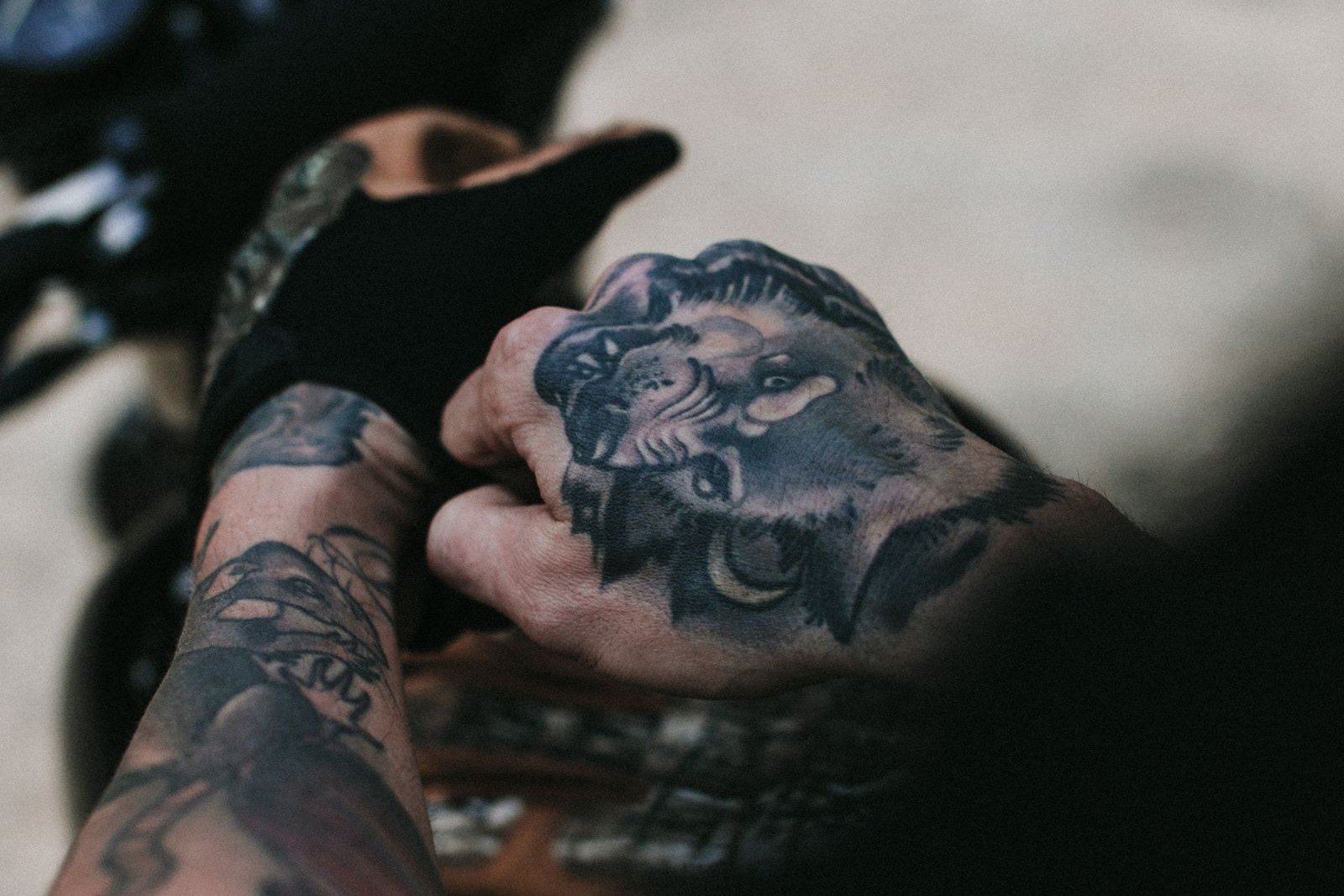
Use this table to match each piece with what it protects and what to look for.
| Piece | What it protects | What to look for |
|---|---|---|
| Armoured jacket | Shoulders, elbows, back and chest | CE armour at shoulders and elbows, a back-protector pocket |
| Full-finger gloves | Hands, fingers and wrists | Palm protection, knuckle armour, a wrist closure |
| Riding boots | Ankles, feet and lower legs | Over-ankle height, a stiff sole, ankle protection |
| Riding trousers | Knees and hips in a slide | Knee armour, reinforced fabric, armour that stays in place |
| Base layers | Warmth in cold weather | Close fit, no bulk, warm when damp |
| Rain gear | Dry clothing in wet weather | A two-piece suit over the kit, sealed seams |
Gloves are the piece riders replace most often: they wear out fastest, and a bad fit shows within minutes. The pair below is the same hard-shell style the site’s gear guides use.

How weather, ride length and speed change the answer
The same kit feels different on a short summer ride and a long winter commute. Hot weather calls for a mesh jacket with the same armour as a leather one, so the vents keep air moving. Cold weather calls for base layers and gloves that keep your hands warm enough to feel the controls. A long ride makes small discomforts worse: a jacket that pinches after ten minutes will be unbearable after two hours. At speed, wind finds every gap, and a flapping collar will chill you fast.
What works
- A mesh jacket with CE armour for hot weather, not a T-shirt
- Base layers for cold mornings, removed when the day warms up
- A rain suit packed on the bike, so a shower does not soak you
What to watch
- A vented jacket can be cold at speed; close the vents first
- Winter gloves can be too thick to feel the controls; try them on the bars
- A rain suit too tight over the jacket restricts movement
Fit and adjustments that decide whether clothing works
Before deciding a jacket is uncomfortable, check the adjustments that decide how it fits. Most armoured jackets have straps at the waist, cuffs that tighten, and armour pockets that let the pads sit higher or lower. A loose jacket usually needs the waist straps pulled in, not a smaller size. A half-laced boot will slip in a fall.
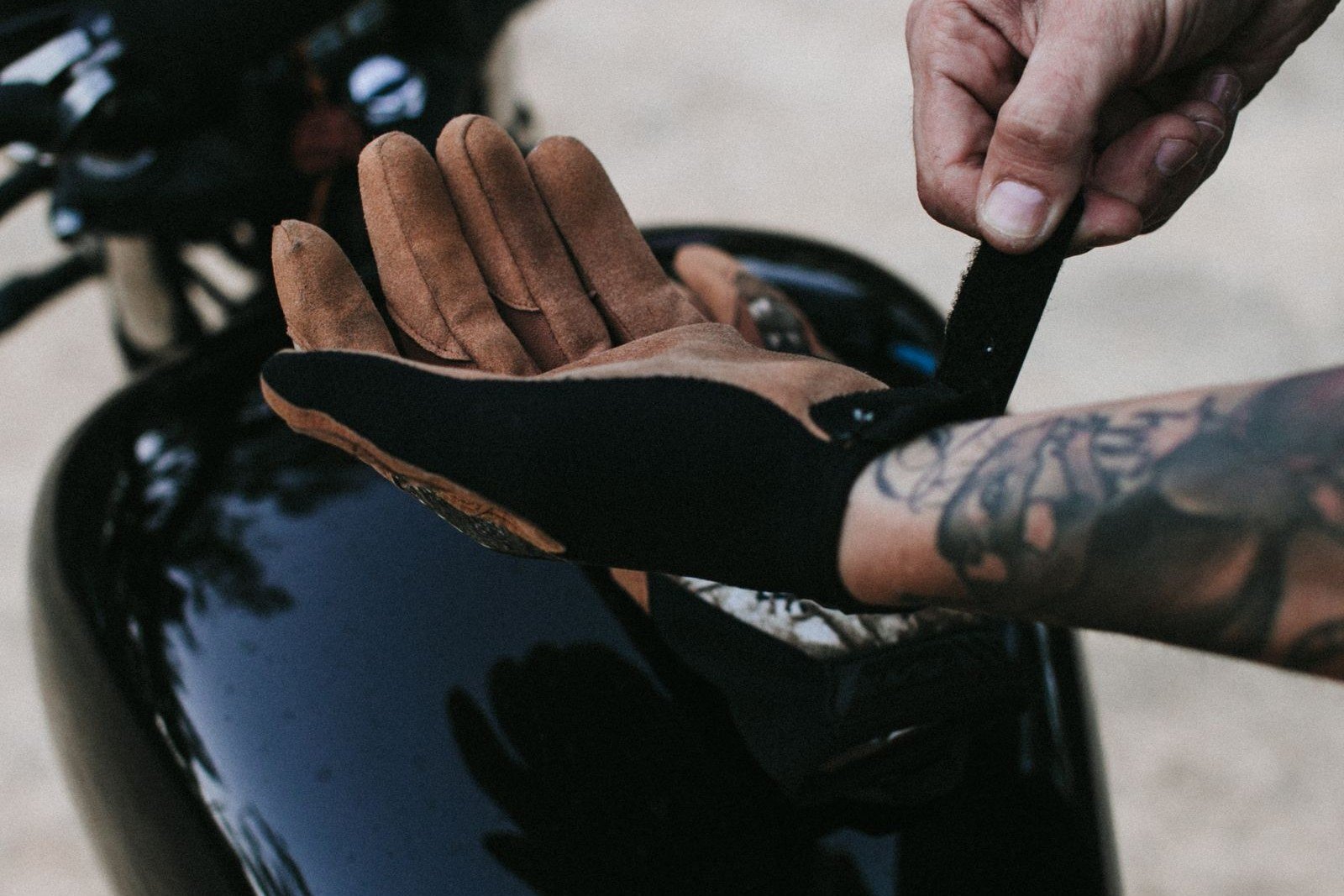
The wrist strap is the adjustment riders forget most often: a glove that slides off in a fall leaves the hand bare. Fasten it snugly enough that the glove stays on when you pull at the fingers. The same rule applies to the cuffs and boot closures — snug, not tight, checked every ride.
What works
- Pulling the waist straps in so the jacket sits still
- Fastening the glove wrist strap every ride, and checking it after the first stop
- Closing the jacket cuffs over the glove, so no skin shows
What to watch
- A jacket snug standing up can be too tight on the bike; fit it sitting down
- Armour that moves off the joint when you raise your arms is in the wrong pocket
- A boot that slips at the heel is the wrong size; tightening will not fix it
When a fix needs a replacement
Some clothing problems have a simple fix, and some need a replacement. A loose strap can be tightened, a stiff zip can be waxed, and a jacket one size too big can be swapped. Crash-damaged armour, split stitching, or boots with a worn sole cannot be fixed at home. When a piece needs replacing, match the original standard: the same armour rating and fit.
| Fix | Best use | Limit |
|---|---|---|
| Tighten straps and closures | Jacket rides up or gloves slip | Will not help if the size is wrong |
| Wax a stiff zip | A zip that sticks after rain or dust | Do not force a zip that has split teeth |
| Replace worn gloves | Palm worn thin or a seam split | A torn palm is not safe to ride in |
| Replace crash-damaged gear | Any piece that has been through a fall | Used armour cannot be trusted again |
| Replace boots with a worn sole | Soles smooth or heels worn down | A slipping boot is a fall waiting to happen |
What works
- Keeping the receipt and size chart, so a replacement is the right size
- Checking stitching and armour after any fall, even a slow one
- After any fix, a short ride to check nothing moved
What to watch
- A cheap replacement that only looks right can have no armour; check the rating
- A second-hand jacket with no history can carry the same damage
- Do not keep riding in gear a shop has told you to replace
Boots are the piece riders put off longest, and the one that matters most at a stop and in a fall. The pair below is the same CE-rated style the site’s gear guides recommend.

The verdict
The essential motorbike clothing is an armoured jacket, full-finger gloves, over-ankle boots and riding trousers, plus base layers and rain gear for the weather. Buy the fit and the armour first, replace anything that has been through a crash, and skip anything that would not protect you in a slide.
Readers also ask
What clothing do I need to ride a motorbike?
An armoured jacket, full-finger gloves, boots that cover the ankle, and riding trousers with knee protection, plus a helmet. Base layers and a rain suit complete the kit.
Can I ride a motorbike in jeans and trainers?
No. Ordinary jeans tear through on tarmac in seconds, and trainers twist or slip off in a slide. Riding jeans have armour and reinforced fabric.
Is leather or textile better for a motorcycle jacket?
Both work when they are armoured. Leather slides well and lasts; textile breathes better in hot weather and is lighter.
Do I need rain gear for riding a motorbike?
Yes, if you ride in wet weather. A two-piece rain suit over the whole kit keeps the jacket and trousers dry, and dry clothing keeps you warm and in control.
How should a motorcycle jacket fit?
Snug, with the armour over the shoulders and elbows when you sit on the bike. It should close at the waist and cuffs without pulling, and not ride up at the bars. Always fit a jacket sitting on the bike.
Additional Details
Name: Motorbike Clothing Essentials: What Every Rider Needs
Description: Motorbike clothing essentials explained: the jacket, gloves, boots, trousers and layers every rider needs, how to choose them, fit them, and what to skip.
Published: 17 November 2026