
NYCHA’s e-bike charging rules are a checklist, not a mystery. Since 1 March 2024, NYCHA’s micromobility policy has set out how an e-bike or e-scooter battery may be charged inside a NYCHA flat. It works as one decision sequence: is the bike allowed in the building at all; where are you charging; how many batteries are charging at once; is an adult of 18 or older present and awake for the whole charge; how is the charger connected; where exactly is the battery sitting; and is the battery itself safe to charge. Answer each check in turn: any no means the charge waits until that check is fixed. This guide walks the tree one stage at a time, using only what NYCHA’s official micromobility page actually says.

The charging decision tree
Read the chart top to bottom. Each row is one check. A “yes” sends you to the next stage; a “no” sends you to the fix on the right. You only plug in when every stage answers yes.
| Stage | Check | If YES | If NO |
|---|---|---|---|
| 1 | Is this e-bike or e-scooter legal on New York City streets? | Go to Stage 2 | Do not keep it here — remove it |
| 2 | Are you charging inside your own apartment? | Go to Stage 3 | Only a NYCHA-designated charging area counts |
| 3 | Is this the only battery charging right now? | Go to Stage 4 | Unplug the second one — charge one at a time |
| 4 | Is a person 18 or older present and awake for the entire charge? | Go to Stage 5 | Wait — do not charge while asleep or away |
| 5 | Is the charger plugged directly into a wall outlet? | Go to Stage 6 | Remove the extension lead — plug straight into the wall |
| 6 | Is the battery five feet from heat and clear of the door? | Go to Stage 7 | Move it — away from heat and clear of the door |
| 7 | Is the battery dry, undamaged and charged with its own charger? | Charge — all checks pass | Do not charge it — deal with the battery first |
Stage 1 — Is this bike allowed in a NYCHA building at all?
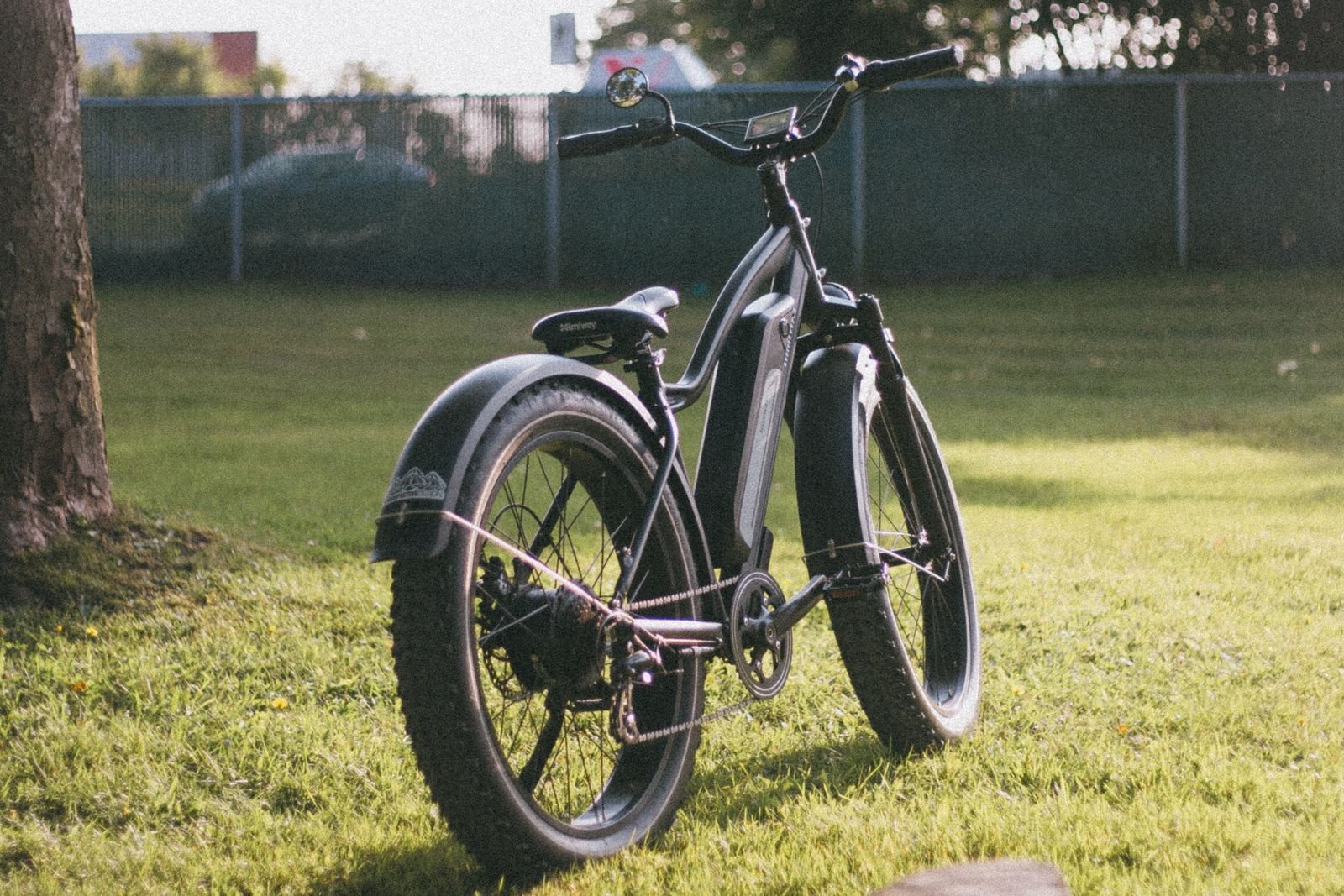
The first check is not about charging — it is about whether the vehicle is allowed inside at all. NYCHA’s rule is that it is a lease violation to keep or charge an electric micromobility vehicle or device that cannot be operated legally on New York City streets or in public areas, or the battery of such a vehicle, in a NYCHA apartment or common area. The same applies to anything needing DMV registration or a driver’s licence. The prohibited list names electric mopeds, large electric scooters weighing 100 pounds or more, electric motorcycles, gas-powered vehicles and devices, unregistered electric mopeds, electric dirt bikes, electric skateboards, Segways, electric hoverboards, electric unicycles, and electric all-terrain vehicles, and their batteries.
What passes is narrower than many riders expect: e-bikes and e-scooters that may be operated legally on New York City streets or in public areas, or their batteries. A legal e-bike or e-scooter passes — go to Stage 2. A prohibited vehicle fails, and the fix is not a different charger or room: NYCHA says residents with prohibited vehicles must remove them immediately. Keeping gasoline or internal-combustion vehicles in a NYCHA apartment or common area is against the law under the lease, the Fire Code and the Multiple Dwelling Law.
Stage 2 — Where are you charging?
NYCHA draws a hard line between your own apartment and the building’s shared spaces. Charging inside your own apartment is allowed, as long as every other stage passes. Charging in a common area is not — unless that area has been specifically designated as a charging area by NYCHA. A hallway, basement or bike room does not count just because others charge there. The page lists no designated charging areas, so if you are unsure whether your building has one, ask NYCHA — do not assume. If the answer is no, charge inside your own apartment instead, with all the other stages passing, or ask NYCHA whether a designated charging area exists in your building.
Stage 3 — How many batteries are charging right now?
Only one. NYCHA’s rule is that it is a lease violation to charge more than one e-bike, e-scooter, or its battery at a time in a NYCHA apartment. That means one device or one battery on charge, and nothing else. It does not matter if the second battery is nearly full or belongs to someone else — the page states no exception, so this guide states none. If a second battery is already plugged in, unplug it and charge them one after the other.
Stage 4 — Is an adult of 18 or older present and awake for the entire charge?
This is the check most people fail without realising it. NYCHA’s rule is that it is a lease violation to charge an e-bike, e-scooter, or its battery without a person 18 years old or older present and awake in the apartment for the entire time the device or battery is charging. Every word there matters: 18 or older, present in the apartment, awake, for the entire charge. A teenager watching the battery does not pass it, and neither does an adult asleep in the next room. And charging overnight while everyone sleeps does not pass it. If the answer is no, wait: charge while an adult is home and awake, and stay in the flat until the charger is unplugged.
Stage 5 — How is the charger connected?
NYCHA requires the charger to be plugged directly into an electrical wall outlet. The rule calls it a violation to charge “in any manner other than plugging the charger directly into an electrical wall outlet” — so an extension lead, a power strip or any other adaptor does not pass. If the only outlet is across the room, move the battery to the outlet — do not bring an extension lead to the battery. That is the no-extension-lead rule in plain terms: the charger goes straight into the wall, with nothing in between.

Stage 6 — Where exactly is the battery sitting?
Position matters too. NYCHA’s rule forbids charging any lithium-ion battery within five feet of a radiator or any other direct heat source, and forbids charging one next to an apartment entrance door or any other place that could prevent escape in the event of a fire. Two halves: the battery must sit beyond five feet from any radiator, heater or other direct heat source, and must not sit next to the entrance door or anywhere that would block the way out in a fire. If the answer is no, move the battery somewhere clear of heat and clear of the exit, then run the earlier stages again from the top.

Stage 7 — Is the battery itself safe to charge?
The last check is the battery’s own condition, and NYCHA’s battery-care rules decide it. Only charge the battery with the charger supplied with the device. Keep it dry and never open it. And do not use the battery if it is damaged, leaking, hot, or produces an odour. NYCHA also forbids any lithium-ion battery assembled, refurbished or reconditioned in a way local law prohibits — and local law prohibits selling refurbished or tampered batteries. If the answer is no — the battery is swollen, cracked, leaking, hot, smelly, opened, or refurbished — do not charge it and do not use it. A damaged battery is not household waste: binning e-bike or e-scooter batteries is illegal, because they can cause fires. Take it to a Department of Sanitation battery drop-off instead.

The thinking behind the rules
NYCHA states the purpose plainly: the rules exist to prevent fires and protect residents, as part of New York City’s Charge Safe, Ride Safe action plan. Each rule follows from that purpose. One battery at a time limits the stored energy charging in one flat. An awake adult can smell smoke or see swelling early and act; a sleeping household cannot. A charger straight into the wall removes extra connection points where heat builds up. Five feet from a radiator keeps a warm battery away from added heat, and a clear door keeps the way out open. A damaged or smelly battery is already showing warning signs, and a refurbished battery has an unknown history.
Two related rules are worth knowing, though they are not charging checks. NYCHA’s home-based business policy bars businesses that raise fire risk, so repairing, charging or storing e-bikes, e-scooters or batteries as a business is a lease violation. FDNY guidance NYCHA points to also advises looking for UL certification when buying an electric bike. The page is silent on some things riders ask about: no fine amounts, no time limit per charge, no listed charging areas, and no alternative place to charge if your flat cannot meet the rules. Where the page is silent, this guide does not fill in the gap — those are questions for NYCHA. The same care rules apply every time you ride, not just when you charge. If you want the full picture on keeping a pack healthy, read our guide on how to fix commuter e-bike battery problems, and the rest of the E-Bikes Hub.
In short
Charging an e-bike in a NYCHA flat is allowed when seven checks all pass: the bike is a legal e-bike or e-scooter, the charge happens inside your own apartment, only one battery charges at a time, an adult of 18 or older stays present and awake for the whole charge, the charger plugs directly into a wall outlet, the battery sits more than five feet from heat and clear of the door, and the battery is dry, undamaged and charged with its own charger. Any no on that list means the charge waits until the check is fixed.
Readers also ask
Can I charge two batteries if one is almost full? No. One e-bike, e-scooter or battery charges at a time, with no exception for a nearly-full battery.
Can my 17-year-old watch the battery while it charges? No. The person present must be 18 or older, in the flat and awake for the entire charge.
Can I use an extension lead just to reach the outlet? No. The charger must plug directly into an electrical wall outlet — any other manner is a lease violation.
Can I charge in the hallway, basement or bike room? Only if NYCHA has designated that area as a charging area. The page lists none, so check with NYCHA first.
My battery is swollen and smells — what do I do? Do not charge or use it. Do not bin it — that is illegal. Take it to a Department of Sanitation battery drop-off.
Do these rules cover e-scooters too? Yes. They cover e-bikes and e-scooters that may be operated legally on New York City streets, and their batteries.
Additional Details
Name: NYCHA E-Bike Charging Rules: One Battery, One Awake Adult, One Wall Outlet
Description: NYCHA e-bike charging rules explained: one battery at a time, an adult 18 or older awake, charger straight into a wall outlet. Check before you plug in.
Published: 22 November 2026


