Part of our guide on Parts, Maintenance and Fixing
Your mid-drive e-bike went through a chain in a few months, while the chain on your old pedal bike lasted years. That is not bad luck or a faulty chain: a mid-drive motor sends all of its power through the same chain your legs use, and that changes how fast it wears.
This guide shows you how to measure the wear, clean and lube the chain, shift without grinding it across the cassette, and replace it before it ruins the cassette. The torque and wear figures come from ebikerepairco.com, and the steps work for any mid-drive e-bike.

Jump to: Step 1 — Measure the wear | Step 2 — Clean the chain | Step 3 — Shift gently | Step 4 — Lube and length | Step 5 — Replace at 0.5% | Why it happens | FAQ
Step 1 — Measure the wear you already have
Start by finding out how far gone your chain is. A chain does not stretch like a rubber band: the pins and bushings inside each link wear down a fraction of a millimetre at a time, and those tiny amounts add up along the whole chain. Mechanics call the result elongation, measured as a percentage of the original length.

The simplest check is a chain wear gauge, with one end marked 0.5% and the other 0.75%. Hook one end in and try to drop the other end in: if the 0.5% end drops in, the chain has reached its limit; if the 0.75% end drops in, it is well past it, and the cassette has probably worn to match.
A ruler works too: a new chain measures exactly 12 inches across 12 links, and 1/16 of an inch over that span means 0.5% elongation. On 11-speed and 12-speed drivetrains, 0.5% is the point to replace the chain — waiting to 0.75% ruins the cassette, because the teeth wear to fit the longer chain and a new chain then skips over them.
Measure on the lower run, with the chain pulled straight — a slack, dirty chain gives a false reading. Write the number down with the date and mileage, so the next check is a comparison, not a guess.

Step 2 — Clean the chain before you judge it
A dirty chain wears faster and measures worse than it is. Grit sticks to the lube, works into the pins and bushings, and grinds them from the inside — and on a mid-drive, where the chain already carries far more load, that damage comes quickly.
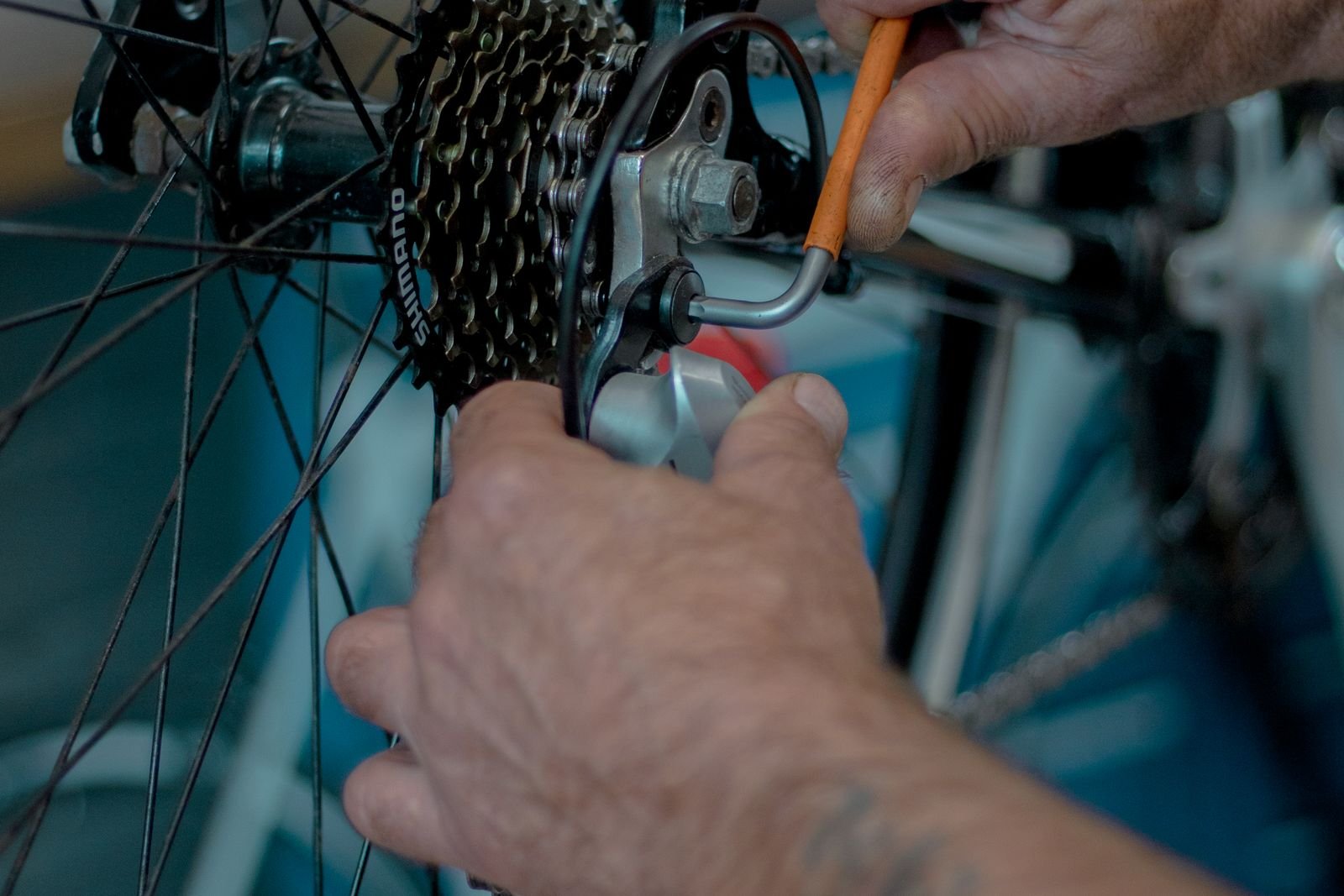
Clean the chain with a degreaser and a brush, link by link, then rinse and dry it fully — never lube a wet chain, or the lube sits on top of the water instead of getting into the rollers. Spin the cranks backwards slowly while you brush, and wipe with a rag until it comes away mostly clean.
Clean the cassette and chainrings too, or the clean chain picks the grit straight back up. After a wet ride, clean the chain the same day — dried mud keeps grinding while it sits there.
If you measured the chain dirty, measure it again once clean — the second reading is the honest one. If it still reads 0.5% or more, go to Step 5: no cleaning saves a worn chain.
Step 3 — Shift like a mid-drive rider: ease off, then shift
This step makes the biggest difference, and it costs nothing. On a normal bike you ease off the pedals while you shift, because the chain jumps sideways across the cassette teeth. On a mid-drive, your legs are only half the story.
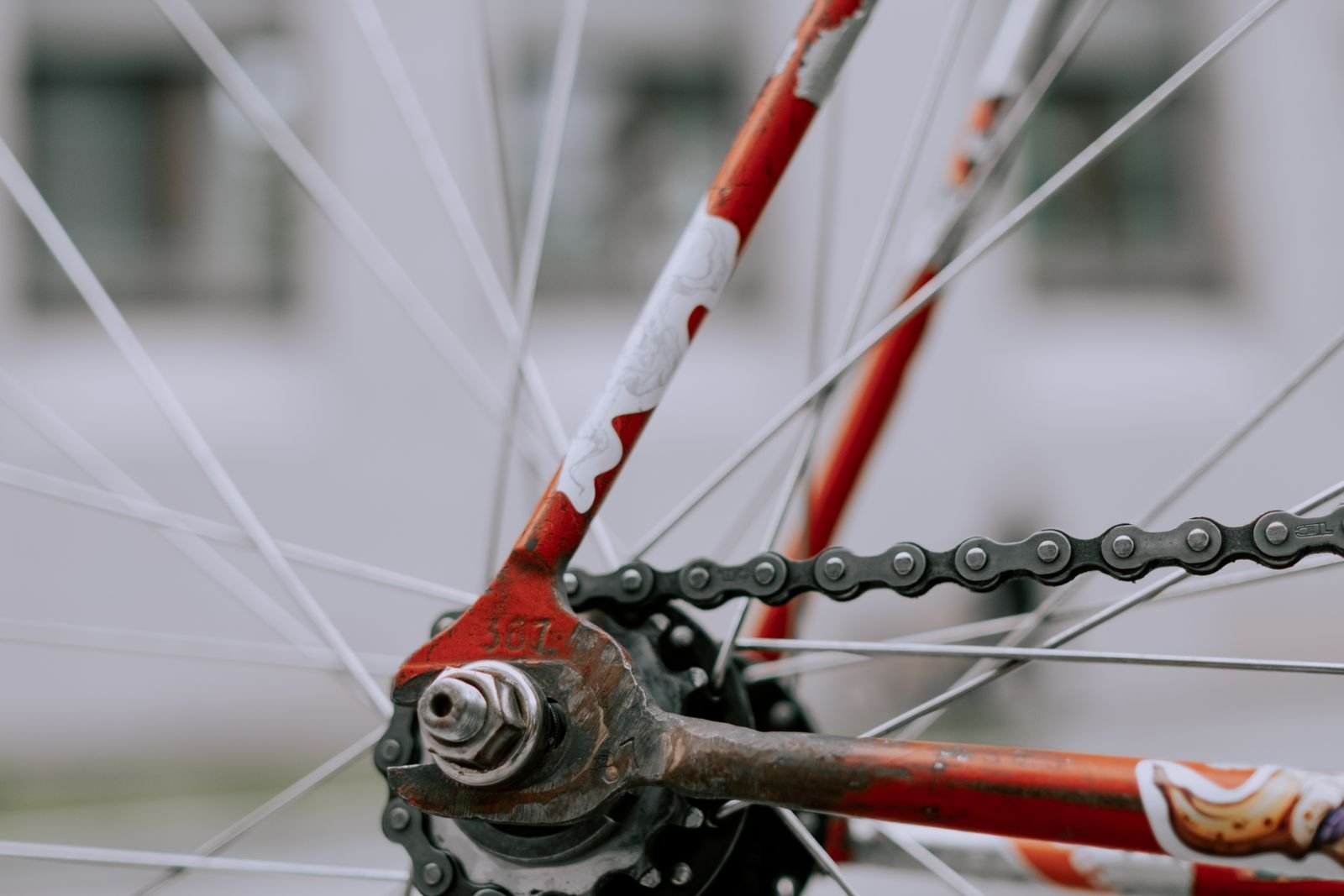
The torque sensor tells the motor how hard you are pedalling, and the motor keeps driving for a few milliseconds after you stop. Shift the moment you ease off, and the motor is still pushing the chain across the cogs under peak load — that sideways force under full torque chews through pins, stretches the chain, and chips cassette teeth.
The fix is a short pause: stop pedalling for a full beat, about one second, click the shifter, then pedal again. The motor cuts out in that pause, the chain moves across with almost no load, and the shift lands cleanly. It feels slow for the first few rides, then it becomes automatic.
Plan shifts before the hard part: drop to an easier gear before the climb, not halfway up it in full assist. Caught in the wrong gear, drop the assist for a moment, shift, then bring it back. Shifting under load is the fastest way to wear out a mid-drive chain.

Step 4 — Keep it lubed, and the right length
A dry chain wears fast on any bike, and faster still on a mid-drive, because every link is loaded twice: once by your legs and once by the motor. Lube is the only thing between pin and bushing, so keep it there.
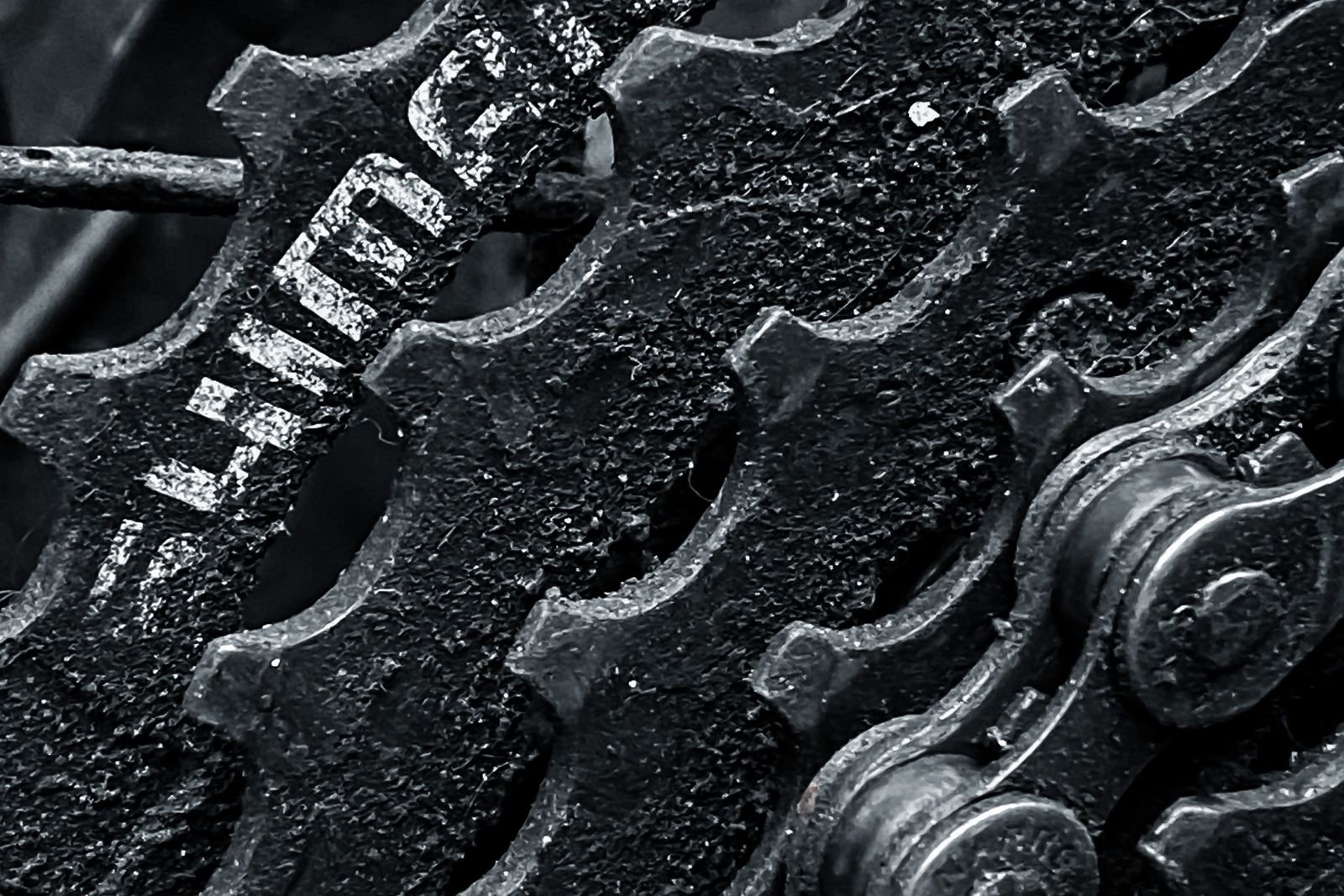
Use a lube made for e-bikes or high-torque chains. One drop per roller, spin the cranks backwards a few turns, then wipe the outside with a rag. The lube belongs inside the rollers, not on the outside collecting dirt.
How often depends on where you ride: a dry-weather commuter can go a week or two between lubes, while a wet-weather rider should lube after every wet ride, once the chain is clean and dry. If the chain sounds dry or looks shiny on the rollers, it needed lube yesterday.
Check the length too: too long and it slaps and jumps, too short and it strains the derailleur. When you fit a new chain, match the old one’s link count, or follow the manufacturer’s sizing guide. And buy the right chain: e-bike chains use thicker plates, 1.8 to 2.2 millimetres, and reinforced solid pins rated at 450 kgf push-out or more, matched to your cassette speed — 9, 10, 11 or 12-speed.
Step 5 — Replace the chain at 0.5% — before it eats the cassette
On an 11-speed or 12-speed drivetrain, 0.5% elongation is the limit — the point to fit a new chain. It feels early, especially if the chain still shifts fine, but the chain is a wear item and the cassette is not meant to be one.
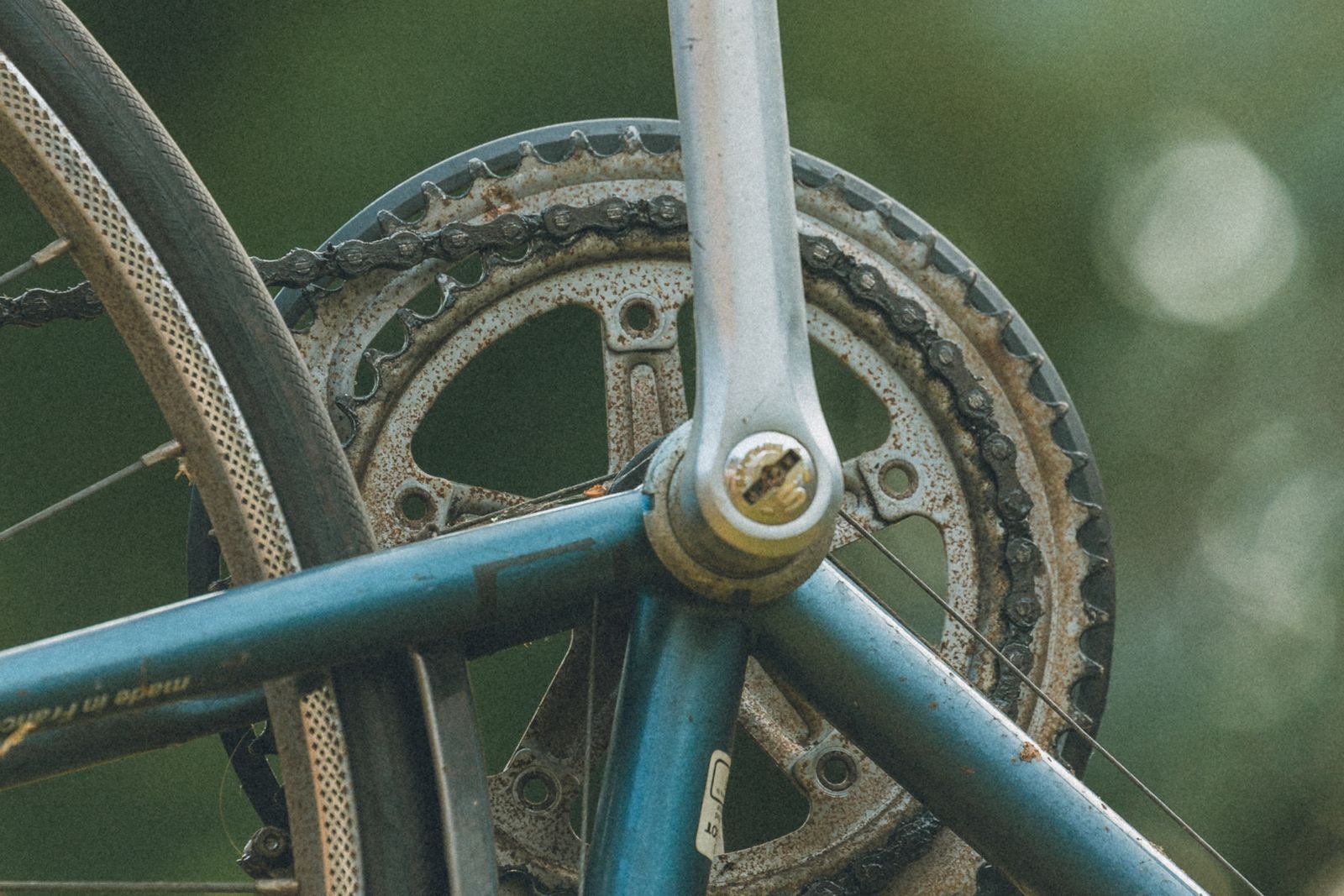
Here is why the limit matters. As the chain gets longer, it wears the cassette teeth into a shape that matches the stretched chain. By 0.75%, fit a new chain and it will skip under load, because the new chain and the worn teeth no longer match. Then you need a new cassette too, and a cassette costs several times what a chain costs.
Replacing a chain is a small job: break the old chain with a chain tool, count its links, size the new one to match, and join it with the quick link or pin supplied. Check the join twice and run through the gears on a stand before you ride. Then write down the date and mileage, so the next chain is replaced on time instead of on guesswork.
If the chain is already past 0.75%, fit the new chain and ride gently, watching for skipping under load. If it skips, the cassette has to go too — an annoying bill, but cheaper than a chain snapping on a climb.

Why a mid-drive eats chains
The numbers explain it: a mid-drive motor adds 250 to 750 watts and 50 to 90 Nm of torque on top of what your legs produce, so rider and motor together can push more than 100 Nm through a single chain. A normal bike chain was never asked to carry that much.
Motor type matters: a mid-drive runs all of its power through the chain, cassette and chainring, while a hub motor drives the wheel directly and bypasses the chain entirely — on a hub-motor bike the chain only carries your legs. That is why the same chain lasts far longer on a hub-motor bike.
In mileage, a mid-drive chain typically lasts 800 to 1,500 miles to its wear limit, where the same chain on a non-electric bike often lasts 3,000 miles or more. The chain is not worse; the job is harder. Every standing start, steep climb in full assist, and shift under load takes a little more life out of it.
The torque sensor plays its part too. It reads how hard you pedal and tells the motor to match you, which is what makes a mid-drive feel natural — but the motor keeps driving for a few milliseconds after you stop pedalling, exactly when most riders shift. Until you learn to pause a full beat first, the motor pushes the chain sideways across the cassette at the worst possible moment.
None of this makes a mid-drive a bad design — it climbs better than a hub motor and keeps the bike balanced. It just means the chain is a service item on a mid-drive, more like brake pads than like a frame.
Tips to make the next chain last longer
- Check wear monthly if you ride daily, and after every wet or muddy ride.
- Clean the chain after wet rides and lube it only once it is fully dry.
- Carry a quick link and a small chain tool, so a broken chain is a roadside fix.
- Keep a spare chain at home, so a 0.5% reading means a swap today, not a week on a worn chain.
- Log the mileage when you fit a new chain: 800 to 1,500 miles is normal for a mid-drive, so plan for it instead of being surprised.
The verdict
Your mid-drive eats chains because it puts more than 100 Nm through them, and the motor keeps pushing for a moment after you stop pedalling. Measure the wear, shift with a pause, keep the chain clean and lubed, and replace it at 0.5%.
Readers also ask
How long should an e-bike chain last on a mid-drive?
Typically 800 to 1,500 miles to 0.5% elongation. The same chain on a non-electric bike often lasts 3,000 miles or more, because it only carries the rider’s legs.
Can I use a normal bike chain on my mid-drive e-bike?
Use a chain rated for e-bikes, matched to your cassette speed. E-bike chains have thicker plates, 1.8 to 2.2 millimetres, and reinforced solid pins, because they carry motor torque as well as leg power.
Why does my chain skip after I fit a new one?
The cassette wore to fit the old, stretched chain. Past 0.75% elongation, the teeth wear into a shape that matches it, and a new chain skips over them. The cassette needs replacing too.
Does a hub motor wear chains the same way?
No. A hub motor drives the wheel directly and the chain only carries your legs, so wear is close to a normal bike. Fast wear is specific to mid-drives, which run all motor power through the chain.
Is 0.75% really too late on an 11-speed chain?
Yes. On 11-speed and 12-speed drivetrains, replace the chain at 0.5% elongation. Waiting to 0.75% wears the cassette out, and then you are buying both.
Additional Details
Name: E-Bike Chain Wears Faster on a Mid-Drive: Torque, Sensors and How to Slow It Down
Description: Your mid-drive e-bike chain wears out in 800–1,500 miles because 250–750W of motor torque runs through it. Here’s how to measure, shift and replace it right.
Published: November 22, 2026