Straight answer: for most riders in wet weather, the 29er mountain bike wins — because it is lighter, simpler, and has nothing electric to protect from water. Its big wheels roll over wet roots and puddles, and a lighter bike is easier to control, lift and clean in mud. The electric mountain bike earns its place only when steep, slippery climbs drain your legs — its motor keeps you moving uphill, but the extra weight makes it harder to handle on slick descents.
It comes down to how wet your trails get and how much climbing they hold. Light rain on firm ground barely changes the choice; deep mud and long wet climbs change it a lot.
Introduction
Wet weather does not just make trails slippery. It changes grip, braking, climbing and how much work every pedal stroke costs. A dry trail forgives a heavy bike; a wet one punishes it.
This guide compares the 29er and the electric mountain bike on grip, climbing, descending, braking, upkeep and cost in the wet — plus a short test you can run on your own trails before you spend anything.
29er Mountain Bike vs Electric Mountain Bike in Wet Weather: The Comparison
| Attribute | 29er Mountain Bike | Electric Mountain Bike | What to watch |
|---|---|---|---|
| Grip on wet roots and rocks | Big wheels roll over roots steadily | Motor torque can spin the rear wheel | Ease off the power on wet roots |
| Climbing in the wet | Depends on your legs alone | Motor keeps speed up on steep climbs | Assist helps only if the tyre grips |
| Descending in the wet | Lighter, easier to change direction | Heavier — harder to slow and turn | Brake earlier; weight punishes late braking |
| Braking | Shorter stops on a lighter bike | Longer stops from the extra weight | Test braking on wet ground first |
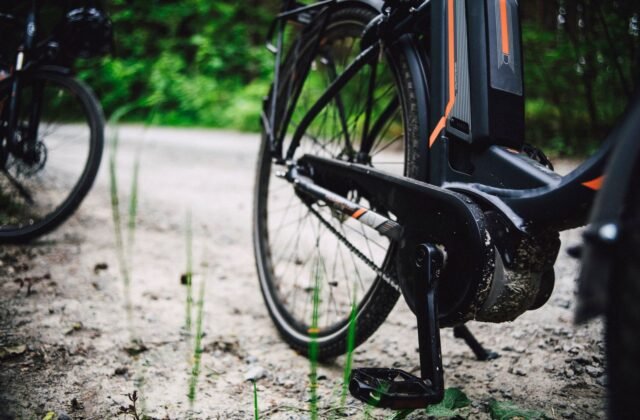
| Water and electronics | Nothing electric to protect | Motor, battery and display need water protection | Keep them dry; dry the bike after the ride |
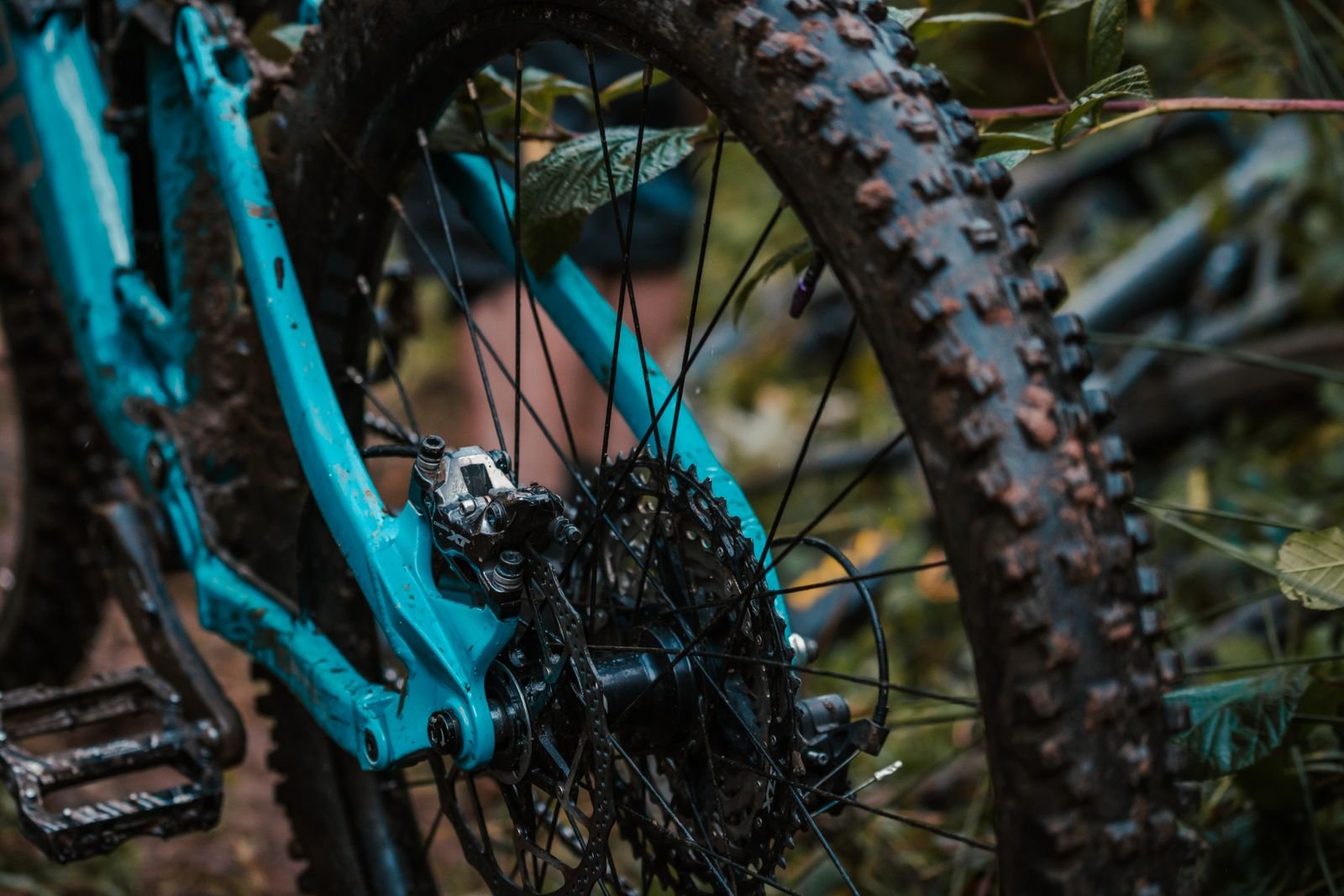
| Mud and cleaning | Less to clean, fewer parts to trap mud | Mud packs around motor and battery | Clean drivetrain and motor area after every ride |
| Range and effort | No battery to manage | Battery drains faster on wet climbs | Plan around the battery, not just the trail |
Read the table as a trade, not a scoreboard. The 29er buys lightness and simplicity; the electric bike buys climbing help and fresh legs.

When the Answer Changes
The 29er is the safe default in the wet. But a few situations flip the verdict.
- Long, steep, wet climbs: the motor keeps you moving when your legs would give up.
- You ride in heavy rain often: the 29er stays simpler — but if the climbs are the problem, the e-bike still helps.
- Building fitness or returning from injury: assist lets you finish wet rides instead of walking the climbs.
- Short, flat rides: the motor adds little — the lighter 29er is quicker everywhere.
- Riding alone in remote places: the 29er’s simplicity matters more — a dead battery far from home is a long walk.
If you are unsure how wet your trails really get, ride them after rain before you decide.
Test Both Bikes on a Wet Trail Before You Decide
Twenty minutes on both bikes answers this better than any review — same loop, same rider, same wet conditions.
- Pick a loop with one wet climb and one wet descent. Two to three minutes up, two to three minutes down, on trails like the ones you ride.
- Ride it on the 29er first and note climb time, descent time, and where the tyres slipped.
- Rest ten minutes, then ride the same loop on the electric bike, using your normal wet-weather assist level.
- Compare times and grip. The e-bike should be clearly faster uphill; the question is how much the extra weight costs on the slick descent.
- Repeat the descent once more on each bike. The second run shows whether the gap grows as you tire.
What a fail looks like:
| Symptom | Cause | Fix |
|---|---|---|
| Rear wheel spins on wet roots | Too much torque, too little grip | Ease off the assist and shift your weight back |
| Brakes feel weak on the descent | Wet pads, extra weight | Brake earlier and dry the brakes with a few light squeezes |
| Climb time barely improves on the e-bike | Assist too low, or the climb too short | Use your normal assist level on a longer climb |
| Legs are dead on the 29er by the second run | Wet climbs eat the energy you need for the descents | Pace the climbs, or accept an e-bike suits you better |
| Battery drops fast on the test loop | High assist on wet, heavy ground drains it quickly | Work out the range for a wet ride before you commit |
Myth: An electric mountain bike is always better in the wet because the motor does the work. Fact: The motor helps on climbs, but the extra weight costs grip and braking on slick descents. Myth: Big 29er wheels slip more in mud. Fact: Big wheels roll over wet roots more easily; grip comes from the tyre and your weight, not the wheel size alone.
Before you test: check brakes, tyre pressure and bolts on both bikes first. Wear a helmet and gloves, and test on a quiet trail — never at full speed on a wet descent on your first run.
How to Set Up Either Bike for Wet Weather
A fair test needs both bikes set up the same way. Ten minutes of setup removes most of the noise.
What you will need:
- A track pump with a gauge, and a shock pump for suspension
- A multi-tool for cockpit and axle checks
- A fully charged e-bike battery
- A stopwatch or phone timer
- The same helmet, shoes and pack you ride with
The method:
- Lower tyre pressure a little on both bikes. A bigger contact patch grips better in the wet — drop a few PSI from your dry setting.
- Set sag on both bikes to your riding setting — different sag makes the test meaningless.
- Set saddle and bars to your fit. A bike that does not fit feels slow whatever its motor does.
- Note the assist mode and battery percentage at the start of the loop.
- Ride the loop as written above: same loop, same effort, same rest. Write the times down — memory lies about small gaps.
Worth knowing
The biggest setup mistake is testing an e-bike on maximum assist and a 29er on hard dry-weather tyres. Match the setup to how you would actually ride in the wet.

For related comparisons, see the Mountain Bikes Hub, Enduro Mountain Bike vs 29er Mountain Bike, 29er Mountain Bike vs 27.5 Mountain Bike, 29er Mountain Bike vs Fat Mountain Bike and Enduro Mountain Bike vs Electric Mountain Bike.
When the Damage Is Already Done
Already bought the wrong bike? Small changes fix most mismatches for far less than a new bike.
- Bought an e-bike but the wet descents scare you: fit grippier tyres, lower the pressure, and brake earlier.
- Bought a 29er but the wet climbs destroy your legs: train climbs in blocks and pace yourself.
- Battery dies before the ride ends: use a lower assist level on the flat and save high mode for the steepest climbs.
- E-bike feels too heavy in mud: fit lighter tyres, firm up the suspension, and clean the motor area after every ride.
- 29er feels slow on wet days: check the drivetrain and tyre pressure first — a dragging brake costs more time than most riders believe.
The Safe Alternative: The Electric Mountain Bike
If the test points the other way, the electric mountain bike is the safe alternative — best for long wet climbs, building fitness, or more practice laps.
The method
- Learn the assist modes before a wet ride: which mode for climbs, which for the flat, and how far the battery goes in each.
- Practise the descents at real speed. The weight changes braking distance — brake earlier than on a lighter bike and let it settle before each turn.
- Protect the electronics: keep the battery and display dry, and dry the bike after every wet ride.
- Plan charging and range: wet climbs drain the battery faster, so work out the range for your longest ride before you commit.
- Train your legs anyway. Assist helps, but fitness decides the descents.

What to Do Next, in Order
- Ride your own trails after rain and note where the grip goes and where the climbs hurt.
- Run the twenty-minute test on both bikes and write the times down.
- Decide by the trails first, then by the times.
- Set up the bike you chose — tyre pressure, sag, saddle, brakes — and ride it for two weeks.
- Plan battery range if you go electric.
Never Do These
- Never ride a wet descent at full speed on a bike you have not tested.
- Never start a wet ride with a half-charged battery. A dead battery turns an e-bike into the heaviest bike on the trail.
- Never skip the brake and bolt check before a wet ride.
- Never use full assist on slick roots and wet wood — the torque spins the wheel.
- Never choose by top speed alone. Wet rides are decided by grip and braking, not by the flat.
In Short
For wet weather, the 29er mountain bike is the default: lighter, simpler, and with nothing electric to protect from water. The electric bike wins when your trails have long, steep, wet climbs. Test both on the same wet loop and decide by your trails first.
The essentials:
- Ride your trails after rain before you buy or choose.
- Test both bikes on the same wet loop and write the times down.
- Lower tyre pressure a little for wet grip, on both bikes.
- Brake earlier on the heavier e-bike, especially on slick descents.
- Dry the bike and protect the battery after every wet ride.
More Questions, Answered
Is a 29er mountain bike good in wet weather?
Yes. Its big wheels roll over wet roots and puddles well, and the lighter weight makes it easier to control on slick ground.
Is an electric mountain bike safe to ride in the rain?
Yes, for normal rain — keep the battery and display as dry as you can and dry the bike afterwards. Check the maker’s guidance before heavy rain.
Does an e-bike climb better than a 29er on wet trails?
On steep, slippery climbs, yes — the motor keeps you moving. But extra torque can spin the rear wheel on wet roots, so ease off where grip is poor.
Which bike is easier to clean after a muddy ride?
The 29er — fewer parts to trap mud, and no motor or battery area to clean.
Which bike should a beginner choose for wet trails?
Start with the 29er: lighter, simpler, cheaper to run, and easier to control when the trail gets slick.
Additional Details
Name: 29er Mountain Bike vs Electric Mountain Bike: Which Is Better for Wet weather?
Description: 29er mountain bike vs electric mountain bike in wet weather: which one grips better, brakes safer and keeps you riding when the trail turns to mud and rain?
Published: 15 November 2026