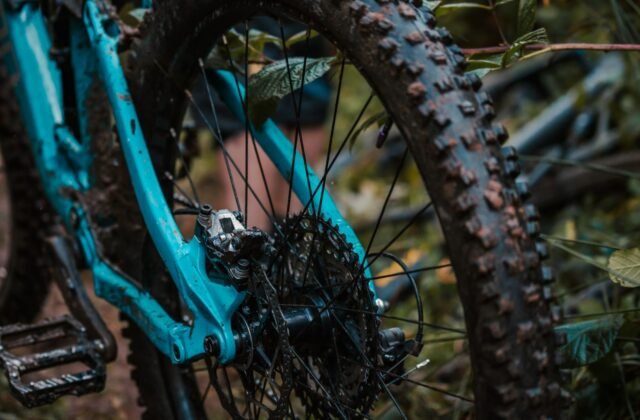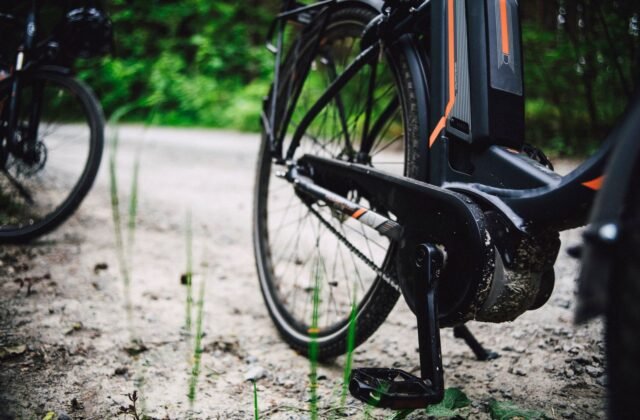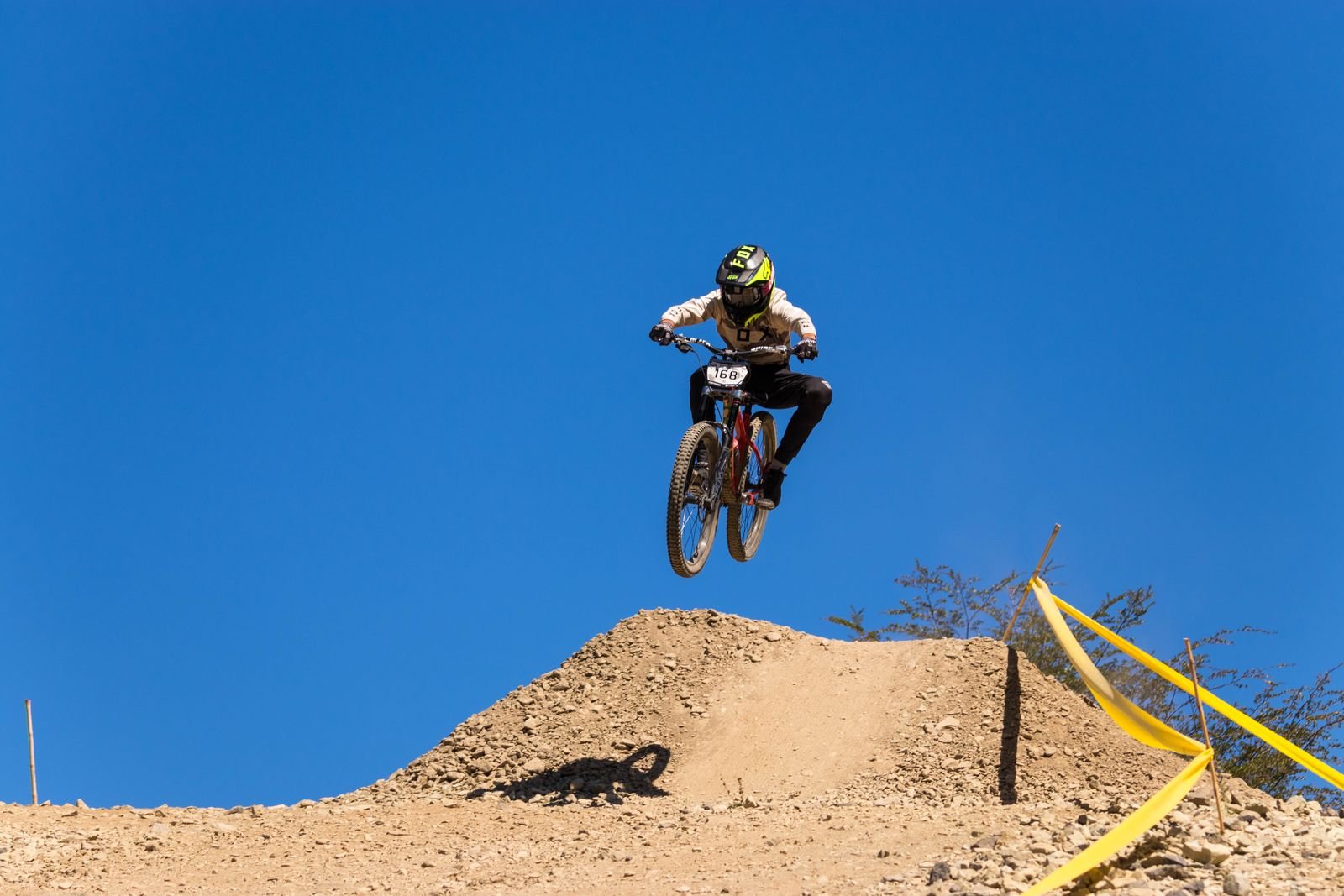
Straight answer: on dry dust, the 29er mountain bike is the better all-round choice — it holds speed, rolls over loose ground and stays stable when the trail gets rough. The dirt jump bike wins only for jumps, pump tracks and short bursts of air.
Introduction
Two bikes, one dusty trail, two very different ideas of fun. The 29er is built to cover ground: big wheels, gears, suspension and a frame that stays calm when the surface turns loose. The dirt jump bike is built for the air: small wheels, a short stiff frame and a single speed, made to lift, spin and land.
The difference is the wheels. A 29-inch wheel rolls over rocks, roots and loose dust with less effort and keeps its speed. A 26-inch dirt jump wheel is smaller, lighter and quicker in the air — but it drops into every hole and needs more work on open trail.
This guide compares the two on dry dust: wheels, grip, jumps, control and setup, plus a short test.
29er Mountain Bike vs Dirt Jump Mountain Bike: The Comparison
| Attribute | 29er Mountain Bike | Dirt Jump Mountain Bike | What to watch |
|---|---|---|---|
| Wheel size | 29-inch wheels roll over loose dust and rocks easily | 26-inch wheels, smaller, lighter, quicker to lift | Bigger wheels keep momentum |
| Grip on dry dust | Longer contact patch and steadier speed aid grip | Less grip at speed; the rear wheel slides sooner | Lower tyre pressure helps both |
| Jumping | Heavier in the air, slower off a lip | Built for jumps — short and stiff, easy to throw around | For jumps, the dirt jumper wins |
| Climbing | Rolls up loose climbs with less effort | Needs more pedal strokes on long, dusty climbs | Most dirt jumpers run a single speed |
| Control at speed | Stable and calm on fast, rough trail | Lively and fun, but tiring on long descents | Short wheelbase feels sharp, less settled |
| Comfort on rough trail | Suspension and big wheels soak up bumps | Stiff frame and short travel pass bumps to the rider | On long dusty rides, comfort decides |
| Versatility | One bike for trail, cross-country and long rides | One job: jumps, pump tracks and tricks | Buy for the riding you do most |
Read the table as a trade, not a scoreboard. The 29er buys speed, grip and comfort on open trail; the dirt jumper buys air time and quick handling where the jumps are.

When the Answer Changes
The 29er is the safe default on dry dust. But a few situations flip the verdict.
- Your riding is jumps and pump tracks: the dirt jump bike is the right tool.
- Short, flat dirt tracks with lips and berms: the smaller bike turns faster and lifts easier.
- Long, rough trails: the 29er keeps its speed and your energy.
- A dusty bike park with big jumps: the dirt jumper is built for that.
- One bike for everything: the 29er covers trail and climbing; the dirt jumper does not.
- Learning tricks and jumps: the smaller bike teaches control faster, though it forgives bad landings less.
If your riding is half trail and half jumps, the 29er is still the better single bike — it can jump, even if it is not the best jumper.
Test the Two Bikes on Dry Dust
Twenty minutes on both bikes answers this better than any review. Ride the same short dusty loop on each.
- Pick a loop with one dusty climb, one flat dusty stretch and one jump or lip. Two to three minutes of riding is enough.
- Ride it on the 29er first. Note how the wheels roll over loose ground, how it grips in dusty corners, and how it feels off the lip.
- Rest ten minutes, then ride the same loop on the dirt jump bike. Same effort, same lines.
- Compare grip and speed. The 29er should feel steadier and faster on open stretches; the dirt jumper quicker and lighter in the air.
- Repeat the jump once more on each bike. The second run shows which bike you trust when you are tired.
What a fail looks like:
| Symptom | Cause | Fix |
|---|---|---|
| Rear wheel slides out in dusty corners | Too much pressure, or tyres too smooth for dust | Drop pressure and pick a tyre with taller knobs |
| 29er feels heavy and slow off the lip | Big wheels need more effort to lift | Pull up earlier and use your legs |
| Dirt jumper beats you up on the flat | Stiff frame and short travel pass bumps to you | Stand more, bend your knees, keep rides short |
| Brakes feel weak after a dusty descent | Dust on pads and rotors cuts braking power | Clean pads and rotors before the next ride |
Myth: A dirt jump bike is faster everywhere because it is lighter. Fact: It is quicker in the air, but the 29er is faster on open, rough, dusty trail because its wheels keep rolling. Myth: Bigger wheels are always better on dust. Fact: They roll better, but they are slower to lift and turn — on a jump line, that matters more.
Before you test: check brakes, tyre pressure and bolts on both bikes first. Wear a helmet and gloves and test on a quiet trail. Never test a new bike at full speed on your first run.
How to Set Up Either Bike for Dry Dust
A fair test needs both bikes set up the same way.
What you will need:
- A track pump with a gauge
- A multi-tool for cockpit and axle checks
- Tyres with taller knobs for loose dust
- Glasses to keep dust out of your eyes
- A stopwatch or phone timer
The method:
- Set both bikes to the same tyre pressure, a little lower than on hard ground — dust needs grip, not speed.
- Check brakes and bolts on both bikes. Dust hides wear, and a loose bolt shows at the worst moment.
- Set saddle and bars to your fit. A bike that does not fit feels slow.
- Clean the drivetrain and brakes first. Dust on a dirty chain wears parts fast.
- Ride the loop as written above: same loop, same effort, same rest. Write the times down.
Worth knowing
The biggest setup mistake is testing one bike on dusty tyres and the other on hard-packed tyres. Match the tyres to the dust.

For related comparisons, see the Mountain Bikes Hub, 29er Mountain Bike vs Fat Mountain Bike, 29er Mountain Bike vs 27.5 Mountain Bike, Enduro Mountain Bike vs Dirt Jump Mountain Bike and Enduro Mountain Bike vs Electric Mountain Bike.
When the Damage Is Already Done
Already bought the wrong bike? Small changes fix most mismatches for far less than a new bike.
- Bought a dirt jumper but your trails are long and dusty: fit the widest tyres the frame allows and drop the pressure — or keep the jumper for the park and add a used 29er for trail.
- Bought a 29er but you live at the jump park: fit a shorter stem, firm up the suspension and pull the front wheel up earlier.
- Rear wheel slides in every dusty corner: change the rear tyre first — taller knobs and lower pressure fix most dust slides.
- Dust is eating your drivetrain: clean and oil the chain after dusty rides and keep spare brake pads.
- Either bike feels wrong on your local dust: ride the same loop on a friend’s bike before you spend money.
The Safe Alternative: The Dirt Jump Mountain Bike
If the test points the other way, the dirt jump bike is the safe alternative — best for jumps, pump tracks and short sessions on dry dirt.
The method
- Pick jump lines and pump tracks, not long trails, and learn the lip timing before you try big air.
- Set tyre pressure a little higher than trail pressure: jump lines reward a firm tyre.
- Practise pumping before jumping. Speed from pumping is free; speed from pedalling a single-speed is not.
- Land with both wheels together and knees bent. The stiff frame passes hard landings to your body.
- Keep sessions short and clean the bike after. Dust in the headset and bottom bracket wears parts fast.

What to Do Next, in Order
- Decide where you actually ride: long dusty trail, or jumps and pump tracks?
- Run the twenty-minute test on both bikes and write the times down.
- Decide by the riding, not the bike.
- Set up the bike you chose — pressure, knobs, saddle, brakes — and ride it two weeks before you judge it.
- Clean the drivetrain and brakes after dusty rides.
Never Do These
- Never ride dusty trails on worn, smooth tyres. Dust needs knobs; slicks slide.
- Never test a new bike at full speed on your first run.
- Never skip the brake and bolt check before a dusty ride. Dust hides wear.
- Never choose by looks alone. A dirt jumper looks fast standing still — it is fast only where the jumps are.
- Never ride dry dust without water and glasses. Dust dries you out and blinds you.
In Short
On dry dust, the 29er is the better all-round choice: it rolls over loose ground, grips better at speed and stays comfortable on long rides. The dirt jump bike wins where the riding is jumps, pump tracks and short bursts of air. Test both on the same loop and decide by where you ride.
The essentials:
- 29-inch wheels roll over dust and small rocks with less effort.
- 26-inch dirt jump wheels lift and turn faster in the air.
- Tyre knobs and pressure matter more on dust.
- Test both bikes on the same loop and write the times down.
- Clean the chain and brakes after dusty rides — dust wears parts fast.
More Questions, Answered
Is a 29er better than a dirt jump bike on dry dust?
For trail riding, yes — the bigger wheels roll over loose dust and keep speed.
Can a 29er mountain bike jump?
Yes, but it needs more effort to lift and lands heavier. It jumps well enough for trail features; for a jump park, the dirt jumper is better.
Can a dirt jump bike ride trails?
Short, flat trails, yes. Long, rough, dusty trails, no — the stiff frame, single speed and small wheels make it hard work.
What tyre pressure works best on dry dust?
A little lower than on hard ground, so the tyre grips the loose surface. Start low and raise it if the tyre feels squirmy.
Which bike should a beginner choose for dusty trails?
The 29er. It is more stable, more comfortable and more forgiving, and covers far more kinds of riding.
Additional Details
Name: 29er Mountain Bike vs Dirt Jump Mountain Bike: Which Is Better for Dry dust?
Description: 29er mountain bike vs dirt jump mountain bike: which is better on dry dust? Compare wheel size, grip, jumps, control and setup before you choose a bike.
Published: November 15, 2026