E-Bikes Hub > California e-bike law
Short answer: yes. Under California AB 875, a peace officer may impound a Class 3 e-bike ridden by a child under 16 for at least 48 hours — and may impound any two- or three-wheeled vehicle that does not meet the legal definition of an e-bike at all. No fine amount is published; the penalty is the impoundment itself, and a safety course may be required before release. This article summarises the published rules; it is not legal advice.
AB 875 is one of California’s new e-bike safety laws, in force from January 1, 2026. It does not ban e-bikes for children — it draws a line around the fastest class, and around machines that only look like e-bikes. The five steps below show whether a bike and its rider are on the legal side of that line.
Jump to: Step 1: Check the bike | Step 2: Check the rider’s age | Step 3: Know what an officer can do | Step 4: Know what release can require | Step 5: Ride legal instead
Step 1: Check the bike first — is it a legal e-bike?
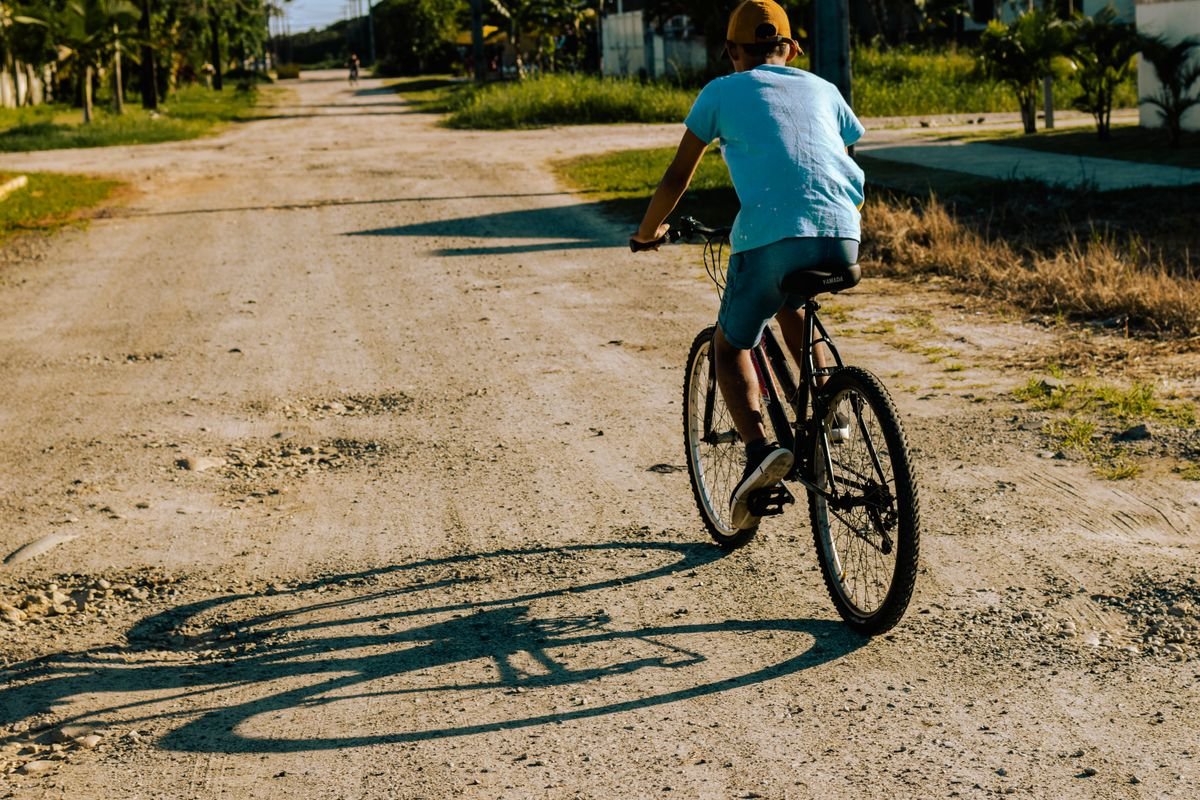
California defines an e-bike as a bicycle with working pedals and a motor that does not exceed 750 watts. AB 875 tests that definition first: an officer may impound a vehicle with fewer than four wheels that does not meet it — no working pedals, or a motor over the limit — whatever the seller called it.
Check the two things that decide it. First, pedals: the bike must have working pedals — a machine with no pedals at all is not an e-bike. Second, motor power: 750 watts is the ceiling. A bike with a motor rated above that is outside the e-bike definition, and California treats pedal-less, over-30-mph electric motorcycles as off-highway motor vehicles that need a driver’s licence with an M1 or M2 endorsement and DMV registration.
Then check the class — it decides who may ride:
| Class | Motor help up to | Pedalling required? | Who can ride |
|---|---|---|---|
| Class 1 | 20 mph | Yes | No age limit; helmet required for riders 17 and under |
| Class 2 | 20 mph | No — throttle allowed | 16 or older; helmet required for all ages |
| Class 3 | 28 mph | Yes | 16 or older; under-16 riding is the AB 875 trigger |
All three classes must have pedals. No pedals, or a motor over 750 watts, and it is not a legal e-bike — AB 875 lets an officer impound it. If it is a genuine Class 1, 2 or 3, move on: the rider’s age is next.

The TST above is a 750W-rated e-bike — inside the legal limit — at $529.99 as of November 24, 2026. Prices change; check the current price on Amazon.
Step 2: Check the rider’s age — Class 3 needs 16 or older
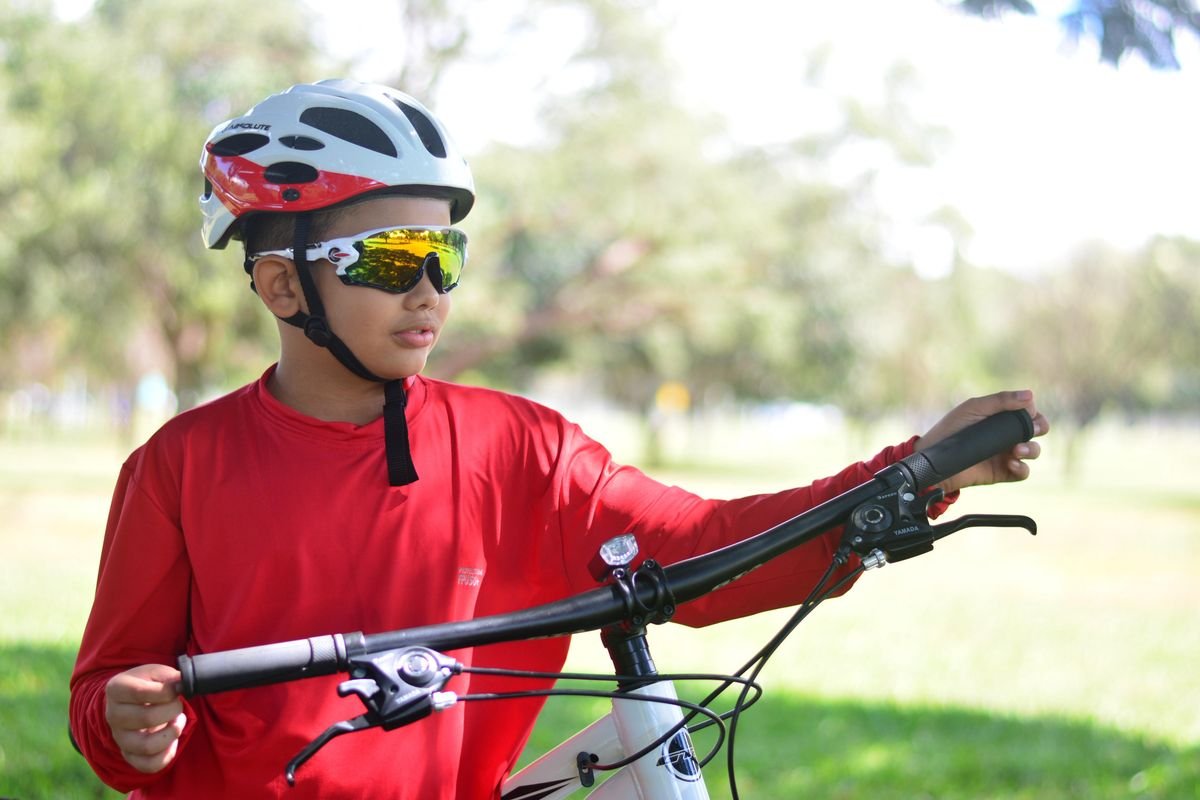
The age rule is the whole point of AB 875. Class 1 has no age limit, with a helmet required for riders 17 and under. Class 2 and Class 3 both require the rider to be 16 or older, with a helmet required for all ages — and Class 3 is the fastest, with motor help up to 28 mph.
So the answer turns on the rider’s birthday. A 15-year-old on a Class 3 is riding outside the age rule — exactly the situation AB 875 names. The same 15-year-old on a Class 1 is riding legally, provided the helmet rule is met.
Parents should check the class before buying, not after a stop. The class is printed on the bike’s classification label, and the three classes look alike on the road — a Class 3 and a Class 1 can be the same frame with a different motor tune. Buying for a rider under 16? A Class 1 is the safe choice. A Class 2 or Class 3 has to wait until the 16th birthday.
Step 3: Know what an officer can do — impound for at least 48 hours
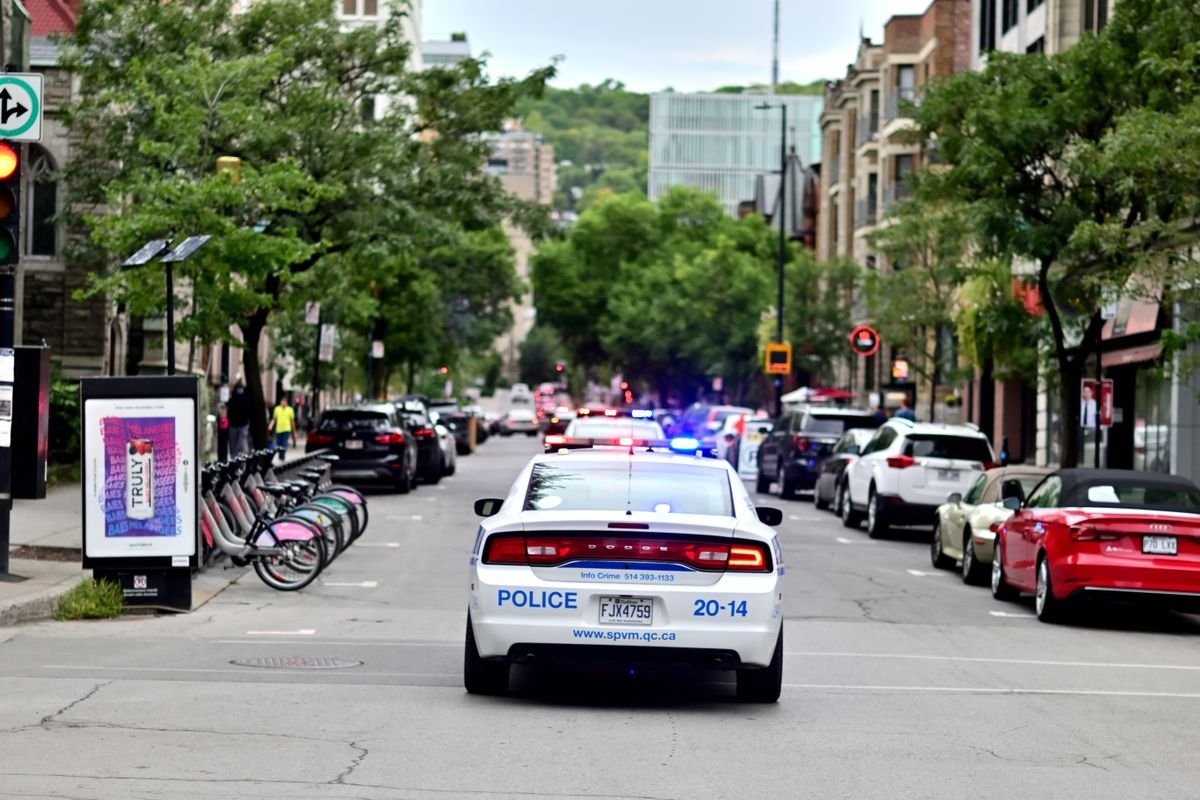
AB 875 lets a peace officer impound a vehicle for at least 48 hours in two situations. First, a vehicle with fewer than four wheels that does not meet the e-bike definition — the no-pedals or over-750W machine from Step 1. Second, a vehicle with an electric motor capable of over 20 mph on a highway where the operator is unlicensed, or where the operator is a child under 16 riding a Class 3 e-bike.
Three things about that power are worth knowing. First, “at least 48 hours” is a minimum, not a fixed term — the law sets the floor and the published summary gives no maximum. Second, impoundment is a hold, not a confiscation: the bike is taken and held, then released subject to the condition in the next step. Third, the law names no fine. No fine amount appears in the published summary, so this article gives none — anyone quoting a dollar figure for an AB 875 impoundment is inventing it.
The same stop can surface the helmet rule: helmets are required for anyone under 18, and for all ages on Class 2 and Class 3. Under a separate new law, AB 544, a minor with a helmet violation may take the CHP-developed online e-bike safety course instead.

The ZoulaGlide above is a 28 MPH step-through — a Class 3-style machine for riders 16 and older — at $471.20 as of November 24, 2026. Prices change; check the current price on Amazon.
Step 4: Know what release can require — a safety course

Getting the bike back is not automatic. Under AB 875, a safety course may be required as a condition of release when the impoundment involves a child under 16 on a Class 3. “May be required” is the law’s own wording — a condition the authorities can impose, not one that applies in every case.
The state’s approach is consistent: the remedy for a young rider’s first brush with the rules is education, not only a hold on the bike.
What the source does not say matters too. It does not say how the course is booked, how long it takes, or what it costs — so this article gives no figure for those. Nor does it say the bike is released automatically after 48 hours. Ask the impounding agency what conditions apply, and complete any required course before collecting the bike.
Step 5: Ride legal instead — the under-16 options

AB 875 does not take e-bikes away from children — it takes away one class. A rider under 16 can ride a Class 1 anywhere a regular bicycle is allowed on paved areas and multi-use trails, with a helmet if 17 or under. That is the legal ride for a 13-, 14- or 15-year-old: pedal assist up to 20 mph, on a machine with working pedals and a motor within the 750-watt limit.
Two more rules shape where that ride can happen. Class 3 e-bikes are banned from multi-use trails unless otherwise specified, so even an adult Class 3 rider must check trail rules. Local rules vary too: towns, cities and counties can set their own e-bike rules, and California State Parks publishes which parks allow which class.
Do not confuse the e-bike rules with the e-scooter rules. E-scooters are a separate category: riders must be at least 16 with a valid learner’s permit or licence, riders 17 and under must wear a helmet, the speed limit is 15 mph, and scooters may not be ridden on sidewalks. A 15-year-old cannot legally ride an e-scooter either — but that is a different rule, not AB 875.

The Zacro helmet above is CPSC-certified at $39.99 as of November 24, 2026. Prices change; check the current price on Amazon.
Why AB 875 exists
The law answers two problems. The first is machines that look like e-bikes but are not: high-powered, pedal-less devices sold as bicycles, ridden fast by people with no licence. AB 875 lets officers take those off the road for at least 48 hours. The second is children on the fastest class: a Class 3 helps its rider to 28 mph, and California decided that speed belongs to riders 16 and older.
The same package of laws draws the line both ways. AB 544, also in force from January 1, 2026, requires a red reflector or red light on the rear of an e-bike at all hours, not just after dark. And e-motorcycles are defined separately: no manufacturer-provided pedals, faster than 30 mph, treated like any off-highway motor vehicle — DOT helmets, an identification plate, DMV registration and an M1 or M2 licence, with riding banned on trails, bike lanes and sidewalks.
Tips that keep the ride legal
- Check the class label before you buy. The label says Class 1, 2 or 3. For a rider under 16, only Class 1 works.
- Check the motor rating. 750 watts is the ceiling for a legal e-bike. Over that, the machine is not an e-bike at all.
- Put a helmet on every ride. Helmets are required for anyone under 18, and for all ages on Class 2 and Class 3.
- Check local rules. Cities and counties can add restrictions, and trail access for Class 3 varies.
- Keep the rear light on. AB 544 requires a red reflector or red light on the rear at all hours, not only at night.
- E-scooter rules differ. 16 or older, learner’s permit or licence, 15 mph maximum, no sidewalks.
The verdict
Yes — under AB 875, police can impound a Class 3 e-bike ridden by a child under 16 for at least 48 hours, and a safety course may be required before release. The fix is simple: under-16s ride a Class 1, with a helmet, and the Class 3 waits until the 16th birthday.
Readers also ask
Can police impound my child’s Class 3 e-bike? Yes — for at least 48 hours.
How long is the impoundment? At least 48 hours; the published summary gives no maximum.
Is there a fine? No fine amount is published in the Go Safely California summary of AB 875. The law names impoundment and a possible safety course, not a fine.
What if the bike has no pedals? Then it is not an e-bike, and an officer may impound it on that ground alone. Pedal-less machines over 30 mph are treated as off-highway electric motorcycles, needing an M1 or M2 licence and DMV registration.
Can a 15-year-old ride any e-bike? Yes — a Class 1, with a helmet. Class 2 and Class 3 both need the rider to be 16 or older.
Related: San Diego Under-12 E-Bike Ban on Boardwalks and Parks. Also see the E-Bikes Hub.
Additional Details
Name: California AB 875 E-Bike Impound Under 16 Class 3
Description: Can police impound an e-bike ridden by a child under 16 on a Class 3? AB 875 allows at least 48 hours. The rules, the triggers, and the legal way to ride.
Published: November 24, 2026