Straight answer: for long-distance rides, the long range e-bike is the better choice — for most riders, though, the difference is range, not speed.
A commuter e-bike, such as the HOVERFLY OUREA 26″, covers up to 40 miles per charge at up to 20 MPH. A long range e-bike, such as the GOKEEP 1300W folding e-bike, covers up to 75 miles per charge at up to 28 MPH.
Choose the commuter e-bike if your longest day is under 40 miles and you can charge at home every night. Choose the long range e-bike if you regularly ride 40 to 75 miles between charges, ride hills or headwinds, or want reserve range so a dead battery never strands you.
Range is the deciding number. Top speeds are close, and both sides use 7-speed gears and removable batteries. Buy range first — everything else is a comfort detail.
Introduction
A commuter e-bike is built for the daily trip: short to medium rides, city streets, and a battery that recharges overnight. A long range e-bike is built for distance: a bigger battery, a longer reach between charges, and the reserve to cope with hills, wind, and heavier loads. On paper the two look almost identical — two wheels, a motor, pedal assist. On a long ride, the difference is a dead battery 15 miles from home.
The question is not which bike is faster. Most commuter and long range e-bikes travel at similar speeds, and both are limited by the same roads and the same rider. The question is how far you can ride before the battery decides for you — and whether the bike stays comfortable and reliable when the miles add up.
This guide compares the two side by side, then gives you a simple test to run before you buy, a setup method for long rides, and a plan for what to do if you already bought the wrong one. If you are still choosing your first e-bike, start with the E-Bikes Hub.
Commuter E-Bike vs Long Range E-Bike: The Core Comparison
| Attribute | Commuter E-Bike | Long Range E-Bike | What to Watch |
|---|---|---|---|
| Range per charge | Up to 40 miles — the HOVERFLY OUREA 26″, with a 750W peak motor, is the commuter example in our roundup | Up to 75 miles — the GOKEEP 1300W, with a 52V 13Ah battery, is the long range example | Judge by your longest day, not the average; hills, wind, and rider weight all cut stated range. |
| Battery | Removable, so you can charge it off the bike and carry a spare | Removable 52V 13Ah battery for long days away from a socket | A removable battery is worth more than a bigger one if you charge at work. |
| Motor and top speed | 750W peak motor, up to 20 MPH | 1300W motor, up to 28 MPH | Top speed is capped on most roads; torque on hills matters more. |
| Comfort and setup | Fat tyres and 7-speed gears, with a lockable suspension fork on the 26″ commuter pick | Front suspension, 7-speed gears, fat tyres, and a 330 lb load capacity | Test the saddle and riding position at your real distance, not on a quick lap. |
| Best for | Daily rides up to 40 miles, with charging at home every night | Rides of 40–75 miles, hilly or windy routes, and days with no charging stop | If your longest regular ride is over 40 miles, the commuter side will let you down. |
When the Answer Changes
The straight answer above holds for most riders. These five variables can move it — check them before you settle on a side, because any one of them can change the range you actually get.
- Your daily distance: If your longest regular ride is under 40 miles and you can charge at home, the commuter e-bike is enough. Over 40 miles, the long range e-bike is the safe pick.
- Hills and wind: Steep climbs and steady headwinds drain a battery faster than flat ground. If your route is hilly, treat the stated range as a best case.
- Carrying load: A loaded rack or a heavy rider asks more of the motor and battery. The GOKEEP 1300W is rated for a 330 lb load — a long range bike with a bigger battery handles weight better.
- Charging stops: If you can plug in at work or mid-ride, a smaller battery is fine. If there is no socket on your route, the extra range is your safety net.
- Battery age: A battery holds less charge as it ages. A long range bike starts with spare capacity, so an older battery still covers a long day.
Test Both E-Bikes Before You Choose
Do not buy on range figures alone. Two e-bikes with the same stated range can feel very different on a long day, so ride both on a route like your real one before you pay. A short test ride will not show a dead battery, a sore saddle, or brakes that fade after an hour — a real-distance test will.

- Ride each bike the full distance of your longest day, on the same route, and note the battery left at the end.
- Ride your steepest hill in a low gear and a high gear, and note whether the motor keeps up.
- After an hour of riding, brake firmly from a steady speed on a quiet stretch and feel for fade, squeal, or a spongy lever.
- Sit on the bike for 30 minutes without a break and check your hands, back, and knees for numbness or pain.
- Load the bike the way you will ride it — rack, bag, lock — and repeat the route.
What a fail looks like
| Symptom | Cause | Fix |
|---|---|---|
| Dead battery before the end of the ride | Battery too small for the route, or full assist used the whole way | Switch to a long range e-bike, or plan a charging stop mid-ride |
| Brakes feel weak after an hour | Pads worn or wet, or cheap pads fitted | Fit fresh pads and bed them in; check brake type before long rides |
| Hands or back go numb | Riding position too low or too stretched out | Adjust saddle and handlebars; a step-through frame can help |
| Motor struggles on hills | Motor too weak for the climb, or battery nearly flat | Choose a stronger motor or a bigger battery for hilly routes |
Myth: A bigger motor always means a better long range e-bike.
Fact: Range comes from battery size and how much assist you use. The GOKEEP 1300W covers up to 75 miles because it pairs its 1300W motor with a 52V 13Ah battery — a stronger motor with a small battery would not go any further.
⚠ Before you test: Wear a helmet for every test ride, and check the brakes before you set off. If the brakes feel weak or the tyres are soft, do not ride — get the bike checked first. Keep test rides on quiet roads while you are learning how an unfamiliar e-bike brakes and steers.
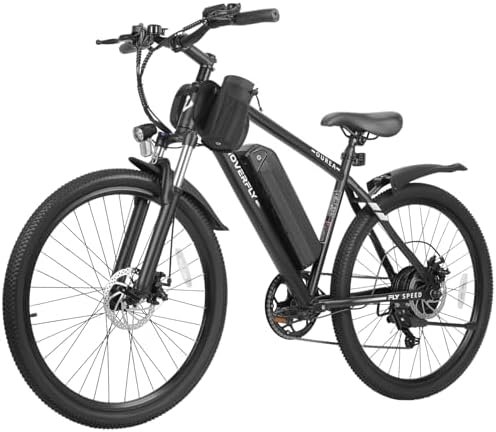
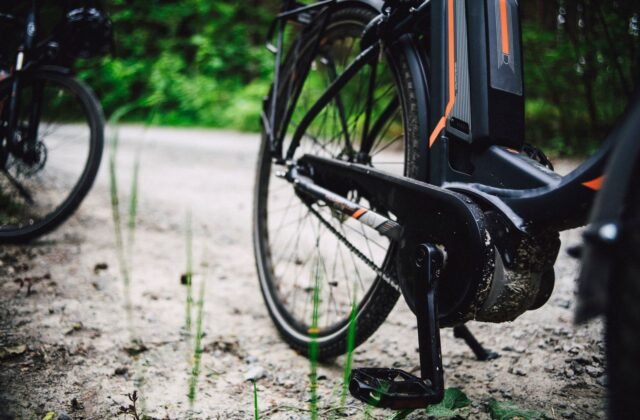
A 750W commuter e-bike with up to 40 miles of range — the commuter side of this comparison.
Set Up Your E-Bike for Long Rides

A long ride is won in the setup, not on the road. A commuter e-bike and a long range e-bike both need the same checks: a full battery, correct tyre pressure, and a riding position that stays comfortable for hours. Set up both bikes the same way, then let the range decide.
What you will need
- A full charge on both batteries — start at 100%.
- A tyre pump with a pressure gauge.
- A multi-tool for saddle and handlebar adjustments.
- Water, a snack, and a phone.
- A lock and a spare tube, if you carry them.
The method
- Charge both batteries fully and note the starting voltage or battery bars.
- Set the tyres to the pressure shown on the sidewall.
- Adjust the saddle so your leg is almost straight at the bottom of the pedal stroke.
- Ride your usual route at your usual assist level and note the battery left after 10 miles.
- Repeat the route with the other bike, at the same assist level, and compare.
Method note: Keep the assist level the same on both bikes. Riding one bike on full assist and the other on low assist tells you nothing about range — only which setting you used.
Do not test a new e-bike on its first charge. Use the second or third charge, so the battery has settled and the range you measure is the range you will get.
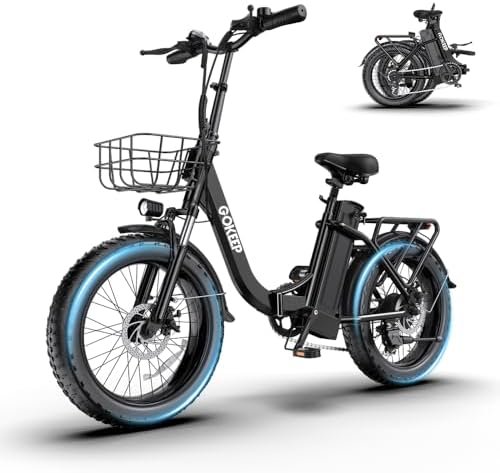
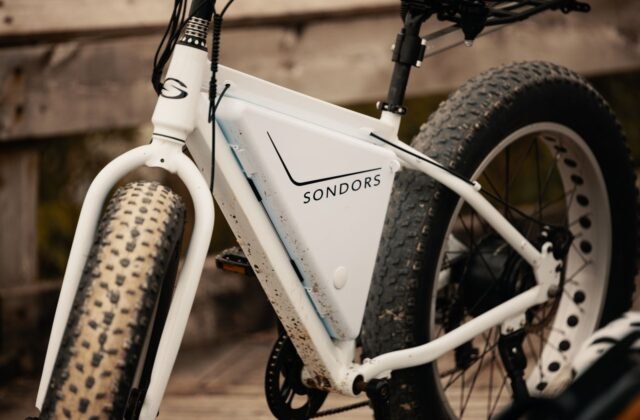
Up to 75 miles per charge — the long range side of this comparison, with a 52V 13Ah battery.
When the Damage Is Already Done
Bought the wrong side? It is not the end of the ride. A commuter e-bike that runs out of range, or a long range e-bike that is heavier than you like, can both be fixed — start by finding out which part of the bike is letting you down.
- Battery dies on long rides: Plan a charging stop, or carry the charger and top up while you eat.
- Bike too heavy to carry or store: Fit a lighter rack, or keep it in a garage or ground-floor room instead of carrying it upstairs.
- Riding position hurts: Adjust the saddle and handlebars before you blame the frame — most discomfort is fit, not the bike.
- Range keeps falling: An ageing battery loses capacity; a replacement battery restores most of the original range.
If none of that fixes it, change the bike. Buy the side that matches your longest ride, not your average one.
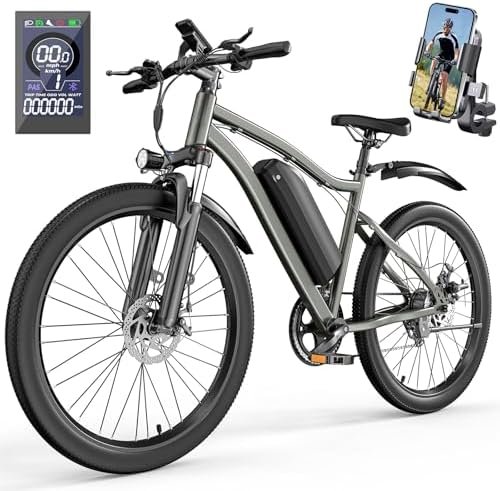
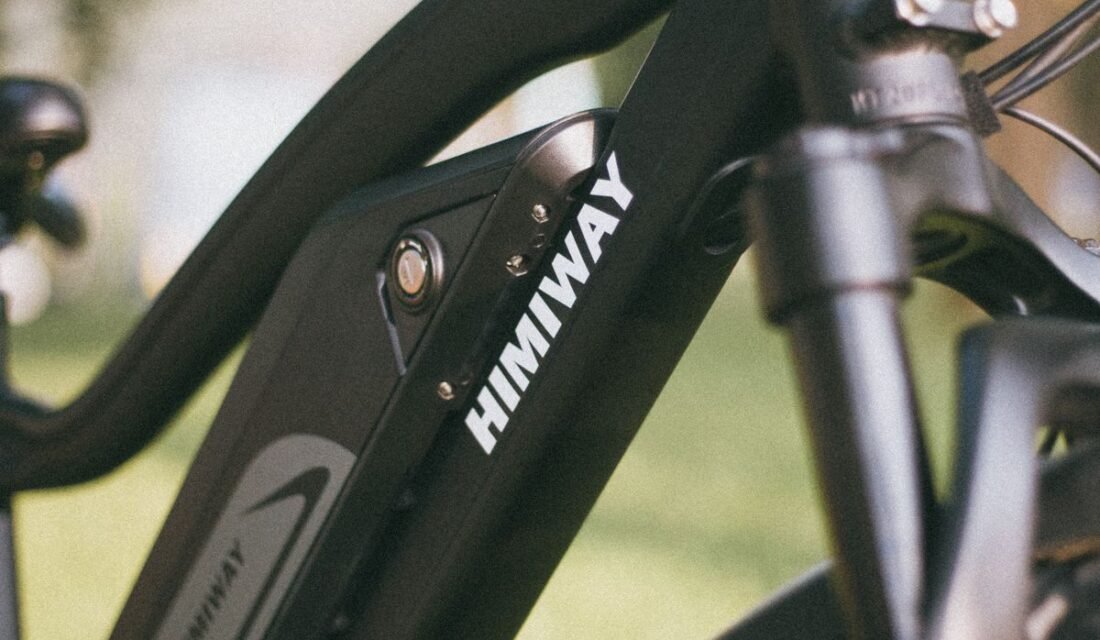
A 720W commuter e-bike with a 375Wh battery and up to 50 miles of range — a middle ground between the two sides.
The Safe Alternative: Choose the Long Range E-Bike
If the commuter side keeps leaving you short, switch sides. A long range e-bike covers the same daily rides, with reserve range for hills and wind.
- Work out your longest regular ride, then add 10 miles.
- Pick a bike with stated range above that number.
- Test the riding position for 30 minutes before you buy.
- Check the battery is removable for off-bike charging.
- Ride your usual route and compare the battery left.
What to Do Next, in Order
- Measure your longest regular ride.
- Test both bikes on that route.
- Compare the battery left after 10 miles.
- Check where you can charge mid-ride.
- Buy the side that covers your longest day.
Never Do These on a Long Ride
- Never start a long ride half-charged.
- Never ride full assist all day.
- Never skip the brake check.
- Never ignore a fading battery.
- Never trust stated range alone.
In short
For long rides, range decides. Under 40 miles with home charging, choose the commuter e-bike. Over 40 miles, choose the long range e-bike.
The essentials
- Buy range first, not top speed.
- Test at your longest distance.
- Keep the battery charged and removable.
- Plan charging stops on your route.
More Questions, Answered
How much further does a long range e-bike go?
About 35 miles further here: up to 75 miles against 40.
Can a commuter e-bike do a 50-mile ride?
Only with a charging stop — a 40-mile battery will not cover it.
Do I need a bigger motor for hills?
Not for range — battery size and assist level matter more.
Additional Details
Name: Commuter E-Bike vs Long Range E-Bike: Which Is Better for Long distance rides?
Description: Commuter e-bike vs long range e-bike: which is better for long-distance rides? Compare range, battery, comfort and cost, then pick the right bike today.
Published: November 9, 2026