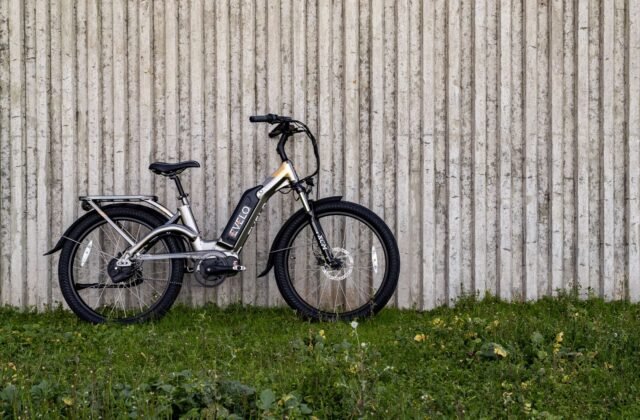
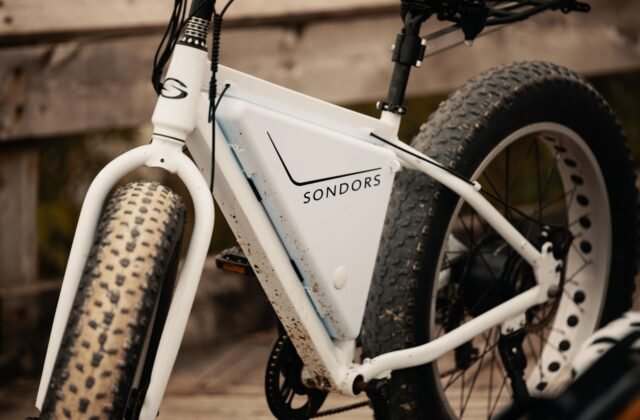
Folding e-bike vs road e-bike: for most seniors, the folding e-bike is the better choice. It is easier to store, simpler to get on and off, and easier to lift into a car boot or a hallway. Its smaller wheels and upright position make slow riding and stopping feel steadier. A road e-bike wins only for a senior who already rides regularly, wants to cover longer distances on smooth roads, and has somewhere easy to store a full-size bike.
A folding e-bike and a road e-bike look like answers to the same question — an easier ride with motor help — but they solve different problems. A folding e-bike folds in half, and often at the handlebars too, so it fits in a car boot, a hallway cupboard or a corner of a flat. A road e-bike stays full-size: it is built light and long, with narrow tyres and a forward-leaning position, for fast riding on smooth roads.
For a senior rider, the difference is not speed. It is getting on and off safely, stopping with confidence, lifting the bike when it has to be carried, and knowing where it will live between rides. This guide compares the two for senior riders only: balance, comfort, storage, lifting and everyday riding — not racing.
See the E-Bikes Hub for the rest of the e-bike comparisons.
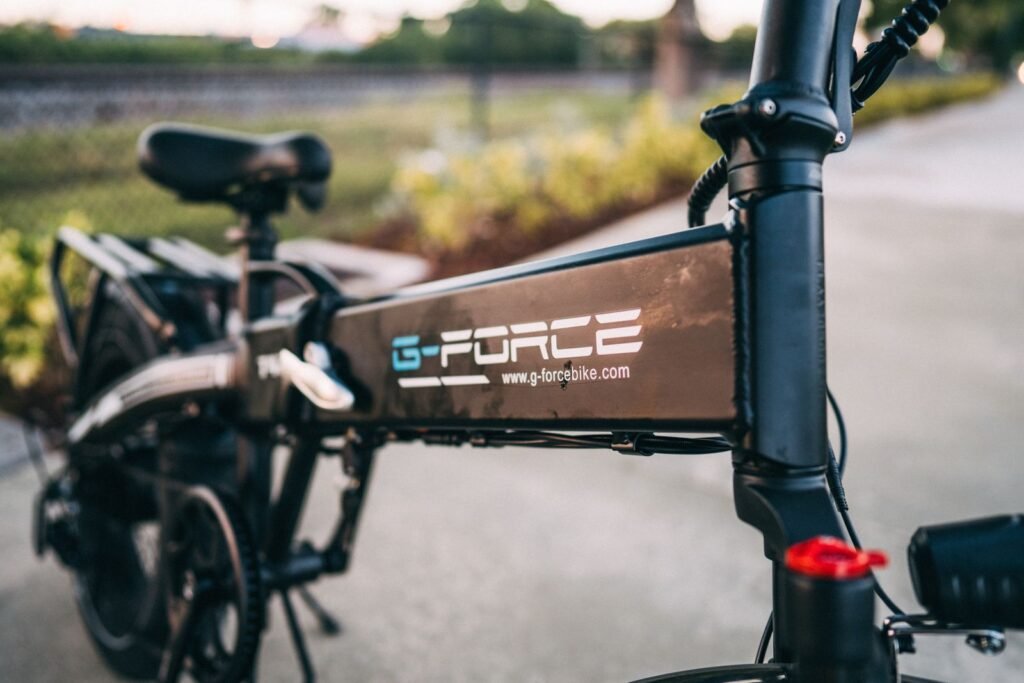

Folding e-bike vs road e-bike for seniors
The table is the whole comparison in one place. Read the storage and mounting rows first: if a bike cannot be stored and reached easily, the rest of the comparison matters less.
| Attribute | Folding e-bike | Road e-bike | What to watch |
|---|---|---|---|
| Storage | Folds to fit a car boot, cupboard or hallway | Full-size; needs a garage, shed or bike room | Measure your storage space first |
| Getting on and off | Low step-over or step-through frames are common | Higher top tube and a forward lean | Step over it in the shop before buying |
| Riding position | Upright, with a clear view of the road | Low and forward, more weight on hands and wrists | Upright is kinder to neck, back and wrists |
| Wheels and stability | Smaller wheels; stable at low speed, twitchier at high speed | Larger, narrow wheels; steady at speed, less steady when slow | Test slow turns and stops |
| Lifting and carrying | Often heavier for its size, but folds into a shape you can wheel or carry | Lighter overall, but long, awkward and hard to fit in a car | Lift it the way you would at home |
| Best for | Short local rides, errands and trips by car or train | Longer rides on smooth roads by a confident, regular rider | Match the bike to your usual ride |
The pattern is consistent: the folding e-bike is built around everyday life — storage, short rides and carrying it when you are not riding. The road e-bike is built around the ride itself. For a senior who rides a few miles at a time and stores the bike at home, the folding e-bike fits the life around the ride better.
When the answer changes
Five things can flip the verdict. Distance: if your regular ride is long and mostly on smooth roads, a road e-bike covers it with less effort and more comfort at speed. Storage: if you have a garage with a level entrance and a bike rack, the road e-bike’s size stops mattering. Confidence: a senior who has ridden road bikes for years will feel at home on a road e-bike, while a folding e-bike may feel small and twitchy.
Lifting: if stairs are unavoidable, the road e-bike’s lighter frame helps — but only if you can also manage its length. Joints: sore wrists, neck or back push the answer back to the folding e-bike, because its upright position puts less weight on your hands. In short, the road e-bike wins only for a confident rider on longer, smooth rides with easy storage. For more on folding bikes, see Folding E-Bike vs Cargo E-Bike and Folding E-Bike vs Step-Through E-Bike.
Test it before you decide
Do not decide from a showroom spin in an empty car park. Ride the route you actually use, at the speed you actually ride, and fold the bike the way you would at home.
- Sit on the bike and put both feet flat on the ground. If you cannot, the frame is too tall for you.
- Ride a quiet street first. Start, stop, turn both ways and ride slowly. Note balance, steering and braking.
- Practise folding and unfolding it where you would do it at home, then lift the folded bike into the car boot.
- Ride over a rough patch and a short hill, then stop on the hill and start again.
- Get off and on again five times. If your hip or knee complains, the step-over is too high.
What a fail looks like
- You wobble at walking pace → the riding position or wheel size does not suit slow riding → try a wider, upright folding e-bike, and check the saddle height.
- Your wrists or neck ache after a few minutes → too much weight is on your hands → raise the handlebars, or choose a more upright bike.
- You cannot lift the folded bike → it is too heavy for stairs or the car → practise wheeling it instead, and check the weight before you buy.
- Braking feels long and unsure → the brakes or your hand strength are not matched to the bike → ask the shop to check the brakes, and try a model with brakes you can pull easily.
Myth vs Fact
Myth: Folding e-bikes are only for young commuters.
Fact: Folding e-bikes suit many senior riders precisely because they are upright, easy to store and easy to get on and off. What matters is the frame shape and your own balance, not your age.
Before you test: Check brakes, tyre pressure and folding latches first, wear a helmet, and choose a quiet route for the first ride. Never test an unfamiliar bike in busy traffic, and take someone with you if you are trying a bike after a long break from cycling.

How to choose and set up a folding e-bike for a senior rider
A folding e-bike only helps a senior rider if it is set up for them. A saddle that is too high, a latch that is stiff, or handlebars that are too low will undo the benefits of the fold.
What you will need
- A folding e-bike with a low step-over or a step-through frame.
- A helmet that fits, and gloves if your grip gets tired.
- A pump, a lock and lights that you can work easily.
- A small bag for the things you carry on the bike.
The method
- Set the saddle so both feet can touch the ground when you stop.
- Raise the handlebars until your back is upright and your wrists are straight.
- Check every folding latch closes firmly, and practise opening and closing them until it feels easy.
- Put the battery on and take it off once, so you know you can do it at home.
- Fit the lock and lights where you can reach them without stretching.
- Ride a short test, stop, and recheck the latches, brakes and tyre pressure.
Set-up rule: Low saddle first, then upright handlebars. If you feel stretched or perched, stop and adjust — small changes make a big difference on a folding e-bike.

When the damage is already done
If you already bought a road e-bike and now find it hard to store, lift or ride slowly, work through this list first — most problems have a fix short of a new bike.
- Too tall to get on and off: Ask a bike shop about a lower saddle, a shorter stem or a step-through frame. If getting on still feels unsafe, the bike is the wrong shape — see the folding vs step-through comparison.
- Nowhere to store it: A wall hook or a vertical stand can get a full-size bike out of the way, if you can lift it. If you cannot, that is the sign the folding e-bike was the right call.
- Wrists and neck ache: Raise the handlebars and fit wider, swept-back bars. If the ache stays, the road position is the problem, not your fitness.
- Too heavy to lift into the car: Take the battery and the wheels off before lifting, and use a car rack. If stairs are part of every ride, a lighter folding e-bike will change everything.
- Riding feels twitchy at low speed: Slow down, look further ahead, and practise slow turns in a car park. If confidence does not come back, a wider-tyred folding e-bike will feel steadier — and better brakes help too, as the disc brake vs rim brake comparison explains.
The road e-bike as a safe alternative
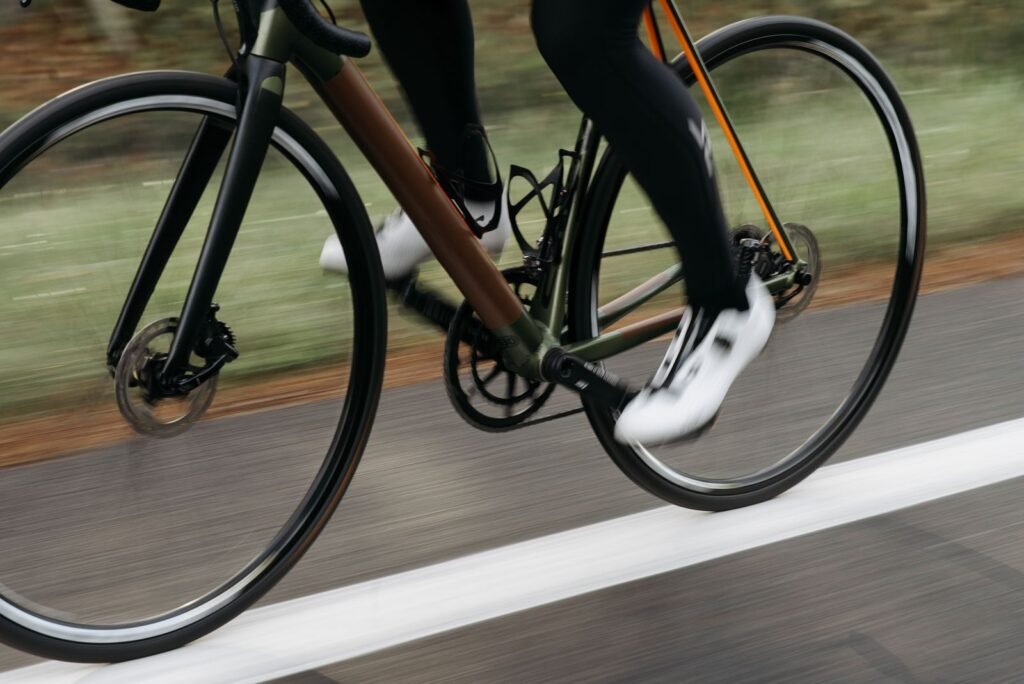
There is one honest case for the road e-bike: you already ride regularly, your rides are longer and mostly on smooth roads, and you have easy, level storage. In that case, do not force the road e-bike to be a folding bike — keep it for what it is good at. See the commuter vs road comparison and the best electric road bike guide for the full-size options.
- Keep rides to smooth, familiar roads, and avoid routes with stairs, trains or tight storage.
- Fit the widest tyres the frame allows, and keep them at the pressure the shop recommends for your weight.
- Raise the handlebars a little and fit a saddle you can sit on comfortably for a long ride.
- Check brakes, steering and your view of the road before every ride, and ride with a friend when you are trying a new route.
What to do next, in order
- Write down your usual ride: how far, how often, and where the bike sleeps.
- If storage is tight or lifting is involved, choose a folding e-bike with a low step-over.
- If your rides are long, smooth and regular, a road e-bike is a fair choice.
- Test both on your real route, folding the folding e-bike at home, before you buy.
- Set the saddle low and the handlebars high, and check the folding latches and brakes.
- Recheck the latches, brakes and tyre pressure monthly, and after any knock.
Never do this
- Never ride with a folding latch that is not fully closed — the bike can fold under you.
- Never carry a folded e-bike up stairs by one handle — lift with both hands, or wheel it.
- Never ride your first trip in busy traffic — practise on a quiet route first.
- Never buy a bike you cannot get on and off with both feet down — the frame is too tall.
- Never ignore aching wrists or a sore neck — it means the riding position is wrong for you.
In short
For most seniors, the folding e-bike wins because it fits the life around the ride: it stores in a cupboard or a car boot, it is upright and easy to get on and off, and it is steadier at the slow speeds of everyday riding. The road e-bike is faster and lighter, but it needs full-size storage and a confident rider on smooth roads. Choose by your storage and your usual ride, test both on your real route, and set the saddle low and the handlebars high.
The essentials
- Folding e-bike: best for most seniors — easy storage, easy mounting, steady at slow speeds.
- Road e-bike: best only for confident, regular riders on longer, smooth rides.
- Storage and lifting decide the comparison — measure them first.
- Set the saddle low enough to put both feet down, and the handlebars high and upright.
- Test the fold and the lift at home before you buy.
More Questions, Answered
Can a senior ride a folding e-bike safely?
Yes, if the frame suits you: a low step-over, a saddle low enough for both feet to touch the ground, and brakes you can pull easily. Practise folding, mounting and slow turns on a quiet route first, and always check the folding latches before you ride.
Is a road e-bike too fast for a senior rider?
Not by itself — the motor assistance and your own pedalling set the speed, and a road e-bike can be ridden slowly. The issue is the position and the size: a low, forward lean and a full-size frame suit a confident rider who already rides regularly.
Which e-bike is easier to store in a flat?
A folding e-bike, by a long way. It folds to fit a cupboard, a hallway corner or a car boot, while a road e-bike needs a full-size space such as a garage or a bike room. Measure your space and the folded bike before you decide.
Are folding e-bikes harder to ride than road e-bikes?
They feel different, not harder. Smaller wheels can feel twitchier at speed, but a folding e-bike feels steadier at walking pace, which is where everyday riding happens. A slow test ride tells you more than any review.
Additional Details
- Name: Folding E-Bike vs Road E-Bike: Which Is Better for Seniors?
- Description: Folding e-bike vs road e-bike for seniors: which is safer, easier to store and simpler to ride? Compare both, then run the test that decides it before you buy.
- Published: November 9, 2026