Straight answer: In a road e-bike vs long range e-bike comparison, the long range e-bike is better for most weekend rides. It finishes the ride you actually plan — a long loop, with stops and hills — without battery worry. A road e-bike is faster on smooth tarmac, but most weekend rides are not races, and a bike that runs out of charge is not the better weekend bike.
The numbers explain why. A road-style e-bike in this comparison claims up to 40+ miles per charge at up to 25 MPH. A long-range model claims up to 80 miles. Plan on about two-thirds of any claimed range in real riding — hills, wind, cold and a heavy load all cut it — and the gap stays large: roughly 27 miles of usable range against roughly 53. That is the difference between turning back early and finishing the loop you planned.
A road e-bike and a long range e-bike look similar: both have a motor, a battery and pedals. The difference is what each one is built to do. A road e-bike is built for speed on smooth roads: light, narrow tyres, a low riding position and a battery sized for a fast ride, not a long one. A long range e-bike is built for distance: a bigger battery, a more upright position and tyres and gearing that stay comfortable for hours.
Weekend rides test that difference in a way a short commute never does. They are longer, slower and less predictable: a hill you forgot, a headwind on the way home, a detour to a cafe, a friend who rides slower than you. This guide compares the two for weekend rides only, using the same test on both — your real weekend loop. For wider comparisons, see the E-Bikes Hub, and the road e-bike vs throttle e-bike guide if you are new to e-bikes.
Road E-Bike vs Long Range E-Bike for Weekend Rides
A road e-bike is a shape and a riding position: light, low and built for smooth tarmac. A long range e-bike is a battery and a promise: more charge, a more upright position and comfort that lasts for hours. The table compares them on a weekend ride, not on a specification sheet.
| Attribute | Road E-Bike | Long Range E-Bike | What to watch |
|---|---|---|---|
| Range per charge | Shorter; speed and a smaller battery drain it faster | Longer; a bigger battery is the point | Plan on two-thirds of the claim |
| Speed on smooth roads | Faster; light frame and narrow tyres hold speed | Slower; heavier frame and wider tyres add drag | Test at your cruising speed |
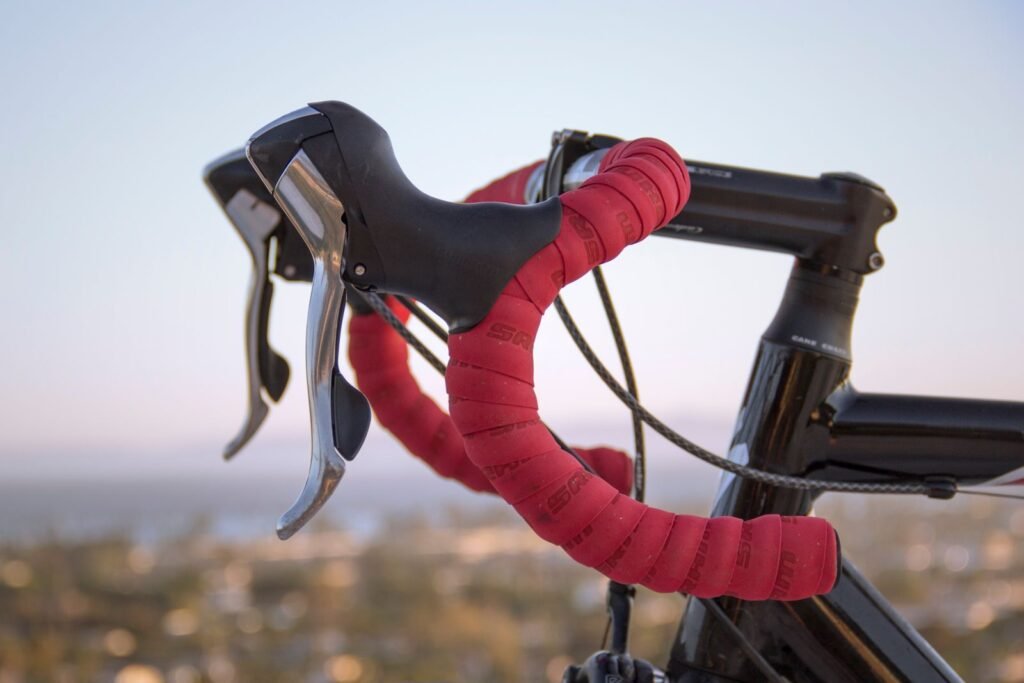
| Comfort over hours | Low and forward; wrists, neck and back tire first | Upright; easier to stay comfortable for hours | Judge after an hour, not ten minutes |
| Hills | Strong on smooth climbs with hard pedalling | Steady; a bigger battery leaves more in reserve | Ride your steepest hill |
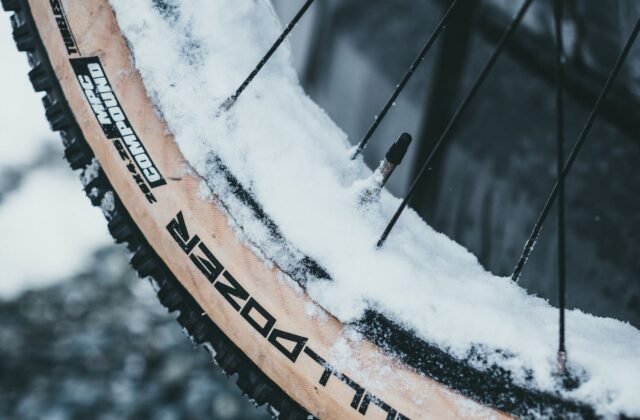
| Rough surfaces | Narrow tyres slip and rattle on gravel | Wider tyres cope better | Ride your worst surface |
| Weight and carrying | Lighter; easier to lift and carry | Heavier; harder to lift onto a rack | Lift it with the battery out |
| Stops and cafes | Quick to start; harder to mount if high | Easy to stop, get off and start again | Stop five times on the loop |
| Best weekend ride | Short, fast loops on smooth roads | Long loops and all-day rides | Match it to your longest ride |

When the Answer Changes
The verdict above holds for most weekend riders. Four variables can flip it:
- Your distance: Under about 25 miles on smooth roads, the road e-bike wins: you finish before the battery matters, and the extra speed is real. Past that point, range is the problem, and the long range e-bike takes over.
- Your route: A flat, smooth loop with a cafe stop suits the road e-bike. Add hills, wind, gravel or a rough towpath, and the long range e-bike pulls ahead: wider tyres grip, the upright position stays comfortable, and the bigger battery leaves a margin.
- Your body: If your back, wrists or knees complain after an hour low down, the road e-bike is wrong for a long weekend, whatever the route. Comfort decides a weekend ride; speed only decides a race.
- Your company: Riding with a slower friend, a child, or a group that stops often suits the long range e-bike: easy starts, easy stops, no rush. Riding alone, fast, on empty roads is where the road e-bike earns its keep. For loaded weekends, see the electric mountain bike vs long range e-bike comparison.
The Weekend Test That Decides It
Do not decide from a specification sheet. Ride both bikes on the same weekend loop, in the same clothes, with the same bag. One ride shows you more than a week of reading.
- Pick your real loop: the distance, hills and surfaces you actually ride, with a cafe stop in the middle.
- Ride it on the road e-bike first. Note speed, comfort and battery left.
- Ride the same loop on the long range e-bike, the next day if you can. Note the same three things.
- Stop five times on each ride. Mount, dismount and restart — the test most buyers skip, and the one that decides a weekend.
- Ride the roughest stretch on both. Gravel, potholes and a steep hill tell you more than a smooth road.
- Choose the bike that finished the loop with charge left and you still comfortable — not the fastest for the first hour.
What a Fail Looks Like
| Symptom | Cause | Fix |
|---|---|---|
| Battery below a quarter with miles still to ride | Too much assist, or the loop is too long for the bike | Drop one assist level, pedal more, and shorten the loop |
| Sore wrists, neck or back after an hour | The riding position is too low or too long for you | Raise the bars and fit a shorter stem; if it still hurts, the frame is wrong |
| You dread the hills, or the motor fades near the top | The battery is low, or the gear is too high | Shift down early, charge fully, and save top assist for the climb |
Myth vs Fact:
Myth: A bigger motor always means a longer ride.
Fact: Range comes from battery size, assist level and how much you pedal — a bigger motor can drain a battery faster.
Myth: Claimed range is what you will get.
Fact: Claimed range is measured in easy conditions, usually with light pedalling on flat ground. Plan on about two-thirds of it.
Before you test: Wear a helmet, check the brakes and tyre pressure, and test in a quiet area first. Learn the assist controls before you join traffic, and never test a new bike at full speed on a busy road.
How to Plan a Weekend Ride on Either Bike
A weekend ride needs a plan, not just a bike. Use this method once you have ridden both types; it turns a vague feeling into a decision.
What You Will Need
- A helmet and gloves, and clothing that stays comfortable for hours.
- A charged battery, and the charger for a mid-ride stop.
- A pump, a repair kit, and a lock.
- Water and a snack you can reach without stopping.
- Your usual bag, loaded as you will ride.
The Method
- Plan the route around the battery. Mark distance, climbs and charging points, and keep a margin.
- Start in a low gear with low assist, then raise it one level at a time until the effort feels right.
- Ride in order: smooth ground first, then gravel, then your steepest hill last.
- Stop halfway, check the battery, stretch and drink. If you have used more than half the charge, shorten the loop.
- Keep a turnaround point. Decide where you will turn back if the battery or your energy drops, and stick to it.
- Ride the same route on the other bike and compare battery left and comfort.
Note: Claimed ranges are measured in easy conditions. Plan your ride on about two-thirds of the claimed range, and less again in hills, wind or cold weather.
Warning: Do not plan a ride that ends with an empty battery. A heavy e-bike is hard to pedal or push home, and a flat battery leaves you with no assist at all.

When the Damage Is Already Done
If you already bought the wrong one, you do not need to start again. Change how you ride it:
- Battery runs out too soon: Ride in a lower assist level, pedal more, and plan shorter loops with a charging stop.
- The bike is too heavy to lift: Keep it on the ground floor and use a ramp. Do not carry a heavy e-bike up steps alone.
- Your back or wrists hurt: Raise the bars and fit a shorter stem. If pain keeps coming back, get a bike fit before you ride further.
- It rattles on your route: Fit the widest tyres the frame allows. If it only takes narrow tyres, no tyre can fix that.
For the closest comparisons, see the commuter e-bike vs long range e-bike guide and the fat-tyre e-bike vs long range e-bike guide.
The Safe Alternative: A Road E-Bike Set Up for Long Weekends
If the long range e-bike feels too heavy or too slow, set a road e-bike up for comfort instead:
- Smallest frame that fits, with a shorter stem, so you sit more upright.
- Widest tyres the frame allows, slightly softer than maximum pressure.
- Rear rack and small pannier instead of a backpack, plus a lock.
- Charging stop on any loop over about 25 miles, and carry the charger.
If it still hurts, or the battery still runs out, the road position is not for you — see the road e-bike vs hybrid e-bike comparison.

What to Do Next, in Order
- Write down your usual loop: distance, hills, surfaces, stops.
- Test both bikes on that loop.
- Compare battery left, comfort, and how fresh you felt.
- Choose the bike that finished with charge left.
Never Do This
- Never buy on motor watts alone: Battery, weight and assist matter more.
- Never plan on the full claimed range: Plan on two-thirds.
- Never use full assist on a first ride: Learn the controls first.
- Never buy without a test ride on your own loop.
In Short
For most weekend rides, the long range e-bike is better: it finishes the long loop and leaves charge in reserve. A road e-bike wins only short, fast loops on smooth roads. Test both on your own loop.
The Essentials
- Long range wins most weekends.
- Plan on two-thirds of the claimed range.
- Comfort matters more than top speed.
- Test both on your real loop.
More Questions, Answered
Can a road e-bike handle a long weekend ride?
Yes, with a charging stop. Without one, the battery runs out first.
Is a long range e-bike too heavy for a weekend ride?
Heavier to lift, but the motor carries it. Remove the battery first.
How far is a long weekend ride for an e-bike?
Over 25 miles, or with steep hills, choose for range first.
Additional Details
Name: Road E-Bike vs Long Range E-Bike: Which Is Better for Weekend rides?
Description: Road e-bike vs long range e-bike for weekend rides: compare range, speed, comfort and weight, then test both on your real loop before you choose your bike.
Published: November 10, 2026