Straight answer: For most winter riders, a long range e-bike is better. Its larger battery leaves a reserve when cold cuts usable range, so a normal ride still finishes with charge to spare. A cargo e-bike is better only when you regularly carry children, groceries or a heavy load — then carrying capacity matters more than extra miles.
That split is the whole decision. Winter does not change what each bike is for; it makes the weak point of each one harder to ignore. A long range bike runs out of excuses in the cold, while a cargo bike runs out of charge sooner when it is loaded and cold at the same time.
So start with your real winter day, not the bike you like most. If your ride is a longer commute in cold weather, with a light bag, range is your problem. If your ride is a short school run or a shopping trip with a heavy load, carrying is your problem. The bike that solves your problem wins, and this guide tests both against winter, step by step.
Cargo E-Bike vs Long Range E-Bike: Winter Comparison
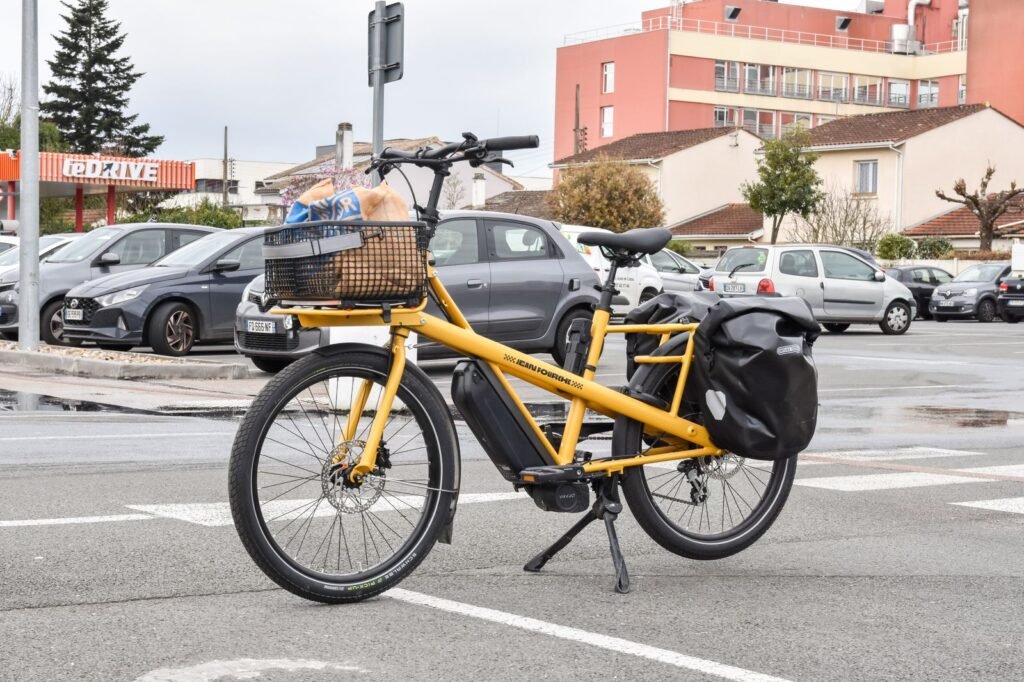
A cargo e-bike is built to carry. It has a long rear deck or a front box, strong racks and a frame made for weight. A long range e-bike is built to go further on one charge. It has a larger battery, and often a more efficient motor setup, so it holds its range better when conditions turn bad.
In winter, both face the same problems: cold batteries, wet brakes, slush and shorter days. The difference is which problem bites first. On a cargo bike, the load eats into range. On a long range bike, the load limit eats into what you can carry. The table below compares them on the points that matter in winter.
| Attribute | Cargo E-Bike | Long Range E-Bike | What to watch |
|---|---|---|---|
| Winter range | Smaller reserve; a heavy load uses charge faster in the cold | Larger battery, so more reserve when cold cuts usable range | Plan for less range than the listed figure in cold weather |
| Carrying a load | Built for it: racks, a long deck or box, higher payload | Limited: a standard rack and lighter loads | Check the payload limit in the manual |
| Handling in snow and slush | Heavier and steadier at low speed, but harder to push or lift | Lighter and easier to walk, push and park | Fat or winter tyres help both types |
| Battery in the cold | Same cold effect, with less spare capacity | More spare capacity to absorb the cold loss | Store and charge the battery indoors |
| Stopping | Longer stopping distance when loaded | Shorter stopping distance, easier to control | Brake early on wet and icy roads |
| Best winter use | School runs, shopping and family loads | Longer commutes and cold morning rides | Match the bike to your daily load and distance |

When the Answer Changes in Winter
The long range bike wins for most riders, but the answer flips in a few common winter cases. Check which of these matches your ride.
- Your trips are short. If every winter ride is a few miles, range is not the limiting factor — even a cargo bike with a smaller reserve will finish the trip. Carrying wins.
- You carry a load every day. Children, weekly shopping or a heavy work bag changes the maths. A long range bike cannot carry what a cargo bike can, however far it goes.
- Your commute is long and cold. This is where the long range bike pulls ahead. A longer, colder ride uses more charge, and the reserve is what gets you home.
How to Test Which E-Bike Fits Your Winter Ride
Do this test on a cold day, with your usual winter load, before you commit. Borrow or hire the type you are considering if you can, and ride the route you will actually use.
- Ride your exact winter route. Take the roads, hills and stops you use every day, with the load you normally carry. A test on a flat, dry road tells you nothing about winter.
- Note the battery at the start and the end. Write down the charge level before you leave and when you get back. If the ride used more than half the charge in the cold, your reserve is too small for a bad-weather day.
- Test braking on a quiet wet or slushy stretch. Brake gently and early. If the bike stops cleanly and in a straight line, it suits you. If it slides or the brakes feel weak, change your speed or plan, not your confidence.
- Judge the ride, not the first five minutes. Cold hands, a wet saddle and a fading battery all appear later in a ride. Finish the whole route before you decide.
What a Fail Looks Like
- Battery gauge drops much faster than expected → cold and load draining the reserve → charge the battery indoors, use a lower assist level, and shorten the route or choose a long range bike.
- Rear wheel spins on slush → poor grip or too much weight over the back → stay seated, use lower assist, and check that your tyres suit snow and slush.
Myth: A cargo e-bike is always safer in winter because it is heavier.
Fact: Weight helps stability at low speed, but it also makes stopping distances longer and the bike harder to control if it slides. Tyres, brakes and a sensible speed matter more than weight alone.
Before you test: Check the brakes, tyres and battery charge before every winter ride, wear a helmet and gloves, and use lights even in daylight when it is grey or snowing. Do not test on ice. If the road is icy, walk the bike and test another day.
How to Ride a Long Range E-Bike in Winter
For most winter riders this is the main method: a long range e-bike with a big battery, ridden with a reserve. It is simple, but it only works if you look after the battery and keep a margin for the cold.
What You Will Need
- A long range e-bike with a fully charged battery
- A warm, dry place indoors to store and charge the battery
- Insulated gloves and a helmet
- Front and rear lights
The Method
- Store and charge the battery indoors at room temperature. Fit it to the bike just before you ride. A warm battery gives more usable range than a cold one, and the battery care guide on this site explains why indoor storage matters.
- Start with a full charge. In winter, do not set off with half a battery on a ride that used a quarter of it in summer. Cold, wind and slush all use extra charge.
- Keep a reserve. Plan to arrive with charge left. If your route is longer than usual, or the weather turns, that reserve is what gets you home.
- Ride for the surface, not the speed. Brake early, keep your speed down on slush and wet leaves, and stay in the tyre tracks of other traffic where the surface is clearer.
- Clean up after the ride. Wipe the bike down, dry the chain and brakes, take the battery indoors, and recharge before your next ride so it is ready in the morning.

When the Damage Is Already Done
If you already own the wrong bike for your winter ride, you do not have to replace it straight away. Most winter problems can be reduced, even if they cannot be removed.
- You bought a cargo bike, but the range falls short in the cold. Carry less when you can, use a lower assist level, charge the battery indoors and plan shorter loops. Charge at your destination if you can, and keep the longest rides for milder days.
- You bought a long range bike, but you cannot carry the load. Add a rear rack and panniers that are rated for the load, keep heavy items low and centred, and never exceed the payload in the manual. For a regular child or shopping load, a cargo bike may still be the right next step.
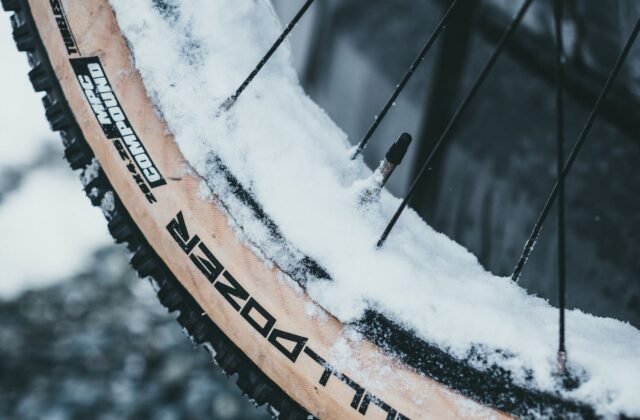
- Your tyres slip on snow and slush. Change to fat or winter tyres that fit your bike, keep them at the pressure in the manual, and slow down sooner than you think you need to.
The Safe Alternative: Choose the Cargo E-Bike When the Load Matters in Winter
If carrying is your daily job, the cargo bike is the safe alternative, even in winter — see Cargo E-Bike vs Pedal Assist E-Bike for how carrying changes a ride.
- Choose a cargo model with capacity to spare. Pick a payload that covers your usual load plus winter clothing and bags.
- Fit tyres for winter and load low. Fat or winter tyres give grip on snow and slush; keep heavy items low and centred.
- Test loaded, on a dry day first. Learn how the loaded bike brakes before you need it in traffic, then try a short ride in slush.

What to Do Next, in Order
- Measure your real winter route and your daily load.
- Decide: daily load means cargo; distance and cold mean long range.
- Check battery size, payload limit and tyres in the manual, then test ride loaded on a cold day.
More winter e-bike comparisons are in the E-Bikes Hub.
Never Do This in Winter
- Never charge a battery that is still freezing cold. Let it reach room temperature first.
- Never ride on ice as if it were dry tarmac. Slow down, or walk the bike.
- Never load a bike beyond its payload limit. The limit is there for braking and handling.
- Never leave the battery outside overnight in frost. Cold nights cut the next day’s range.
In Short
For most winter riders, a long range e-bike is better, because its larger battery gives a reserve when the cold cuts usable range. A cargo e-bike is better when you carry a heavy load every day, because no amount of range helps if the bike cannot carry what you need. Match the bike to the load and the distance, test it loaded on a cold day, and look after the battery indoors.
The Essentials
- Long range wins for most winter riders; cargo wins for regular heavy loads.
- Cold cuts usable range, so keep a charge reserve in winter.
- Store and charge the battery indoors at room temperature.
- Test your real route, loaded, on a cold day before you decide.
More Questions, Answered
Is a cargo e-bike good in winter?
Yes, for carrying. It is stable at low speed and built for loads, but its range falls faster in the cold. It suits short, loaded winter trips best.
Does cold reduce e-bike range?
Yes. A cold battery gives less usable energy, so the same ride uses more of the charge — which is why a long range bike holds up better in winter.
Should I store my e-bike battery inside in winter?
Yes. Store and charge it indoors at room temperature, and fit it just before you ride. A battery left outside in frost will give less range the next day.
Additional Details
Name: Cargo E-Bike vs Long Range E-Bike: Which Is Better for Winter?
Description: Cargo e-bike vs long range e-bike in winter: which holds its range, carries a load and stays safe in cold, snow and slush? Compare both and choose right.
Published: November 10, 2026