For most daily rides, a commuter e-bike wins. It is ready to ride, easy to park, and simple to look after. A mid-drive e-bike only pulls ahead when your route is steep, loaded, or rough enough that gearing matters more than convenience.
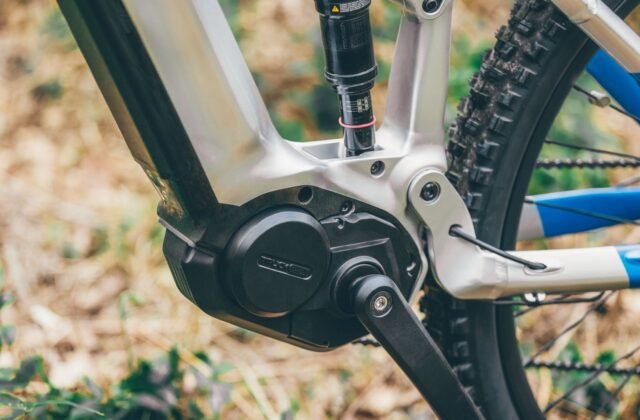
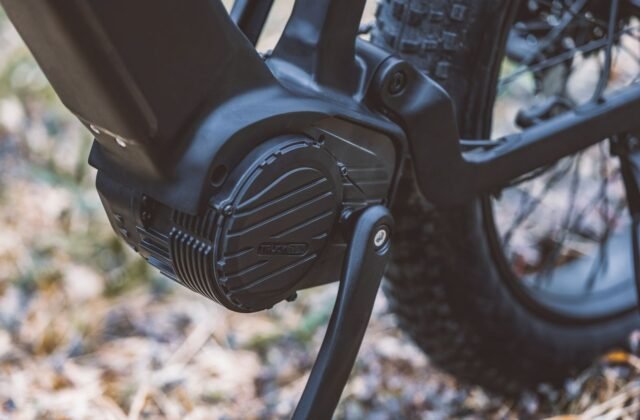
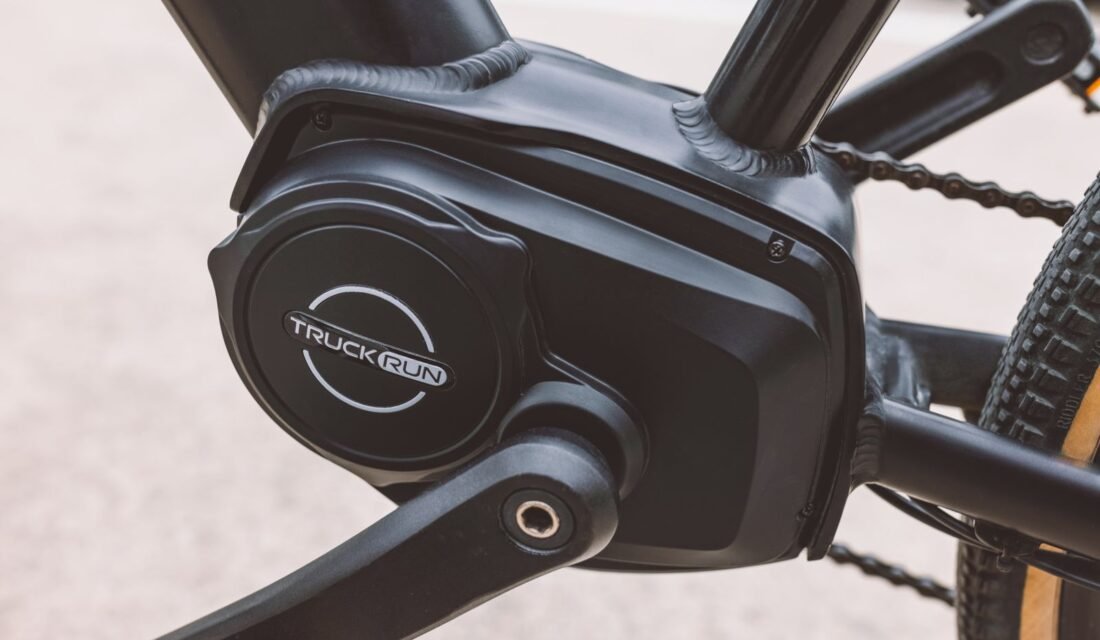
That is the short version. A commuter e-bike is a bike built for daily use: upright, with lights, fenders, and room for a rack. A mid-drive e-bike is a bike with its motor at the crank. Some commuter e-bikes have a mid-drive motor, so the choice is really about what your route asks for.
This guide compares the two side by side for daily use: how they climb, how they feel, what they cost to run, and what to do if you already bought the wrong one. It ends with a simple 20-minute test for your own route.
Commuter E-Bike vs Mid-Drive E-Bike: The Complete Comparison
A commuter e-bike is a paved-road bike built for daily use, with a motor, lights, fenders, and room for a rack. A mid-drive e-bike is a bike with its motor at the crank, driving the chain through the gears. Most commuter e-bikes use a hub motor, but the two ideas overlap, so judge each bike on how it handles your route.
| Attribute | Commuter E-Bike | Mid-Drive E-Bike | What to Watch |
|---|---|---|---|
| Motor position | Motor in the wheel, usually at the rear hub | Motor at the crank, driving the chain | Check where the motor sits. |
| Gearing | Fixed to the wheel; you shift the bike, not the motor | Uses the bike’s gears, so power follows your cadence | Low gears matter most on hills. |
| Hill climbing | Steady on flat and gentle grades | Stronger on steep, loaded climbs | Test your steepest hill. |
| Ride feel | Smooth, quiet push from behind | Natural, balanced feel at the pedals | A test ride shows it fast. |
| Battery use | Efficient on flat pavement | More efficient on hills, because gears help the motor | Watch assist level, not just range. |
| Maintenance | Fewer drivetrain parts to wear | Chain and gears wear faster under motor power | Check the chain often. |
| Cost and setup | Ready to ride, with lights and a rack | Often costs more, or needs a conversion kit | Add lights and a rack to the price. |
| Carrying load | Racks and fenders fit easily | Depends on the base bike; check for rack mounts | A loaded commute needs rack mounts. |
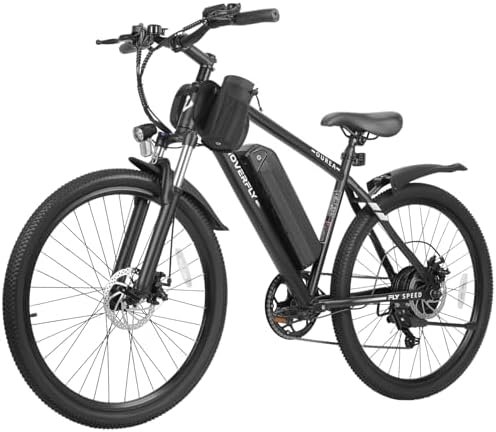
When the Answer Changes
The commuter wins the average day, but the answer flips as soon as your route gets harder. Keep these changes in mind before you settle on a side.
- Steep grades: if your route climbs more than a gentle rise, the mid-drive uses its gears to climb with less strain, and the commuter feels it on the steepest part.
- Heavy load: a loaded rack or a child seat favors the mid-drive, because the motor works through the gears and the bike stays balanced.
- Long daily mileage: on a long route, battery management matters more than top speed, so check how far each bike goes on the assist level you actually use.
- Rough or mixed roads: kerbs, gravel, and potholed lanes suit a mid-drive on a stronger frame, while a commuter suits smooth, paved streets.
How to Test Which E-Bike Suits Your Daily Ride
You do not need a shop test loop to choose well. A short ride on your own route tells you more than any spec sheet, because it includes your hills, your load, and your stops. Run the same route on both types, with the same load.
- Ride your normal route to work or school, not a flat test loop.
- Carry your usual load, including your bag and, if you use them, a child seat or panniers.
- Stop and start at your usual junctions and crossings, the way you would on a workday.
- Climb your steepest hill in the gear you would actually choose.
- Ride the same route on a mid-drive bike and compare the feel, the battery use, and the time.
- Note what felt easy, what hurt, and what you would change before you trust either bike daily.
What a Fail Looks Like
| Symptom | Cause | Fix |
|---|---|---|
| Heavy legs on a mild hill | Too little help on your climbs | Choose the mid-drive, or a stronger assist level. |
| Harsh jolts over kerbs and potholes | The frame is too stiff for your roads | Pick a bike with wider tyres or some suspension. |
| Dead battery before you get home | The range was measured without your load | Carry a charger plan, or pick the longer-range bike. |
Myth: a bigger motor always means a better commute. Fact: motor position and gearing decide how the power reaches the road, and a well-matched mid-drive can climb better than a stronger hub motor.
Before you test: check the brakes, tyres, and battery charge, wear a helmet, and pick a quiet time for the route. Do not test on a busy road or in bad weather.
The Daily-Use Test: The Method That Settles It
Use one ride to score both bikes on the same route, the same day, with the same load. Keep everything else the same, so only the bike changes.

What You Will Need
- Your usual route, with its real hills and stops.
- A charged battery and the same assist level on both bikes.
- A way to note the time, such as a phone timer.
- Your usual load, so the test matches a real day.
The Method
- Charge both bikes fully and set the same assist level.
- Ride the route on the commuter e-bike with your usual load.
- Note the time, the battery left, and how your legs felt on the climbs.
- Repeat the same route on the mid-drive bike, the same day if you can.
- Compare times and battery left, not just top speed.
- Pick the bike that leaves you fresher, not the one that felt fastest.
Tip: if you only have a shop test loop, ride it twice: once in the lowest assist and once in a higher gear, so you can feel how each motor handles a hill instead of a flat floor.
When the Damage Is Already Done
Already bought a bike that does not fit your route? You are not stuck. Small changes can fix most mismatches, and they cost far less than swapping the whole bike.
- Climbs feel too hard: fit a smaller front chainring or a wider-range cassette, so the gears do more of the work.
- Range runs out: carry the charger, lower the assist on flat stretches, and keep the tyres at the right pressure.
- Load will not fit: add a rear rack, a basket, or panniers that match your frame, and keep the weight low and centered.
- Ride feels rough: wider tyres at a lower pressure soften kerbs and potholes without a new bike.
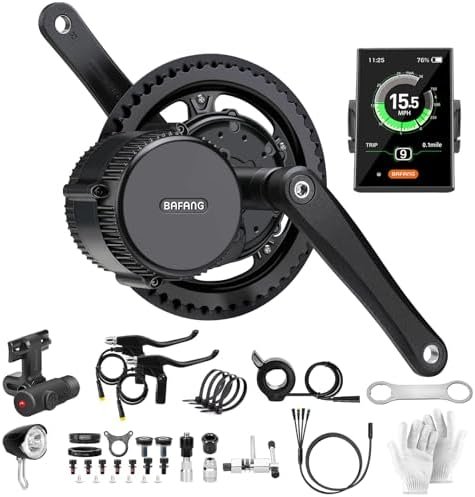
The Safe Alternative: A Mid-Drive E-Bike
If the test points the other way, the mid-drive is the safe alternative. It fits best when your route is hilly, loaded, or rough, and when you want the motor to work with your gears instead of against them. The BAFANG 48V 750W mid-drive kit is one way in: it turns a bike you already own into a mid-drive e-bike, with a 750W motor, a torque sensor, and a 44T chainring.
- Start with a bike that fits you and has gears in good shape.
- Check the frame has room for the motor at the crank and a place for the battery.
- Follow the kit instructions, or have a shop fit it if you are unsure.
- Test it on your steepest hill before your first workday on it.
- Keep the chain clean and check it often, because the motor adds wear.

What to Do Next, in Order
- Write down your route: its hills, its stops, and your usual load.
- Mark the two or three spots that would hurt most on the wrong bike.
- Ride your normal route on a commuter e-bike, with your load.
- Ride the same route on a mid-drive bike, the same day if you can.
- Compare the time, the battery left, and how fresh you felt.
- Choose for your worst day, not the easiest road.
- Re-read the checks at the top before you buy, and keep this guide open while you test.
Never Do This on a Daily E-Bike Ride
- Never ride a new bike flat out on your first day: it does not tell you how the motor climbs, and it drains the battery fast.
- Never ignore a worn chain or slipping gear: on a mid-drive, a worn chain wastes power and fails without warning, so check the signs your e-bike chain keeps slipping.
- Never test without a helmet and lights: a quiet road can still surprise you, and other riders need to see you.
- Never buy for the top speed alone: what matters is the climb and the load, not the flat-road number.
- Never leave the battery flat for weeks: a flat battery can fail to hold a charge, so keep it topped up.
In Short
For most daily rides, a commuter e-bike is the better buy: simple, ready to ride, and easy to live with. When your route is hilly, loaded, or rough, the mid-drive earns its place, because it uses the gears to climb and carry without strain. Test both on your route, then pick the bike that leaves you fresher on your worst day.
The Essentials
- A commuter e-bike suits most daily rides: flat streets, light loads, and easy upkeep.
- A mid-drive e-bike suits hilly, loaded, or rough routes, because the motor uses the gears.
- Test on your own route, with the same load, before you commit.
- Before you buy, see more e-bike guides in the E-Bikes hub to compare all the models side by side.
More Questions, Answered
Can a commuter e-bike handle steep hills?
Yes, if the hill is short and the assist is strong. On a steep daily climb, the mid-drive holds its speed better because it can use the gears.
Is a mid-drive e-bike good for daily commuting?
Yes, if you fit lights, fenders, and a rack, and you keep the chain clean. It is as practical as a commuter once you set it up for the road.
Which is cheaper to run and maintain?
The commuter is usually cheaper day to day, because the drivetrain wears more slowly. The mid-drive costs more over time, because the chain and gears wear faster under motor power.
Can I convert my commuter bike to a mid-drive?
Yes, a mid-drive kit such as the BAFANG 48V 750W kit turns a regular bike into a mid-drive e-bike. Check that your frame has room for the motor and a place for the battery, and have a shop fit it if you are unsure.
Additional Details
Name: Commuter E-Bike vs Mid-Drive E-Bike: Which Is Better for Daily use?
Description: Commuter e-bike vs mid-drive e-bike — which is better for daily use? Compare motors, gears, range and cost, then run the 20-minute test before you buy.
Published: November 9, 2026