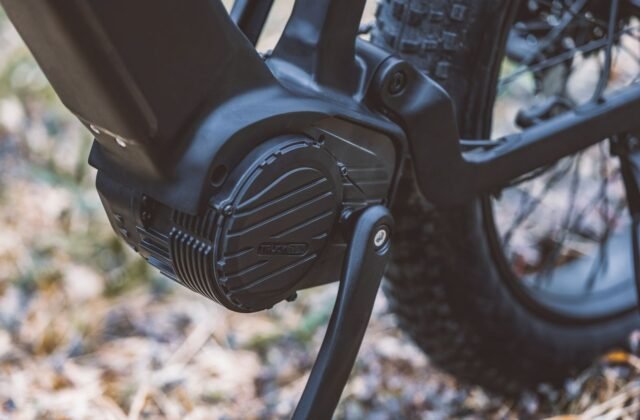
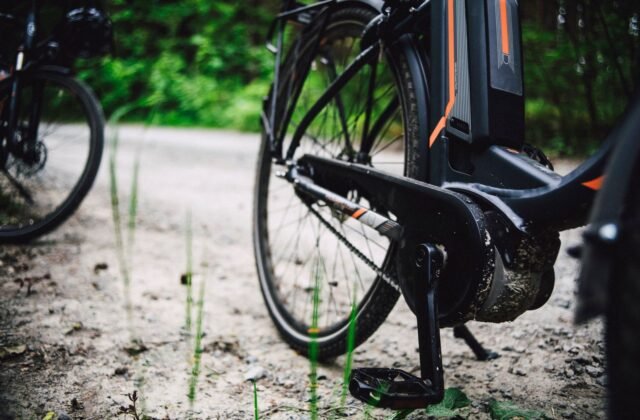
For most seniors, a commuter e-bike is the better choice — because it is built around the rider, not just the motor. A hub motor is a type of motor, and most commuter e-bikes already use one, so the best senior bike is usually a commuter e-bike with a hub motor. Choose the commuter first for its low step-through frame, upright riding position, and fitted rack, fenders and lights; judge the motor second.
The parts that cause problems are almost never the motor: the high step-over, the leaned-forward position, the heavy frame, and a bike that arrives bare. A hub motor fixes none of those on its own.
The exception: if you already own a comfortable bike you love, a hub-motor bike adds assist without forcing you to relearn a new frame. If you are starting from scratch, buy the commuter.
Introduction
Shopping for an e-bike after 60 or 70 is not like shopping at 30. Power matters, but comfort, confidence, and getting on and off without a wobble matter more. A bike that is easy to mount, easy to stop and easy to control will be ridden every week; a tall, twitchy, heavy one will sit in the garage. More types are compared in our E-Bikes hub.
This comparison is slightly unfair to the hub motor. A commuter e-bike is a complete bike designed for everyday riding, while a hub motor e-bike is any bike whose motor sits in the wheel hub — commuter, mountain bike, folding bike or conversion. This guide compares a purpose-built commuter with a typical hub-motor bike, and shows how to get both advantages at once. The same question comes up in commuter vs step-through and commuter vs hybrid, and the answer is usually the same: frame and fit decide it.
Commuter E-Bike vs Hub Motor E-Bike: The Core Comparison
Read the table across, and notice how often the commuter wins on the things a senior notices every ride — not on power, but on mounting, position and kit.
| Attribute | Commuter E-Bike | Hub Motor E-Bike | What to watch |
|---|---|---|---|
| What it is | A complete bike for daily rides, errands and short trips. | Any bike with the motor in a wheel hub. | Compare complete bikes, not a motor type. |
| Getting on and off | Often a low step-through frame. | Depends on the frame; many have a high top tube. | Plant both feet flat before you buy. |
| Riding position | Upright, swept-back bars, padded saddle. | Often leaned forward, like a standard bike. | Wrists and neck should feel relaxed. |
| Motor feel | Smooth, steady assist; often a throttle for starting. | Can feel strong and simple, but assist may surge. | Start on a gentle slope; feel the first push. |
| On hills | Handles gentle to moderate hills with suitable gears. | Similar motor, similar result; gears matter too. | Test your steepest regular hill. |
| Weight | Can be heavy, but weight sits low; stable at low speed. | Can be heavy at the wheel, which makes lifting harder. | Lift the front wheel before you decide. |
| Everyday kit | Rack, fenders, lights and kickstand usually fitted. | Often sold bare; you buy and fit extras. | Add up the extras, not just the bike. |
| Cost and upkeep | A little more up front; fewer add-ons to buy. | Often cheaper; hub motors are simple, with few moving parts. | Ask who services it, and what a flat repair involves. |

When the Answer Changes
The verdict above holds for most seniors. It changes when any of these is true:
- Your route has long, steep hills every day — a stronger motor, lower gears or a mid-drive may matter more than the frame; test the hill first.
- You have bad knees, hips or balance — a low step-through frame you can mount without lifting your leg high outweighs everything else.
- You already own a comfortable bike — adding a hub motor keeps the fit you trust, and is often the cheapest route to assist.
- Your budget is very tight — a simple hub-motor bike gets you riding for less; spend the saving on a comfortable saddle, good tyres and a proper service.
The 10-Minute Test That Settles It
Do this test on any bike you are considering, in a quiet, flat area. Ten minutes tells you more than ten reviews.
- Mount and dismount three times in a row, without help. If any mount feels like a balance test, the frame is wrong.
- Sit on the saddle at a standstill and put both feet flat on the ground. If only your toes reach, the bike is too tall for confident stops.
- Ride at walking speed in a straight line. A senior-friendly bike stays steady; a twitchy one needs constant correction.
- Stop, then start again on the lowest assist setting. The push should arrive smoothly, not with a jolt.
- Ride up the steepest slope on your usual route. You should finish it seated, without standing on the pedals.
- Walk the bike for 20 metres and lift the front wheel over a kerb. If that feels heavy, think about every time you will do it at home.
What a fail looks like
- You wobble when mounting → frame or saddle too high → try a step-through frame or lower the saddle.
- The bike surges when you start → assist comes in too sharply → try a lower assist level, or a bike with a gentler response.
- Your hands go numb in minutes → bars too low or too far forward → ask for a swept-back bar or a shorter stem.
Myth vs Fact
Myth: A bigger motor is always better for seniors. Fact: A bigger motor adds weight and can make starts jerky. A smooth, moderate motor you control beats a strong one you fight.
Myth: A commuter e-bike is just a normal bike with a basket. Fact: The frame shape, riding position and fitted kit are the point. Those are what make daily riding comfortable.
Before you test: Wear a helmet and flat shoes. Test in a quiet, flat area, keep a finger on a brake lever, start on the lowest assist setting, and ask the shop to lower the saddle. Never test a new bike in traffic.
The Method: How to Choose the Right One for You
What you will need
- A tape measure, for saddle height and reach.
- Your usual route in mind — hills, distance, surfaces.
- Flat shoes and a helmet for the test ride.
- The steps or car boot you must lift the bike into.

The method
- Write down your three most common rides: where, how far, and what hills they include.
- List what must be easy: mounting, stopping, carrying shopping, lifting the bike.
- Try a commuter e-bike first, then a hub-motor bike with a different frame, the same day and route.
- Score each out of five for mounting, comfort, starting off, hills and lifting — not power alone.
Do this first: Decide your frame before your motor. A step-through, upright frame with a hub motor is the combination most seniors end up happiest with.
Watch out: If a shop will not let you test the bike on a real slope, or will not lower the saddle, shop elsewhere.

When the Damage Is Already Done
If you already bought the wrong one, you do not have to start again. Match the problem to the fix:
- Mounting is a struggle → Lower the saddle, wear flat shoes, and lean the bike towards you as you mount; if it still feels unsafe, exchange it for a step-through frame while you still can.
- Starts feel jerky → Use the lowest assist level, ease the pedals in gently, and ask the shop whether the assist response can be softened.
- Hills beat you → Use a lower gear earlier, switch assist on before the slope, and charge fully before hilly rides.
- The bike is too heavy to lift → Remove the battery before lifting (it is the heaviest single part), use a ramp, or store the bike at ground level.
The Safe Alternative: A Hub-Motor Bike You Can Actually Ride
If a full commuter e-bike is more than you want to spend, or you want something lighter, a hub-motor bike can still be the right buy — if you choose it the way a senior should:
- Start with the frame, not the motor: a low step-through frame and an upright position.
- Check the mount and the feet-flat stop exactly as in the 10-minute test.
- Have a rack, fenders and lights fitted before you leave the shop, with the saddle and bars set to your height.
- Charge after every ride, and book a service after the first month — cables stretch and brakes settle.

What to Do Next, in Order
- Try a commuter e-bike and a hub-motor bike on the same day, on the same route.
- Score them for mounting, comfort, starting, hills and lifting — not power alone.
- Check what is fitted, what a puncture repair costs, and who services the bike locally.
- Choose the frame first and the motor second; the best senior choice is usually a commuter e-bike with a hub motor.
Never Do This
- Never buy without a test ride: A bike that looks right on paper can feel wrong in the first five minutes.
- Never choose the most powerful motor by default: More power adds weight and can make starts jerky.
- Never ride a new bike in traffic first: Learn the brakes and assist on a quiet, flat road.
- Never ignore the weight: You will lift, walk and store this bike far more often than you ride it at full speed.
- Never skip the helmet and the lights: Being seen and protected matters more as reaction times slow.
In short
For most seniors, a commuter e-bike is the better choice, because it solves the problems seniors actually have — mounting, position, stopping and carrying things — while a hub motor on its own only adds power. Since most commuter e-bikes already use a hub motor, pick the commuter frame first, make sure it has a smooth hub motor, and test it the way this guide shows.
The essentials
- Choose the frame first: low step-through, upright, both feet flat at a stop.
- Most commuter e-bikes already use hub motors — you can have both.
- Test mounting, walking-speed steadiness and starting off, not top speed.
- Check what is fitted (rack, fenders, lights) and what a puncture repair costs.
More Questions, Answered
Is a commuter e-bike better than a hub motor e-bike for seniors?
Yes, for most seniors. The commuter is a complete bike designed for everyday riding, while a hub motor is only a motor type — and most commuter e-bikes use hub motors. For a closer look, see our commuter vs fat tyre comparison.
Can a hub motor e-bike climb hills?
Yes, on gentle and moderate hills, especially with low gears and a full battery. For long, steep hills every day, test the exact route before buying.
Are hub motor e-bikes easier to maintain?
Hub motors have few moving parts and are simple to look after. A puncture repair on a hub-motor wheel can be slower, because the wheel is connected to the motor cable — ask the shop first.
Additional Details
Name: Commuter E-Bike vs Hub Motor E-Bike: Which Is Better for Seniors?
Description: Commuter e-bike vs hub motor e-bike: which is better for seniors? We compare comfort, mounting, hills, weight and cost to help you choose before you buy.
Published: November 9, 2026