Straight answer: in this electric mountain bike vs step-through e-bike comparison, the step-through e-bike is usually better for carrying everyday loads. For carrying a heavy load over rough, steep ground, the electric mountain bike is better. The step-through wins most daily jobs because it is easier to mount with a load, it is usually sold rack-ready, and its upright position keeps the load low and steady. The mountain bike wins only when the route, not the load, is the hard part — so choose the step-through for groceries, a work bag or panniers on paved roads, and the mountain bike when the load must climb a steep, rutted track.
Introduction
Carrying a load changes an e-bike more than speed or range does. Weight shifts the centre of gravity, lengthens braking distance and makes mounting, steering and stopping harder — especially at low speed, on a slope or in traffic.
That is why the frame matters as much as the motor. An electric mountain bike is built for traction, suspension and control on rough ground. A step-through is built for easy mounting, an upright position and practical, everyday carrying. Neither is a cargo bike, but they handle the same load in very different ways.
Electric Mountain Bike vs Step-Through E-Bike: Carrying Loads Compared
| Attribute | Electric Mountain Bike | Step-Through E-Bike | What to Watch |
|---|---|---|---|
| Frame and mounting | High top tube; swing a leg over the load | Low, open frame; step through with the load on | If you stop often, the step-through is easier |
| Load mounting | Rack mounts are often limited or absent | Rear rack is common; panniers fit easily | Check rack mounts and the rack weight limit |
| Stability | Stable at speed on rough ground; tall at a stop | Low, upright and steady at low speed | Keep heavy items low and centred |
| Motor and hills | Strong climbing on steep, loose ground | Ample help on paved hills; less grip off-road | Start in a low gear and low assist |
| Tyres and suspension | Wide, grippy tyres and suspension absorb bumps | Narrower tyres, less suspension; bumps are felt more | Lower the load, or bumps will move it |
| Best load type | A pack or small load on a rough trail | Groceries, a work bag, panniers or a child seat | Match the load to the frame, not the motor |
When the Answer Changes
The step-through is the better carrier on paved roads, cycle paths and in town. The mountain bike takes over when the ground gets rough: a steep dirt track, a rutted lane or a muddy path after rain exposes a step-through’s narrower tyres and limited suspension, even with a light load. On that ground, the mountain bike’s grip and suspension keep the load from bouncing and pulling the steering.
Load size and frequency matter too. A heavy, bulky load suits the step-through, because it can be mounted low and the rider can still get on and off safely. If you carry a child, it is the safer starting point: you can put both feet down and lift the child on without swinging a leg over the seat. Judge the bike in front of you, not the label — some mountain bikes have rack mounts, and some step-throughs have fat tyres. For more on climbing, see our commuter e-bike vs electric mountain bike for hills comparison and folding e-bike vs electric mountain bike for city riding.

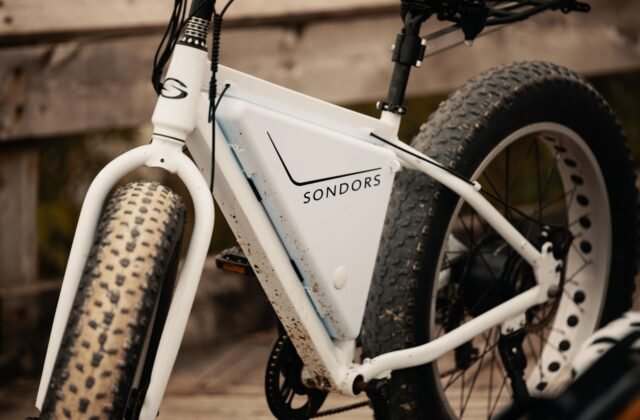
750W peak motor, up to 20 MPH and up to 40 miles per charge.
How to Decide Which One Carries Your Load Better
Do not decide from the motor alone. Carry your real load on a short test ride — your actual bag, groceries or child seat — and judge the bike loaded, not empty.
- Weigh and pack your load. Use the load you carry most often, and keep it under the bike’s and the rack’s limits.
- Mount with the load on. Get on and off three times. Note how close your foot comes to a high rack or child seat.
- Ride slowly, climb, then brake. Turn in a tight circle at walking pace, climb your steepest hill in a low gear, then brake gently and note any pull, slip or long stopping distance.
- Stop and restart on a slope. This is where a heavy rear load tips a tall bike, and where a step-through earns its advantage.
What a Fail Looks Like
- Steering pulls to one side → the load is off-centre or too high → repack it low and centred.
- The bike wobbles at low speed → the load is too high or too far back → lower it and move it forward.
- The rear wheel slips on a hill → too much assist, too little weight over the rear → use a lower gear and lower assist.
- Stopping distance grows sharply → the load is too heavy or moving → reduce the load, brake earlier, and strap it so it cannot shift.
Myth: A stronger motor means a bike can carry more load.
Fact: A motor makes a load easier to move, but it does not raise the frame, rack, brake or tyre limit. A powerful motor on a bike with no rack mounts is a worse carrier than a modest motor on a rack-ready bike with good brakes.
Before you test: check the tyre pressure, rack bolts and brake levers, and wear a helmet. Test away from traffic, with the load strapped so it cannot fall into the wheel.

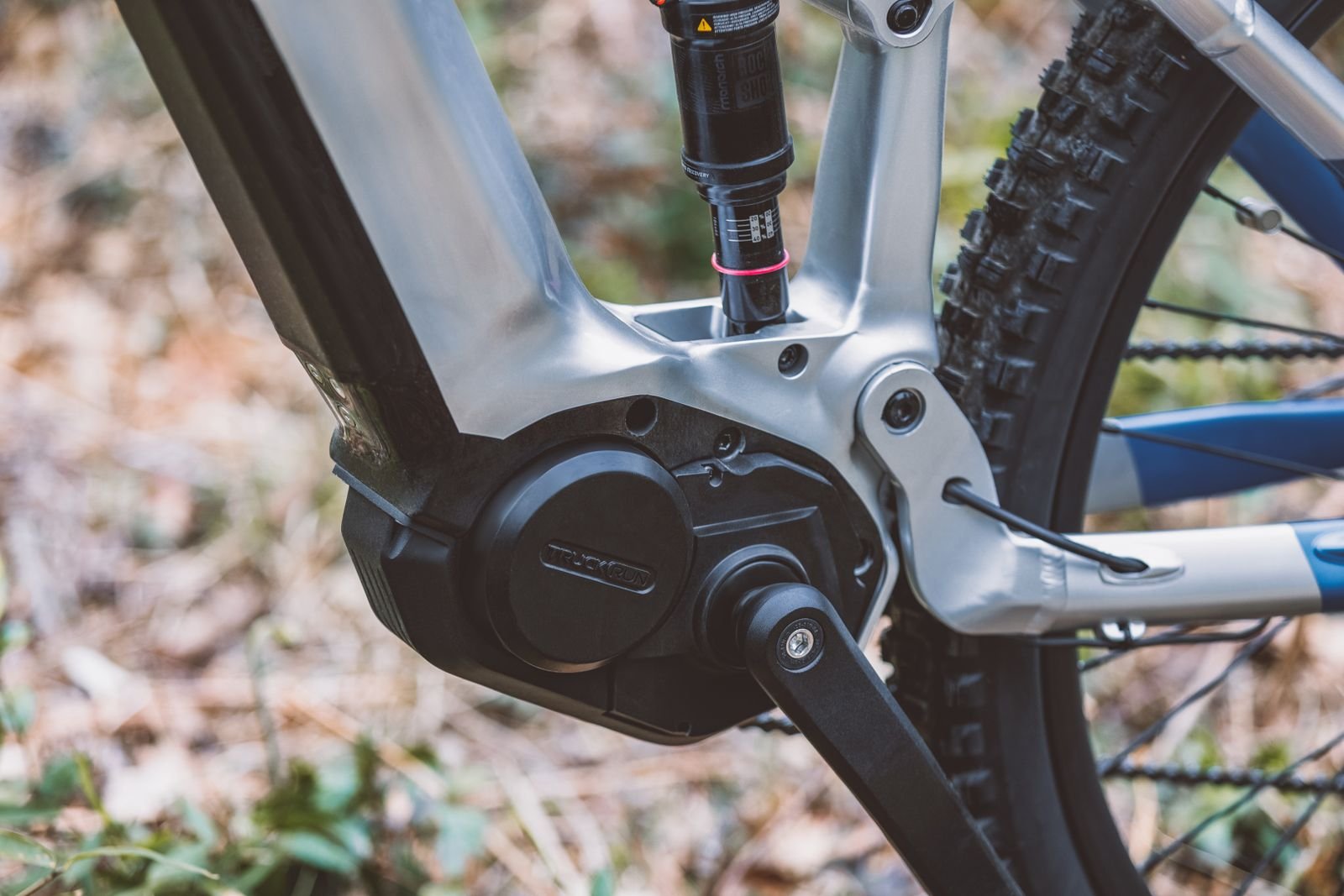
2000W motor, speeds up to 32 MPH, full suspension and 20-inch fat tyres.
How to Carry a Load Safely on Either E-Bike
What You Will Need
- A rear rack rated for your load, with solid mounts and bolts.
- Panniers, a rack bag or a crate that cannot swing into the wheel.
- Straps or a cargo net, a pump, a helmet, and lights for low light.
The Method
- Check the limits first. Read the bike’s and rack’s weight limits, and check the rack is made for your frame.
- Pack heavy items low and centred. Keep the heaviest items at the bottom, close to the centre, with each side equal.
- Strap everything twice. Clip panniers on fully, then strap the load so it cannot bounce or shift. Tuck loose straps away from the wheel and chain.
- Set the tyres and brakes, then start gently. Set tyre pressure for the loaded weight, squeeze both brakes, start in a low gear with low assist, and brake earlier than usual.
Note: a high, narrow load is harder to carry than a low, wide one of the same weight. If a load makes the bike feel top-heavy, repack it lower.
Warning: never let a bag, strap or coat hang near the rear wheel or chain. A load that catches in the wheel can stop the bike suddenly and throw you off.

48V 20Ah removable battery, 30+ MPH and up to 80 miles max range.
When the Damage Is Already Done
If you already bought the wrong bike for the loads you carry, you do not have to replace it at once. Most load problems can be reduced, even if they cannot be removed completely.
- Your mountain bike has no rack: fit a seat-post or axle-mounted rack made for your frame, or use a frame bag and backpack for small loads. Do not clamp a rack to suspension parts.
- Your step-through struggles on rough ground: fit wider tyres if the frame allows, lower your speed, and keep the load low. For rough tracks, a trailer may carry the load better than the rack.
- The load shifts, or braking feels unsafe: switch to panniers that clip on firmly, use a cargo net, reduce the load, and have the brakes checked.
The Safe Alternative: Use an Electric Mountain Bike for Rough, Heavy Loads
When the load must go over rough ground, the electric mountain bike is the safer alternative to a step-through. Its wide tyres, suspension and strong frame keep the load under control where a step-through would bounce, slip and struggle. Keep the load small, low and firmly strapped.
- Fit a proper rack or pack. Use a rack made for your frame, or a frame bag and a small backpack. Do not hang a heavy bag from the handlebars.
- Keep the load low and small. Carry only what the trail needs, close to the bike’s centre. A light load that stays put beats a heavy load that shifts.
- Lower the saddle, ride slowly, and check the load. Drop the saddle to mount, use low assist and a low gear over bumps, and check the rack and straps at every stop.
If most of your riding is on roads and paths, do not choose the mountain bike for its rough-ground advantage alone — the step-through will carry your everyday loads with less effort. Our folding e-bike vs step-through e-bike for winter comparison shows the same trade-off: the step-through is easier day to day, while the tougher bike earns its place only when conditions get hard.
What to Do Next, in Order
- List the loads you carry most often, how heavy they are, and how often.
- List your routes: paved, gravel, steep, or rough.
- Check the rack mounts, rack limit and weight limit on any bike you consider.
- Test-ride the bike loaded, on your steepest hill and your slowest turn.
- Choose the step-through for everyday loads, or the mountain bike for rough, steep loads.
- Fit a proper rack and panniers, set the tyre pressure, and re-check the load after your first few loaded rides.
Never Do This When Carrying a Load on an E-Bike
- Never carry a load above the bike or rack weight limit — it overloads the frame, rack and brakes.
- Never hang a heavy bag from the handlebars — it wrecks the steering and can lock the front wheel.
- Never let straps or bags hang near the wheel or chain — they can catch and stop the bike without warning.
- Never use full assist to start with a heavy load — it can jerk the bike forward and spin the rear wheel.
In Short
For carrying loads, the step-through e-bike is the better choice for most riders, because it is easier to mount with a load, it is usually rack-ready, and it keeps everyday loads low and steady. The mountain bike is better only when the load must travel over rough, steep ground. Judge the bike loaded, on your own route, and stay inside its weight and rack limits.
The Essentials
- Step-through wins for everyday loads: groceries, work bags, panniers and child seats.
- Electric mountain bike wins for heavy loads on rough, steep ground.
- Check rack mounts, rack limits and brakes before you trust a bike with a load.
- Pack heavy items low and centred, strap the load twice, and test-ride it loaded. Browse the E-Bikes Hub for more e-bike comparisons.
More Questions, Answered
Can an electric mountain bike carry groceries?
Yes, if it has a rack or you use a pack, and the load is small and strapped low. For a weekly shop, a step-through with panniers is usually easier and safer.
Can a step-through e-bike carry a child seat?
Yes, in most cases, and it is easier than on a mountain bike because you can step through and lift the child on without swinging a leg over the seat. Check the rack and seat limits first.
Which is better for carrying loads up hills?
On a paved hill, the step-through is usually enough. On a steep, loose or rough hill, the mountain bike’s traction and wider tyres give it the advantage.
Additional Details
Name: Electric Mountain Bike vs Step-Through E-Bike: Which Is Better for Carrying loads?
Description: Electric mountain bike vs step-through e-bike: which carries loads better? Compare racks, stability, hills and everyday loading — and pick the right one.
Published: November 9, 2026