Folding e-bike vs lightweight e-bike: for city riding, a lightweight e-bike is the better buy for most riders. It is easier to lift up steps, carry onto a train, push when the battery runs out and weave through traffic, because there is simply less bike to move. A folding e-bike wins only when you must fold it away every day — for a train, a bus, a small flat or a desk-side parking spot.
Introduction
City riding is a series of short trips, stops and starts: traffic lights, junctions, kerbs, steps and crowded bike racks. A folding e-bike and a lightweight e-bike handle those moments in different ways. A folding e-bike folds at the frame so you can carry it, store it in a small space and take it on public transport. A lightweight e-bike stays full size, but it is built to be light, so you can lift it, carry it up steps and push it easily when you need to.
This guide compares the two side by side, gives you a short test to run before you buy, and shows what to do if you already bought the wrong one. For the wider picture, see the E-Bikes Hub, the folding e-bike guide and our commuter e-bike vs lightweight e-bike comparison.
Folding E-Bike vs Lightweight E-Bike: The Comparison
| Attribute | Folding E-Bike | Lightweight E-Bike | What to watch |
|---|---|---|---|
| Weight and carrying | Heavy for its size, but folds into a package you can carry for short spells | Lighter overall, so it is easier to lift up steps and onto a rack | Lift it before you buy it |
| Storage | Folds to fit under a desk, in a hallway or in a car boot | Full size, so it needs a rack, a hallway hook or a bike room | Measure your storage space |
| Public transport | Folds small enough to carry onto a train or bus | Full size, so many trains and buses will not take it | Check your operator’s rules |
| Ride feel in traffic | Small 20-inch wheels feel quick but twitchy at speed | Full-size wheels feel steadier, and the bike is easier to steer | Ride in real traffic |
| When the battery runs out | Pushing a folded bike is awkward, and it is heavy to carry | A light bike is easy to pedal or push home without assist | Ride it with the motor off |
| Range per charge | Smaller battery is common, so range is usually shorter | Less weight means less battery used on every stop and start | Test your full route |
When the Answer Changes
The verdict above holds for a typical flat city ride, but four things can flip it:
- A train or bus in the journey. If part of the trip is public transport, a folding e-bike wins, even if the ride itself is easy, because a full-size bike may not be allowed on board.
- A tiny flat or no bike room. A flat with no secure parking or a desk-side spot favours a folder. A garage, a hallway hook or a secure bike room removes that advantage.
- Steps every day. If you carry the bike up steps to your flat or office, the lightweight e-bike wins, because every pound counts on the stairs.
- Steep hills on the route. City hills make weight matter more, and a light bike climbs with less battery. See our lightweight e-bike hill comparison for the details.
Test Both Types Before You Buy

Run this four-step test on both types before you spend anything, and run it on your own city route, not in a shop car park.
- Fold and carry it. Fold the bike, pick it up, and carry it for a minute. If you cannot manage it, it will not work on a train platform or up your steps.
- Lift it up steps. Carry each bike up the steps you use every day, and lift it onto a rack. The lighter bike is easier, every time.
- Ride your full city route. Ride to work and back, with your normal stops and starts, and note the battery left at the end.
- Try it with the motor off. Switch the assist off and pedal for a few streets. A light bike keeps moving; a heavy one feels like hard work.
What a fail looks like
| Symptom | Cause | Fix |
|---|---|---|
| You cannot lift the folded bike | Too heavy for you when folded | Pick a lighter folder or a lightweight bike |
| The folded bike will not fit at home | Folded size is bigger than the space | Try a more compact folder |
Myth: A folding e-bike is always heavy and slow.
Fact: Folders are heavy for their size, but small wheels accelerate quickly, and the motor does the work; top speed depends on the motor and the local rules, not on the fold.
Before you test: Test on flat ground away from traffic first. Check the brakes and the folding latches before you ride, wear a helmet, and keep your speed down until you know how the bike handles.

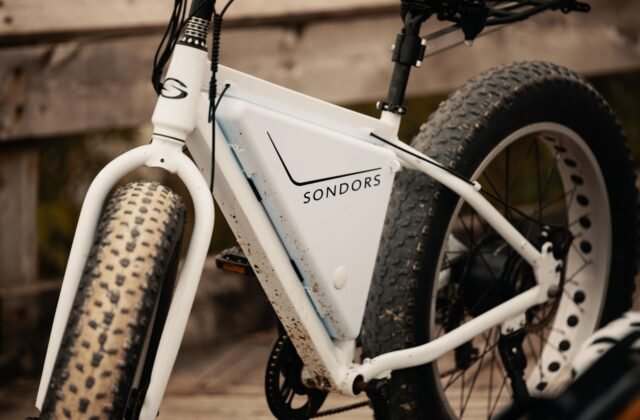
Folds for trains and small flats, with a 48V 20.8Ah removable battery.
How to Choose the Right One for City Riding

What you will need
- Your city route, with its steps, hills and train station marked
- The rules for bikes on your train or bus
- Measurements of your storage space at home and at work
- A test ride on both types
The method
- Map the city ride. Write down the distance, the steps, the steepest hill and whether you use a train or bus.
- Measure the space. Measure where the bike will live, and compare it with the folded size of each folder on your list.
- Check transport rules. Check whether your train or bus takes full-size bikes. If it does not, only a folder works.
- Weigh the lift, not just the ride. Carry each bike up your steps and lift it onto a rack. The bike you can lift is the bike you can live with.
- Test ride both types. Ride the same city route on both types, and note the steps, the comfort and the battery left at the end.
- Decide on the hardest part of the route. Choose the bike that handles the hardest part, not the easiest part, of your city ride.
City riding: A light bike is easier to push through a crowd, lift onto a rack and carry up steps, and it is easier to ride home when the battery runs out. A folder is easier to store and to take on a train. Decide which of those moments happens every day on your route, and choose for that moment.

750W peak motor, up to 20 MPH and 40 miles per charge.
When the Damage Is Already Done
If you already bought the wrong type, do not write the bike off. Match the problem to the fix:
- You bought a folder, but the steps beat you. Take the battery off before you lift it, and wheel it instead of carrying it where you can. If the stairs are daily, a lighter bike is the real fix.
- You bought a lightweight bike, but it will not fit at home. Hang it on a wall hook, use a hallway stand, or ask your building about bike storage. If it still does not fit, only a folder will do.
- Your lightweight bike cannot carry your load. Move the load to a rack or panniers, and check the rack mounts. A heavy daily load may need a sturdier bike — see our folding e-bike vs hub motor e-bike comparison before you swap.
- Your folding latches feel loose. Stop riding and check every latch and hinge. A loose latch is a safety problem, not a nuisance — get it checked by a bike shop before your next ride.

Up to 40+ miles and 25 MPH, with a 360Wh removable battery.
The Safe Alternative: Switch to a Folding E-Bike
If the lightweight e-bike cannot fit your home or your train, the folding e-bike is the full alternative: a bike that folds away, suits trains and small flats, and still rides the same city streets. It is the safe switch when storage or public transport, not weight, is the problem.
The method
- Check the folded size first. Measure the folded bike against your space at home and at work before you buy anything.
- Test the fold and the lift. Fold it, unfold it and carry it for a minute. The fold should take seconds, not a struggle.
- Check the train rules. Confirm your operator takes folded bikes, and at which times of day.
What to Do Next, in Order
- Map your city route, including the steps, the hill and any train or bus.
- Measure your storage space at home and at work.
- Test ride a folding e-bike and a lightweight e-bike on the same route.
- Check the lift weight, the folded size and the battery left after the ride.
- Buy the bike that handles the hardest part of your route — see the E-Bikes Hub for more guides.
Never Do These When Choosing a City E-Bike
- Never buy without a test ride on your own route. A shop car park will not show you the steps that matter.
- Never trust the headline range figure. Stops, starts, hills and weight cut range, so test your real route.
- Never ignore the lift weight. If you cannot carry the bike up your steps, the motor cannot carry it for you.
- Never ride with a loose folding latch. Check every latch and hinge before every ride.
In short
A lightweight e-bike is the better city bike for most riders: it is easier to lift, carry, push and steer through traffic, and it is easier to ride home when the battery runs out. A folding e-bike is better when a train, a bus or a tiny flat is part of every day.
The essentials
- Lightweight e-bikes win on lifting, carrying, steps and riding with a flat battery.
- Folding e-bikes win on storage, trains and small spaces.
- Test the lift, the folded size and your full route before you buy, on both types.
More Questions, Answered
Which is better for city riding, a folding e-bike or a lightweight e-bike?
A lightweight e-bike is better for most city riding, because it is easier to lift, carry and push, and easier to steer in traffic. A folding e-bike is better when you take a train or bus, or when you have almost no storage space.
Are folding e-bikes good for city riding?
Yes, for short city trips with a train or a small flat in the journey. They cope well on flat streets, but small wheels feel twitchy at speed, and a folder is heavy to carry, so test the lift before you buy.
Can I take a folding e-bike on a train?
Usually, yes, when it is folded, but the rules differ by operator and by time of day. Check your operator’s bike rules before you buy.
What if my e-bike battery runs out in the city?
A lightweight e-bike is the easier bike to pedal or push home without assist, because there is less weight to move. With a heavy folder, plan your route so you can charge at work, or save battery for the ride home.
Additional Details
Name: Folding E-Bike vs Lightweight E-Bike: Which Is Better for City riding?
Description: Folding e-bike vs lightweight e-bike: which is better for city riding? Compare weight, folding, range and carrying, then run the city test before you buy.
Published: November 9, 2026