For most winter riders, the long range e-bike is better. Cold cuts the usable range of a battery, and a long range bike starts with a bigger battery and bigger wheels, so it still gets you home after a cold ride. A folding e-bike wins only when storage or carrying decides the choice: a flat with no hallway space, a car boot, or a train and bike commute.
Winter changes the trade-off between these two bikes. In summer, a folding e-bike is an easy choice for short trips: it folds away, fits in a boot, and the smaller battery is rarely a problem. In winter, that smaller battery is the problem. Cold slows the chemical reactions inside a lithium battery, so the same charge covers less distance, and headwinds and slush take more out of it too.
A long range e-bike is built around a larger battery and larger wheels that roll over snow and ruts more steadily. A folding e-bike is built around a hinge and small wheels, so it can be carried and stored. Both are electric and both help on hills, but they solve different problems, and the wrong one leaves you either out of charge or out of space.
Introduction
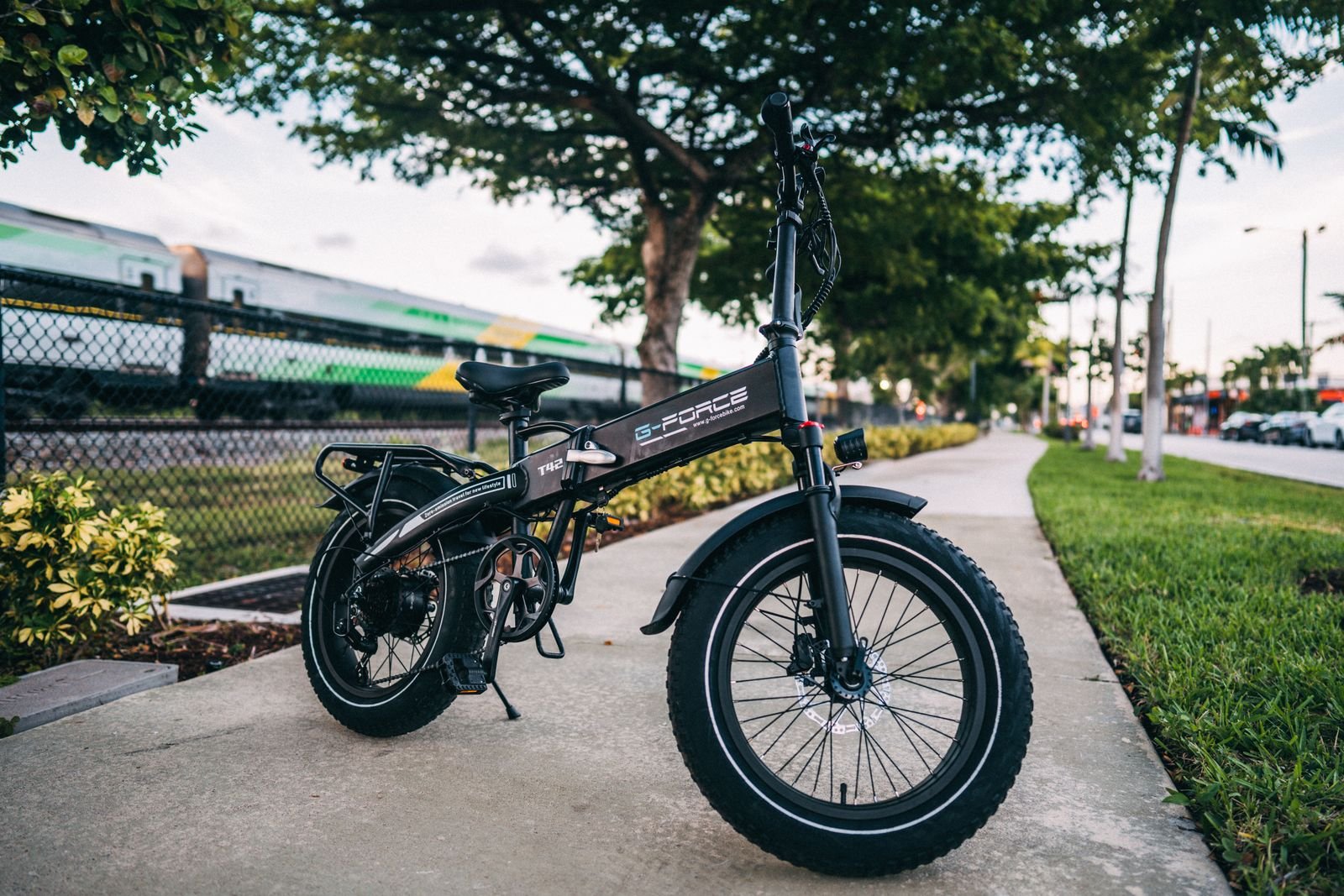
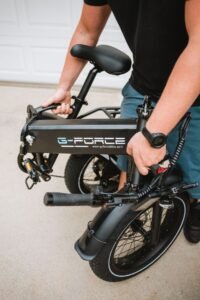
A folding e-bike folds at the frame, the handlebars, or both, so it can be carried and stored in a small space. Folding e-bikes usually have 20-inch wheels, a smaller battery tucked into the frame, and a low frame that is easy to get on and off in winter boots. Our guide to the best foldable electric bikes shows the folding models available.
A long range e-bike is built to cover more miles on one charge. It has a larger battery and larger 26-inch or 27.5-inch wheels, and its frame is fixed, not folding, which leaves room for a bigger battery and a sturdier build. Our commuter e-bike vs long range e-bike comparison makes the same point: more battery, more miles. The E-Bikes Hub has the full set of e-bike comparisons.
This article compares the two for winter riding only. It does not compare brands, and it does not promise laboratory results. The facts are the design differences you can check before you buy: wheel size, battery size, weight, and storage.
Folding E-Bike vs Long Range E-Bike: The Core Comparison
The table below puts the winter differences side by side. The folding bike wins the storage rows, the long range bike wins the riding rows, and your winter decides which rows matter.
| Attribute | Folding E-Bike | Long Range E-Bike | What to Watch |
|---|---|---|---|
| Winter range | Shorter; a small battery loses a larger share of its range in the cold | Longer; a large battery keeps a useful reserve in the cold | Judge by the battery in watt-hours, not by headline miles |
| Wheel size | Usually 20-inch wheels; less steady on slush and ruts | Usually 26-inch or 27.5-inch wheels; steadier over snow and ruts | Small wheels drop into ruts; large wheels roll over them |
| Weight and carrying | Lighter and easier to lift onto a train or into a boot | Heavier and hard to carry up stairs or lift into a car | Lift the folded bike yourself before you buy |
| Storage | Folds to fit a hallway, a flat, a car boot, or a train | Needs a garage, a shed, or a ground-floor room | Measure the folded size, not the photo |
When the Answer Changes
Three situations flip the verdict. If any of them describes your winter, the folding bike is the right answer even though the long range bike wins on range.
- You have nowhere to keep a full-size bike. A folding bike that lives indoors, charged and dry, beats a long range bike left outside in the rain.
- Your winter ride is under 5 miles. A small battery with a full charge has enough in reserve at that distance, and the folding bike’s storage wins.
- You need to lift the bike every day. Upstairs, onto a train, or into a lift: if you cannot lift a heavy bike, the lighter folding bike is the only one you will actually use.
How to Test Both Before You Buy
Ride both bikes on the same route, on the same cold day, and compare what the battery and the wheels do. Cold weather is the test: it exposes a small battery and nervous tyres in a few miles.
- Ride the folding e-bike for 20 minutes on your usual route, in the cold, with a full battery, and note where the battery meter drops and where the wheels feel unsure.
- Repeat the same route on a long range e-bike, on the same day, at the same assist level, and compare the battery reading at the same points.
- Fold and unfold the folding bike without help, carry it up a flight of stairs, and put it in the space where it will live at home.
- Try the same storage test with the long range bike. If it cannot go indoors, check where it will be parked and how the battery will be charged.
- Ride both over a rough patch, a kerb, and a short stretch of slush, and notice which one holds its line and which one wanders.
- Park both bikes outside for 30 minutes in the cold and start them. A bike that starts cleanly and holds its charge is the one to trust.
Make the choice from the battery reading at the end of the ride, not from the specification sheet. If the folding bike finishes your route with at least a quarter of its charge left, its storage advantage wins. If it finishes nearly empty, the long range bike wins: cold weather will only make that margin worse.
What a Fail Looks Like
| Symptom | Likely Cause | Fix |
|---|---|---|
| Battery drops fast in the cold | Small battery and high assist in low temperatures | Charge indoors, use a lower assist level, and plan a shorter route |
| Wheels slip on slush | Small, narrow tyres with little tread | Use wider tyres with tread, and slow down before turns |
Myth: A folding e-bike is always worse in winter.
Fact: It is worse at range, not at winter. A folding bike kept indoors, charged at room temperature, and used for short trips can be more reliable than a long range bike left outside in the cold.
Before you test, check the brakes, lights, and tyres. Test both bikes in daylight, on quiet roads, with a charged phone and someone who knows where you are. Do not test a bike you have not checked first: cold and darkness hide faults that a warm garage would show. If the battery is swollen, hot, or damaged, do not ride the bike, and get it checked.

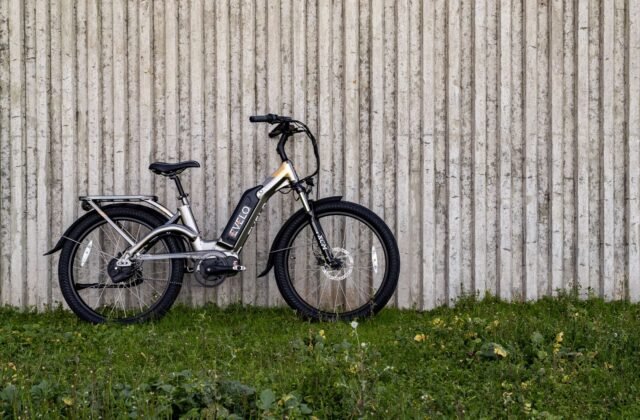
48V 20.8Ah removable battery, 30+ MPH and up to 80 miles per charge.
How to Set Up a Winter E-Bike for Cold Weather
The same set-up works for both bikes, but it matters more for the folding e-bike, because its battery has less room for error. Set the bike up once, before the cold arrives.
What You Will Need
- Battery charged indoors at room temperature
- Tyres with tread, checked to the correct pressure
- Wet-weather chain lubricant and a cloth
- Front and rear lights, checked in the dark
The Method
- Charge the battery indoors, at room temperature, and put it on the bike just before you leave. A battery that starts warm keeps its charge longer.
- Clean the braking surfaces and check that both brakes stop the bike without squealing or pulling to one side.
- Check that the seat, handlebars, wheels, and folding hinges are secure and that the hinges lock.
- Inflate the tyres to the pressure on the sidewall, check for splits, and clean mud from the tread and the brakes.
- Lubricate the chain, wipe the surplus off, move the bike slowly through all the gears, and check the lights in the dark.
Test a cold start before a long ride. Leave the bike outside for half an hour, then start it and check the battery reading. If it drops at once, charge indoors and ride a shorter route.

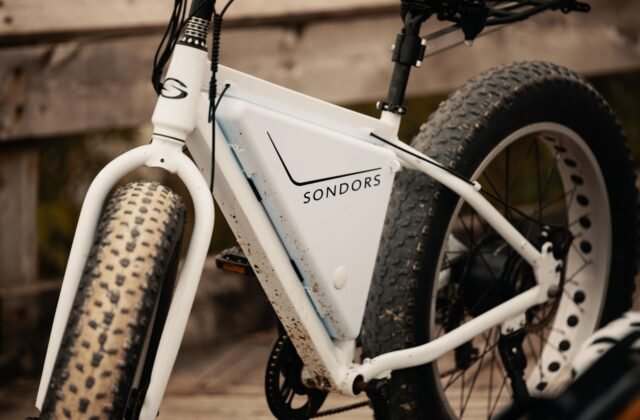
52V 13Ah battery, 28 MPH top speed and up to 75 miles per charge.
When the Damage Is Already Done
If you already bought the wrong bike for your winter, do not sell it at once. Most winter problems can be reduced, and the bike you have is often good enough for the rides you actually do.
- Folding bike, range too short: Charge indoors, ride at a lower assist level, plan shorter routes, and keep a charger at work if you can.
- Folding bike, wheels slip: Fit wider tyres with tread, lower the pressure slightly for grip, and slow down before corners.

2000W motor, up to 32 MPH, ultra long range.
The Safe Alternative: Choose the Long Range E-Bike
If winter range is your worry, the long range e-bike is the safe alternative: it removes the battery anxiety that makes a folding bike hard to love in January. It will not fold, but if you can store it, it gives you a margin that a small battery cannot. Our commuter vs long range comparison reaches the same conclusion for long rides.
The Method
- Write down your longest winter ride, in miles, and the assist level you expect to use.
- Check the battery size in watt-hours for the bikes on your shortlist, at the same assist level.
- Choose the bike with larger wheels and wider tyres, and test it on your own route.
What to Do Next, in Order
- Measure your longest winter ride and your storage space.
- Check the battery size of each bike in watt-hours, and the folded size of the folding bike.
- Test both bikes on the same cold route, at the same assist level, then ride the winner for a week in the cold.
Never Do These in Winter
- Never charge a frozen battery. Let it warm to room temperature before you charge it.
- Never store the battery outside in the cold. Bring it indoors overnight.
- Never ride on ice at full speed. Slow down before junctions and corners.
In Short
In winter, range beats folding for most riders: a bigger battery and bigger wheels keep you moving in the cold. Folding wins only when storage or carrying is the problem you cannot solve another way.
The Essentials
- The long range e-bike is better for most winter riders, because cold takes a share of every battery.
- The folding e-bike is better when storage, trains, or a car boot decide the choice.
- Cold cuts range, so charge the battery indoors and keep a reserve.
More Questions, Answered
Is a folding e-bike good in snow?
A folding e-bike can work in light snow, but its small wheels make it less steady than a larger-wheeled bike. Fit wider tyres, slow down, and keep the charge indoors.
Should I keep my e-bike battery indoors in winter?
Yes. Bring the battery indoors overnight, charge it at room temperature, and fit it just before you ride. A battery left outside in the cold loses charge faster and may not start at all.
Additional Details
Name: Folding E-Bike vs Long Range E-Bike: Which Is Better for Winter?
Description: Folding e-bike vs long range e-bike for winter: which keeps its range in the cold, stays steady on ice, and fits your ride? Compare both and choose well.
Published: November 9, 2026