Part of our guide on E-Bikes.
A Flight Risk ebike is a fat-tyre electric bike from an Australian maker, sold as the FR303, FR333, FR505, FR555, FR777 and FR888. The bikes use Bafang hub motors and Samsung batteries, with fat tyres, hydraulic disc brakes and GPS tracking on several models — and they are heavy, at roughly 36 to 65 kg depending on the model.
This guide shows what to check before you buy one: the motor lock, the battery, the range claim, the weight, and the price. For battery care, read How to Fix Commuter E-Bike Battery Problems; for charging, read How to Charge an E-Bike Battery Safely.
Quick facts
| Fact | What it means for your ride |
|---|---|
| What it is | An Australian fat-tyre e-bike line — FR303, FR333, FR555, FR777, FR888 — with Bafang motors and Samsung batteries |
| Check first | The motor lock, the battery size, the range claim, the weight, and the price in your currency |
| Most common surprise | A 1000W motor software-locked to 250W for road use, and a bike that weighs 46 to 65 kg |
| Who it suits | Riders who want a heavy, stable fat-tyre bike for sand and rough tracks — not riders who carry it upstairs |
| Stop and get help | A battery that swells, overheats, smells strange or leaks: stop charging and riding, and get qualified help |
| Not on Amazon | No Flight Risk listing was found on Amazon; the three bikes below are the closest fat-tyre e-bikes sold there |
Quick recap
- Flight Risk is an Australian fat-tyre e-bike brand with Bafang motors and Samsung batteries.
- Most models carry a 1000W motor locked to 250W for road use — check the lock and local rules first.
- Range claims run up to 80–100 km; real range is shorter with a heavy rider, hills, cold or high assist.
- The bikes weigh roughly 36 to 65 kg — if you must lift it, that matters more than the motor figure.
- Prices run about $2,460 to $5,188 AUD — check the price in your currency and the warranty where you live.
The short answer: a powerful fat-tyre e-bike — if the lock, the battery and the weight suit how you ride
The straight answer is that a Flight Risk ebike is a good fit if you want a heavy, stable fat-tyre bike with a big battery — and a poor fit if you need a light bike, a low price, or a bike you can buy from Amazon. Most models use a 1000W Bafang motor software-locked to 250W for road use. The battery is the real story: 48V 20Ah (FR303), 52V 25Ah (FR333, FR555), and a dual 40Ah setup (FR777). Those large batteries are why the range claims reach 80 to 100 km — and why the bikes weigh 36 to 65 kg.
Buy it for sand, rough tracks, long rides and a stable ride. Do not buy it for carrying upstairs, lifting onto a car rack, or a tight budget. No Flight Risk model was listed on Amazon when this guide was checked; the three fat-tyre e-bikes below are the closest equivalents there.
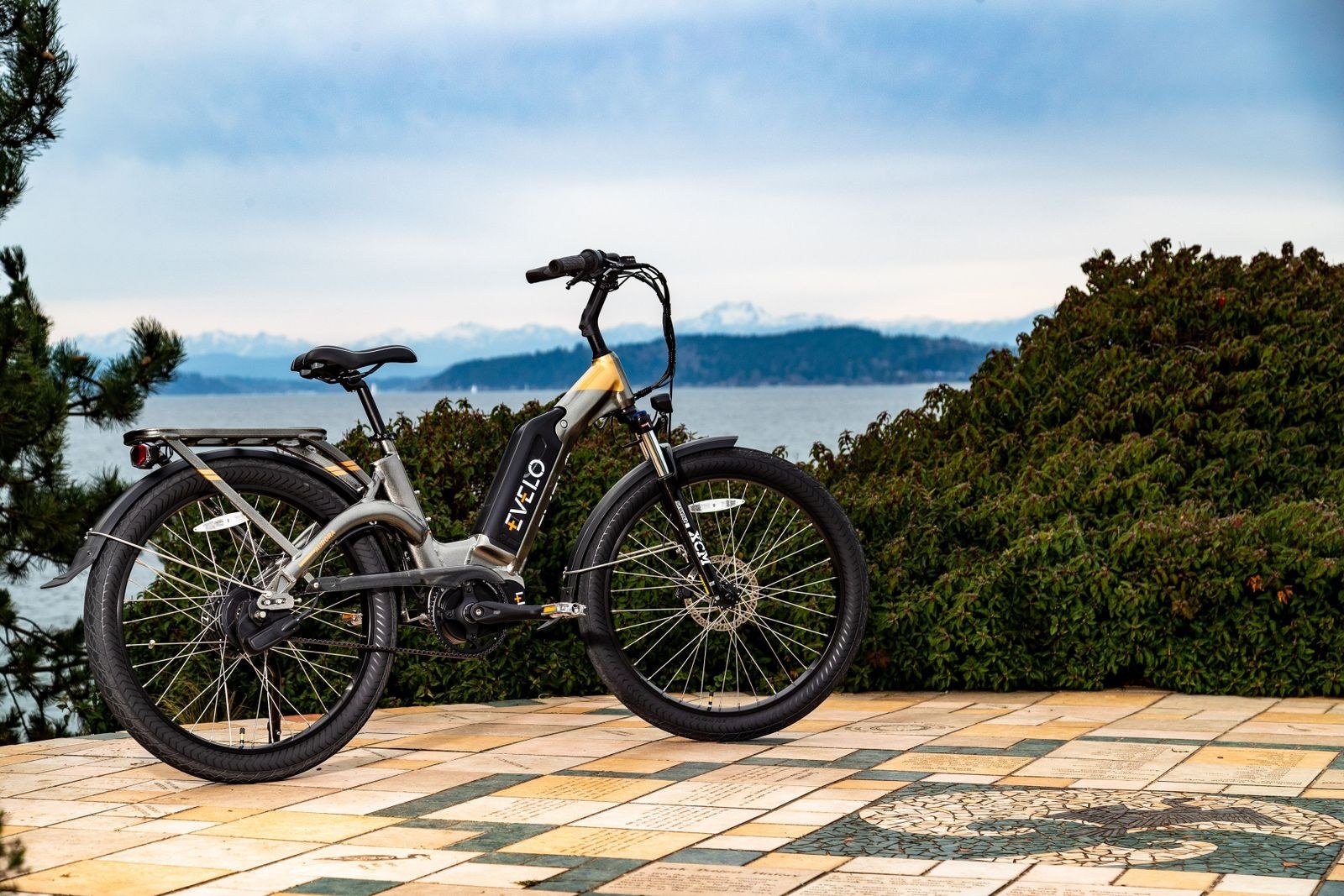
The models at a glance:
| Model | Motor | Battery | Range claim | Weight | Price (AUD) |
|---|---|---|---|---|---|
| FR303 | 500W Bafang (locked 250W) | 48V 20Ah Samsung | Up to ~80 km | 36.2 kg | $2,588 |
| FR333 | 1000W Bafang (locked 250W) | 52V 25Ah Samsung | Up to 100 km | 46.2 kg | $3,488 |
| FR555 | 1000W Bafang (locked 250W) | 52V 25Ah Samsung | Up to 100 km | 59.5 kg | $4,243 |
| FR888 | 1500W | 52V 30Ah Samsung | Up to 70 km | 49 kg | $3,238 |
| FR777 | Dual 1000W AWD | 40Ah (25Ah + 15Ah) | Up to 100 km | ~64.2 kg | $5,188 |
Published figures from Australian retailers, checked November 2026. Prices are in Australian dollars and vary by seller; range figures are “up to” claims, not test results.
How to check a Flight Risk ebike before you buy, step by step
Work through these checks in order, before you pay. The motor lock, the battery label, the weight and the warranty decide whether the bike suits you.
- Confirm the model and the motor. Ask which model it is and what the motor is locked to for road use — a 1000W Bafang locked to 250W rides as a 250W bike.
- Read the battery label. Check the volts and amp-hours against the model table above. A battery with no label, or one that does not match the listing, is a reason to stop.
- Weigh the bike, or lift it. Check the weight in the model table above, then lift the bike onto a rack before you decide.
- Check the brakes, tyres, display and app. Check the hydraulic disc brake pads and levers, and the fat tyres for wear. Several models have GPS tracking and an app (FR Escape): check the display, the app pairing and the GPS response.
- Check the warranty and the seller. The maker gives a 2-year warranty; confirm who honours it where you live and what it covers.
What you’ll need
- Your local road rules for e-bike power and speed limits
- The listing with its published figures
- A car rack rated for the bike’s weight, and a pump and pressure gauge

What the listing usually means
Use this table to match what you see in a listing with what to check first. If the battery shows any sign of damage, skip the table and get qualified help.
| Situation | What you’ll notice | What to try |
|---|---|---|
| “1000W motor” in the headline | A strong figure, but locked to 250W on the road | Ask which mode is road-legal where you ride |
| “Up to 100 km range” | A long claim, measured in easy conditions | Expect less with a heavy rider, hills, cold or high assist |
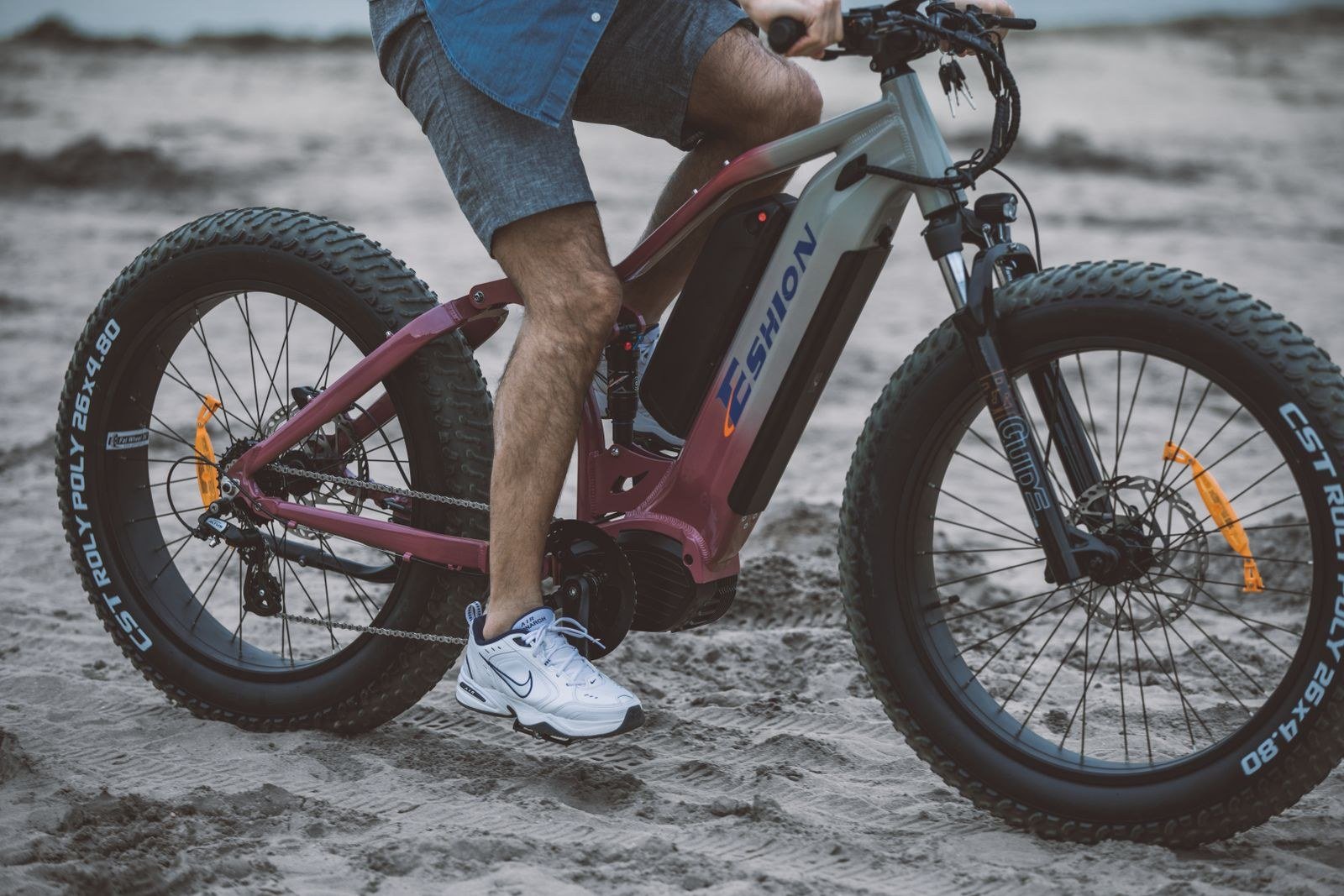
| “Fat tyres” | Wide tyres that grip sand and rough tracks | Check tyre pressure and tread; expect more drag on smooth roads |

How motor, battery and riding conditions change the answer
The same model can feel like two different bikes. The motor lock, the battery, the rider’s weight and the ground decide how far it goes.
What works
- Ride in the road-legal mode first, so you judge the bike you will ride.
- Keep the fat tyres at the pressure on the sidewall — soft tyres cost range on every ride.
- Use a lower assist level on flat ground and save the higher modes for hills.
What to watch
- A 1000W headline with a 250W lock: the road-legal power is 250W, not 1000W.
- Range claims measured with a light rider on flat ground in warm weather.
- Weight: the FR777 is about 64 kg — heavier than many car racks are rated for.
Settings and controls that affect range and ride feel
Before deciding a Flight Risk is weak, check the settings that decide how much battery you use. Assist level is the biggest one: the highest assist on a flat road can empty a large battery far sooner than the lowest assist.

What works
- Set the assist to the lowest level that keeps you comfortable, and raise it only for hills.
- Use the display to watch battery, speed and assist, and reset the trip meter to compare rides.
- Check the power mode in the app: several models switch between 250W, 500W and 1000W, and the road-legal mode is the lowest.
What to watch
- A display that shows full bars after a short charge — the battery may not be full.
- An app that will not pair, or a GPS tracker that does not respond — test both before you pay.
When a problem needs a part, a return or a different bike
Some problems have a simple fix, and some mean the bike is the wrong one. Use this table and the lists below before you spend money on parts.
| Fix | Best use | Limit |
|---|---|---|
| Refit and recharge the battery | The display is blank or the range looks wrong | Will not help if the battery is swollen, hot or damaged |
| Pump the fat tyres to the sidewall pressure | Range has fallen and the ride feels slow | Will not fix a worn battery or a motor fault |
| Return or exchange the bike | The weight, the size or the lock does not suit you | Only inside the seller’s return window, and only if the bike is as sold |
What works
- Match any replacement part — voltage, connector and maker approval — exactly.
- Keep the manual and battery label with the bike, so a shop can match parts.
What to watch
- A battery repair is not a do-it-yourself job — leave it to a qualified shop.
- A part that fits the frame but not the voltage can damage the battery.

The verdict
A Flight Risk ebike suits a rider who wants a heavy, stable fat-tyre bike with a big battery. If you need a light bike, a low price, or an Amazon listing, a different fat-tyre e-bike is the better buy.
Readers also ask
Is the Flight Risk ebike sold on Amazon?
No listing under the name “flight risk ebike” was found on Amazon when this guide was checked. The three fat-tyre e-bikes here are the closest equivalents sold there, and Flight Risk prices are in Australian dollars.
How fast does a Flight Risk ebike go?
The road-legal speed is 25 km/h, with the motor locked to 250W for road use. Unlocked off-road speeds of about 45 to 60 km/h are claimed for some models — check your local rules before you use a higher mode.
How far does a Flight Risk ebike go on one charge?
Published claims run up to 80–100 km depending on the model — see the table above. Those are “up to” figures; rider weight, hills, cold, tyre pressure and assist all reduce real range.
How heavy is a Flight Risk ebike?
Between about 36 and 65 kg — see the model table above. Lift the bike before you buy it.
What motor does a Flight Risk ebike use?
Bafang hub motors — see the model table above. Most are software-locked to 250W for road use.
Additional Details
Name: Flight Risk Ebike: What to Know Before You Buy
Description: Flight Risk ebike buying guide: the FR303, FR333, FR555, FR777 and FR888, their motors, batteries and weights, and the checks that matter before you buy.
Published: November 17, 2026