Part of our guide on Helmets and Safety
You came off the bike, your helmet hit the ground, and now it looks fine. The shell has a scuff, the foam looks whole, and the straps still work. So can you keep riding in it, or is it done? The answer depends on one thing: what foam is inside it.
The short answer is this. Most helmets use EPS foam, and EPS is made for one-time use: it crushes once in a crash and stays crushed, so after any crash where your head hit, you replace it — even if it still looks intact. EPP foam is different: it recovers after an impact and can survive more than one, so an EPP helmet can sometimes keep going after a crash. But few EPP helmets exist, and yours is EPS unless the label says otherwise. These five checks settle it.
Jump to: Step 1 — What happened in the crash · Step 2 — Check the shell · Step 3 — Check the foam · Step 4 — Read the label · Step 5 — Decide · Why one-crash foam cannot be trusted · Tips · Readers also ask
Step 1 — Work out what happened in the crash
Before you touch the helmet, replay the crash. The question is simple: did your head hit anything, or did the helmet take a knock? If the helmet hit the ground, a kerb, a car, or another bike, treat that as an impact — even if you cannot see any damage. A helmet can absorb a hard hit and show almost nothing on the outside.
Be honest about the parts you did not see. If you went over the bars and cannot remember whether your head touched the ground, assume it did. The foam inside can crush in a spot you cannot see from outside, and a helmet that looks fine can still be spent.
Step 2 — Check the shell
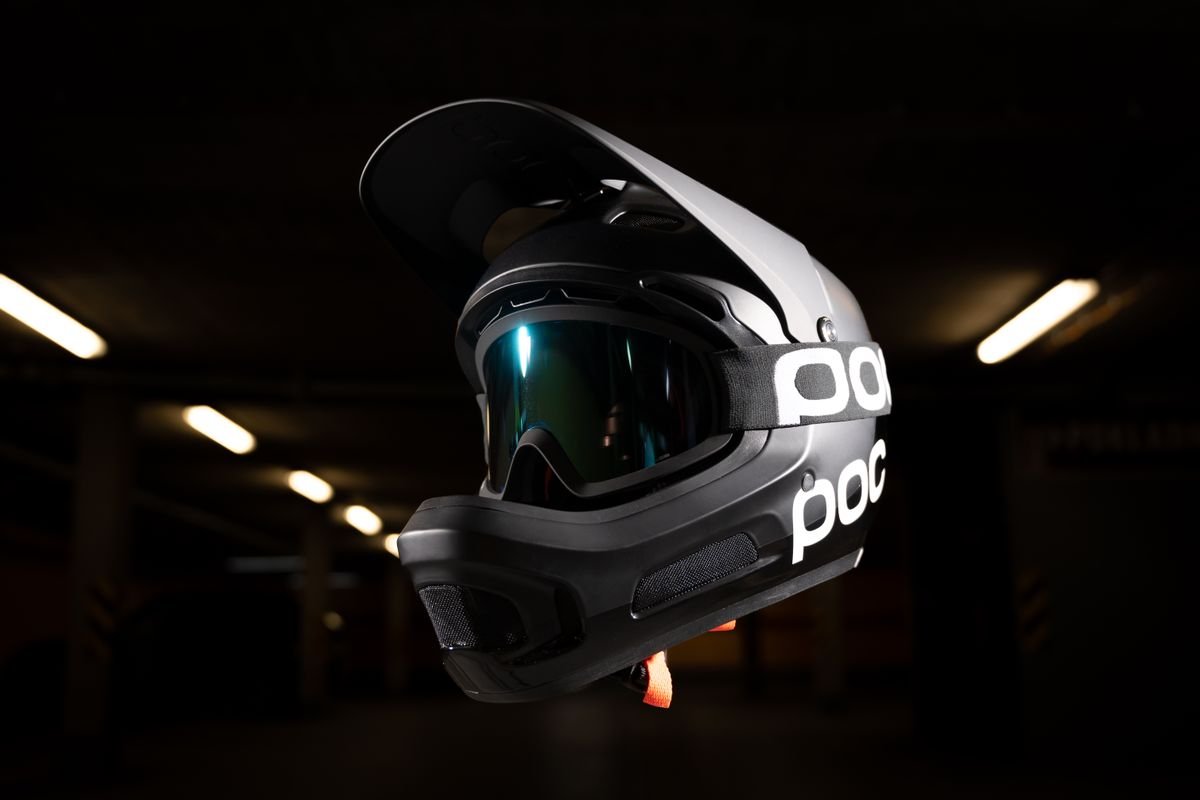
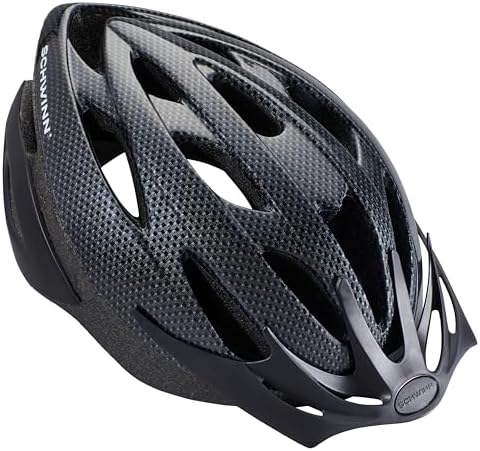
Hold the helmet in good light and turn it slowly. Look for cracks in the outer shell, dents, deep scrapes, and any place where the shell has split away from the foam underneath. A cracked shell is a failed helmet: the shell spreads the force of an impact across the foam, and a crack means it cannot do that job again. If you find a crack anywhere, the decision is already made — replace the helmet.
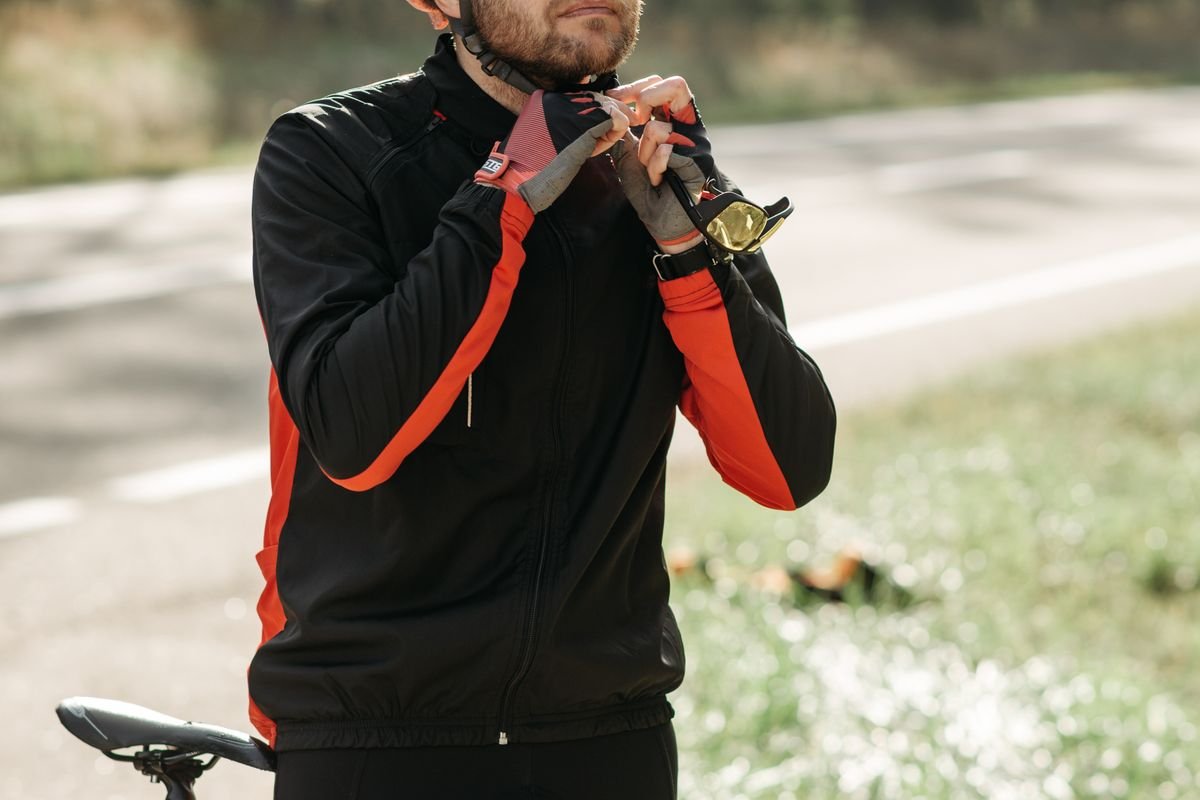
Look closely at the area that hit the ground. Scrapes and scuffs on their own do not always mean the helmet is dead, but a deep gouge or a dent that pushes the shell inward is a warning sign. Run your fingers over the shell and feel for soft spots. Check the straps, the buckle, and the fit dial too: a strap that has stretched, a buckle that no longer clicks firmly, or a dial that slips means the helmet will not stay in place in the next crash, and that alone is a reason to replace it.
Step 3 — Check the foam
Take the comfort padding out and look at the foam liner itself. This is the part that does the real work, and it is also the part that hides damage best. Look for cracks in the foam — cracked foam always requires replacement, with no exceptions. Look for dents, compressed patches, and places where the foam has gone soft or crumbly. Press the foam gently with your thumb: it should spring back evenly all over. A spot that stays dented, feels harder than the foam around it, or has turned to crumbs has already done its job once, and it will not do it again.
Remember what the foam is for. EPS foam is made for one-time use. In a crash it crushes, and the crushing is what absorbs the energy that would otherwise reach your head. Once crushed, it stays crushed — it does not bounce back, and it is no longer as protective, even if the helmet still looks intact from the outside. That is why the Bicycle Helmet Safety Institute says, plainly: did you crash in it? Replace immediately. EPP foam behaves differently: it recovers after an impact, which is why it is called a multi-impact foam, so an EPP helmet can absorb a hit and return to shape. But recovery is not a guarantee — an EPP helmet that has taken a very hard hit still needs the same inspection before you trust it again.

Step 4 — Read the label: EPP or EPS?
Everything so far points to one question, and the label inside the helmet answers it. Look for the sticker or stamp inside the liner, usually near the back or under the padding. If it says EPP, you have a multi-impact helmet. If it says EPS — or if it says nothing about the foam at all — assume EPS. The Bicycle Helmet Safety Institute puts it plainly: helmets made of EPP foam do recover, but there are few EPP helmets on the market, and yours is EPS or EPU unless otherwise labeled.
Do not guess from the brand or the price. A costly helmet is not automatically EPP, and a cheap one is not automatically EPS. The only thing that counts is what the label says. If the label has worn off and you cannot read it, treat the helmet as EPS. That is the safe assumption, and it is the one the guidance supports.
Step 5 — Decide: replace it or keep riding
Now put the checks together. If the foam is EPS and your head hit anything in the crash, replace the helmet. That is the rule, and it does not bend because the helmet looks fine. The foam crushed once, and a crushed EPS liner will not protect you the same way a second time. If the foam is cracked — EPS or EPP — replace the helmet. Cracked foam always requires replacement.
If the foam is EPP, the shell has no cracks, the straps and buckle work, and the foam has sprung back with no dents or soft spots, you can keep riding in it — but keep the inspection honest. EPP can survive more than one impact, yet a hard enough hit can still damage the shell or the fit system even when the foam recovers. If anything about the helmet feels different — a looser fit, a rattle, a strap that slips — replace it rather than talk yourself into keeping it. If you are unsure, replace it — doubt is itself a finding. Retire the old helmet so nobody else picks it up and rides in it — cut the straps before you throw it away.


Why a one-crash foam cannot be trusted
The reason EPS is one-time use is built into how it works. The foam is a block of tiny air-filled beads, and in an impact those beads crush. The crushing takes energy out of the hit before it reaches your skull. But crushed beads do not re-inflate. The dent stays, the foam in that spot is thinner and harder than it was, and the next hit lands on a liner that has already spent its protection. That is why a helmet can look intact and still be unsafe: the damage is a dent inside the foam, not a mark on the shell.
Age, on its own, is a different story — and the evidence is kinder than the marketing suggests. Helmets do not expire. In a 2015 test by MEA Forensic, 675 used helmets that had never crashed were tested, some as old as 26 years, and there was no significant change in performance with age — only a 0.7g per year increase at the higher drop height. Snell tested motorcycle helmets stored for more than 20 years and found they still met the standard. What wears a helmet out is use, care, and abuse — not time on a shelf. Time does not kill a helmet — impacts do.
Tips to make the decision easier
Do not let a date on a box decide for you. Manufacturers recommend replacing a helmet after five years, and some say three. The Bicycle Helmet Safety Institute says some of that may be marketing: deterioration depends on usage, care, and abuse, not on a fixed birthday. As a rough guide from the evidence, a 2010 test by MET found helmets still did their job up to eight years after they were made. Use the date as a prompt to inspect, not as a verdict.
Do not blame sweat. Sweat does not degrade the foam — that is marketing hype, and the foam makers say so. Wash the padding, let the helmet dry out of the sun, and the foam is unaffected. Claims that a helmet has “dried out” or that the foam is “out gassing” are hype too. What the sun can do is affect the shell, which is why helmets carry UV inhibitors — store the helmet out of direct sunlight when you are not riding, and the shell lasts longer.

The verdict
EPS foam is one-crash foam: replace the helmet after any crash where your head hit, even if it looks fine. EPP foam recovers and can survive more than one impact, but few helmets use it — check the label, inspect the shell and foam, and when in doubt, replace it.
Readers also ask
Can I reuse an EPS helmet after a crash?
No. EPS foam is made for one-time use: it crushes once in a crash and stays crushed, so it is no longer as protective, even if the helmet still looks intact. The Bicycle Helmet Safety Institute says to replace it immediately after a crash.
How do I know if my helmet is EPP or EPS?
Read the label inside the liner. If it says EPP, you have a multi-impact helmet. If it says EPS, or says nothing about the foam, assume EPS — most helmets are EPS or EPU unless otherwise labeled.
Does a helmet expire after five years?
No, helmets do not expire. Manufacturers recommend five years, some three, but the Bicycle Helmet Safety Institute says some of that may be marketing. A 2015 test of 675 used helmets found no significant change with age; some were 26 years old.
Does sweat damage the foam in my helmet?
No. Sweat does not degrade the foam, and claims about helmets “drying out” or “out gassing” are hype. Wash the padding and let the helmet dry out of the sun.
What if the helmet looks fine after a crash?
Looks do not settle it. The foam can crush in a spot you cannot see from outside, and a crushed EPS liner will not protect you the same way twice. If your head hit and the foam is EPS, replace the helmet.
Additional Details
Name: EPP Foam Helmet vs EPS: Can You Reuse It After One Crash?
Description: EPP foam recovers after a crash, EPS crushes once and stays crushed. Learn the five checks that tell you whether your helmet can be reused after one crash.
Published: November 22, 2026