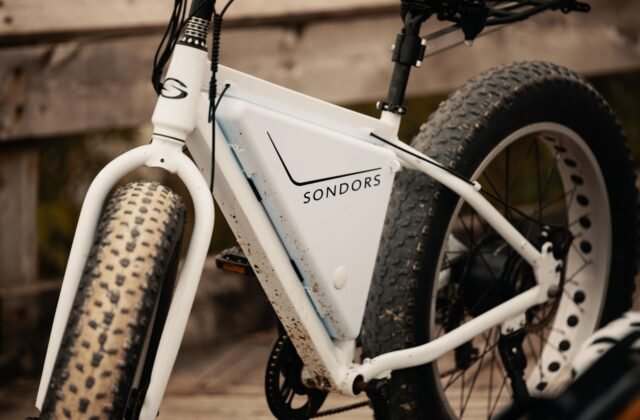
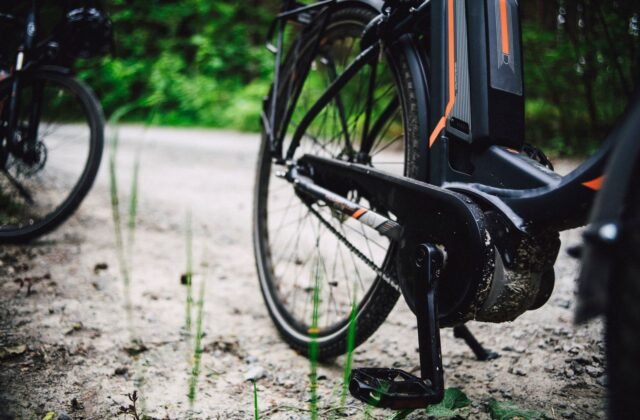
Straight answer: For hills, the lightweight e-bike wins the climb, but the commuter e-bike wins the commute. A lighter bike needs less motor power and less battery to lift the same rider up the same hill. A commuter e-bike is heavier — the commuter models in our own roundup weigh about 50 to 60 lbs — so it leans on a stronger motor and lower gears.
What matters is the total weight the motor must lift: you, the bike, and everything you carry. On a steep climb, that weight is what you feel in your legs.
In the commuter e-bike vs lightweight e-bike decision, pick the lightweight e-bike if the hills are the hardest part of your ride. Pick the commuter e-bike if you carry a bag or a rack load every day.
Introduction
A hill turns a small difference in weight into a real difference in effort. On flat ground, a few extra pounds barely matter. On a climb, every pound counts.
The two bikes solve that problem in different ways. A commuter e-bike adds power and carrying capacity: a stronger motor, a rack, fenders, and lights, ready for the daily trip. A lightweight e-bike removes weight instead, so it is easier to ride, push, and carry. Our E-Bikes Hub explains assist classes, motors, battery size, and torque. See also our hill comparison of commuter e-bikes and electric mountain bikes.
Commuter E-Bike vs Lightweight E-Bike for Hills: The Key Differences
Both bikes can climb. The difference is how they climb, what they cost in battery, and what happens when the assist runs out.
| Attribute | Commuter E-Bike | Lightweight E-Bike | What to Watch |
|---|---|---|---|
| Climbing effort | Stronger motor does the work | Less weight, less assist | Test your steepest hill in low assist |
| Weight | Heavier: about 50 to 60 lbs | Lighter, easier to carry | Lift it onto a rack first |
| Motor | Often a hub motor | Often a smaller, lighter motor | Check torque in Nm, not watts |
| Gearing | Wide gears, low first gear | Low gears matter more | Shift low before the hill |
| Battery use | Hills drain it fast | Uses less per hill | Treat range as a flat-ground estimate |
| Carrying | Rack, fenders, lights fitted | Racks, fenders often add-ons | Check rack mounts |
| Battery runs out | Pushing a heavy bike is hard | Pushing a light bike is easier | Ask how far it rides unassisted |
When the Answer Changes
The straight answer holds for most riders on most hills. These four changes can flip it.
- Your hill is short and the top is flat. If the climb lasts less than a minute, the commuter’s extra weight barely matters.
- You carry a heavy load. A laptop, groceries, or a child seat adds weight the lightweight bike was not built for. See our comparison of commuter and road e-bikes for carrying loads.
- Your stairs are steeper than your hill. If you carry the bike up steps or lift it onto a car rack daily, the lightweight bike wins.
- Your battery is small or old. A lightweight bike uses less energy per climb, so it copes better when range is tight.

Test It Before You Buy: The Hill Test
Read the numbers first, then ride the hill. A short test on your own steepest climb tells you more than any specification sheet.
- Pick your hill. Choose the steepest climb on your regular route, and mark start and finish points you can repeat.
- Ride it in the lowest assist. Start in the easiest gear and lowest assist, and note where you have to work hard.
- Ride it again in your normal assist. Use the level you would use on a workday, and note how much battery it used.
- Stop and restart halfway. Stop on the slope, then start again. If it struggles to move, the hill beats its gearing and torque.
- Carry it up the last stretch. Switch the motor off, walk the bike up the final part, and lift it onto a rack.
What a Fail Looks Like
- You crawl near the top. The gearing is too high, or the motor is out of torque. Use a lower gear or add assist.
- The battery drops fast on one hill. A heavy bike plus a small battery drains quickly. Climb in lower assist, or pick a lighter bike.
- The rear wheel slips on a steep start. Too much power on a loose surface. Start in a lower assist and keep your weight back.
- You cannot restart on the slope. The motor has little torque from a standstill. Start with one foot down in the lowest gear.
Before You Test
Check the brakes, pump the tires, and wear a helmet. Test on a quiet road, not in traffic.
Myth vs Fact
- Myth: A bigger motor always climbs better. Fact: A motor only helps if the gearing and torque match the hill.
- Myth: A lightweight e-bike is too weak for hills. Fact: Less weight means less work for the motor, so it climbs with less battery.

The Method: How to Choose Between a Commuter E-Bike and a Lightweight E-Bike for Hills
Follow these steps in order to find the bike that fits your hills, your load, and your strength.
What You Will Need
- Your regular route, with its steepest hill marked
- Your usual load, such as a bag and a lock
- The bike’s weight, motor type, and gear count
- A charged battery and a helmet
- Notes on where you store and carry the bike

The Method
- Write down your hill. Note its length and steepness, and whether you ride it daily or only sometimes.
- Weigh your load. Add your bag, lock, and anything you carry daily. A heavy load favours the commuter bike.
- Compare weight first. Lift each bike, and walk it up a kerb. If you cannot lift it, the hill is not your only problem.
- Compare the motor and gears. A mid-drive motor uses the gears and climbs well, while a hub motor gives steady power. Look for low gears and torque in Nm, not watts alone.
- Compare the battery. A bigger battery, measured in Wh, lasts longer on hills, but it also adds weight.
- Ride the hill test. Use the test above on the bike you prefer, and decide on the ride, not on the listing.
Note: Compare the bikes on the same hill, on the same day, with the same load. A test on flat ground tells you nothing about climbing.
Warning: If the motor cuts out, the bike overheats, or the brakes feel weak on the descent, stop the test.
When the Damage Is Already Done
If you already bought the wrong one, do not buy a second bike yet.
- The bike is too heavy for the hill. Can you climb it in a lower gear with more assist? If yes, keep the bike and change how you ride it.
- The battery runs out before the top. Use less assist on flat ground, save the battery for the climb, and charge before every hilly ride.
- You cannot carry it up the stairs. A folding ramp or a ground-floor store may solve it, and a ramp is cheaper than a new bike.
- The load is the problem, not the bike. Move the load to a rack or panniers. A lighter load climbs like a lighter bike.
- The gears are too high. A bike shop can fit a smaller chainring or a wider cassette, which lowers the gears.
The Safe Alternative: The Lightweight E-Bike
If the commuter bike is too heavy for your hills, the lightweight e-bike is the safe alternative. It does the same job with less weight to lift.
- List what you must carry. If it fits in one bag and needs no rack, a lightweight bike can do the job.
- Pick low gears over big power. A small motor with low gears climbs better than a big motor with high gears.
- Check the frame mounts. Make sure you can fit a rack or mudguards later, even if you do not need them today.
- Test the carry, not just the ride. Lift the bike, carry it up steps, and put it on a rack before you pay.
- Ride your hill in low assist. If you can climb it without the highest assist level, you have reserve for bad days.
What to Do Next, in Order
Work through this list before you buy.
- Ride your steepest hill on both kinds of bike, and note which one leaves you with more battery and more energy.
- Lift each bike onto a rack and carry it up your stairs.
- Add up your daily load, and check the rack and mudguard mounts.
- Compare torque in Nm and battery in Wh, and read our E-Bikes Hub guide to assist classes and motor types.
- Decide which side of the verdict fits your route: light for the hills, commuter for the loads.
- Buy the bike that passed your own hill test, not the one with the best numbers.

Never Do This
Never buy on watts alone. Watts do not climb hills; torque in Nm and low gears do.
Never test a bike only on flat ground. A flat test hides the one thing that matters here.
Never ignore the weight. If you cannot lift the bike, the motor cannot lift it for you when the battery dies.
Never trust a claimed range on a hilly route. Treat every range claim as an estimate for flat ground, and test it on your hill.
Never ride an untested bike down a steep hill. Check the brakes first, or walk it down.
Summary
In short, a lightweight e-bike is the better hill climber, because it asks less of its motor and battery on every climb. A commuter e-bike is the better daily bike when your route also carries a load. Let the hill — not the listing — decide.
The essentials
- Light bikes climb with less effort and less battery.
- Commuter bikes carry more, but weigh about 50 to 60 lbs in our roundup.
- Torque in Nm and low gears matter more than watts.
- Test every bike on your own steepest hill.
- If you cannot lift it, you cannot live with it.
More Questions, Answered
Which is better for hills, a commuter e-bike or a lightweight e-bike?
A lightweight e-bike climbs with less effort and less battery, because there is less weight to lift. A commuter e-bike can climb well too.
Is a heavier e-bike worse on hills?
Yes, if the motor and gears stay the same. Extra weight makes every climb harder and uses more battery.
Do I need a mid-drive motor for hills?
No, but it helps. A mid-drive motor uses the gears, so it climbs steep hills well. A hub motor can climb too.
How much range do hills take from an e-bike?
Hills use more battery than flat ground, so a claimed range does not hold on a hilly route. Weather, wind, cargo, and assist level change the real range too.
What should I do if my e-bike is too heavy for my hill?
Use a lower gear and more assist, save the battery for the climb, and cut your load. If that is not enough, fit lower gears.
Additional Details
Name: Commuter E-Bike vs Lightweight E-Bike: Which Is Better for Hills?
Description: Commuter e-bike vs lightweight e-bike: which is better for hills? Compare weight, motor, gears and battery use, then run the hill test before you buy.
Published: November 9, 2026