Straight answer: for most seniors, a fat tyre e-bike is better. On paved paths, grass, gravel and loose ground, its wide tyres give steadier balance at low speed, a softer ride and more grip when you stop and start. An electric mountain bike is better only if you ride steep, rough trails regularly.
Introduction
Choosing between an electric mountain bike and a fat tyre e-bike is not really about speed. For a senior rider, the question is simpler: which bike helps you stay upright, comfortable and in control on the rides you actually do?
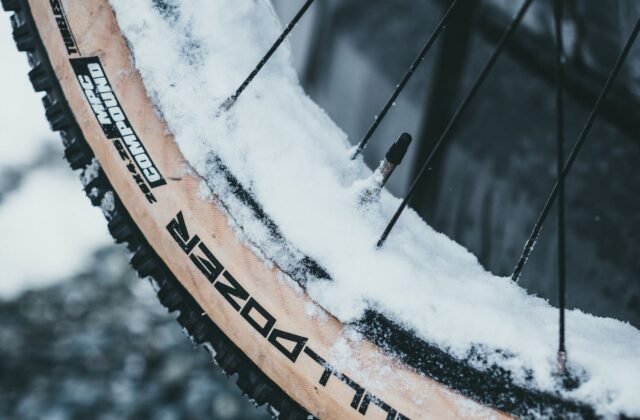
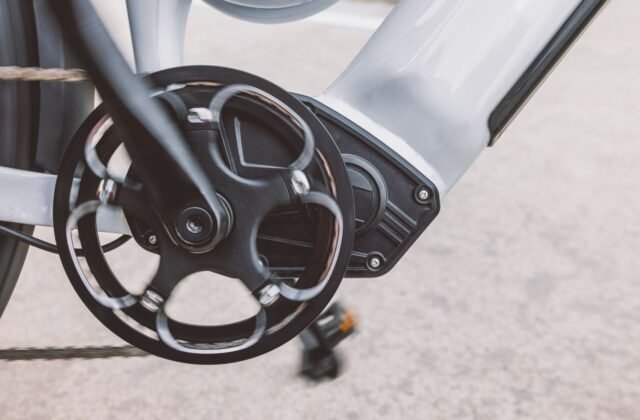
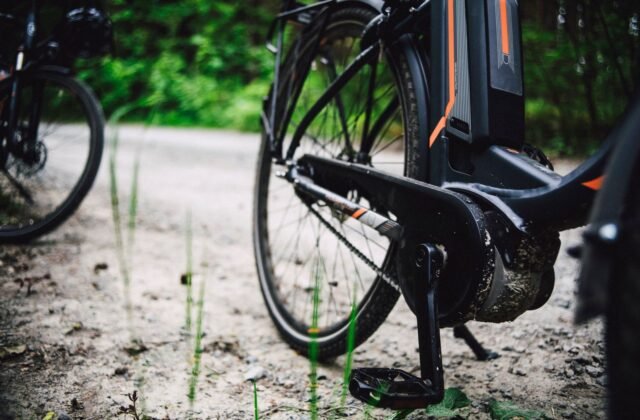
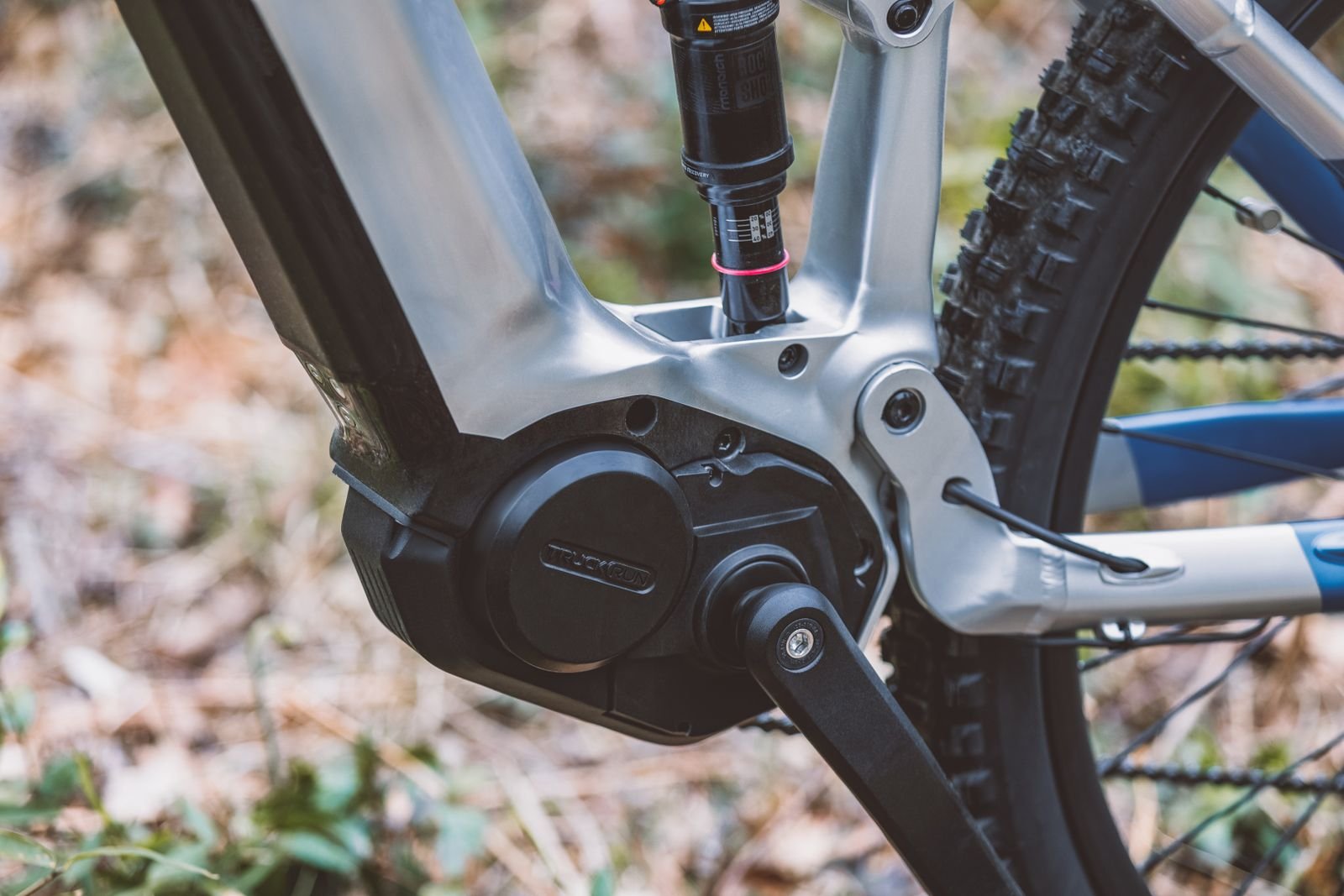
Both use a motor to help you pedal, and both can make hills and headwinds easier. The difference is in the tyres, frame, riding position and behaviour when the surface changes. A fat tyre e-bike spreads its weight over a wider contact patch, so it feels planted on sand, grass and loose gravel. An electric mountain bike is usually lighter and more agile, with suspension and geometry made for trails.
Electric Mountain Bike vs Fat Tyre E-Bike: Which Is Better for Seniors?
Use the table for a quick side-by-side check, then read the rows that match your riding. If you ride mainly paved paths and park tracks, stability and mounting matter most. If you ride forest trails, control and suspension matter most.
| Attribute | Electric Mountain Bike | Fat Tyre E-Bike | What to Watch |
|---|---|---|---|
| Stability at low speed | Good on firm trails, less steady on loose ground | Steadier at low speed on gravel, grass and sand | Test a slow turn and a stop on loose ground |
| Mounting and step-over | Often a higher top tube, so you lift your leg higher | Often a lower frame, but check the model | Can you mount and dismount without wobbling? |
| Riding position | More forward-leaning, sportier posture | Usually more upright and relaxed | Do your neck, back or wrists ache after a short ride? |
| Tyres and comfort | Narrower tyres, so bumps reach you more | Wide tyres cushion bumps and uneven paths | Feel the same bumpy path on both bikes |
| Hills and rough trails | Better control on steep, rough, technical trails | Capable on gentle slopes, less precise on rough trails | Match the bike to the steepest trail you ride often |
| Weight and lifting | Usually lighter, so easier to lift and load | Often heavier, so harder to lift or carry | Lift it yourself, and load it onto your rack |
When the Answer Changes
The verdict flips when the riding changes. If most of your rides are forest trails with roots, rocks and steep climbs, an electric mountain bike takes over. Its suspension, narrower tyres and trail geometry give more control where a fat tyre bike can feel vague and heavy.
The answer also changes with your body and storage. A higher step-over, a heavier bike, or a long walk to a shed can turn a good bike into one you avoid. If you need to lift the bike up steps, load it onto a rack alone, or mount it with limited hip or knee movement, weight and frame height can matter more than tyre width. For a related winter comparison, see the commuter e-bike vs fat tyre e-bike guide, and for hills, see the commuter e-bike vs electric mountain bike comparison.

How to Decide Which One Suits You Better
Do not decide from a photo or a specification list. Ride both types on the same day, on the same route, and judge them by how steady and relaxed you feel. Wear the shoes and clothing you normally ride in.
- Mount and dismount three times. Stop, put a foot down, get off, then get on again. The right bike should feel calm and easy at this step.
- Ride slowly in a straight line. Ride at walking pace, then make a slow U-turn. Watch for wobble, and notice how hard you work to stay straight.
- Ride the same bumpy stretch on both bikes. Use a gravel path or uneven park track, and notice how much shake reaches your hands and lower back.
- Stop from a gentle speed on loose ground. Brake early and smoothly, with both brakes. The bike should stop in a straight line.
What a Fail Looks Like
- You wobble when you put a foot down → the frame is too tall, or the bike is too heavy at a stop → try a lower frame or a lighter model.
- Your wrists or lower back ache after a short ride → the riding position is too forward, or the bike is too stiff → try a more upright model, or the wider-tyre bike.
- The front wheel slips on loose gravel → the tyre is too narrow for that surface, or you braked too hard at the front → slow down earlier, and try the fat tyre bike there.
- You cannot lift the bike onto your rack → the bike is too heavy for you to handle alone → use a ramp, or choose a lighter model.
Myth: A fat tyre e-bike is always heavy and hard to ride.
Fact: Fat tyre e-bikes are often heavier, but the motor helps with pedalling, and wide tyres can make slow riding feel steadier. The problem is usually lifting the bike, not riding it. Check the weight in person.
Before you test: Wear a helmet, check both brakes, the tyres and the battery, and test in a quiet area away from traffic. Take a phone, and do not test alone on a remote trail.

How to Ride Either E-Bike Safely as a Senior
What You Will Need
- A helmet that fits well, and gloves for grip
- Closed shoes with a firm sole
- A charged battery, working brakes, and tyres checked before you set off
- A quiet route, a phone, and water for a longer ride
The Method
- Start in the lowest assist level. Pedal gently from a stop, in a low gear, and build speed slowly. Do not start on a hill or loose ground.
- Keep your weight centred and your hands relaxed. Sit upright, look ahead, and keep a light grip. A tense grip makes the bike feel twitchy.
- Slow down early for turns, gravel and downhill sections. Brake before the turn, not in it, and use both brakes together.
- Stop with a foot ready. As you slow down, move a foot towards the ground before the bike stops. Step off calmly, holding the bike with the brakes on.
Note: Ride at the pace that feels steady for you, not the pace other riders use. If a section feels too rough, too steep or too busy, walk the bike through it.
Warning: Do not use the highest assist level on your first ride, and do not ride a new bike on a steep trail or in wet weather until you know how its brakes and tyres behave.

When the Damage Is Already Done
If you already bought the wrong type, do not assume you must sell it at once. Small changes can make a bike easier to live with.
- You bought a mountain bike and mounting is hard: Have the saddle lowered and the handlebars raised, and practise in a quiet area. If you still wobble at stops, a lower frame is likely the safer change.
- You bought a fat tyre bike and it feels too heavy to lift: Take the battery out before lifting, use a ramp for your rack, and store the bike where you do not need to carry it up steps.
- The tyres feel wrong for your usual route: Check the tyre pressure, and ask a bike shop whether a different tread would suit your surface. Do not change tyre size without checking that it fits your frame and brakes.
The Safe Alternative: Use an Electric Mountain Bike for Steep, Rough Trails
For most seniors, a fat tyre e-bike is the steadier everyday choice. The electric mountain bike is the safe alternative when your riding is mainly steep, rough trails, and you are comfortable mounting and handling that type of bike.
- Choose it for the trail, not for the road. Pick the mountain bike only if steep, rough trails are a regular part of your riding.
- Check mounting and handling first. Mount it three times, ride slowly, and stop on a slope. If any step feels unsafe, stay with the fat tyre bike.
- Keep the fat tyre bike for everyday rides. Use the steadier bike for paths, parks and loose ground, and the mountain bike for the trails it suits best.
What to Do Next, in Order
- Write down where you ride most: paved paths, park tracks, gravel, grass or steep trails.
- List what matters most: mounting, low-speed stability, comfort, lifting or hill control.
- Test both types on the same route, using the four-step test above.
- Pick the bike that felt steadiest at low speed and easiest to mount and stop.
- Have a bike shop check the fit, brakes and tyre pressure before your first longer ride.
- Start with short, quiet rides, then build up distance only when you feel confident.
Never Do This When Riding an E-Bike as a Senior
- Never ride without a helmet. A fall at low speed can still cause a serious head injury.
- Never start in the highest assist level. A sudden surge can pull the bike forward before you are ready.
- Never brake hard with the front brake alone. Use both brakes, and slow down early on loose or wet ground.
- Never ride a bike you cannot mount, stop or lift safely. If any of those steps feels unsafe in a test, do not buy that bike.
In Short
For most seniors, a fat tyre e-bike is the better choice for everyday riding, because its wide tyres give steadier balance at low speed, a softer ride and more grip on loose ground. An electric mountain bike is better only for regular steep, rough trail riding. Test both on your own route, and choose the bike that is easiest to mount, stop and handle.
The Essentials
- Most seniors: choose a fat tyre e-bike for steady everyday riding.
- Trail riders: choose an electric mountain bike for steep, rough trails.
- Before you buy: test mounting, slow riding, braking and lifting on the same route.
- More e-bike comparisons: browse the E-Bikes Hub for related guides.
More Questions, Answered
Is a fat tyre e-bike good for seniors?
For most seniors riding paved paths, park tracks, gravel and grass, yes. The wide tyres help with low-speed stability and comfort. Check the weight and frame height first, because those cause the most trouble when lifting or mounting.
Is an electric mountain bike too hard for a senior?
Not always. A senior who rides trails regularly and can mount a higher frame safely can use one well. For paved paths and loose ground, though, a fat tyre bike usually feels steadier.
Can a fat tyre e-bike handle hills?
It can handle gentle slopes and rolling ground, with motor help. For steep, rough trails, an electric mountain bike usually gives better control. Test both on the steepest hill you ride often, and see the commuter e-bike vs electric mountain bike guide for hill riding.
Additional Details
Name: Electric Mountain Bike vs Fat Tyre E-Bike: Which Is Better for Seniors?
Description: Electric mountain bike vs fat tyre e-bike: which is better for seniors? Compare stability, comfort, mounting, hills and weight to choose the safer ride.
Published: November 9, 2026