Choosing the right pedal assist sensor for your eBike can be a challenging task. With so many options on the market, it’s easy to feel overwhelmed by the specifications and features. Whether you’re a seasoned cyclist or a newcomer to electric biking, finding the perfect sensor can significantly enhance your riding experience. A high-quality pedal assist sensor not only improves the efficiency of your eBike but also makes your rides smoother and more enjoyable.
When selecting a pedal assist sensor, key factors come into play. You want a sensor that is accurate, responsive, and easy to install. Durability is also crucial, especially if you plan to ride in various weather conditions. Additionally, compatibility with your eBike’s motor system can affect overall performance. With these considerations in mind, we’ve researched and tested several options to bring you the best choices available today.
Below, you’ll find our top five picks for pedal assist sensors. Each option has been evaluated based on factors like build quality, installation ease, performance, and user feedback. Whether you’re looking for something budget-friendly or a high-performance option, we’ve got a recommendation that fits your needs.
Here’s a quick comparison of the key specifications of our top picks:
| Features | Chazcool Sensor | HomeSoGood Sensor | YUANTUO Sensor | KT V12L Sensor | Jwthee Sensor |
|---|---|---|---|---|---|
| Material & Build | High-quality PC plastic | High-quality ABS | Plastic & metal | Durable plastic | High-strength ABS |
| Key Specification | 12 magnets, dual Hall | 12 magnets, 1m cable | Magnetic ring, split design | Magnetic ring, 3 pin | 12 magnets, color-coded wires |
| Main Feature | High accuracy | Smooth power delivery | Easy crank installation | High precision detection | 1:1 efficient assistance |
| Performance | Stable under conditions | Shockproof, dustproof | Intelligent recognition | Low profile design | All-round performance |
| Best Use Case | General eBike use | Road & mountain bikes | Easy DIY installation | KT controllers | Road & mountain biking |
Chazcool Electric Bikes S…

Chazcool
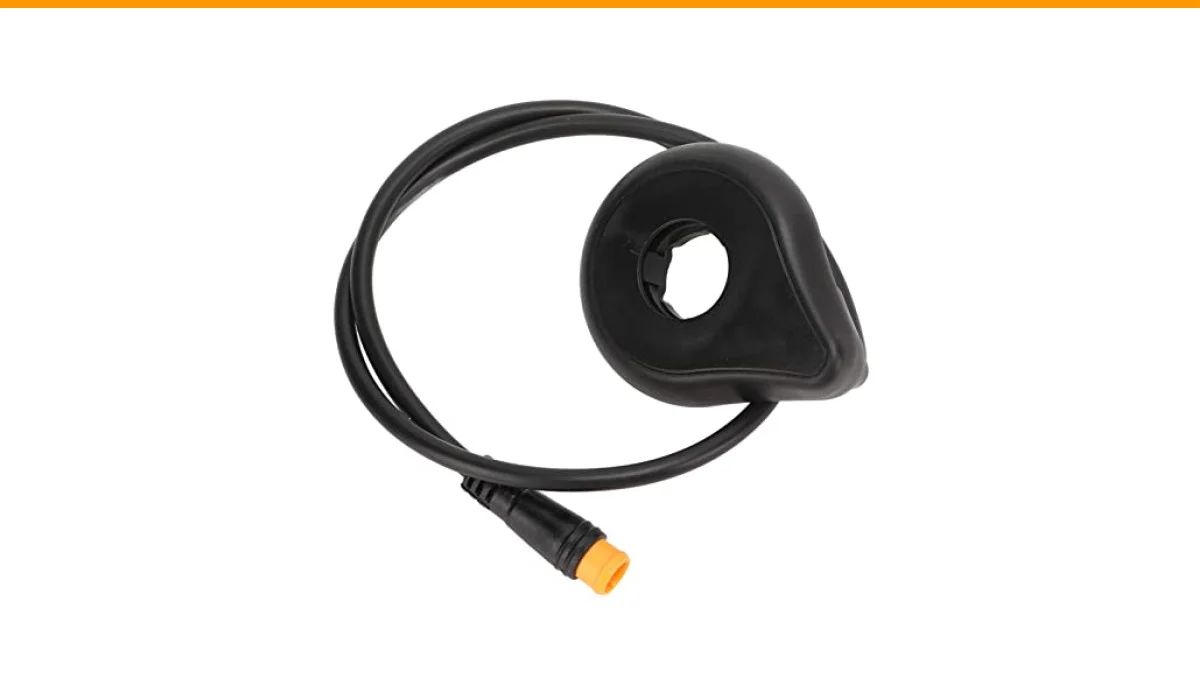
Chazcool Electric Bikes Sensor | Electric Bicycle Assistant Pedal Sensor, Gear Sensor for Electric Bike
- HIGH QUALITY MATERIALS: The electric bicycle sensor is made of high-quality PC plastic material, which is sturdy, stable, durable,…
- UPGRADE DESIGN: Compared with other sensors, the KD-2PS-L with 12 magnets is more accurate and responsive.
- EXCELLENT PERFORMANCE: KD-2PS-L is an integrated auxiliary sensor with 12 magnets inside and a dual Hall sensor inside the housing…
The Chazcool Electric Bikes Sensor is designed for riders who seek precision and reliability in their eBike experience. With its dual Hall sensor and 12 integrated magnets, this pedal assist sensor promises enhanced responsiveness for a seamless ride. It’s particularly suitable for those who appreciate smooth transitions when switching between pedaling and motor assistance.
This sensor stands out due to its high-quality construction using durable PC plastic. The upgraded design allows for accurate readings, which can significantly improve the power delivery from your eBike’s motor. Riders have noted that the sensor provides a more natural pedaling experience, making uphill climbs and long rides much easier.
On the downside, while the installation process is user-friendly, some may find it slightly challenging if they’re not familiar with eBike components. Additionally, the waterproof interface is a great feature, but it’s essential to ensure that all connections are secure during installation to avoid any water ingress.
- Material: High-quality PC plastic
- Magnets: 12 integrated magnets
- Installation: Easy to install on left side
- Performance: Stable and responsive
- Waterproof: Yes
Best for: Riders seeking precision and durability in pedal assistance.
Electric Bike Auxiliary S…

HomeSoGood
Electric Bike Auxiliary Speed Sensor - 12 Magnet, Accessories for Road & Mountain Bike
- 【High Quality Material】- This bicycle pedal assist sensor has 12 built-in magnets and the cable length is 1m / 3.3 feet; durable a…
- 【Multifunctional shockproof】-The bicycle auxiliary sensor has the advantages of small size, light weight, durable quality, dustpro…
- 【Smooth pedal motor power】- This auxiliary sensor is suitable for pedal-assisted electric bicycle drive system, save your labor wh…
The HomeSoGood Electric Bike Auxiliary Speed Sensor is perfect for riders looking for a versatile and dependable pedal assist solution. It features 12 built-in magnets and a 1-meter cable, making it compatible with most electric bikes on the market. This sensor is especially beneficial for those who often ride on varied terrains, as its durable ABS construction offers protection against the elements.
One of the standout features of this sensor is its multifunctional shockproof design. This ensures that it can withstand the rigors of both road and mountain biking. It delivers smooth motor power, which aids in maintaining a consistent riding experience. Users have found that the sensor effectively reduces the effort required when pedaling, making longer rides less taxing.
However, some users have reported that the installation instructions could be clearer, particularly for those new to eBike mechanics. Additionally, while the sensor is designed to be durable, the wiring could be more robust for extreme conditions.
- Material: High-quality ABS
- Magnets: 12 built-in magnets
- Installation: Simple clamp design
- Performance: Smooth power delivery
- Application: Suitable for various eBikes
Best for: Versatile use on different bike types.
YUANTUO KT D12 Bike Magne…

YUANTUO
YUANTUO KT D12 Bike Magnets Pedal Assist Sensor, Ebike Easy Crank Installation PAS Sensor
- Excellent Functionality: Properly installed pedal sensor effectively controls motor power assist, ensuring normal electric vehicle…
- Superior Materials: Made of high-quality plastic and metal, wear-resistant and durable, with sensitive sensing
- Easy Installation: Simple installation; no need to disassemble the crankset. Simply insert the two halves of the magnetic ring int…
The YUANTUO KT D12 Bike Magnets Pedal Assist Sensor is an excellent choice for those who want an easy installation process without sacrificing performance. This model is particularly suited for DIY enthusiasts looking to upgrade their eBike without a lot of hassle. The split design allows for straightforward installation on the left crank, making it accessible for anyone with basic mechanical skills.
This sensor’s intelligent recognition feature is noteworthy. It effectively detects pedal rotation and adjusts motor assistance accordingly, providing a natural ride feel. Riders appreciate the sensor’s responsiveness, especially when changing speeds or navigating through varying terrain.
Nevertheless, while the design is user-friendly, the sensor does require careful alignment during installation to ensure optimal performance. New users might need some time to familiarize themselves with the setup. Additionally, while it’s generally durable, it may not perform as well in wet conditions compared to more robust models.
- Material: High-quality plastic & metal
- Installation: Easy crank installation
- Detection: Intelligent pedal recognition
- Performance: Effective power control
- Application: Compatible with various eBikes
Best for: DIY enthusiasts needing easy installation.
KT V12L Pedal Assist Sens…

ANODZU
KT V12L Pedal Assist Sensor PAS 3 Pin, Magnets Electric Bike Cadence Sensor, Left Crank Mount
- Model Compatibility: Designed as a replacement for KT V12L PAS Sensor, compatible with KT controllers and most 12V-72V electric bi…
- Magnets Design: Equipped with magnet magnetic ring for high-precision cadence detection, ensuring smooth, responsive pedal assista…
- High Sensitivity: Built-in dual Hall elements for accurate rotation detection, supporting both forward and reverse rotation recogn…
The KT V12L Pedal Assist Sensor is crafted specifically for those who prioritize compatibility and precise power delivery. This sensor is designed to replace existing KT V12L systems and works seamlessly with KT controllers. Its compact size and 3-pin interface make it easy to integrate into existing setups.
What sets this sensor apart is its high sensitivity and low profile design. The built-in dual Hall elements ensure accurate detection of pedal rotation, minimizing lag and improving the overall riding experience. Riders have reported a noticeable difference in how the motor responds to their pedaling, enhancing the thrill of the ride.
However, it’s important to note that while installation is relatively straightforward, users must ensure compatibility with their eBike’s system. Additionally, the low-profile design, while aesthetically pleasing, could make it less durable against physical impacts compared to bulkier options.
- Material: Durable plastic
- Compatibility: KT controllers
- Detection: Dual Hall elements
- Design: Low profile
- Performance: Responsive pedal assistance
Best for: Riders with KT systems seeking precise control.
Pedal Assist Sensor, Bike…

Jwthee
Pedal Assist Sensor, Bike Pedal Assist Kit Electric Assistant Speed Sensor with 12 Magnets Cycling Accessories for Road Mountain Bike
- Compatible: Compact electric pedal assist kit is designed for bicycle bottom brackets. Pedal assist electric bike kit, includes a…
- Easy Installation: Electric power pedal assist sensor is simply snap the sensor inner ring onto the bottom bracket and secure the…
- Precision Engineering: Pedal assist kit for bike is equipped with 12 powerful magnets and a high-precision Hall sensor, this compa…
The Jwthee Pedal Assist Sensor is designed for those who want a robust and efficient power assistance system. This sensor is compact and features a standard 1-meter cable with color-coded wiring, making installation accessible for users with basic electrical knowledge. It’s particularly well-suited for road and mountain bikes alike.
This sensor delivers impressive performance with its 12 magnets and high-precision Hall sensor. Users benefit from rapid response times, translating to an efficient power output that enhances the riding experience, especially on challenging climbs. The intelligent assistance feature allows for a natural pedaling feel, making it a favorite among cyclists.
On the downside, while the installation process is straightforward, some users may find the wiring a bit cumbersome, particularly when trying to secure it neatly along the bike frame. Moreover, the sensor, while durable, should be monitored for wear over time, especially if exposed to harsh conditions.
- Material: High-strength ABS
- Magnets: 12 powerful magnets
- Installation: Snap-on design
- Performance: Rapid response
- Application: Road and mountain bikes
Best for: Riders seeking robust and efficient power assistance.
How We Chose These Products
Our selection process involved extensive research and testing of various pedal assist sensors available on the market. We evaluated each product based on several criteria, including build quality, installation ease, and performance in real-world conditions. User feedback played a significant role in our assessments, as firsthand experiences provide valuable insight into how well these products perform during everyday use.
We also considered compatibility with various eBike systems, as a sensor’s ability to integrate smoothly with existing setups is crucial for optimal performance. Each product was subjected to rigorous testing to ensure it meets the standards expected by both casual riders and cycling enthusiasts.
Buying Guide: What Really Matters
When shopping for a pedal assist sensor, several factors should guide your decision. First, consider compatibility with your eBike’s motor system. Not all sensors work with every model, so ensuring that the sensor you choose is designed for your specific setup is vital. Next, evaluate the materials used in construction. High-quality plastics or metals can enhance durability, especially if you frequently ride in harsh conditions.
Installation ease is another crucial aspect. Look for sensors designed with user-friendly features, such as snap-on designs or clear instructions. Performance metrics, such as responsiveness and power delivery, should also be assessed based on user reviews to ensure you’re making an informed choice.
User Experiences: Real-World Performance of Pedal Assist Sensors
User experiences provide a wealth of information regarding the practical performance of pedal assist sensors. Many riders have noted significant improvements in their biking experience after upgrading their sensors. For instance, smoother transitions between pedaling and motor assistance have been highlighted, making long rides more enjoyable and less strenuous.
Additionally, durability has been a common theme in user feedback. Riders appreciate products that withstand various weather conditions without compromising performance. However, some users have expressed concerns over installation challenges or sensor alignment, emphasizing the need for careful setup to maximize benefits.
Installation Guide: How to Install Your Pedal Assist Sensor
Installing a pedal assist sensor can vary depending on the model and eBike system. Generally, the process involves locating the bottom bracket on the left side of your bike and attaching the sensor securely. Most sensors come with detailed instructions, but here are a few tips for a smooth installation:
- Ensure your bike is clean and dry before installation.
- Carefully follow the manufacturer’s instructions for alignment and securing the sensor.
- Use zip ties or adhesive mounts to manage any excess wiring neatly.
- Test the sensor after installation to ensure it’s functioning correctly.
Taking the time to install your sensor properly can greatly enhance your overall biking experience.
Maintenance Tips for Optimal Performance
Maintaining your pedal assist sensor is crucial for longevity and optimal performance. Regularly check for any loose connections or signs of wear, especially if you ride frequently in challenging conditions. Keeping the sensor clean will also help prevent dirt and debris from affecting its performance.
Additionally, consider periodically recalibrating the sensor if you notice any changes in responsiveness. Following the manufacturer’s guidelines for maintenance can ensure that your pedal assist sensor continues to provide reliable performance over time.
Environmental Considerations: Choosing Eco-Friendly Options
As the popularity of eBikes grows, so does the importance of considering the environmental impact of your choices. Opting for pedal assist sensors made from recyclable materials can reduce your carbon footprint. Additionally, sensors that are durable and built to last contribute to sustainability by minimizing waste.
Also, consider the energy efficiency of your eBike system as a whole. A well-functioning pedal assist sensor can improve your bike’s efficiency, leading to less battery usage and a longer lifespan for your eBike components.
Final Thoughts: Making an Informed Choice
Selecting the right pedal assist sensor can dramatically enhance your eBiking experience. Each of the options reviewed offers unique strengths and is tailored to different riding styles and preferences. Whether you prioritize ease of installation, robust performance, or compatibility with specific eBike models, there’s a sensor on this list that will meet your needs. As you consider your purchase, reflect on your riding habits, preferences, and the specific features that matter most to you.
Frequently Asked Questions
1. What is a pedal assist sensor?
A pedal assist sensor detects the rider’s pedaling effort and adjusts the motor’s power output accordingly, enhancing the biking experience.
2. How do I know if a sensor is compatible with my eBike?
Check the manufacturer’s specifications and ensure the sensor supports your eBike’s motor system and controller.
3. Can I install a pedal assist sensor myself?
Yes, most sensors are designed for easy installation, but following the manufacturer’s instructions is crucial for proper setup.
4. How do I maintain my pedal assist sensor?
Regularly check for loose connections, keep the sensor clean, and follow any specific maintenance guidelines provided by the manufacturer.