
For most commuters, a commuter e-bike is the better buy — because most commuter e-bikes already are pedal-assist e-bikes, with the rack, fenders and lights a daily ride needs fitted from the start. A basic pedal-assist e-bike is the better pick only when you want a lighter, simpler bike and you are happy to add the commuting kit yourself, or when your route is short, flat and dry. The real choice is not motor against motor. It is a complete commuting package against a bare pedal-assist bike.
A commuter e-bike is a bike built for the daily trip: an upright riding position, a rack and fenders, lights, and tires that suit pavement. It is a complete package, not a motor bolted onto any frame. Browse the full set of e-bike guides in the E-Bikes Hub before you shortlist a bike.
Pedal assist is different. It is a way the motor works, not a type of bike. On a pedal-assist e-bike, the motor adds power only while you pedal, so the bike still rides like a bicycle. Most commuter e-bikes already work this way — which is why this comparison is really about the fitted kit, not the motor.
Commuter E-Bike vs Pedal Assist E-Bike: The Core Differences
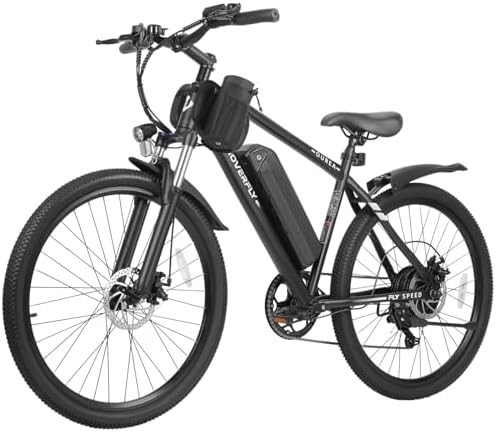
On paper, the two sides are not rivals. One is a bike built for commuting, and the other is the motor mode most commuting bikes use. A budget commuter e-bike shows the trade clearly: the bike decides the ride, and the assist decides how hard the ride feels.
| Attribute | Commuter E-Bike | Pedal Assist E-Bike | What to Watch |
|---|---|---|---|
| What it is | A bike built for daily travel | An assist mode, not a bike type | If the listing only says pedal assist, check what else is fitted. |
| Fitted kit | Rack, fenders, lights, kickstand included | Often bare; kit is extra | Add up the missing kit cost. |
| Riding position | Upright and relaxed | Depends on the frame | Sit on it first. |
| Assist feel | Tuned for steady speeds | Cadence or torque sensor sets the feel | A torque sensor feels more natural. |
| Throttle | Some add a throttle | Usually none | Check local throttle rules. |
| Weight and carrying | Heavier, built to carry a load | Lighter, less load capacity | Test with your usual bag. |
| Best for | Daily commuting in most weather | Short, flat rides | Match your longest day. |
| Cost to get road-ready | Higher up front, less to add | Lower up front, kit adds up | Compare the total price. |
When the Answer Changes
The verdict above holds for a normal paved commute. Change one of these variables and the better bike can flip.
- A long, hilly route. A commuter e-bike’s gearing and carrying kit help on the way home, while a light pedal-assist bike can feel under-geared on long hills.
- A lot of rain. Fenders, lights and a rack matter more than motor size when the weather turns. Our guide to disc brakes vs rim brakes after rain is worth reading before you judge a bike by one dry ride.
- A heavy load. Laptop, groceries and a change of clothes add up. A commuter frame with a rack is built for that; a bare bike with a backpack is not.
- Storage and stairs. If you carry the bike up steps or into a flat, a lighter pedal-assist bike can win. A heavier commuter bike is harder to lift.
- You want the exercise. A pedal-assist bike on a low assist level gives you the workout. A commuter e-bike lets you turn the assist up on tired days.
The 20-Minute Commute Test
Do not decide from a spec sheet. Two bikes with the same motor can feel very different, because gearing, tires, weight and the assist sensor all change how power reaches the road. Test both on your real route.
- Ride your real route, with your usual bag on the bike.
- Use the same assist level on each bike. Change only the bike.
- Time the ride door to door and note how you feel at the end.
- Stop halfway and check the battery. A big drop warns you about the ride home.
- Try the steepest part in the gear you would actually use.
- Park it, lock it and lift it. Storage is part of the test.
What a Fail Looks Like
- Symptom: you arrive sweaty on a flat ride. Cause: the assist level is too low or the sensor lags. Fix: raise one assist level and check the sensor type.
- Symptom: the motor surges, then cuts out. Cause: a slow cadence sensor, or a low battery. Fix: pedal steadily, charge before the ride, and test a torque-sensor bike if it keeps happening.
- Symptom: your back and bag are soaked after light rain. Cause: no fenders or rack. Fix: fit full fenders and a rack, or pick the commuter bike that has them.
- Symptom: the bike feels slow and heavy on a hill. Cause: a high gear and a heavy load. Fix: shift down early and spread the load on a rack.
Myth vs Fact: Myth: a commuter e-bike has a different kind of motor from a pedal-assist e-bike. Fact: most commuter e-bikes are pedal-assist e-bikes. The difference is the fitted kit — rack, fenders and lights — not the motor.
Before you test: wear a helmet, check both brakes before you roll, and keep the first run at moderate assist on a quiet street. Never test a new bike at full assist in traffic.
The Method: How to Choose in One Afternoon
Use this method when you can try both types. It takes about an hour. If you are new to e-bikes, our guide to the commuter e-bike vs hybrid e-bike explains which type is friendlier for beginners.
What You Will Need
- Your real commute route, with a clear start and finish
- A charged battery on each bike
- A helmet and a phone or watch to time the ride
- The same bag and load you carry on a normal day
The Method
- Charge both bikes fully and note the starting level.
- Ride your route on the first bike at your normal assist level, with your usual load.
- Note your time, how the assist felt, and the battery left.
- Swap bikes and repeat the same route, the same way.
- Add the missing kit price to any bare bike before you compare prices.
- Pick the bike that did your worst day, not your easiest.
Tip: if the battery drops by more than a fifth on one leg, that bike is working too hard for your route. Lower the assist, shift down, or pick the other type.
When the Damage Is Already Done
If you already bought the wrong one, you do not have to start over. These fixes help most mismatches.
- Bought a bare pedal-assist bike and hate the wet rides: fit full fenders, a rack and lights. It costs less than a new bike and fixes most of the problem.
- Bought a commuter e-bike and it feels heavy on the stairs: take the battery off when you carry it, and store the bike on the ground floor if you can.
- Bought for speed and you are always tired: drop the assist level on flat ground and save the power for hills, and read our guide on how to make your e-bike battery last longer.
- Bought the wrong size or position: a fit check at a bike shop is cheaper than a new bike.

The Safe Alternative: Start With a Pedal-Assist E-Bike
If you are unsure, or your commute is short and flat, a pedal-assist e-bike is the safe alternative. It is simpler, often lighter, and you can add the commuting kit as you learn what you actually need.
- Pick a bike with a torque sensor if you can test one – the assist feels smoother and more natural.
- Ride it for two weeks before you buy any accessories, and note what you miss.
- Add a rack first, then fenders and lights, in that order.
- Keep the assist low on flat ground so the battery lasts longer between charges.

What to Do Next, in Order
- Map your route and mark the steepest and wettest parts.
- Weigh what you carry on a normal day.
- Shortlist one commuter e-bike and one pedal-assist e-bike.
- Run the 20-minute test on both, with the same load and assist.
- Add the missing kit price to the bare bike before you compare.
- Buy the bike that passed your worst day, and check that lights, rack and fenders fit before you ride it home.
Never Do This on a Commuter E-Bike Ride
- Never buy on motor size alone. Check the rack, fenders, lights and gearing first.
- Never ride a new bike at full assist in traffic. Learn the brakes and the assist levels on a quiet street first.
- Never start a ride with a battery you have not checked. A flat battery turns an e-bike into a very heavy bicycle.
- Never ignore a slipping chain or a rubbing brake. Both get worse under motor power, so get them fixed before your next commute. If the chain keeps slipping, see our guide on an e-bike chain that keeps slipping.
- Never test a bike without your usual load. An empty test ride hides the weight that matters most.
In Short
For most commuters, the commuter e-bike is the better pick: a pedal-assist bike with the daily kit already fitted. A basic pedal-assist e-bike is better when your route is short and flat, you want a lighter bike, or you will add the kit yourself. Test both on your real route and let your worst day decide.
The Essentials
- A commuter e-bike is a complete commuting package; pedal assist is the motor mode inside most of them.
- Rack, fenders and lights decide how a bike handles a real commute, not the motor alone.
- Test both bikes on your real route, with your real load.
- Browse the full set of guides in the E-Bikes Hub.
More Questions, Answered
Is a commuter e-bike the same as a pedal assist e-bike?
Usually, yes. Most commuter e-bikes use pedal assist, so the motor adds power while you pedal. The label commuter describes the fitted kit and riding position, not a different motor.
Do I need a throttle on a commuter e-bike?
No. A throttle lets the motor work without pedalling, but it is not needed for commuting, and some places restrict throttles. Check the rules where you ride before you pay extra for one.
Which is better for hills: a commuter e-bike or a pedal assist e-bike?
Both can climb well if the gearing is right. If your route has long, steep hills, also compare a commuter e-bike with an electric mountain bike before you buy.
Can I turn a pedal assist e-bike into a commuter e-bike?
Yes. Add a rack, full fenders and lights, and choose tires for pavement. Check that the frame has rack and fender mounts first.
Additional Details
- Name: Commuter E-Bike vs Pedal Assist E-Bike: Which Is Better for Commuting?
- Description: Commuter e-bike vs pedal assist e-bike: which is better for commuting? Compare fit, gear, assist and range, then run the 20-minute test before you buy.
- Published: November 9, 2026