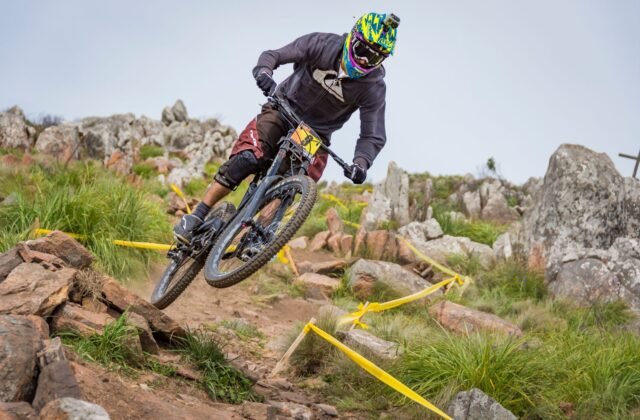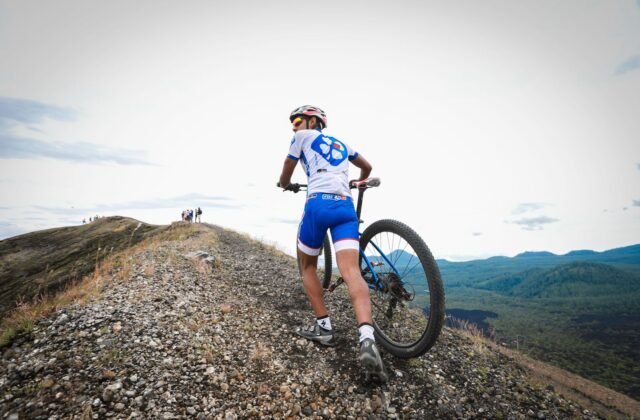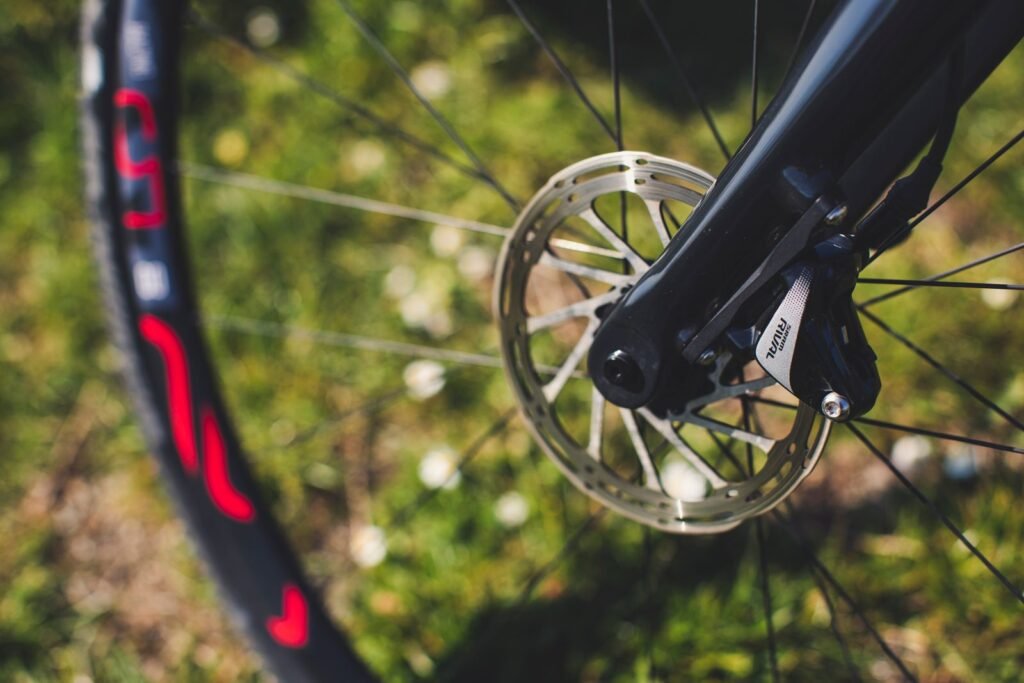
Straight answer: For most beginners, a cross country mountain bike is the better first bike. It is built to pedal efficiently — light, with a calm riding position and just enough suspension to smooth rough singletrack — so it climbs well and teaches clean line choice. A 29er is not a rival to it: most cross country bikes already roll on 29-inch wheels. The real choice is between a cross country 29er and a 29er built for trail or downhill riding,.
Introduction
A cross country mountain bike is a style of bike, and a 29er is a wheel size, so this comparison is not quite what it first looks like. A cross country bike is built for pedalling: a light frame, an efficient riding position and around 100–120 mm of suspension travel, made to climb steadily on flowing singletrack. A 29er is any mountain bike with 29-inch wheels, and that includes most modern cross country bikes — but it also includes trail, all-mountain and downhill bikes with the same big wheels and much more suspension.
For a beginner, the question that matters is which kind of 29er you buy: the quick, efficient cross country version, or the heavier, more forgiving trail version. The wrong one will make your first season harder than it needs to be — dragging extra weight up every climb, or bouncing through descents on a bike too stiff to forgive mistakes. This article follows the same test-first approach as the other comparisons in the Mountain Bikes Hub.
Cross Country Mountain Bike vs 29er Mountain Bike for Beginners: The Comparison
The table compares a typical cross country bike — usually a 29er — with a typical trail or all-mountain 29er, on the same beginner trail.
| Attribute | Cross country mountain bike | 29er mountain bike | What to watch |
|---|---|---|---|
| What it is | A light, efficient bike built for pedalling climbs, usually on 29-inch wheels. | Any bike with 29-inch wheels; trail and downhill 29ers add travel and weight. | Check the travel |
| Climbing | Holds speed on long, steady climbs and wastes less of your effort. | The same wheels, but extra weight and travel make climbs feel heavier. | Ride your longest climb. |
| Descending | Calmer on smooth descents; can feel harsh and twitchy on rough, steep ground. | More stable at speed; bigger travel soaks up rocks and drops. | Ride the roughest descent. |
| Handling on tight trails | Quicker to steer, with a shorter wheelbase. | Longer, slacker geometry needs more room in switchbacks. | Ride a tight switchback on both. |
| Fit and standover | Lower standover on smaller frames; suits most new riders. | Taller wheels raise the standover, which can feel tall on small frames. | Stand over the bike. |
| Weight and cost | Lighter, and often cheaper at the same build level. | Heavier, and long-travel parts cost more to replace. | Lift the bike and check part prices. |
When the Answer Changes
The verdict above holds for a beginner riding ordinary mixed trails, but four variables can flip it:
- Your local trail. If your loop is mostly smooth climbs and flowing singletrack, the cross country bike wins. If it is rocky or steep, the trail 29er wins.
- Your height. Shorter riders can find a 29er tall and long; a smaller cross country frame may fit better.
- Your fitness and goals. If you want to build fitness and ride longer distances, the cross country bike rewards pedalling. If you want confidence on descents, the trail 29er helps sooner.
- Suspension and tyres. A cross country bike with good tyres and the right pressure can handle more than its travel suggests — see the Mountain bike air pressure guide. A trail 29er with poor setup can still feel harsh.
Test Both Bikes on Your Local Trail: A 20-Minute Decision Ride
Do not decide from a shop floor. Ride both bikes back to back on the same trail, and let the trail decide. Find a short loop with a climb, a tight corner and a rough descent.
- Pick the loop. Choose a loop you already know, with a climb, a tight corner and a short rough descent
- Ride the cross country bike first. Ride at your normal pace. Note where you lose speed, where you brake, and how tired your legs feel.
- Ride the 29er second. Ride the same loop the same way. Note where it feels easier, where it loses speed on the climb, and how it turns.
- Repeat the climb and the rough section. Ride your hardest climb and roughest descent twice on each bike. The bike that leaves you fresher is the one for your trail.
- Choose the feeling, not the stopwatch. Pick the bike that felt easier to ride.
What a fail looks like
| Symptom | Cause | Fix |
|---|---|---|
| Front wheel washes out in dusty corners | Tyres too hard, or the wrong tread | Let a little air out; check the Mountain bike air pressure guide |
| Rear wheel spins on climbs | Your weight is too far forward, or the rear tyre is too hard | Stay seated, shift your weight back, and let air out of the rear tyre |
| You keep dabbing in switchbacks | The wheelbase is too long for the trail | Try the shorter cross country bike, and practise the corner at walking pace first |
Myth: A 29er is a kind of bike, separate from a cross country bike.
Fact: 29er is a wheel size. Most cross country bikes are 29ers — compare travel and geometry, not just wheel size.
Myth: Bigger wheels are always slower uphill.
Fact: Bigger wheels roll over obstacles more easily; extra weight and travel matter more on climbs than wheel size alone.
Before you test: Test on a trail you know, away from other riders and walkers. Wear a helmet, gloves and eye protection. If a line looks too steep or too rough, walk it first.

How to Set Up Either Bike for Your First Trail Rides
Set up either bike the same way before you judge it — a good setup is worth more than the wheel size.
What you will need
- A floor pump with a gauge
- Your helmet, gloves and eye protection
- A multi-tool
- A shock pump, if the bike has air suspension
The method
- Set the tyre pressures. Start at the pressure your bike’s manual suggests for your weight. See the air pressure guide first.
- Set the saddle height. Adjust it so your leg is almost straight at the bottom of the pedal stroke.
- Set the suspension sag. Sit on the bike in your riding gear and check the sag against the maker’s guide.
- Check the brakes. Pull each lever — it should feel firm well before the handlebar. Spin each wheel and check the pads.
- Lube the chain and check the bolts. Clean the chain, apply chain lube and wipe off the excess. Check the axle, stem and bar bolts.
Do not pump your tyres to the maximum pressure on the sidewall. Over-hard tyres skip over roots, wash out in corners and make the ride harsh.
Note: A cross country bike with the right tyres and suspension set up well will often beat a trail 29er with poor setup on your local trail. Setup matters as much as the bike.

When the Damage Is Already Done
If you already bought the wrong one, you do not always need a new bike.
- Cross country bike that feels harsh on rough ground. Fit a wider front tyre and soften the suspension. Tyres and setup are cheaper than a new bike.
- Trail 29er that feels heavy and slow on climbs. Fit lighter, faster-rolling tyres and lock out the suspension on smooth climbs.
- A frame that is the wrong size. No part fixes a wrong-size frame. Sell or trade the bike while it still has value.
- Wheels that are the wrong size for your trail. Some frames and forks take the other wheel size
For the full setup, see the Mountain bike air pressure guide, and for another comparison read Full Suspension Mountain Bike vs 29er Mountain Bike: Which Is Better for Beginners? and Trail Mountain Bike vs Enduro Mountain Bike: Which Is Better for Beginners?.

The Safe Alternative: Start with the 29er Trail Bike
If the cross country bike feels too stiff or nervous on your trails, the 29er trail bike is the safe alternative — more forgiving on rough ground and more stable at speed.
The method
- Inspect. Check the frame size, wheel size and suspension, and make sure the bike fits you.
- Set the tyres. Fit the knobbiest tyres for your trail and set the pressure for your weight.
- Test. Ride the same loop as the decision ride. Commit only when the rough sections feel easy.
What to Do Next, in Order
- Ride the 20-minute decision ride on both bikes.
- Note where each bike gains and loses.
- Check the brakes and the bolts before your next ride.
- When you are ready to change bikes, read Full Suspension Mountain Bike vs 29er Mountain Bike: Which Is Better for Beginners? first.
Never Do These on Your First Trail Rides
- Never ride a new bike at full speed on a trail you have not ridden.
- Never pump your tyres to the sidewall maximum.
- Never buy a bike without a ride on your own trail.
- Never keep riding a frame that does not fit.
- Never ride without a helmet, gloves and eye protection.
In short
For most beginners, a cross country mountain bike is the better first bike: it climbs efficiently and teaches clean line choice. Remember that most cross country bikes are 29ers — the real choice is between the efficient cross country 29er and the heavier, more forgiving trail 29er. If your trails are rough or steep, pick the trail 29er instea.
The essentials
- A cross country mountain bike suits most beginners; a trail 29er suits rough, rocky trails.
- A 29er is a wheel size, not a bike type — most cross country bikes are already 29ers.
- Test both bikes on the same loop before you buy — a shop car park tells you nothing.
More Questions, Answered
Is a cross country mountain bike a 29er?
Usually, yes. Most modern cross country bikes roll on 29-inch wheels, so a cross country bike often is a 29er. The difference is in the frame and suspension: a cross country bike is built light and efficient, while a trail or downhill 29er is built heavier, with more travel.
Is a 29er good for beginners?
Yes. A 29er suits beginners well. Shorter riders should check the fit first, because 29-inch wheels raise the standover.
What size mountain bike should a beginner buy?
Buy the frame size the maker suggests for your height, and stand over the bike before you pay — you want clear space above the top tube. If you are between sizes, the smaller frame is usually easier to handle on tight trails.
Can a cross country bike handle rough trails?
Within limits. A cross country bike handles flowing singletrack and moderate rocks well, but on steep, rough descents a trail 29er with more travel is calmer and more forgiving. Set the tyre pressures from the Mountain bike air pressure guide first
Additional Details
Name: Cross Country Mountain Bike vs 29er Mountain Bike: Which Is Better for Beginners?
Description: Cross country mountain bike vs 29er mountain bike: which is better for beginners? Compare climbing, handling, fit and cost, then test both on your local trail.
Published: November 10, 2026