For most beginners, a trail mountain bike is better than an enduro mountain bike. It is lighter, easier to pedal uphill, quicker to steer, and more forgiving when you make a mistake. With about 120 to 140 mm of suspension travel, a trail bike handles the climbs, flow trails, and gentle descents most new riders actually ride, without the weight and slack geometry of an enduro bike.
A first mountain bike is not about the most travel you can buy. It is about the bike that lets you ride more, climb without dreading the next hill, and finish a ride wanting to go again. Trail and enduro bikes look alike at a glance, but they are built for different jobs, and the difference shows on the first long climb and the first tight corner.
This trail mountain bike vs enduro mountain bike comparison covers travel, weight, geometry, climbing, and descending, then gives you a short test to run on any demo ride. Start with the Mountain Bikes Hub and our hardtail vs full-suspension guide before you spend anything.
Trail Mountain Bike vs Enduro Mountain Bike: The Core Comparison
A trail bike is a general-purpose mountain bike, built to climb well, descend with confidence, and stay playful on flow trails and singletrack. An enduro bike is built for steep, rough descents first, with climbing as a means to the next downhill.
| Attribute | Trail Mountain Bike | Enduro Mountain Bike | What to watch |
|---|---|---|---|
| Suspension travel | About 120 to 140 mm | About 160 to 180 mm | More travel can feel vague on smooth trails. |
| Weight | Lighter, easier to lift and pedal | Heavier, with stronger parts | Lift the bike over a gate first. |
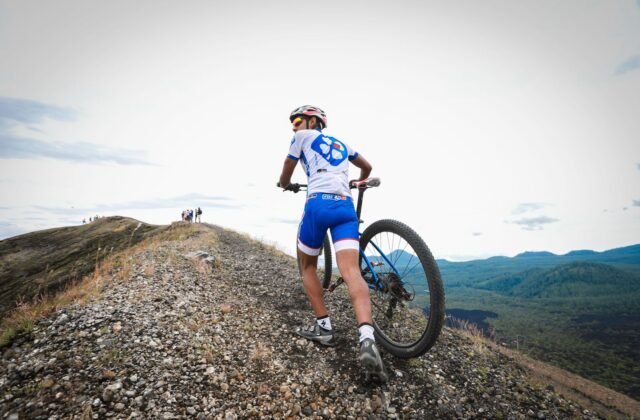
| Climbing | Efficient on long climbs | Slower uphill, front wheel wanders | Test a real climb, not a car park loop. |
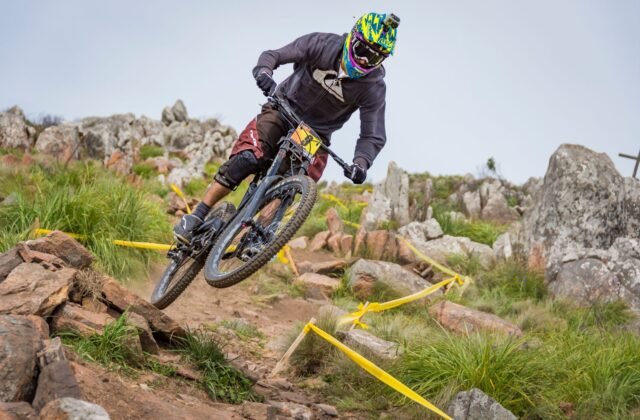
| Descending | Confident on flow trails | Far more stable on steep, rough descents | Match the bike to your usual steepest trail. |
| Geometry | More upright, responsive steering | Slacker head angle, longer wheelbase | Slack is calm at speed, slow in turns. |
| Handling | Quicker to turn, easier to correct | Stable at speed, harder at low speed | New riders need low-speed steering. |
When the Answer Changes
The verdict flips when your trails flip. If your regular ride is a shuttle or lift to the top, followed by a long, steep, rocky descent, an enduro bike makes sense even for a beginner. You will not pedal far uphill, so its climbing weakness hardly matters, and its stability will help on the hardest part of the ride.
Fitness changes the answer too. A strong, fit rider near steep trails may cope with an enduro bike from the start. Check your local trails first, then the bike. Our trail vs downhill comparison helps if your riding leans even further toward descents.

Test It Before You Decide: A 20-Minute Trail Test
Do not choose from a specification sheet. Two bikes with similar travel can feel very different, and only a short ride on your own terrain will show which suits you. Borrow or demo both types, set them up the same way, and ride the same loop twice.
- Ride a climb first. Pick a climb of about five minutes. Note how hard you are breathing, whether the front wheel lifts or wanders, and whether you want to stop. The trail bike should feel calmer here.
- Ride a tight, flat section. Take three or four low-speed turns. Note how much you must lean, steer, and brake to stay on line. A bike that needs constant correction will tire you out.
- Ride a gentle descent. Stay seated, brake early, and look ahead. You want a bike that feels stable without feeling numb.
- Rest and repeat the loop. A second lap shows fatigue. If your arms and hands are tired after one lap on the enduro bike, it is too much bike for the trails you ride most.
What a fail looks like:
- Symptom: You stall on climbs and walk often. Cause: The bike is too heavy or too slack for your fitness and trails. Fix: Try a trail bike, and check tyre pressure and gearing first.
- Symptom: You overshoot tight corners. Cause: A long, slack bike needs more room to turn. Fix: Slow earlier, look through the turn, and test a trail bike on the same corner.
Myth vs Fact
Myth: More suspension travel is always safer for a beginner.
Fact: Travel helps on big, rough descents, but too much travel can make a bike heavy, vague, and hard to steer on the climbs and corners where beginners spend most of their time. Fit and control matter more than travel.
Before you test
Wear a helmet, gloves, and closed shoes. Check that both brakes work, the tyres are pumped, and the wheels are tight. Ride a trail you know, and stop if anything feels loose, noisy, or wrong.
How to Set Up a Beginner Bike for Your First Trail Rides
Setup matters more than the label on the frame. A well-set-up trail bike will ride better than an enduro bike with a saddle at the wrong height and tyres at the wrong pressure, so spend a few minutes on the basics before your first ride.
What you will need
- A helmet that fits and sits level
- Gloves and eye protection
- A floor pump with a pressure gauge
- A multi-tool with Allen keys
The method
- Set saddle height. Sit on the bike with your heel on the pedal at its lowest point; your leg should be almost straight. Then put the ball of your foot on the pedal and keep a slight knee bend.
- Set tyre pressure. Use the range printed on the tyre sidewall as a starting point, and stay near the middle for a first ride. See our mountain bike air pressure guide.
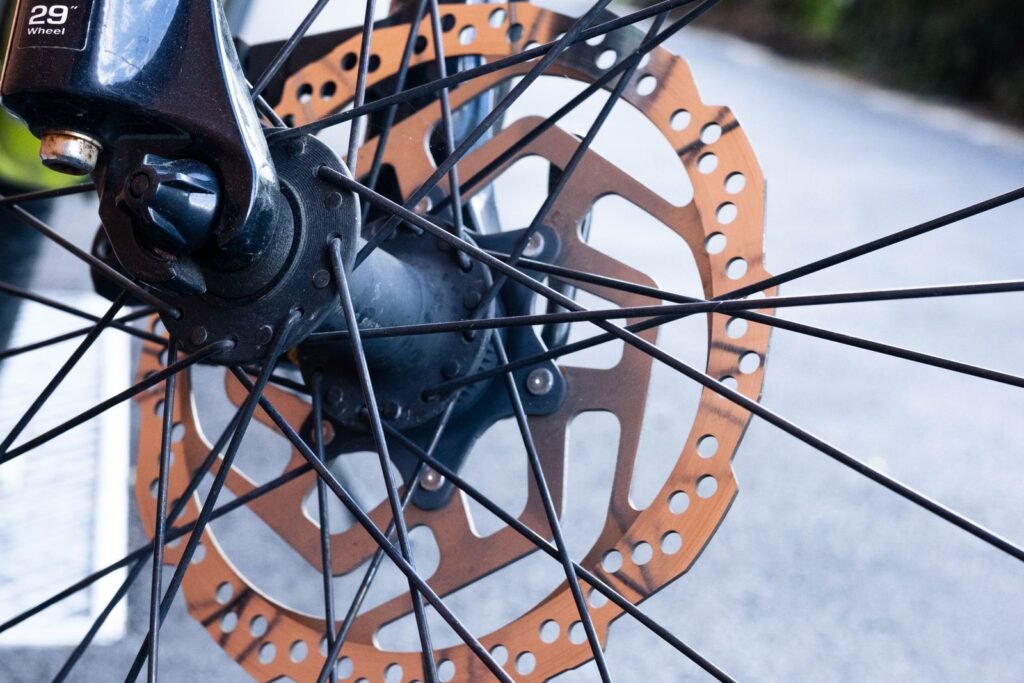
- Check the brakes. Walk the bike forward and squeeze each brake in turn. Each wheel should stop firmly without the lever touching the handlebar.
- Check the cockpit. Reach the bars without stretching, and make sure you can reach the brake levers with one or two fingers. If you stretch, the bike is too long.
Note
If you borrow or demo a bike, ask the shop to set the saddle and suspension for your weight. A five-minute setup makes the test fair.
Warning
Do not ride a bike with a loose wheel, a brake that does not stop the wheel, or a damaged tyre. Stop, walk, and get help. A short walk is better than a crash on your first ride.

When the Damage Is Already Done
If you already bought the wrong bike, do not assume you have to sell it at once. Many beginner problems are setup problems, not bike problems, and a few changes can make an enduro bike far easier to live with on ordinary trails.
- You struggle on climbs. Check saddle height, tyre pressure, and gears first. A lower tyre pressure and an easier gear can help, but a heavy, slack bike will still be hard work uphill.
- You cannot turn the bike. Try a shorter stem and a wider bar, and demo a smaller size. If it still feels like a bus, it is too long and slack for your trails.
- You are thinking of selling. Ride it for a month first, on your normal trails, after a proper setup. If the same problems keep appearing, sell it and buy the trail bike that fits the riding you actually do.

The Safe Alternative: Start on an Enduro Mountain Bike
An enduro bike is the safe alternative when your riding is mainly steep and rough. It is not the easy option, but it is the right one if you will rarely climb far and you want maximum stability on descents.
- Choose the right size, not the longest bike. A bike that is too long will be hard to turn. Sit on it, check your reach, and ask the shop to compare sizes with you on the bike.
- Fit tough tyres and check them often. Rough trails punish thin tyres. Keep pressures in the range on the sidewall and check for cuts after rocky rides.
- Learn to brake before the corner. Brake in a straight line, release the brakes, then turn. Grabbing the brakes mid-corner is the most common beginner mistake on a heavy bike.
What to Do Next, in Order
- List the trails you will ride most, and note how much climbing and how steep the descents are.
- Demo a trail bike and an enduro bike on the same loop, using the 20-minute test above.
- Choose the bike that climbed, turned, and stopped best on that loop, not the one with the most travel.
- Get the shop to set saddle height, tyre pressure, and brakes before you leave.
- Ride easy trails for your first three rides, then add harder terrain one step at a time.
Never Do This on a New Mountain Bike
- Never buy on travel alone. More travel does not fix a bike that is too big, too heavy, or too slack for your trails.
- Never skip a helmet. Wear a helmet on every ride, even a short, easy one.
- Never ride a new descent at full speed. Walk it first, learn the line, then ride it slowly.
- Never ignore a loose wheel or weak brake. Stop and fix it, or walk home, before it becomes a crash.
- Never set tyre pressure by guesswork. Use a gauge and the range on the tyre sidewall, and check it before each ride.
In Short
For most beginners, a trail mountain bike is better than an enduro mountain bike, because it climbs more easily, turns more readily, and teaches the skills you need on the trails you will ride most. An enduro bike is better only when your riding is mainly steep, rough descents, with little climbing. Test both on your own loop, set the bike up properly, and choose the one that leaves you wanting a second lap.
The essentials
- Trail bikes suit most beginners: about 120 to 140 mm of travel, lighter, and easier to climb and turn.
- Enduro bikes suit steep, rough descents: about 160 to 180 mm of travel, heavier, and harder work uphill.
- Test both on the same loop, with a climb, tight turns, and a gentle descent.
- Set saddle height, tyre pressure, and brakes before your first ride.
- Choose the bike for the trails you ride most, not the hardest trail you might ride once.
More Questions, Answered
Is a trail bike enough for steep trails?
Yes, for moderate steep trails and for most beginners. A trail bike with good brakes and sensible tyre pressure handles flow trails, rolling singletrack, and many steep sections well. If your local descents are long, rocky, and very steep, an enduro bike will feel more stable, but it will cost you more effort everywhere else.
Is an enduro bike harder to learn on?
Yes, in most cases. It is heavier, longer, and slacker, so it needs more strength and more room to turn. That makes low-speed skills, climbing, and tight corners harder to learn. A trail bike lets you practise those skills more often, with less fatigue.
Additional Details
Name: Trail Mountain Bike vs Enduro Mountain Bike: Which Is Better for Beginners?
Description: Trail mountain bike vs enduro mountain bike: which is better for beginners? Compare travel, weight, climbing and control, then test both on your own trail.
Published: November 10, 2026