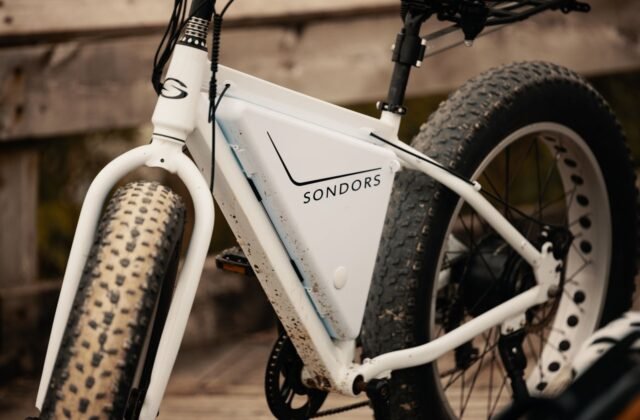
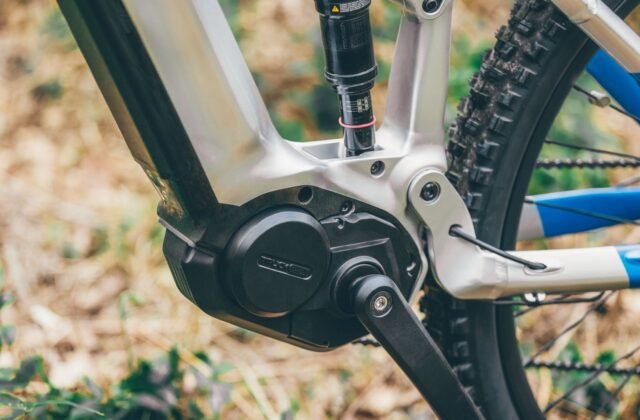
Electric mountain bike vs road e-bike: for daily use, the road e-bike is the better choice for most riders. It is lighter, more efficient on smooth roads, and easier to live with on a paved commute, while the electric mountain bike wins only when your daily route includes rough, loose, or steep unpaved ground. The deciding factor is not the motor. It is the surface you ride every day.
An electric mountain bike and a road e-bike both use a motor and a battery to help you ride, but they are built for different jobs. The mountain bike is built around wide, knobbly tyres, suspension, and a strong, upright frame that keeps you in control on trails. The road e-bike is built light and long, with narrow tyres and a forward-leaning position, for fast riding on smooth roads.
For daily use, that difference matters more than any single specification. A daily ride is the same route, day after day: the same roads, the same hills, the same parking spot, and the same need to arrive without a fuss. This guide compares the two for that kind of riding only, and gives you a short test you can run on your own route before you decide. See the E-Bikes Hub for the rest of the e-bike comparisons.
Daily use also means lifting the bike, storing it, charging it, and riding it in traffic, not just riding it. Weight, tyre width, riding position, and battery use all change how a bike feels after a month of daily rides.
Electric mountain bike vs road e-bike: the comparison
Read the weight and carrying rows first.
| Attribute | Electric mountain bike | Road e-bike | What to watch |
|---|---|---|---|
| Riding position | Upright and relaxed, with hands high | Low and forward, with more weight on hands | An upright position is kinder to neck, back, and wrists |
| Tyres | Wide, knobbly tyres that grip loose ground | Narrow, smooth tyres that roll fast on tarmac | Wide tyres forgive potholes; narrow tyres save effort |
| Suspension | Front suspension, sometimes rear, to absorb bumps | Little or no suspension; the frame and tyres do the work | Suspension helps off-road but adds weight on smooth roads |
| Weight | Heavier, with a stronger frame and bigger tyres | Lighter, with fewer parts to carry | Lift the bike before you buy, not after |
| Motor and gearing | Wide gear range and strong low gears for steep climbs | Closer gear steps for steady speed on flat roads | Low gears matter most on steep, rough climbs |
| Battery use | More energy on rough ground and steep climbs | Less energy on smooth roads at a steady speed | Range depends on the route and your effort |
| Carrying loads | Racks fit, but suspension limits some setups | Racks, panniers, and a child seat fit more easily | Test the rack you need before you buy |
| Best for | Short, rough, or steep daily routes and trail riding | Longer, flatter, mostly paved daily rides | Match the bike to your usual route |
The pattern is consistent: the electric mountain bike is built around the ground under its wheels, and the road e-bike is built around the road itself.

When the answer changes
Five things can flip the verdict.
Route surface: if a third or more of your daily ride is gravel, grass, loose stone, or a rough towpath, the mountain bike’s wide tyres and suspension stop being a luxury and start being the point.
Hills: on a steep, rough climb, low gears and grip matter more than speed. On a long, smooth climb, the road e-bike keeps a steadier pace for less effort. See the commuter e-bike vs electric mountain bike comparison.
Distance: short rides forgive a heavy bike, so a ride under a few miles often suits the mountain bike. As the distance grows, the road e-bike saves more time and energy with every mile.
Storage and lifting: if stairs are unavoidable, the road e-bike’s lighter frame helps. If you need to carry the bike up a flight of stairs or lift it onto a rack every day, weight matters more than tyre width.
Hands, back, and joints: sore wrists, neck, or back push the answer back toward the mountain bike, because its upright position puts less weight on your hands.
Test it before you decide
Do not decide from a showroom spin. Ride the route you actually use, at the speed you actually ride.
- Sit on the bike and put both feet flat on the ground. If you cannot, the frame is too tall for you.
- Ride a quiet street first: start, stop, turn both ways, and ride slowly.
- Ride over a rough patch and a short hill, then stop on the hill and start again.
- Get off and on again five times. If your hip or knee complains, the step-over is too high: check the saddle height.
- Lift the bike onto a rack or carry it up a step, then ride with your usual bag loaded.
What a fail looks like
- You wobble at walking pace. → The position or wheel size does not suit slow riding → try a wider, upright e-bike.
- Your wrists or neck ache after a few minutes. → Too much weight is on your hands → raise the handlebars, or choose a more upright bike.
- You cannot lift the bike onto a rack or up a step. → It is too heavy for your storage → practise wheeling it instead, and check the weight before you buy.
- Braking feels long and unsure. → The brakes are not matched to your hand strength → ask the shop to check them, and try brakes you can pull easily.
Myth vs Fact
Myth: A road e-bike is always faster, so it is always better for daily use.
Fact: A road e-bike is faster only on smooth roads. On rough or steep parts of a route, a mountain e-bike can be quicker because it keeps grip and control.
Before you test: Check brakes, tyre pressure, and suspension sag first, wear a helmet, and choose a quiet route. Never test an unfamiliar bike in busy traffic.

How to choose and set up your daily e-bike
A road e-bike only helps a daily rider if it is set up for them. A saddle that is too high or handlebars that are too low will undo the benefits of a light frame.
What you will need
- An e-bike with a low step-over or step-through frame.
- A helmet that fits, with the strap snug under your chin.
- A pump, a lock, and the tools that came with the bike.
The method
- Set the saddle so both feet can touch the ground when you stop.
- Raise the handlebars until your back is upright and your wrists are straight.
- Check the battery is in, the wheels are tight, and the brakes work.
- Put the battery on and take it off once, so you can do it at home.
- Fit the lock and lights where you can reach them without stretching.
- Ride a short test, stop, and recheck the tyres and brakes.
Set-up rule: Low saddle first, then upright handlebars. If you feel stretched, stop and adjust.

When the damage is already done
If you already bought the wrong one, do not sell it in a panic. Most of the problems are small, and a shop can fix most of them.
- Your mountain e-bike feels slow on the road. Check the tyre pressure first: if the tyres are soft, the bike drags. Pump them up, and check the brakes are not rubbing.
- Your road e-bike is hard to ride on your route. If the tyres are too narrow for the surface, ask a shop whether wider tyres fit.
- Your back or wrists hurt. Raise the handlebars and lower the saddle a little. If you still lean too far forward, ask about a shorter stem.
- You cannot lift the bike. Take off what you do not need. If it is still too heavy, a lighter e-bike is the answer, not a stronger motor.
- Your battery drains too fast. Use a lower assist level on flat ground, and keep the tyres pumped up: soft tyres use more charge.
The safe alternative: the electric mountain bike
If your daily route is rough, or you are not sure about your balance, the electric mountain bike is the safe alternative. It is easy to get on and off, it handles a pothole without drama, and it does not need a smooth road to feel steady.
- Choose a frame you can stand over with both feet on the ground.
- Set the saddle low, so you can put a foot down quickly.
- Ride the worst part of your route first, slowly, and check the brakes.
- Load your usual bag, and ride the route again.
- If it still feels heavy, check the weight on the scales before you buy.
What to do next, in order
- Ride your normal route, and note the worst surface and the steepest hill.
- Choose a bike type that fits that route.
- Try both an electric mountain bike and a road e-bike on that route.
- Check the weight, the fit, and the brakes before you pay.
- Set up the saddle and handlebars before your first proper ride.
- Note how the battery lasts in your first week of rides.
Never do this
- Never buy a bike without a ride on your own route. A showroom spin will not tell you how it climbs your hill.
- Never ride a new bike in traffic until you know its brakes. Practise stopping first.
- Never remove the battery while you are riding. Stop first, then remove it, so the bike cannot roll away.
- Never ride with a flat tyre. The bike will feel heavy and slow.
- Never ride without a helmet. Wear one on every ride, even a short one.
In short
In short, the road e-bike is the better buy for most daily riders, because it is light, fast on smooth roads, and easy to live with. The electric mountain bike is the better buy only when the route is rough, loose, or steep. Ride both on your own route, and choose the one that fits it.
The essentials
- Road e-bikes win on smooth, longer daily rides; mountain e-bikes win on rough, steep ones.
- Wide tyres and suspension help off-road but add weight on the road.
- Test both bikes on your real route, not in a showroom.
- Set the saddle low and the handlebars upright first.
- Check brakes, tyre pressure, and battery fit before every ride.
More Questions, Answered
Which e-bike is better for a daily commute?
A road e-bike, if the route is mostly paved: lighter, faster on smooth roads, and easier to store. Choose a mountain e-bike only if much of the route is rough or steep.
Is an electric mountain bike too heavy for daily use?
It can be: wider tyres, stronger frames, and suspension add weight. If you must lift the bike often, try a lighter model first.
Can a road e-bike handle gravel paths?
Only on light, well-packed gravel, with tyres wide enough. On loose or rough gravel, a mountain e-bike keeps its grip and feels steadier.
How do I keep the battery lasting on a daily ride?
Use a lower assist level on flat ground, keep the tyres pumped up, and charge the battery after each ride.
Additional Details
Name: Electric Mountain Bike vs Road E-Bike: Which Is Better for Daily use?
Description: Electric mountain bike vs road e-bike: compare tyres, weight, comfort and range for daily use, then run the simple test that picks the right one for your route.
Published: November 9, 2026