For most beginners, the cargo e-bike is the better first e-bike. It is easier to mount, steadier at low speed, and built to carry shopping, a child seat, or work gear without extra racks. The electric mountain bike is the better choice only if rough trails and steep, loose climbs are a regular part of your riding. If paved paths, school runs, and errands are the main use, start with a cargo e-bike.
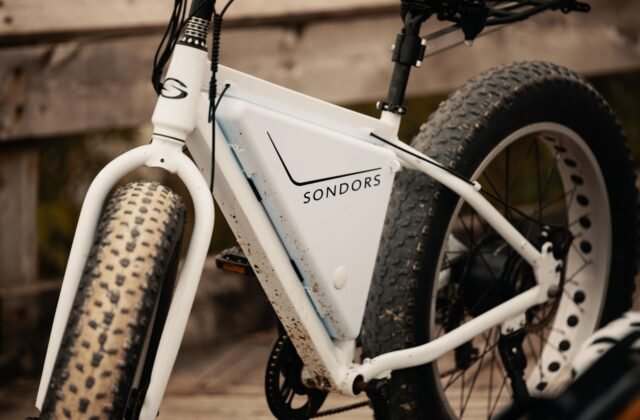
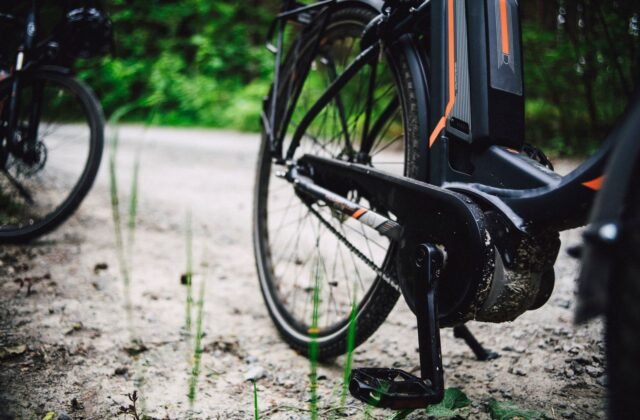
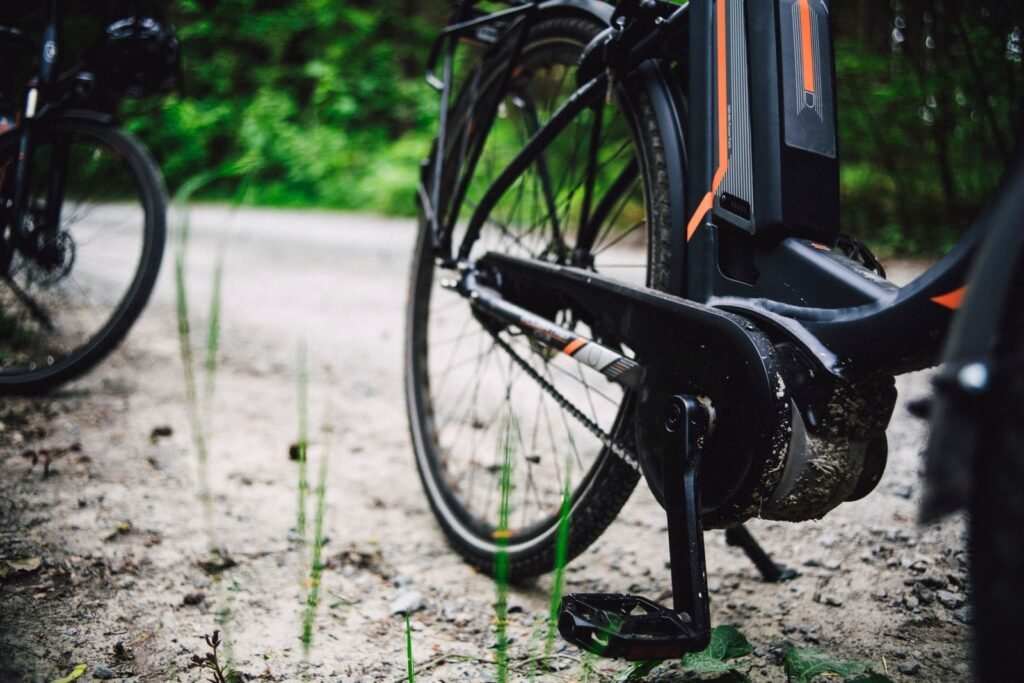
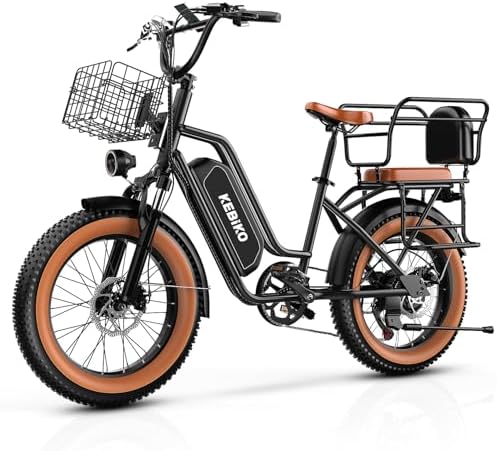
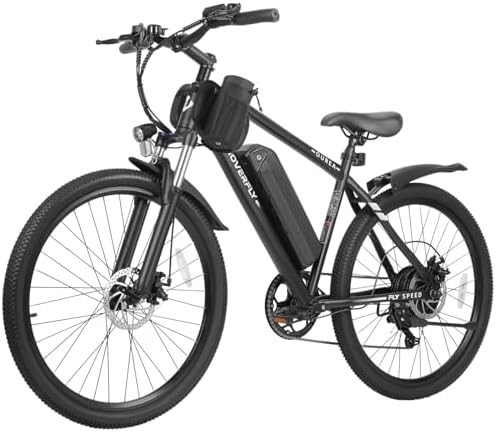
A cargo e-bike is made for everyday riding: an upright position, a low step-through frame, and a rack or front box that keeps a load low and steady. An electric mountain bike is made for rough ground: wide knobby tyres, suspension, and a position for standing on the pedals.
Beginners often choose by looks or motor power alone. The right test is what you will ride most weeks, how much you need to carry, and how confident you feel at walking speed and when you stop.
Electric Mountain Bike vs Cargo E-Bike: The Core Comparison
Use the table for a quick scan. The detail below explains why each row matters more than motor power alone.
| Attribute | Electric Mountain Bike | Cargo E-Bike | What to watch |
|---|---|---|---|
| Best first use | Trail riding, hills and rough ground | School runs, shopping, work gear and everyday trips | Match the bike to your most common ride. |
| Getting on and stopping | Higher frame, more stretch to the ground | Low step-through frame and upright position | Can you put a foot down quickly at a stop? |
| Stability at low speed | Narrower, quicker steering | Longer wheelbase and a low load | Slow, tight turns reveal the difference fast. |
| Carrying a load | A small rack or pack, if fitted | A strong rear rack or front box built for loads | Check the rack rating and how the load is held. |
| Comfort on paved roads | Firm trail setup can feel harsh on tarmac | Upright, relaxed position with wide tyres | Test on your normal road surface. |
| Storage and parking | Standard bike length, easier to lift | Longer and heavier, needs more space | Measure your storage before you buy. |
| Learning curve | More to learn on loose ground | Easier on paved routes, harder to move by hand | Allow a few short practice rides. |
Read the table from the rider’s point of view. A beginner spends most time at low speed, stopping, turning, and parking, so getting on, stability, and storage matter more than peak power.
For more context in the same E-Bikes Hub, compare the cargo side with a commuter e-bike vs cargo e-bike, and the mountain side with a commuter e-bike vs electric mountain bike, before you shortlist a model.

When the Answer Changes
The cargo e-bike is the better default, but five things can flip the verdict. Check them honestly before you decide.
- Your routes are mostly trails. If most rides are on forest paths or rough tracks, the electric mountain bike is the right tool.
- You ride steep, loose climbs every week. A mountain bike’s lower gearing and trail position help on loose climbs.
- You carry almost nothing. If you never carry shopping, a child, or work gear, the cargo bike’s extra length is a cost with no benefit.
- You have no space to store a long bike. If your hallway, lift, or shed cannot take one, that alone can rule it out.
- You already ride off road. A rider who is confident on a normal mountain bike will get more from an electric mountain bike.
If none of those apply, the cargo verdict stands. If one or two apply strongly, test both bikes on the ground you will ride most.
How to Decide With a Short Test Ride
Do not buy from a spec sheet. Ride both bikes on the same route, with the same load, and score them on getting on, stopping, turning slowly, and parking.
- Get on and off five times. Step through and stop with a foot down.
- Ride slowly in a figure of eight. Use the lowest assist level. Note which bike wanders.
- Stop on a slope. Stop, put a foot down, and start again.
- Carry your normal load. Take the shopping or work bag you actually carry.
- Ride your worst surface. Use your roughest path or a gravel stretch.
- Park and lift it. Put the bike where it will live.
What a fail looks like
- Wobbling at walking speed → the bike is too tall or too twitchy. Lower the saddle, then test a step-through frame.
- Feet cannot reach the ground at a stop → the frame is too tall. Choose a smaller frame or a low step-through.
- The load swings and pulls the steering → the load is too high or too loose. Strap it low and tight.
Myth vs Fact
Myth: More motor power always makes a bike easier for a beginner. Fact: Handling, fit, and confidence at low speed matter more.
Myth: An electric mountain bike can do everything a cargo e-bike can do. Fact: It can carry a small load, but it is not built for a child seat or a heavy shop.
Before you test
Before you test, wear a helmet, check both brakes, and ride in a quiet area first. Keep your first ride short, stay off busy roads, and never test ride with a child on board until you are confident alone.
The Method: How to Compare the Two Bikes Properly
Use the same route, the same load, and the same checks on both bikes. A fair comparison takes about an hour.
What you will need
- A helmet and gloves
- Your normal load: shopping or a work bag
- A tape measure
- A quiet route with a hill and a rough stretch
- A phone to score each bike
The method
- Set the saddle and bars the same way. Set both bikes so you can reach the ground at a stop.
- Ride the same loop on each bike. Use the same hill, rough patch, and turns, at the same assist level.
- Score getting on, stopping, and turning. Give each bike a score out of five, then add them up.
- Load the bike and ride the loop again. Strap your normal load low and tight, then repeat the loop.
- Check the battery and the chain. Note how the battery is removed and charged, and how easy the chain is to reach. Read the site’s battery care guide before you buy, and look up what to do if an e-bike chain keeps slipping.
- Decide on the score, not the feeling of speed. The bike with the higher total for your everyday use is the right first bike.
Tip: Ride the cargo e-bike first. Many beginners judge a mountain bike as fun and forget how much of their week is carrying things.
Note: Check the local rules for your area before you ride: e-bike classes, where you may ride, and whether a child seat needs specific fittings.
When the Damage Is Already Done
Bought the wrong bike? Do not write it off. Most beginners who chose the wrong side can fix the problem without buying a new bike straight away.
- Wrong fit: Get a professional bike fit, or in a shop check saddle height and reach.
- No way to carry a load: Add a rack rated for your load, panniers, or a front basket.
- You ride trails on a cargo bike: Stick to smooth, dry, surfaced paths.
- You are nervous at low speed: Practise in a quiet area and lower the saddle.
- You still need the other bike: Sell or trade the bike while it is still in good condition.
The Safe Alternative: Start With the Other Side
If you are not sure, plan as if you will buy a cargo e-bike first, and only switch to an electric mountain bike if your test ride proves the trail case.
- List your five most common rides. Write down where you go each week and what you carry.
- Test a cargo e-bike with your load. Ride your normal loop and score it.
- Test an electric mountain bike on the same loop. If it only wins on rough ground, the cargo bike is still the better buy.
- Check storage, charging, and a child seat. Make sure the bike fits where it will live.
- Choose the bike that wins your week, not your weekend. A bike that wins five weekdays beats one that wins one Saturday.
If the mountain bike still wins after that test, buy it with confidence. You will have made the choice on evidence, not on a guess. Read the folding e-bike vs cargo e-bike comparison if you also need a bike that is easy to store, and the folding e-bike vs electric mountain bike comparison if city riding is also on your list.
What to Do Next, in Order
- Write down your five most common rides. Note the distance, surface, and load.
- Measure your storage. Check length, door width, and charging.
- Test both bikes on the same loop. Score each bike out of five.
- Check the rack, the brakes, and the battery. Make sure the load is held low and the battery comes out easily.
- Buy the bike that wins your week. Choose the everyday winner, not the trail bike.
- Do a short practice ride first. Ride in a quiet area, then add your load.
What Never to Do
- Never overload a rack that was not made for the load. Check the rack rating and keep the load low.
- Never ride off road on a cargo bike as if it were a mountain bike. Rough trails can damage the frame and the load.
- Never test ride with a child on board before you are confident alone. Learn the bike first.
- Never buy on peak power alone. Fit, handling, and storage matter more.
- Never skip the storage check. A bike that does not fit where you live will not get ridden.
In short
For most beginners, the cargo e-bike is the better first bike: easier to mount, steadier at low speed, and built to carry everyday things. The electric mountain bike is better only when rough trails and steep, loose climbs are a regular part of your riding.
The essentials
- For most beginners, a cargo e-bike is the better first e-bike.
- An electric mountain bike wins for regular trail riding.
- Test both bikes with your normal load.
- Score getting on, stopping, and parking, not just speed.
- Check storage, the rack rating, and the battery.
More Questions, Answered
Is a cargo e-bike too heavy for a beginner? It feels heavy to lift, but the motor helps once you are moving, and the low position makes it steady at low speed.
Can an electric mountain bike carry a child seat or shopping? It can carry a small load, but it is not built for a child seat or a heavy shop.
Which e-bike has the longer range? It depends on the battery, assist level, load, and terrain. The cargo models here claim up to 80 miles per charge, while the HOVERFLY claims up to 40 miles.
Do I need a special licence or insurance for an e-bike? Rules differ by area, and they cover e-bike classes, speed, and where you may ride. Check the local rules before you ride.
Additional Details
- Name: Electric Mountain Bike vs Cargo E-Bike: Which Is Better for Beginners?
- Description: Electric mountain bike vs cargo e-bike — which is better for beginners? Compare stability, carrying, trails, range and storage before you choose your e-bike.
- Published: November 9, 2026