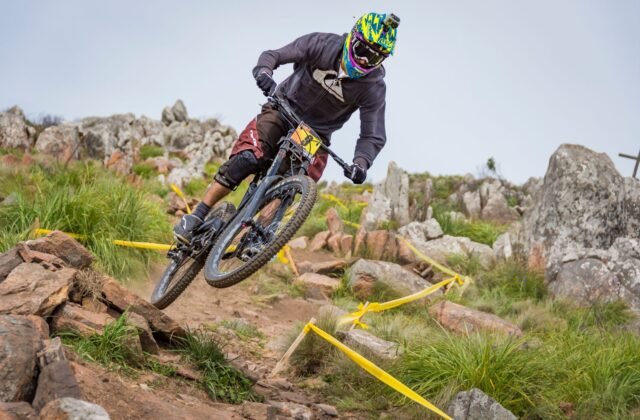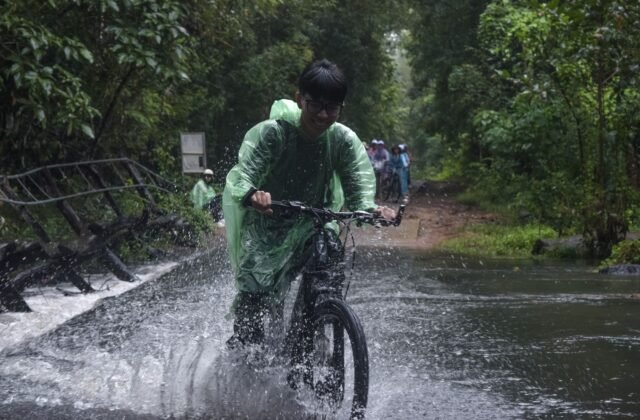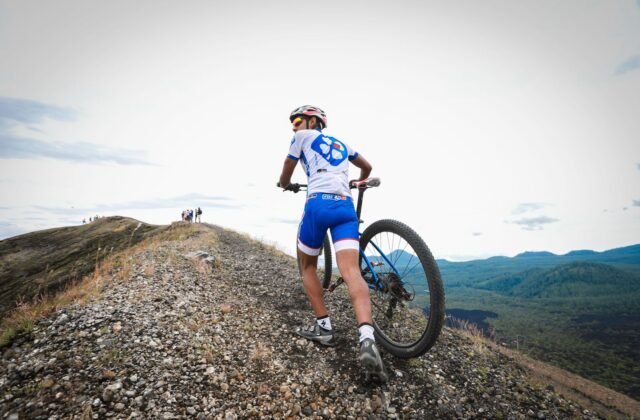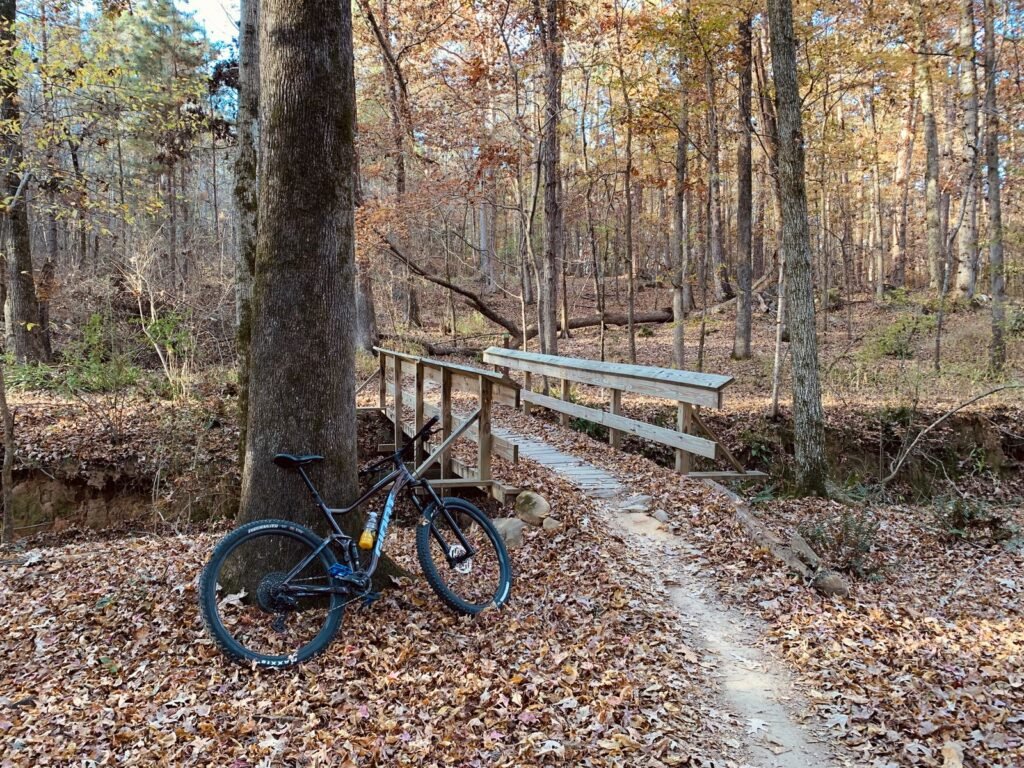
Straight answer: in the enduro mountain bike vs single speed mountain bike choice, the enduro bike is the better pick for most trail riders. It climbs with gears, absorbs rough ground with long suspension and descends with control, while a single speed bike has one gear and usually no suspension, so steep climbs and rough descents cost far more effort. The key facts: enduro bikes typically pair long travel with a wide-range drivetrain, while single speed bikes trade that range for simplicity, low weight and almost no drivetrain maintenance.
The nuance is that the single speed bike wins on flat, smooth trails and for riders who want the simplest possible bike. If your trails are gentle, your legs are strong and you enjoy the challenge of one gear, it can be the more fun bike. For the mixed climbs and descents most trail riders actually ride, the enduro bike is the safer, more versatile choice.
Introduction
Trail riding is a mix of problems: a steep climb that needs a low gear, a flat section that needs speed, and a rocky descent that needs suspension and brakes. An enduro mountain bike is built to handle all three in one ride. A single speed mountain bike is built to do one thing simply: one gear, one chain, no shifting and no suspension to service. That simplicity is real, but it asks the rider to supply everything the bike does not.
This article compares the two on the trail, not on paper, and gives you a short test to run before you buy. For the wider mountain bike picture, see the Mountain Bikes Hub, and for another one-gear comparison, see Cross Country Mountain Bike vs Single Speed Mountain Bike.
Enduro Mountain Bike vs Single Speed Mountain Bike: The Comparison
The table below is the whole comparison in one place.
| Attribute | Enduro Mountain Bike | Single Speed Mountain Bike | What to watch |
|---|---|---|---|
| Intended use | Climb up, ride down rough trails | Flow trails, flat loops, simple riding | Match it to your steepest climb |
| Gears | Wide range, typically a 12-speed drivetrain | One gear only | One gear is always a compromise |
| Suspension | Long travel, typically around 150–170 mm | Usually rigid, sometimes a short fork | Rigid frames pass every rock through |
| Wheels | Usually 29 in or 27.5 in | Usually 29 in or 27.5 in | Tyre width matters most here |
| Geometry | Slack head angle, long reach, dropper post | Often steeper, simpler, no dropper post | A fixed saddle hurts on descents |
| Weight and feel | Heavier, planted and stable at speed | Lighter, direct and connected to the trail | Light until the trail gets rough |
| Maintenance | Gears and suspension need regular service | Almost nothing to adjust or service | Count service cost too |
| Trail fit | Strong all-rounder for mixed trails | Best on gentle, smooth, rolling trails | A single speed is a specialist |

When the Answer Changes
The enduro bike is the better trail bike in most cases, but the answer changes when the trail and the rider change. If your trails are flat or gently rolling, a single speed bike can be faster, lighter and more fun, and its simplicity means you spend more time riding and less time adjusting gears. It also suits a rider who wants a training challenge: one gear forces you to stand, push and read the trail.
The answer also changes if you already own a capable trail bike and want a second, simple bike for short local loops, and with fitness: a strong rider can climb on one gear what a less fit rider cannot. But fitness does not fix a rough descent on a rigid bike. If your trails have long steep climbs or rocky descents, the enduro bike pulls ahead regardless of how strong you are.
The Trail Test: Decide Before You Buy
Do not decide from a shop floor. Run this short test on a real trail and score what you feel.
- Ride your steepest climb. Note whether you can stay seated and keep a steady cadence, or whether you are standing, grinding or walking.
- Ride a rough flat section. Note how much shock reaches your hands, feet and lower back.
- Ride a rocky descent. Note whether the bike stays settled or skips and deflects off line.
- Ride a flat section at speed. Note whether you spin out or can still pedal usefully.
- Ask the honest question. Would you enjoy the whole loop again tomorrow?
What a fail looks like
- Symptom: you walk the climb. Cause: one gear is too tall for the gradient. Fix: a lower gear ratio, or a wide-range drivetrain — which means a different bike.
- Symptom: your hands and back ache on rough ground. Cause: a rigid frame passes every impact through. Fix: larger-volume tyres, or a bike with suspension.
- Symptom: you spin out on flats and downhills. Cause: one gear cannot cover both climbing and cruising. Fix: a higher gear, which then makes climbing harder.
- Symptom: the bike skips on braking bumps. Cause: no suspension to keep the tyre on the ground. Fix: slow down and accept the bike is out of its element.
Myth vs Fact: Myth — a single speed bike makes you a stronger rider, so it is better for trails. Fact — it can build fitness, but fitness does not replace gears on a steep climb or suspension on a rough descent. Myth — an enduro bike is too complicated for a weekend rider. Fact — its gears and suspension make ordinary trail features easier, and a basic service keeps it running.
Before you test: wear a helmet, gloves and closed shoes, check tyre pressure and that both brakes work, and ride a trail you already know at a comfortable pace. Do not test a new bike on a descent that is new to you.
How to Set Up the Enduro Bike for Trails
What you will need
- An enduro bike in the right size, with a dropper post
- A shock pump and a tyre pump with a gauge
- A multi-tool
- A helmet, gloves and water
The method
- Set sag first. With your riding kit on, set fork and shock sag to the range in the bike’s manual, usually around a quarter to a third of travel.
- Set tyre pressure to the trail. Start in the middle of the range printed on the tyre sidewall, then adjust down for grip or up if the rim strikes rocks.
- Set the saddle and dropper. With the post up, your leg should be nearly straight at the bottom of the pedal stroke. Practise dropping the post before descents.
- Set the brakes. Adjust lever reach so you can brake with one finger, and check the pads have life left before a long descent.
- Ride a short shakedown loop. Climb, descend and brake hard once, then re-check bolts, tyre pressure and sag before the full ride.
Callout: if the bike feels harsh on small bumps but dives on drops, the sag is the first thing to check, not the tyre pressure. If the bike feels nervous on descents, check that the dropper post goes fully down.

When the Damage Is Already Done
If you already bought a single speed bike and your trails are steeper and rougher than you expected, start with the cheap fixes. Fit the widest tyres the frame allows, set them a little softer for grip, and try a smaller chainring or a larger rear cog so the one gear is easier on climbs. These changes cost little and help a lot on gentle trails.
But be honest about the limit: a gear change cannot give you both an easy climbing gear and a fast flat gear, and tyres cannot replace suspension. If you are still walking climbs or dreading descents, sell or trade the single speed bike while it is in good condition. If you already bought an enduro bike and only ride flat, smooth loops, keep it and accept the extra weight.
The Safe Alternative: Riding a Single Speed Bike Well
A single speed bike is a fine bike when it is used where it belongs. Here is how to get the most from it on the right trails.
The method
- Pick the right gear. Choose a ratio you can climb on, not one fast on the flat.
- Stand early on climbs. Get out of the saddle before the gradient bites.
- Carry speed into rollers. Pump the dips, because you cannot shift down.
- Soften the ride with tyres. Run the widest tyres the frame allows.
- Stop when you are tired. One gear means your legs do all the work.

What to Do Next, in Order
- Write down the steepest climb and roughest descent you actually ride.
- If either is demanding, shortlist enduro bikes in your size and check the Mountain Bikes Hub for related comparisons.
- Test ride on a real trail with the five-step test.
- Check sag, tyres and brakes before you commit.
- If you own the wrong bike, change the gear ratio first, then decide whether to keep or trade it.
Never Do These
- Never choose a single speed bike for steep, rocky trails because it looks simple. Simple is not the same as capable.
- Never fit a tall gear to go faster on the flat. It makes every climb harder and every start a strain.
- Never ride a rough descent on a rigid bike with a high saddle. Lower the saddle or walk the section.
- Never skip the helmet because the trail looks easy. Easy trails still cause hard falls.
- Never ignore knee pain on a single speed bike. Grinding a tall gear is a common cause; change the ratio or the bike.
In short
For trails, the enduro mountain bike is the better choice for most riders because it climbs with gears, absorbs rough ground and descends with control in a single ride. The single speed mountain bike is the better choice only on gentle, smooth trails, where its lightness and simplicity shine. Choose by the steepest climb and roughest descent you actually ride, and test on a real trail. For a related comparison with a different specialist, see Enduro Mountain Bike vs Dirt Jump Mountain Bike.
The essentials
- Enduro: long travel, wide gears, 29 in or 27.5 in wheels, dropper post.
- Single speed: one gear, usually rigid, light and simple to maintain.
- Mixed trails favour enduro; gentle, smooth trails favour single speed.
- Test on your steepest climb and roughest descent before you buy.
More Questions, Answered
Can a single speed bike handle steep trails at all?
A strong rider can climb short steep pitches on one gear, but long steep climbs and rough descents will be slow and tiring.
Is a single speed bike cheaper to own?
Yes, usually. There are no gears to adjust and no suspension to service, so running costs are low.
Which bike is better for a beginner on trails?
A beginner on mixed trails should choose the enduro bike. Its gears, suspension and dropper post forgive mistakes that a single speed bike punishes.
Additional Details
- Name: Enduro Mountain Bike vs Single Speed Mountain Bike: Which Is Better for Trails?
- Description: Enduro mountain bike vs single speed mountain bike: which is better for trails? Compare gears, climbing, control and the test that settles it. Read on.
- Published: November 10, 2026