Straight answer: fat tyre e-bike vs throttle e-bike — for most weekend rides, a fat tyre e-bike is the better buy if your route includes gravel, sand, grass or rough tracks, because its wide tyres grip where narrow tyres slip. A throttle e-bike wins only when pedalling is the problem — sore knees, low fitness or a steep climb home — because it can move without you pedalling at all. Many fat tyre e-bikes also have a throttle, so check that feature before you choose between the two ideas.
Introduction
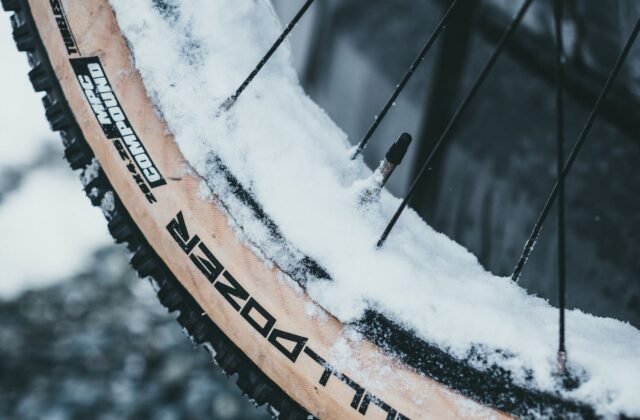
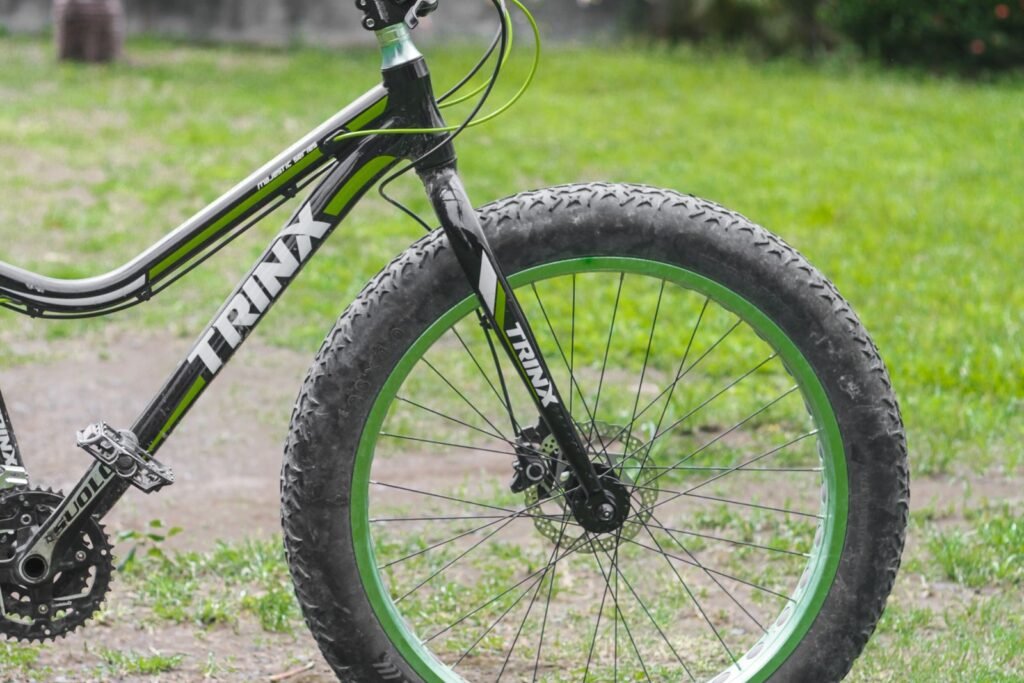
A fat tyre e-bike is defined by its tyres. They are wide, deeply treaded and often about 4 inches wide, so the bike spreads its weight over a bigger patch of ground and grips gravel, sand, grass and mud where a narrow tyre spins. A throttle e-bike is defined by how it is powered instead: a twist grip or thumb lever drives the motor without you pedalling, so you can ride with no leg effort at all.
The two ideas are not opposites. One is about the tyre, the other is about the control, so a bike can be both. The fat tyre e-bike vs road e-bike comparison shows how much the tyre changes a ride, and many fat tyre e-bikes also have a throttle fitted. The question is which difference matters most on your weekend route.
Weekend rides are different from commuting: no deadline, a longer route, and surfaces that change — tarmac, canal path, park, gravel track, steep lane home. That mix decides the winner. This guide compares the two side by side, then gives you a loop to test on any bike. See the E-Bikes Hub for more e-bike comparisons.
Fat Tyre E-Bike vs Throttle E-Bike: The Core Comparison
Read the table down the left first, then across. The last column is the one to use on a test ride.
| Attribute | Fat Tyre E-Bike | Throttle E-Bike | What to Watch |
|---|---|---|---|
| What it is | Wide, treaded tyres, often about 4 inches wide, on a bike that still needs pedalling or pedal assist | A bike with a throttle (twist grip or thumb lever) that drives the motor without pedalling | Check whether the bike has both — many fat tyre e-bikes have a throttle too |
| How it moves | Pedal assist adds power as you pedal; some also have a throttle | Throttle drives the motor without pedalling; many also have pedal assist | Try starting from a standstill on both |
| Grip on loose ground | Wide tyres spread the load, so they grip gravel, sand, grass and mud | Depends on its tyres — a throttle bike with narrow tyres still slips | Ride your worst surface first |
| Effort | You pedal the whole ride, with help from the motor | You can ride with no pedalling at all | Think about your knees and fitness, not just speed |
| Range on one charge | Usually further, because the motor only helps as you pedal | Usually shorter, because the motor does all the work | Compare battery size, not headline range figures |
| Hills | Steady grip if you keep pedalling and use the gears | Strong off the line; a long climb drains the battery fast | Try your steepest hill first |
| Comfort and weight | Softer ride over bumps, but heavier and harder to lift | Varies by model, and often heavier with a bigger motor and battery | Lift it onto a car rack and sit on it for 10 minutes |
The overlap matters more than the labels: check the tyres and the controls separately, not just the name on the frame.

Peak 750W motor, 48V 13Ah battery, 7-speed gears, dual disc brakes and 20 x 4.0 fat tyres.
When the Answer Changes
The straight answer holds for mixed weekend routes. Change the route, and the winner can change with it.
- Your route is smooth tarmac all the way. Fat tyres add drag and weight on smooth roads, so a lighter throttle e-bike with road tyres is the easier ride. See the commuter e-bike vs throttle e-bike comparison for another smooth-road weekend case.
- Your knees, fitness or confidence are the limit. If pedalling hurts, or a hill stops you, the throttle matters more than the tyres. A throttle lets you start, climb and keep going without leg effort.
- Your ride is long. Throttle-only riding drains the battery much faster, so a long loop on a throttle e-bike can leave you pedalling a heavy bike home with no power. Pedal assist stretches the same battery much further.
- Your storage and transport are tight. Fat tyre e-bikes are wide, heavy and awkward to lift. If you carry the bike on a car rack or up steps, a lighter throttle e-bike may win on practical grounds alone.
- Your local rules limit throttles. Some paths and trails allow pedal assist only, so check the rules where you ride before you buy a throttle e-bike for those routes.
If three or more point the same way, follow them.
How to Test Which One Fits Your Weekend Rides
Do not buy on a shop floor — ride both types on the same loop and write down what happens.
- Pick your real loop. Use the roads and tracks you will actually ride at the weekend, with a hill, a loose surface and a flat stretch, and keep the loop to about 30 to 45 minutes.
- Start each bike with a full charge. Set the tyres to the pressure on the sidewall, adjust the saddle, and ride the loop in the lowest assist mode you can manage.
- Test the throttle from a standstill. On the throttle bike, start from stopped on a gentle slope, then try a steep start. Note how quickly it picks up and whether the front wheel feels light.
- Test the fat tyres on your worst surface. Ride the same loose gravel or grass section on both bikes, at the same speed, and note which one holds its line.
- Finish in real conditions. Ride the last 10 minutes the way you would ride home tired, with the battery lower and your legs tired, and check what is left in the battery at the end.
What a Fail Looks Like
| Symptom | Cause | Fix |
|---|---|---|
| Your legs are burning by the first hill | You are doing most of the work, with too little assist | Raise the assist, use the throttle on the hill, and change down a gear earlier |
| The battery is half gone in an hour | The throttle did most of the riding | Pedal with assist on the flat, save the throttle for starts and hills, and shorten the loop |
| The tyres slip on gravel corners | Narrow tyres, or tyres pumped too hard for loose ground | Slow down for loose corners and choose fat tyres; check the pressure on the sidewall |
| Your back or hands ache after 40 minutes | The riding position does not suit you | Adjust the saddle and bars, or try a more upright bike, before you blame the motor |
Myth: a fat tyre e-bike is always slower than a throttle e-bike.
Fact: on loose ground a fat tyre e-bike is often quicker and more confident, because it grips where narrow tyres slip. On smooth tarmac it is slower, because the wide tyres add drag.
Myth: a throttle e-bike means no effort at all.
Fact: it means no pedalling, but you still steer, balance and brake, and the battery runs down much faster when the motor does all the work.
Myth: you must choose one or the other.
Fact: many fat tyre e-bikes have a throttle, so you can have the grip and the easy start in the same bike.
Before you test: wear a helmet, check both brakes before you roll, and set the tyres to the pressure shown on the sidewall. Keep the throttle off until you are rolling straight on a quiet road, practise braking at low speed first, and do not test any bike in the dark.

1500W motor, 48V 15Ah battery and 20 x fat tyres — throttle and pedal assist for steep starts.
The Weekend Test Loop: The Method
Use the same loop for both bikes, so the only thing that changes is the bike.
What You Will Need
- A 30 to 45 minute loop with a hill, a loose surface and a flat stretch
- Both bikes charged, with a helmet and a phone to note the battery level
- A notebook or phone note for what you felt on each surface
The Method
- Charge both bikes fully and set the tyres to the pressure on the sidewall.
- Ride the loop on the fat tyre e-bike first, in pedal assist, and note the battery level at the end.
- Ride the same loop on the throttle e-bike, using the throttle for starts and hills and pedalling with assist on the flat.
- Compare the notes, not the feeling. Grip, battery left, effort and comfort decide — not which bike felt new.
Note: if the battery is more than half used by the end of a short loop, that bike is too thirsty for your weekends.
E-bikes: switch the power off before you adjust the chain, brakes or wheels.
When the Damage Is Already Done
- Fat tyre bike, smooth roads only: pump the tyres firmer, plan mixed routes, or sell it while it is nearly new.
- Throttle bike, short battery: pedal with assist on the flat, save the throttle for hills, and carry the charger.
- Bike too heavy: use a ramp for the rack, park at ground level, and adjust the saddle and bars first.
The Safe Alternative: Let the Throttle Do the Work
If pedalling is the problem, make the throttle your plan, not your backup. The e-bike with throttle and pedal assist guide explains how the two modes work together.
- Ride in pedal assist on the flat, so the battery lasts.
- Use the throttle for starts and hills, where it saves your knees.
- Check the battery at half distance, and turn back if it is under half full.

1450W peak motor, 20 x 4 fat tyres and up to 80 miles — a strong cargo-style weekend hauler.
What to Do Next, in Order
- Map your real weekend loop, surfaces and hills included.
- Ride both types on it, and note grip, battery and effort.
- Check the tyres and controls separately — many bikes have both.
What Never to Do
- Never buy without a test ride on your own loop.
- Never trust headline range figures — test the battery yourself.
- Never use the throttle at speed on a first ride — learn the brakes first.
In Short
For mixed weekend routes, a fat tyre e-bike usually wins on grip. If pedalling is the problem, a throttle e-bike wins on effort.
The Essentials
- Fat tyres grip loose ground; a throttle saves your legs.
- Many bikes have both — check the tyres and controls separately.
- Test both on your real loop before you buy.
- Throttle-only riding drains the battery fast.
More Questions, Answered
Can a fat tyre e-bike have a throttle?
Yes. Many do, including the Tamobyke above, so check the listing before you choose.
Which goes further on a charge?
Pedal assist usually goes further, because the motor only helps as you pedal.
Are fat tyres hard to pedal on tarmac?
Yes, they add drag and weight, so they feel slower on smooth roads.
Additional Details
Name: Fat Tyre E-Bike vs Throttle E-Bike: Which Is Better for Weekend rides?
Description: Fat tyre e-bike vs throttle e-bike: which is better for weekend rides? Compare grip, effort, range and comfort, then test both on the same loop before you buy.
Published: November 10, 2026