Straight answer: In this fat tyre e-bike vs pedal assist e-bike comparison, a pedal assist e-bike is the better buy for most commuters. It is lighter, easier to lift and steer, and it uses less battery on paved roads, so you arrive fresher on a normal workday. A fat tyre e-bike is better only when your route is mostly loose, rough or snowy, or when you ride very short distances and want maximum grip and comfort. Remember that “pedal assist” is a way the motor helps you, not a separate kind of bike: many fat tyre e-bikes are pedal assist too. The real choice is wide, heavy tyres against a lighter bike built for paved roads.
Introduction
A commuter choosing between these two types is really choosing between grip and ease. Wide tyres feel planted and forgiving, while a lighter pedal-assist bike feels quick, simple and cheap to run. Both will get you to work, but in very different ways.
This comparison sets the two side by side on grip, comfort, weight, effort, battery use and everyday practicality. It uses the short test below, so you can decide from your own route instead of a specification sheet. For the wider picture, browse the E-Bikes Hub, and if the pedal-assist side still confuses you, read our commuter e-bike vs pedal assist e-bike guide first.
Match the bike to the worst surface on your daily route: if that surface is tarmac, the lighter bike wins; if it is gravel, sand, mud or snow, the fat tyres earn their keep.
Fat Tyre E-Bike vs Pedal Assist E-Bike: The Comparison
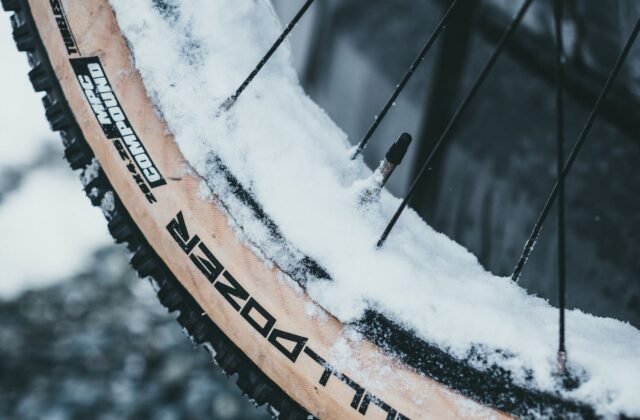
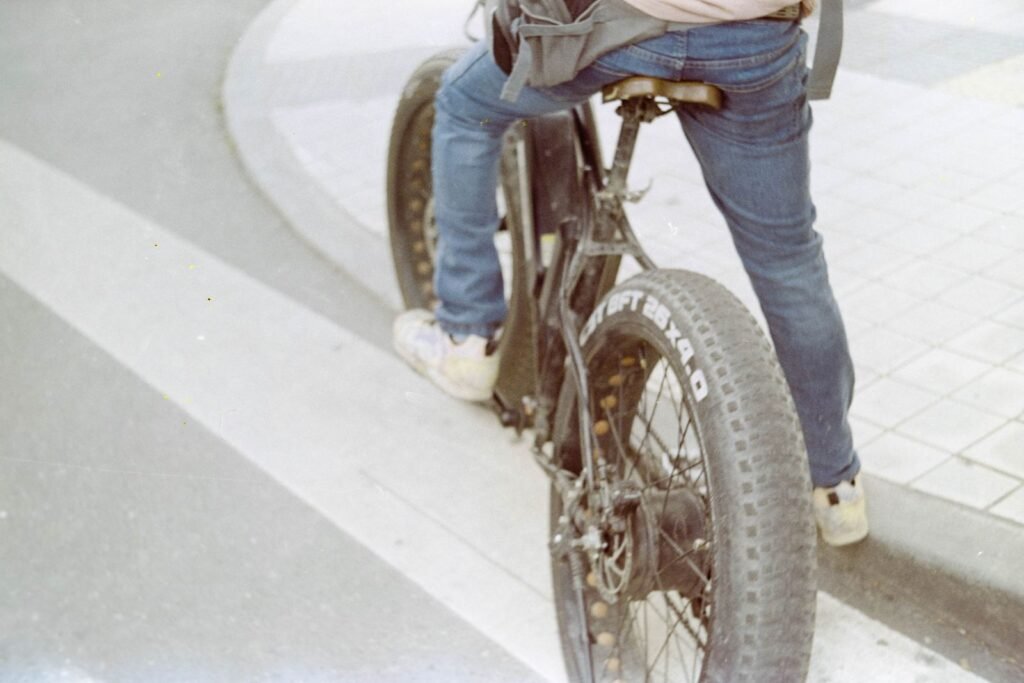
A fat tyre e-bike runs tyres about 4 inches wide. A typical pedal-assist commuter runs tyres about 1.75 to 2 inches wide, with the motor adding power only while you pedal. That width difference explains most of what follows.
| Attribute | Fat Tyre E-Bike | Pedal Assist E-Bike | What to Watch |
|---|---|---|---|
| Tyre width | About 4 in wide | About 1.75 to 2 in wide | Read the tyre sidewall first |
| Grip on loose ground | Strong on sand, gravel, mud and snow | Weak; slips sooner | Test on your loosest surface |
| Comfort | Soft, planted; absorbs bumps | Firmer; bumps reach you | Rough roads expose the gap |
| Weight and handling | Heavier; slower steering | Lighter; quicker steering | Lift it before you buy |
| Pedalling effort | Harder with assist off | Easy with assist off | Try a stretch with assist off |
| Battery use | Uses more charge on the same route | Goes further on the same charge | Compare on your own route |
| Best route | Loose, rough or snowy tracks | Paved roads and firm paths | Match the bike to your route |
| Daily practicality | Hard to carry upstairs or load on a rack | Easy to carry, store and lock | Think about stairs and storage |
When the Answer Changes
The pedal-assist bike wins for most commuters, but a few situations flip the verdict.
- Mostly loose gravel, sand or mud: the fat tyre bike grips where the lighter bike slides, so it becomes the safer choice.
- Snow or beach riding: wide tyres float over soft ground; narrow tyres sink and wander.
- A very short, flat commute: the fat tyre bike’s extra weight and battery use matter less, and its comfort matters more.
- Carrying the bike upstairs or onto a rack: the lighter pedal-assist bike matters more than grip.
- A long, mostly paved commute: the lighter bike rolls faster with less effort, uses less battery, and is easier to make your e-bike battery last longer.

Test the Two Types Before You Buy
Twenty minutes on both bikes answers this better than any review. Ride the same short loop on each, with the same bag, at the same assist level.
- Pick a loop with the surfaces you ride daily: pavement, a firm path and your loosest patch.
- Ride the fat tyre bike first, slowly, then ride the same loop on the pedal-assist bike.
- Stop and start three times on each. Notice which feels steadier pulling away.
- Turn in a tight circle on each. Note which needs more room.
- Ride a rough patch and a kerb on each. Notice which shakes you less.
- Finish with the assist off for one stretch on each. Notice which still pedals comfortably.
What a Fail Looks Like
| Symptom | Cause | Fix |
|---|---|---|
| You arrive sweaty on a flat road | Assist too low, or a heavy bike | Raise one assist level. |
| Your back and bag get soaked after light rain | No fenders or rack | Fit fenders and a rack, or pick a bike with them. |
| The bike feels slow and heavy on a hill | A high gear and a heavy load | Shift down early and spread the load. |
| The front wheel slides on gravel | Too little grip for loose ground | Slow down, or pick the fat tyre bike. |
Myth: Fat tyres are always safer for commuting. Fact: They are safer on loose ground, but the extra weight makes lifting, stopping and tight turns harder.
Myth: A pedal-assist bike cannot handle gravel. Fact: It handles firm gravel well; it only struggles on deep, loose gravel and sand.
Before you test: Wear a helmet, check both brakes, and test in a quiet area away from traffic. Ride both bikes on the same route, in daylight, before you decide.

The Method: How to Choose in One Afternoon
Use this method when you can try both types. It takes about an hour. If you are also weighing a hybrid, our fat tyre e-bike vs hybrid e-bike comparison explains the tyre-width choice in the same way.
What You Will Need
- Your real commute route, with a clear start and finish
- A charged battery on each bike
- A helmet and a phone or watch to time the ride
- The same bag and load you carry on a normal day
- A tape measure, to check tyre width
The Method
- Write down where you ride most days, and what share is loose or soft.
- Charge both bikes fully, and note the starting battery level.
- Ride your route on the first bike at your normal assist level, with your usual load.
- Note your time, how the assist felt, and the battery left.
- Swap bikes and repeat the same way. Change only the bike.
- Pick the bike that did your worst day, not your easiest.
Note: If the battery drops by more than a fifth on one leg, that bike is working too hard for your route. Lower the assist, shift down, or pick the other type.
Warning: Never judge a bike from a photo or a specification list. Try both on your own route before you buy, and look for sliding tyres, sore wrists or a dead battery at the end of the ride.
When the Damage Is Already Done
If you already bought the wrong one, you do not have to start over. These fixes help most mismatches.
- Fat tyre bike too heavy: stick to flat routes, use higher assist, and plan stops where you never have to lift the bike.
- Fat tyre bike drains the battery fast: expect shorter rides, charge more often, and keep off-road detours short.
- Pedal-assist bike slips on gravel: slow down on loose sections, stay on the firmest line, and avoid deep gravel.
- Pedal-assist bike feels harsh: wear padded gloves, keep a relaxed grip, and choose smoother lines.
- It never feels right: ask a bike shop what can be adjusted. A frame built for 4-inch tyres will not take narrow tyres, and a slipping chain may need a shop check.

The Safe Alternative: Start With a Pedal-Assist E-Bike
If you are unsure, the pedal-assist bike is the safer first buy: lighter to lift, easier to pedal and cheaper to run, with kit you can add as you learn what you need. If loose ground keeps beating you, a fat tyre bike is still there for your next bike.
- Pick a bike with tyres about 1.75 to 2 inches wide and a frame you can lift.
- Set the saddle so your feet reach the ground easily at stops.
- Ride your normal route for two weeks before changing anything.
- Note the worst surface you meet, and how the bike felt on it.
- Add a rack first, then fenders and lights, in that order.
What to Do Next, in Order
- Write down your daily route and mark the steepest and wettest parts.
- Weigh what you carry on a normal day.
- Run the 20-minute test on a fat tyre e-bike and a pedal-assist e-bike.
- Add the missing kit price to the bare bike before you compare.
- Buy the bike that passed your worst day, and check that lights, rack and fenders fit before you ride it home.
- Ride it for two weeks, then decide what needs adjusting.
Never Do This on a Commuter E-Bike Ride
- Never buy on motor size alone: check the rack, fenders, lights and gearing first.
- Never ride at full assist in traffic: learn the brakes and the assist levels on a quiet street first.
- Never ignore a slipping chain or a rubbing brake: both get worse under motor power, so get them fixed before your next commute.
- Never test a bike without your usual load: an empty test ride hides the weight that matters most.
- Never carry a bike you cannot lift: if you cannot lift it in the shop, you cannot lift it at home.
In Short
For most commuters, a pedal-assist e-bike is the better pick: lighter and easier to handle. A fat tyre e-bike is better when your route is loose, rough or snowy, or when your ride is short and comfort matters more than speed. Test both on your real route, and let your worst day decide.
The Essentials
- A pedal-assist e-bike suits most commuters: lighter, easier to pedal and steer.
- A fat tyre e-bike suits loose ground: sand, gravel, mud and snow.
- Tyre width is the main difference: about 4 inches against about 1.75 to 2 inches.
- Pedal assist is a motor mode, not a bike type; many fat tyre e-bikes offer it too.
- Test both bikes on the same loop before you buy.
- Bought the wrong one? Adjust your route and setup before replacing it.
More Questions, Answered
Is a fat tyre e-bike good for commuting?
Yes, on loose or rough routes, where its wide tyres give grip and a stable feel. On paved roads it is heavier, slower and uses more battery.
Is a pedal assist e-bike good for hills?
Yes, if you use the assist well: start in a low gear, raise the assist before the hill, and keep pedalling steadily. A fat tyre bike climbs well too, but carries more weight.
Which e-bike is easier to ride for a daily commute?
The pedal-assist bike, for most people. It is lighter, so it is easier to start, stop, turn and lift, and it pedals easily with the assist off.
Can I turn a pedal-assist e-bike into a commuter e-bike?
Yes. Add a rack, full fenders and lights, and choose tyres for pavement. Check that the frame has rack and fender mounts first.
Additional Details
- Name: Fat Tyre E-Bike vs Pedal Assist E-Bike: Which Is Better for Commuting?
- Description: Fat tyre e-bike vs pedal assist e-bike: which is better for commuting? Compare grip, weight, range and cost, then run the 20-minute test before you buy.
- Published: November 10, 2026