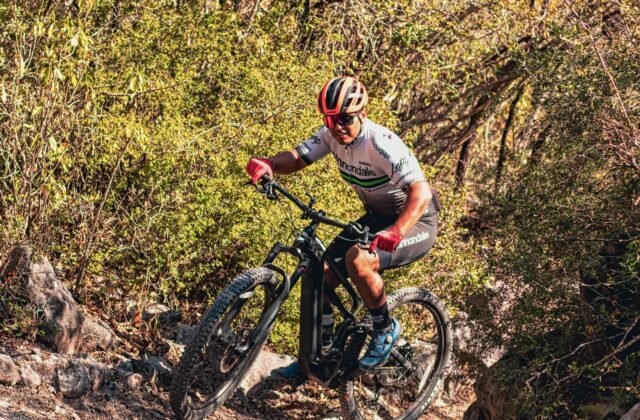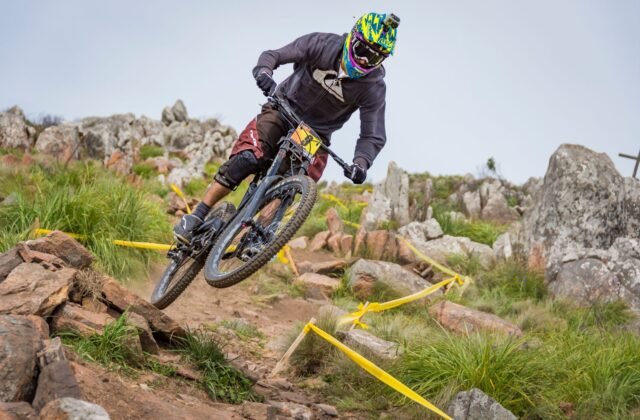
Straight answer: For most trail riding, a full-suspension mountain bike is the better choice — it climbs with your legs alone, weighs less, and its rear shock keeps both tyres on rough ground. An electric mountain bike only takes over when you need motor help: long climbs, a second lap when your legs are done, or riding with faster friends.
In a full suspension mountain bike vs electric mountain bike comparison, the motor is the whole question. The motor changes how much of the climb you do yourself, how heavy the bike is, and how much care it needs.
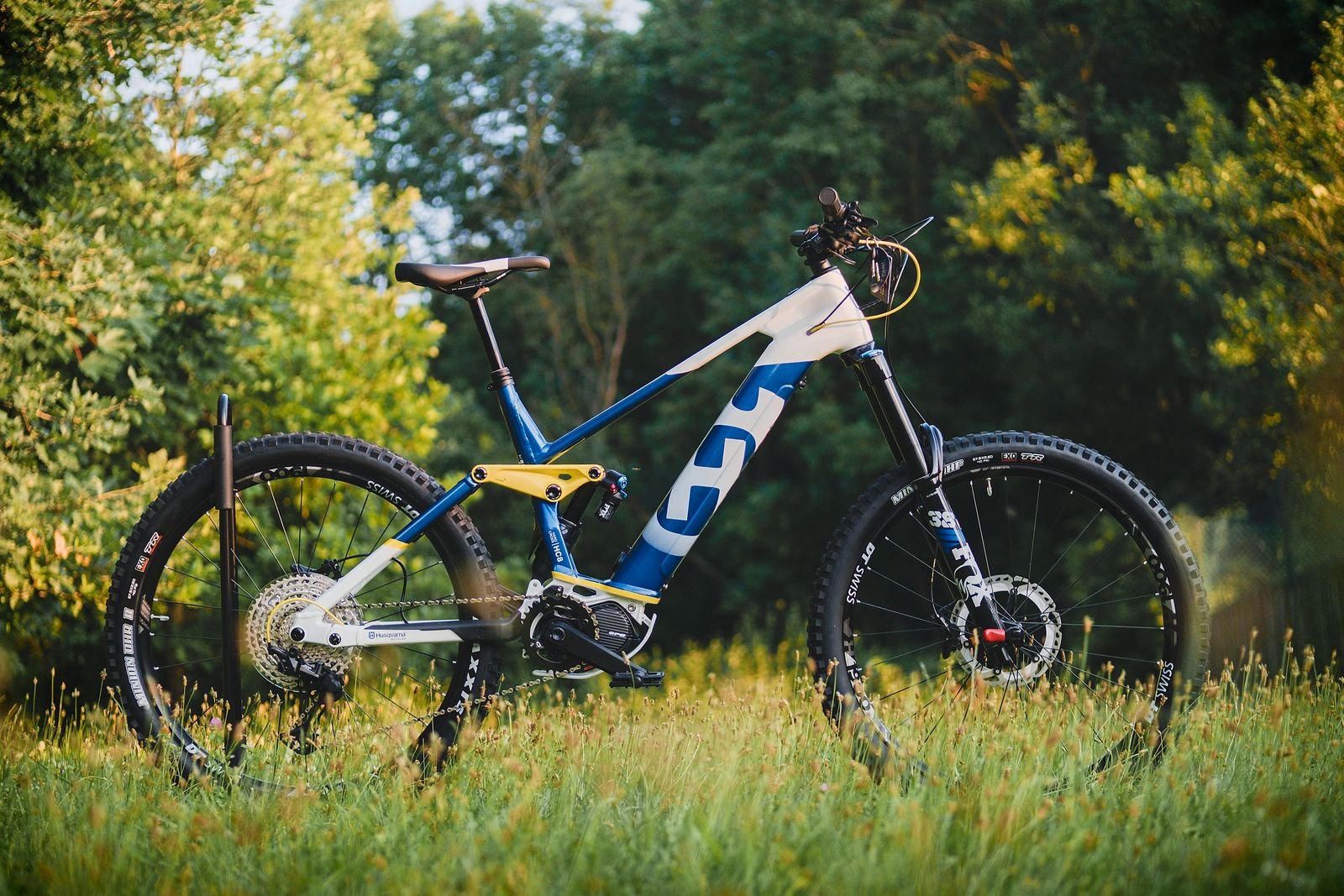
Stand a full-suspension mountain bike next to an electric mountain bike and they look like close cousins. Both have a fork and a rear shock, wide bars and knobby tyres. The difference sits in the frame: one carries a motor and a battery.
This comparison is about trails only: the loop you ride on a weekend, with climbs, descents, roots and rocks. It is not about commuting or road riding. For the wider picture, start with the Mountain Bikes hub, then see Hardtail Mountain Bike vs Full Suspension Mountain Bike and Commuter E-Bike vs Electric Mountain Bike: Which Is Better for Hills?.
Below is the side-by-side comparison, a 20-minute test for your own trails, how to set up a full-suspension bike for trail riding, and what to do if you already bought the wrong one.
Full Suspension Mountain Bike vs Electric Mountain Bike: The Core Comparison
The short version is effort against help. Full suspension buys grip with travel and a lighter build. An electric bike buys climbing help with a motor, and pays for it with weight.
| Attribute | Full suspension | Electric mountain bike | What to watch |
|---|---|---|---|
| Suspension and comfort | 120–160 mm of travel front and rear smooths roots and rocks. | A motor and battery add weight, but the suspension still smooths the trail. | Extra weight needs more travel to feel the same. |
| Climbing | Lighter, and the suspension keeps the rear wheel driving on rough climbs. | The motor flattens steep climbs and keeps you pedalling when your legs tire. | On a long climb, the motor wins; on a short one, weight matters less. |
| Descending | Travel and geometry handle rocks, drops and roots at speed. | Heavier, so it needs more braking and a firmer setup on steep descents. | Weight is what you feel most on a long descent. |
| Range and energy | Your legs are the battery: ride as far as your fitness allows. | Battery range sets the ride length, and a flat battery means a very heavy bike. | Check the charge before a long loop, and ride within it. |
| Weight | Noticeably lighter, so it climbs and accelerates more easily. | Noticeably heavier — motor, battery and stronger parts add weight at the frame. | Lift both bikes before you buy; the difference is immediate. |
| Maintenance and cost | Fewer parts to look after, and no charging or battery wear. | Motor, battery and electrics add servicing, and the battery needs replacing one day. | Budget for servicing and a charger, not just the bike. |
| Best for | Mixed trails with climbs, roots and rocks, ridden on leg power. | Riders who want help on climbs, longer rides, or rides with faster friends. | Match the bike to your fitness and your trails. |

When the Answer Changes
The verdict above holds for most riders on most trails. These are the cases that flip it:
Your climbs are long and steep
When your trails climb for an hour at a time, the motor earns its weight. It keeps you pedalling at a steady pace where leg power alone would leave you walking, and it leaves energy for the descent.
You ride with faster friends or a group
A motor closes the gap between riders of different fitness. If your group climbs faster than you, an electric bike keeps you together instead of riding alone behind.
You have nowhere to charge, or a tight budget
An electric bike needs charging after every long ride, and a replacement battery is a real cost. If you ride far from power, or the budget is tight, the simpler bike is the safer buy.
Test Both Bikes on the Same Trail: A 20-Minute Decision Ride
One short test ride on a trail you know well tells you more than any table. Use the same trail, load and pace for both bikes.
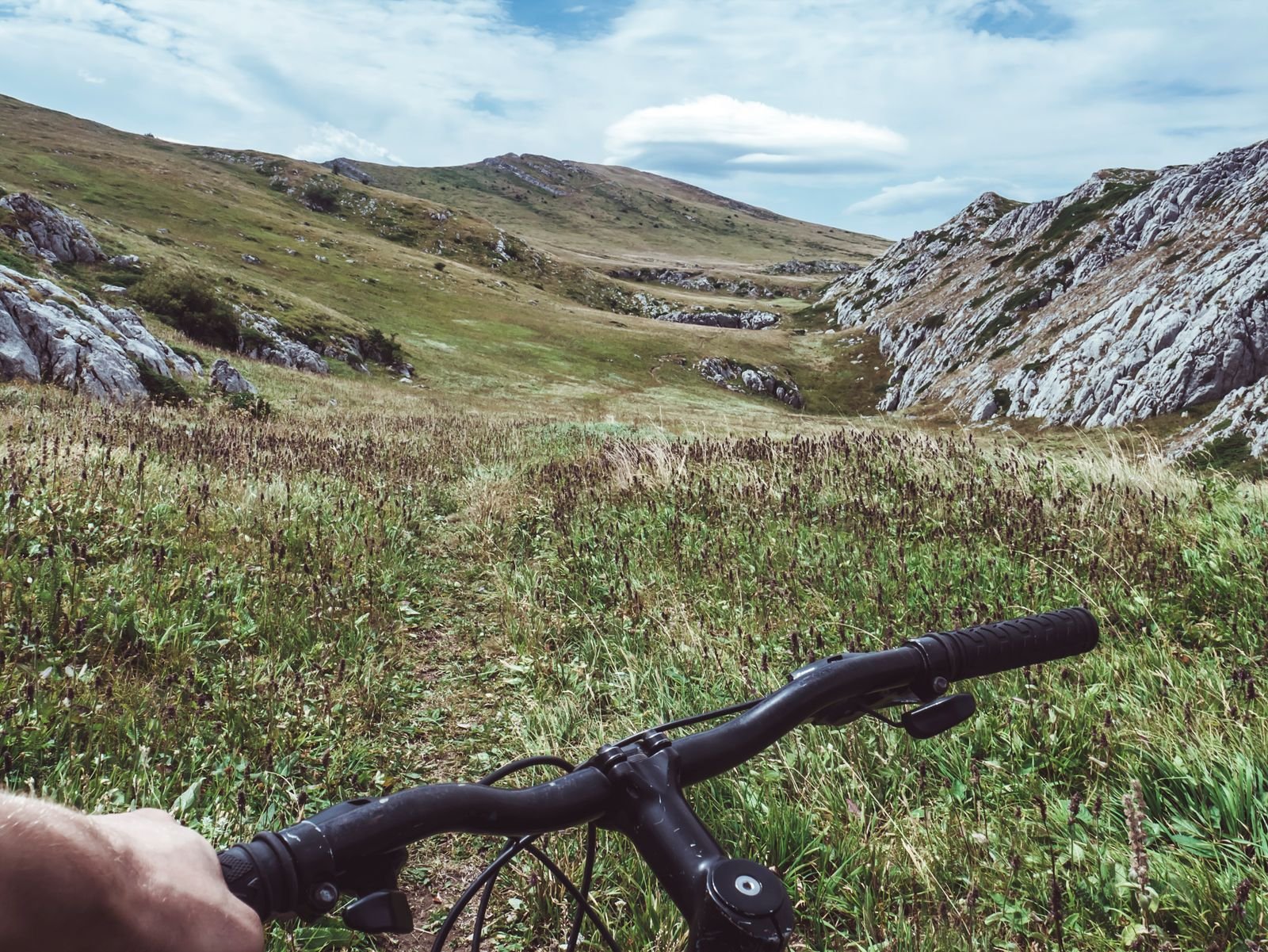
- Pick your real trail: a loop you ride most weekends, with a climb and a rough descent.
- Ride the full-suspension bike first, and note where you spin out or lose the front wheel.
- Rest, drink, and ride the same trail on the electric bike at the same effort.
- Compare how your legs feel at the top, and your hands after the rough sections.
- If it was close, repeat the steepest climb on both bikes and keep the one that got you up easiest.
What a fail looks like
| Symptom | Cause | Fix |
|---|---|---|
| Rear wheel spins out on loose climbs | The tyre is losing contact over roots or rocks | Let a little air out and stay seated |
| Battery dies halfway round the loop | The ride was longer than the charge, or the assist was on full all the way | Drop to the lowest assist and save power for the climbs |
Myth vs Fact:
Myth: An electric bike does all the work for you.
Fact: You still pedal — the motor only adds to your effort, and on the highest assist you still work hard on steep climbs.
Before you test: Walk the trail first and check for loose rock, ruts and drop-offs. Wear a helmet and gloves, and walk the bike home if a section looks dangerous.

How to Set Up a Full-Suspension Bike for Trails
A full-suspension bike rides best when it is set up for your weight and your trails, not the way it left the shop.
What you will need:
- A shock pump
- A tyre pump or gauge
- A multi-tool
- Your normal riding shoes and pack
The method:
- Set rear shock sag with your riding gear on.
- Switch the lockout to its middle setting for a mixed trail.
- Set tyre pressures for grip, not speed. For starting points, see our mountain bike air pressure guide.
- Slide the saddle forward a little and shift into an easy gear before a climb bites.
- Charge the electric bike fully before the test, and use the same assist level on every climb.
- Ride the same trail again and note what changed: keep what helped, undo the rest.
Note: Change one setting at a time, ride the same trail, and write down what you felt.
Warning: Never ride down a steep hill with a hot, fading brake or a loose load. Stop at the top, check the brakes and the load, and descend slowly with both brakes.
When the Damage Is Already Done
Already bought the wrong bike for your trails? Work through these fixes in order.
- You bought an electric bike but your rides are short and flat. Use the lowest assist, pedal more, and save the motor for the climbs.
- You bought a full-suspension bike but the climbs beat you. Fit an easier lowest gear and build your fitness on shorter loops first.
- The battery runs flat on long rides. Plan shorter loops and save the highest assist for the steepest climbs.
- The suspension was never set up. Set the sag and tyre pressure before you judge the bike.
- The bike is the wrong size. A frame that is too big or too small cannot be fixed with setup.

The Safe Alternative: Start with an Electric Mountain Bike
If the test above points the other way, an electric mountain bike is the safe alternative. It is the same trail bike, with help when you need it. For more on electric mountain bikes, see Electric Mountain Bike vs Mid-Drive E-Bike.
The method:
- Pick the lightest electric mountain bike you can afford, with a battery that covers your longest loop.
- Learn the assist levels on a gentle, flat trail first, before you commit to a steep climb.
- Keep the battery charged and the tyres at trail pressure, and test the brakes on flat ground.
- Ride your usual loop. If the climbs stop hurting, this is your bike.
What to Do Next, in Order
- Decide how much of your riding is climbing, and be honest about it.
- Test a full-suspension bike and an electric bike on the same trail, using the method above.
- Set up the winner properly before you judge it.
- Only then spend money: tyres and gearing first, a new bike last.
Never Do These on Trails
- Never run your tyres at road pressure on a trail. High pressure bounces off roots and rocks.
- Never ride an electric bike with a flat battery on a long loop. You will push a heavy bike home.
- Never ignore the first hiss of air after a cut. A slow leak can leave you walking miles.
- Never ride with worn brake pads. They stop badly and score the rotor.
In short
For most trail riding, a full-suspension mountain bike is the better choice: lighter, simpler, and with enough grip from its rear suspension. An electric mountain bike wins only when the motor earns its weight — on long climbs, second laps, or rides with faster friends.
The essentials
- A full-suspension bike is the better choice for most trail riding.
- An electric bike wins on long climbs, second laps and group rides.
- Full-suspension bikes have 120–160 mm of travel front and rear.
- A flat battery turns an electric bike into a very heavy bike.
- Set the sag and tyre pressure first, and test both bikes on the same trail.
More Questions, Answered
Is an electric mountain bike better than a full-suspension mountain bike?
On long climbs, yes. On rough, mixed trails the lighter full-suspension bike handles better and needs no charging.
Can a full-suspension mountain bike keep up with an electric bike?
On descents and rough ground, yes — gravity does the work and the lighter bike turns quicker. On long climbs, the motor pulls ahead.
Do electric mountain bikes need a lot of looking after?
More than a non-electric bike: the motor, battery and electrics add servicing, and the battery wears over time. Charge it properly and service the suspension as usual.
Which bike should I buy if I climb and descend equally?
Buy the full-suspension trail bike. It climbs well and descends well, which is exactly what a ride with equal amounts of up and down needs. Save the electric bike for days when the climbs are the problem.
Additional Details
Name: Full Suspension Mountain Bike vs Electric Mountain Bike: Which Is Better for Trails?
Description: Full suspension mountain bike vs electric mountain bike: compare grip, climbing, weight, range and cost on your trails, then test both before you buy.
Published: November 10, 2026