Part of our guide on E-Bikes.
A step-through e-bike brakes problem usually shows up at the worst moment: a squeal on a wet morning, a lever that pulls almost to the handlebar on a downhill, or one wheel that drags after a stop. The brakes work harder than on a lighter bike, because the bike carries a motor, a battery and often a rear rack load, and the rider sits upright with more weight over the rear wheel.
This guide checks step-through e-bike brakes in a safe order, from the two-minute checks to the point where a part or a shop is the right answer. It covers disc brakes, which most step-through e-bikes use. If your bike has rim brakes, the pad, cable and lever checks still apply. For brake care on other e-bikes, read Commuter E-Bike Brakes and Folding E-Bike Brakes.
Quick facts
| Fact | What it means for your ride |
|---|---|
| Problem this guide fixes | Brakes that squeal, fade, drag, judder, or need a lever pulled to the bar |
| Check first | Pads, rotor, lever reach, cable or hose, and wheel true |
| Most common causes | Worn pads, a dirty rotor, a stretched cable or air in the hose, and a moved caliper |
| Tools you need | Manual, hex keys, a clean cloth, isopropyl alcohol, and a notebook |
| Stop and get help | Brake fluid leaking, a cracked caliper or rotor, or no braking at all |
| Related guides | Commuter E-Bike Brakes, Folding E-Bike Brakes, Commuter E-Bike Motor |
Quick recap
- Most brake noise is the pads or the rotor — not the caliper.
- Check the pads and the rotor before you buy anything.
- A lever that pulls further than it used to usually means worn pads or a stretched cable.
- One wheel dragging usually means a moved caliper or a bent rotor.
- Never ride with a brake that has no resistance or a fluid leak.
- When a fix needs a part, match the pad shape, rotor size and hose type exactly.
The short answer: check the pads, the rotor and the lever first
Most step-through e-bike brake problems are not a failed brake. A brake that squeals, fades or pulls to the bar is far more likely to have worn pads, a dirty rotor or a stretched cable. Work through the checks in order, and only think about a replacement when they point that way.
That order matters because the symptoms overlap: a moved caliper can look like a bent rotor, and a stretched cable can feel like worn pads.
The rest of this guide follows that rule. The next sections cover the frame, the load and the settings that change braking.
How to check step-through e-bike brakes, step by step
- Squeeze each lever. A firm lever that stops the wheel in a short pull is normal. A lever that pulls to the bar is a fault.
- Spin each wheel and listen. A rub once per turn means a bent rotor; a constant rub means a moved caliper.
- Look at the pads. Shine a light into the caliper. If the pad is thinner than your manual’s limit, the pads are worn out.
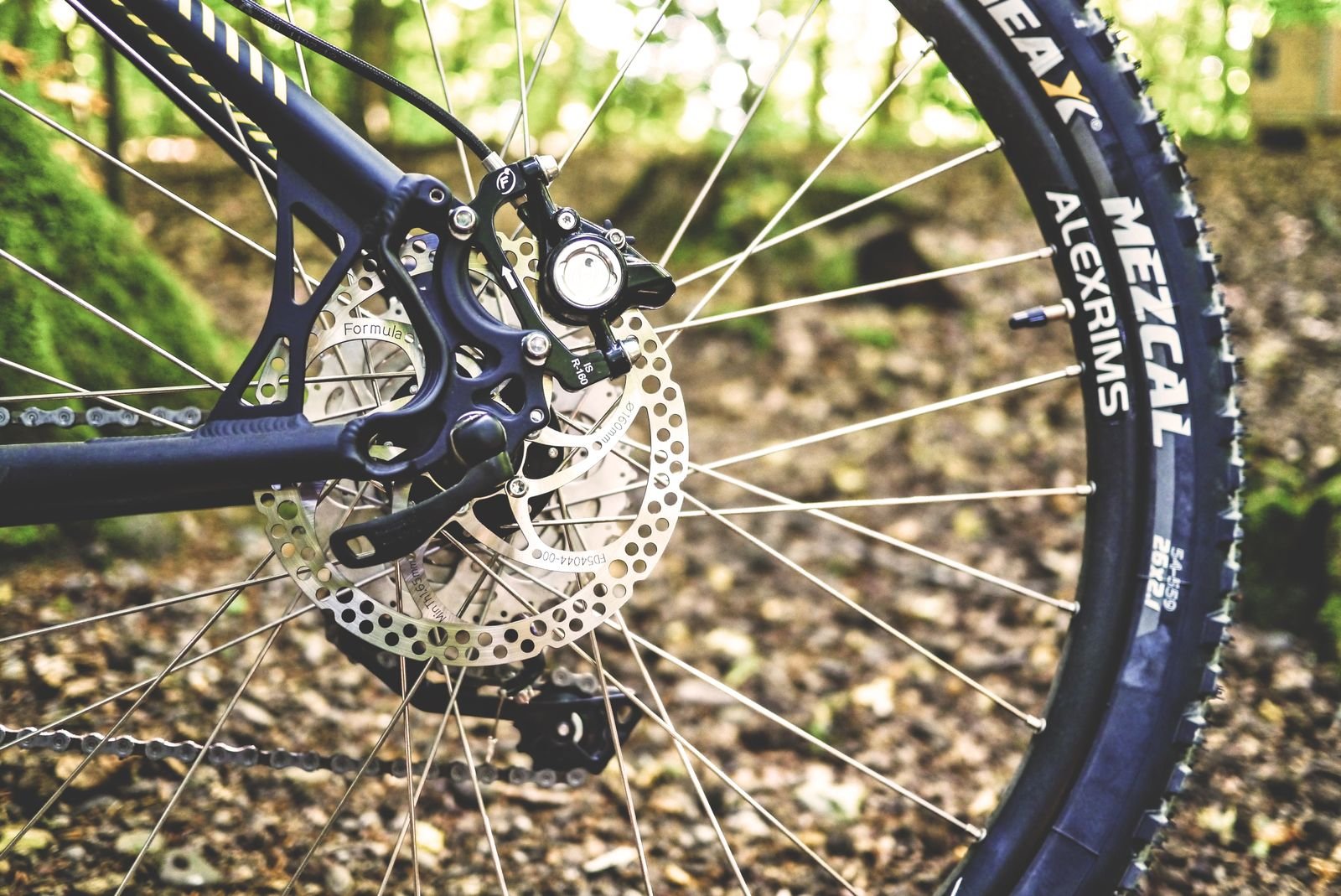
- Look at the rotor. It should be flat and clean, with no deep grooves. A blue ring means overheating; a visible wobble means it is bent.
- Check the caliper is centred. The rotor should pass through with a small, even gap each side. If it touches on one side only, the caliper has moved.
- Follow the cable or hose. On a step-through frame it runs low, where it can catch on a rack or basket. Look for kinks and loose clips.
- Ride a short test route on low assist. Brake gently from a slow speed with each lever in turn. Note when the fault appears: one wheel, both wheels, when hot, or only in the wet.
What you’ll need
- Your manual, for pad type, rotor size and hose details
- Hex keys for the caliper bolts and the lever clamp
- A clean cloth and isopropyl alcohol
- A notebook to record the fault and when it happens
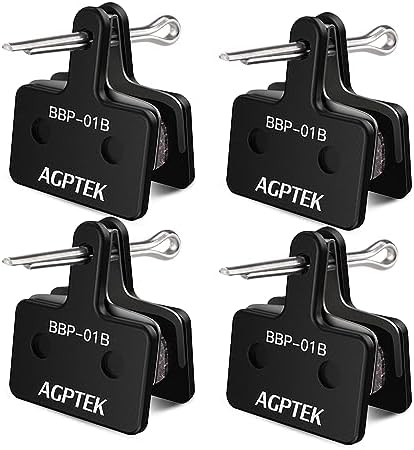
One Amazon product in this section only: the pads below are the same kind fitted to most step-through e-bikes.
What the symptom usually means
Match what you notice with what to try first. If a brake has no resistance, or fluid is leaking, skip the table and get help.

| Situation | What you’ll notice | What to try |
|---|---|---|
| Squeal when you brake | A high sound, worse when wet | Clean the rotor; check the pads for glazing |
| Lever pulls to the bar | The lever travels further | Check pad wear and cable tension |
| One wheel drags | The wheel slows on its own | Check the caliper is centred and the rotor is true |
| Brakes fade on a downhill | Strong at first, then weak | Let the brakes cool |
| Grinding noise | A rough metallic sound | Stop riding; the pads are worn out |
| Brakes grab or judder | The brake bites in pulses | Check the rotor and wheel true |
A brake that fails only when hot is telling you about heat; one that fails only in the wet is telling you about dirt.
The pads below are a second semi-metallic set for the same calipers.

How the step-through frame, the load and the weather change the answer
The same brakes can feel like different brakes on a step-through frame, with a load, or in the wet. The frame puts the battery low and the rider upright, so more weight sits over the rear wheel. A rear rack with shopping or a child seat adds weight the brakes must stop on every downhill, and wet roads throw dirt onto the rotor.
What works
- Brake with both levers, rear first, on a loaded bike
- Let the brakes cool after a long downhill
- Clean the rotor after wet rides, and let it dry
What to watch
- A rear brake that fades first is working hardest, not failing
- Do not drag one brake down a hill; alternate front and rear
- Do not oil a squealing brake; oil on pads or a rotor makes it worse
Settings and controls that affect braking
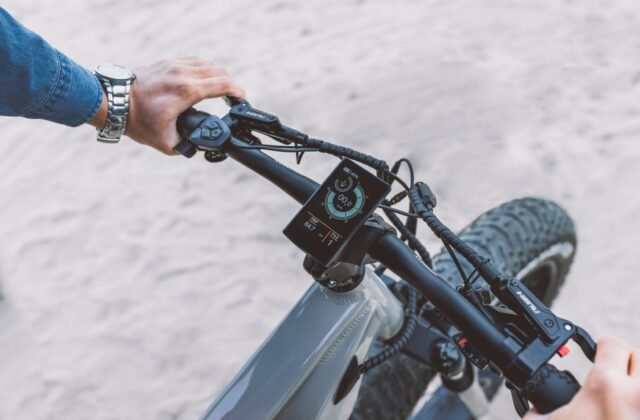
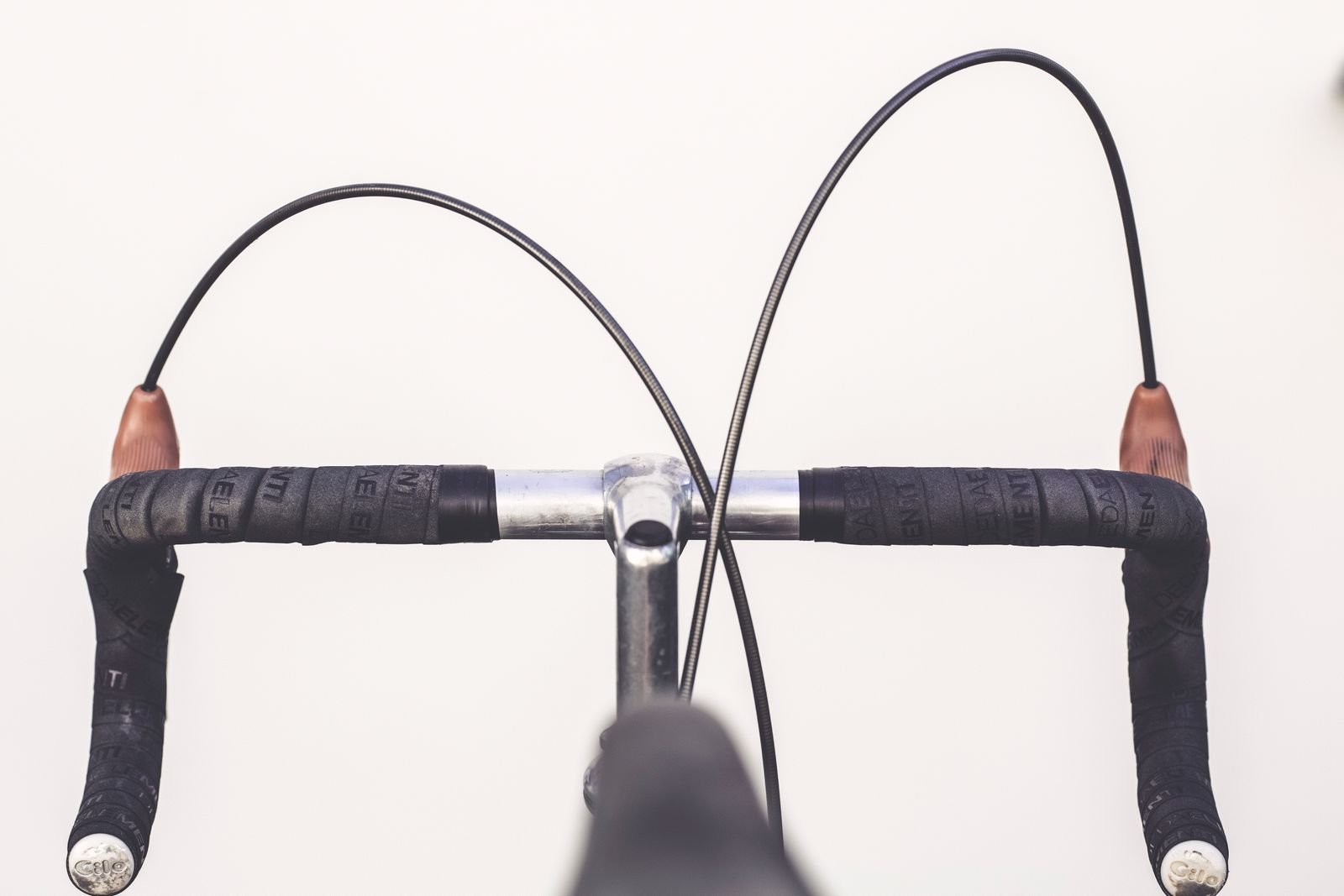
Before deciding a brake is worn out, check the settings that decide how it feels. Lever reach is the biggest one: a lever set too far from the bar is hard to pull fully. Most step-through e-bikes also cut the motor when you brake, and a slow cut-off switch can keep the motor pushing against the brake.
What works
- Set the lever within reach of one or two fingers
- Check the motor cuts out when you touch either lever
- Test the brakes slowly after any lever change
What to watch
- A motor that keeps pushing points to the cut-off switch, not the pads
- A lever that moves on its own means a loose clamp
- Do not ride with a lever you cannot reach at a stop
A bike with a working brake cut-off stops cleanly. When the cut-off is slow, the brakes fight the motor on every stop.
When a fix needs a part or a replacement
Some brake problems have a simple fix, and some need a part. Pads can be swapped, a rotor cleaned, and a cable tightened. A cracked rotor, a leaking hose or a caliper that will not centre cannot be fixed at home. Match any part exactly: pad shape, rotor size and cable or hose type.
| Fix | Best use | Limit |
|---|---|---|
| Replace the brake pads | Squeal, weak braking, lever pulling further | Must match the pad shape exactly |
| Clean the rotor | Squeal or judder after wet rides | No help if the rotor is bent or cracked |
| True or replace the rotor | A wobble that rubs once per turn | A cracked rotor must be replaced |
| Re-centre the caliper | Constant rub on one side | Only helps if the caliper moved |
| Bleed the hose or book a shop test | A spongy lever, a fluid leak, or a fault no check explains | Brake fluid is a shop job |
What works
- Keep the manual with the bike, and match parts from it
- Ask a shop to check a rotor before buying one
- After any fix, start with a slow test ride on a flat road
What to watch
- A pad that fits is not proof it matches; shape and compound must both match
- A second-hand rotor can carry the same bend
- Do not keep riding a bike whose brakes fade on every downhill
If the rotor is scored or bent, the 160mm rotor below is a direct replacement.

The verdict
Most step-through e-bike brake problems are fixed by fitting new pads, cleaning the rotor and setting the lever and caliper right, not by buying a new brake. When those checks fail, or the brake has no resistance or leaks fluid, get a shop test.
Readers also ask
Why do my step-through e-bike brakes squeal?
Squeal is usually dirt or glazing on the pads. Clean the rotor and check the pads; if the squeal stays, the pads need replacing.
Why does my brake lever pull to the handlebar?
The pads are worn thin, the cable has stretched, or air is in the hose. Check the pads first, then the cable tension, and get a hose bled if the lever feels spongy.
Is it normal for e-bike brakes to fade on a long downhill?
Some fade on a long descent is normal as the pads and rotor heat up. Let them cool and alternate front and rear.
Can I replace brake pads myself?
Yes, if the caliper is easy to reach and your manual shows the pad shape. Match the shape exactly, keep oil off the pads and rotor, and test at a slow speed.
How do I know if my brake rotor needs replacing?
Replace it when it is cracked, deeply grooved, or bent beyond a gentle true. A cracked rotor must never be straightened.
Affiliate Disclosure: We may earn a commission when you buy through links on this site, at no extra cost to you.
Additional Details
Name: Step-Through E-Bike Brakes Care Guide for Beginners
Description: Step-through e-bike brakes squealing, fading or pulling to the bar? Diagnose the cause step by step, fix the common faults, and know when a shop test is due.
Published: November 17, 2026