Part of our guide on E-Bikes.
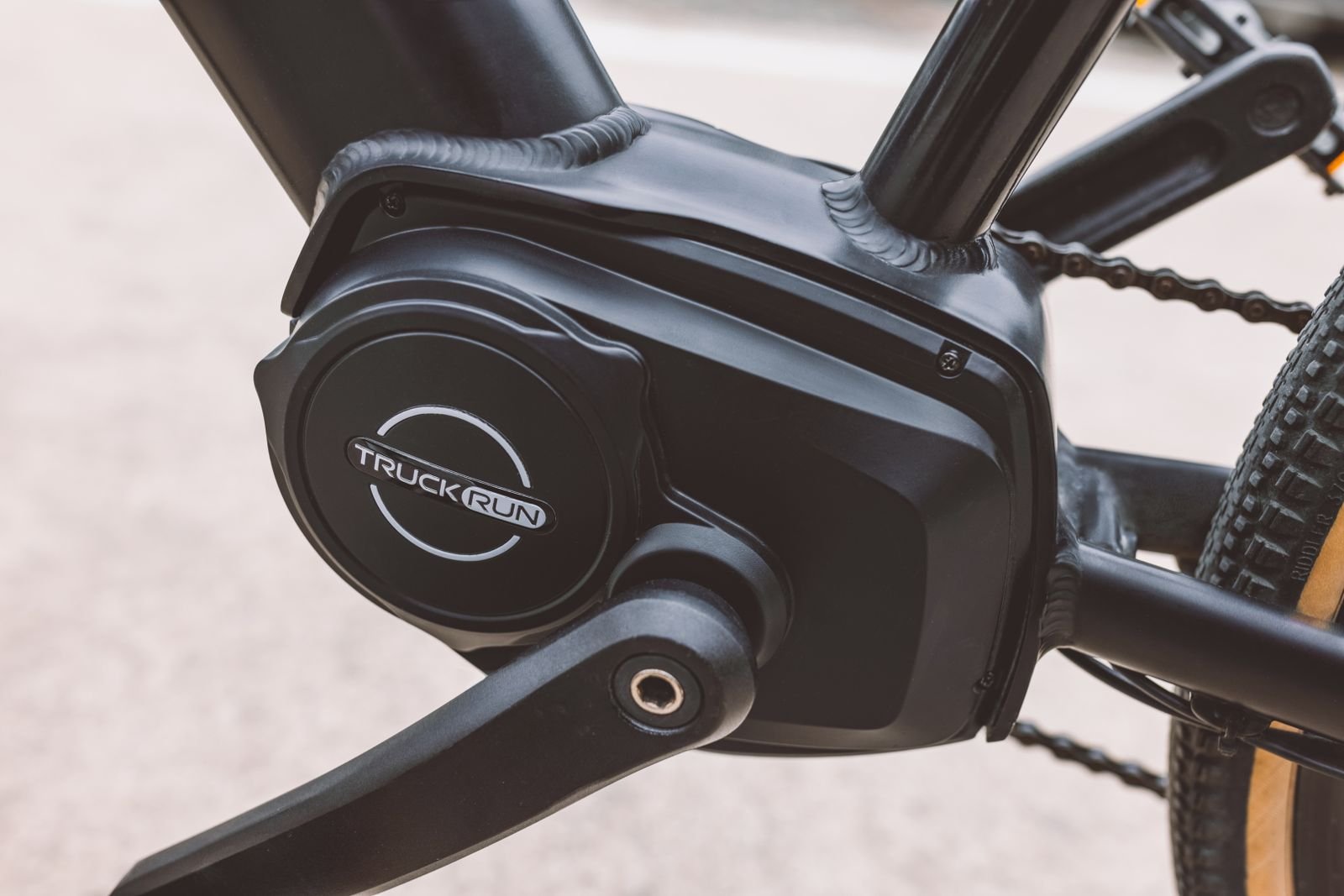
A commuter e-bike motor problem usually shows up at the worst moment: a grinding noise on the way to work, assist that fades on the first hill, or a motor that cuts out in traffic. Most of these faults are not a dead motor — usually a loose mount, a dirty speed sensor, a worn chain, or a habit that has overloaded the motor over weeks of daily riding.
This guide covers commuter e-bike motor care in a safe order, from the two-minute checks to the point where a part or a professional test is due. For battery faults, read How to Fix Commuter E-Bike Battery Problems; for charging and storage, read How to Make Your E-Bike Battery Last Longer.
Quick facts
| Fact | What it means for your ride |
|---|---|
| Problem this guide fixes | A motor that grinds, hums, overheats, cuts out, or gives weak assist |
| Check first | Mount bolts, sensor and magnet, chain, display, battery mount |
| Most common causes | A loose mount, a dirty sensor, a dry chain, and the wrong gear on hills |
| Tools you need | Manual, hex keys, a dry cloth, chain lube, a notebook |
| Stop and get help | Burning smell, smoke, a cracked case, water inside the motor, or a locked wheel |
| Related guides | How to Fix Commuter E-Bike Battery Problems and How to Make Your E-Bike Battery Last Longer |
Quick recap
- Most motor noise is the mount, chain or sensor — not the motor.
- Check the mount bolts and the sensor gap before you blame the motor.
- Heat after a flat commute is a warning; heat after a long hill in a high gear is often the gear.
- A dry chain makes the motor work harder on every ride — clean and lube it.
- A motor cutting out on bumps usually has a loose connection.
- Never open a sealed motor or keep riding with a burning smell.
The short answer: check the mount, the sensor and the chain before you blame the motor
A motor that makes a new noise, loses assist or runs hot is usually telling you about something around it. On a daily commuter the mount bolts work loose, the sensor moves out of line, and the chain dries out — each makes the motor sound rough, cut out or feel weak. Fix those three first, and most complaints go away without a part or a shop visit.
Rule of thumb: if the motor is quiet on a stand but noisy on the road, the fault is usually the mount, chain or load — not the motor. If it is noisy on a stand too, or smells hot, stop riding and get it tested.
How to diagnose a commuter e-bike motor problem, step by step
Check this first: ride with the motor off. If the noise stays, it is the chain, gears or brakes — not the motor. If it stops, the motor or its mount is the place to look.
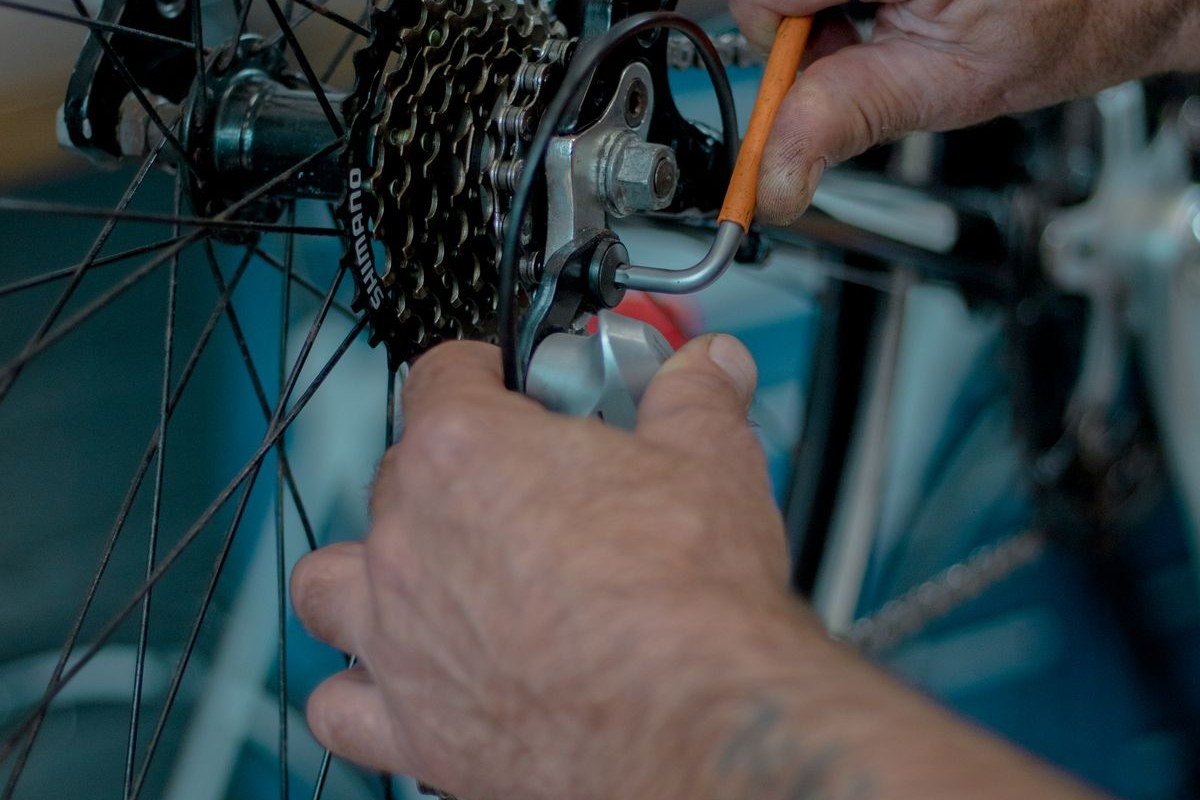
- Ride with the motor off and listen. Noise that follows your pedalling points to the chain or gears; noise that follows wheel speed points to the wheel, tyre or brakes.
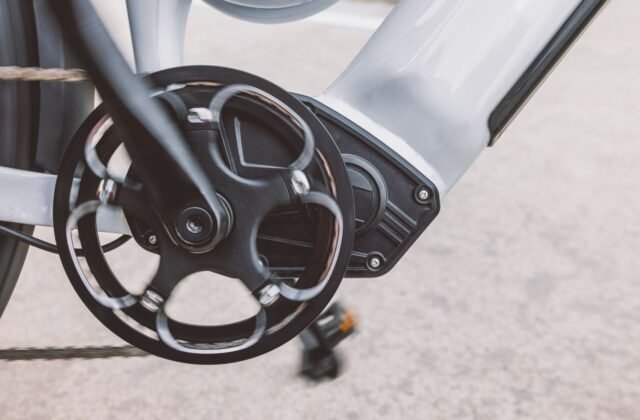
- Check the motor mount bolts. With the battery out, rock the motor by hand. Movement means loose bolts — tighten them to your manual’s figure.
- Look at the speed sensor and the magnet. The gap should match your manual — usually a few millimetres. A slipped sensor makes assist cut in and out.
- Check the chain, the gears and the brakes. A dry chain grinds, a worn chain skips, a rubbing brake drags the motor down. Clean and lube the chain; replace it past the wear mark.
- Read the display for an error code. Note any code exactly as shown and look it up. A code pointing to sensor, brake cut-off or battery is cheaper than a motor fault.
- Feel the motor case after a short ride. After a flat ride the motor should be warm, not hot. Heat after a short flat ride is a warning; after a long climb it is often the gear.
- Ride a short test route on low assist. Ride the same loop twice — low assist, then normal — and note when the fault appears: hills, bumps, low battery, or only when hot.
What you’ll need
- Your manual — bolt sizes, sensor gap, error codes
- Hex keys for the mount bolts
- A dry cloth for sensor, magnet and motor case
- Chain lube and a clean rag
- A notebook to record the fault
- A pump — soft tyres waste motor energy
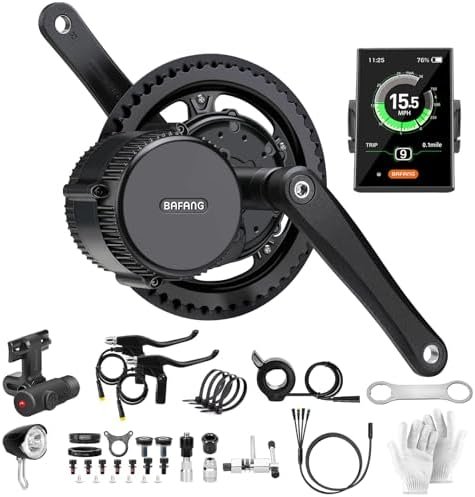
One Amazon product in this section only: the mid-drive kit below replaces a failed motor — only if it matches your frame, voltage and maker approval.
What the symptom usually means
| Situation | What you’ll notice | What to try |
|---|---|---|
| Grinding noise when you pedal | A rough sound following your pedalling, worse under load | Clean and lube the chain; check gears and bolts |
| Humming or whining | A steady high sound that rises with speed | Check bolts and chain; if it stays on a stand, get it tested |
| Motor cuts out | Assist stops on bumps, hills, or low battery | Check sensor gap, battery mount, cable plugs |
| Weak assist on hills | Helps on the flat, fades as the road rises | Shift down first; check tyres and charge |
| Motor hot after a ride | Too hot to touch after a short flat ride | Stop riding hard; check brakes and get it tested |
How heat, load and riding habits change the answer
A motor works hardest at low speed and high load: pulling away in a high gear, climbing slowly in top assist, or carrying a heavy bag uphill. Two riders on the same bike can have different motor problems — usually the gear, the load and the assist level, not the motor.
What works
- Shift down before a hill so the motor spins freely.
- Start in low gear and low assist, then build speed.
- Let the motor cool after a long climb before charging.
What to watch
- Full assist in a high gear from a stop — the hardest thing you can ask of a motor.
- A motor hot after every ride is a warning, not a habit.
- Deep water or a hose can push water past the seals.
Worth knowing: a motor works hardest at low speed and high load — shift down before the hill to keep it cool.
Settings and controls that affect motor wear
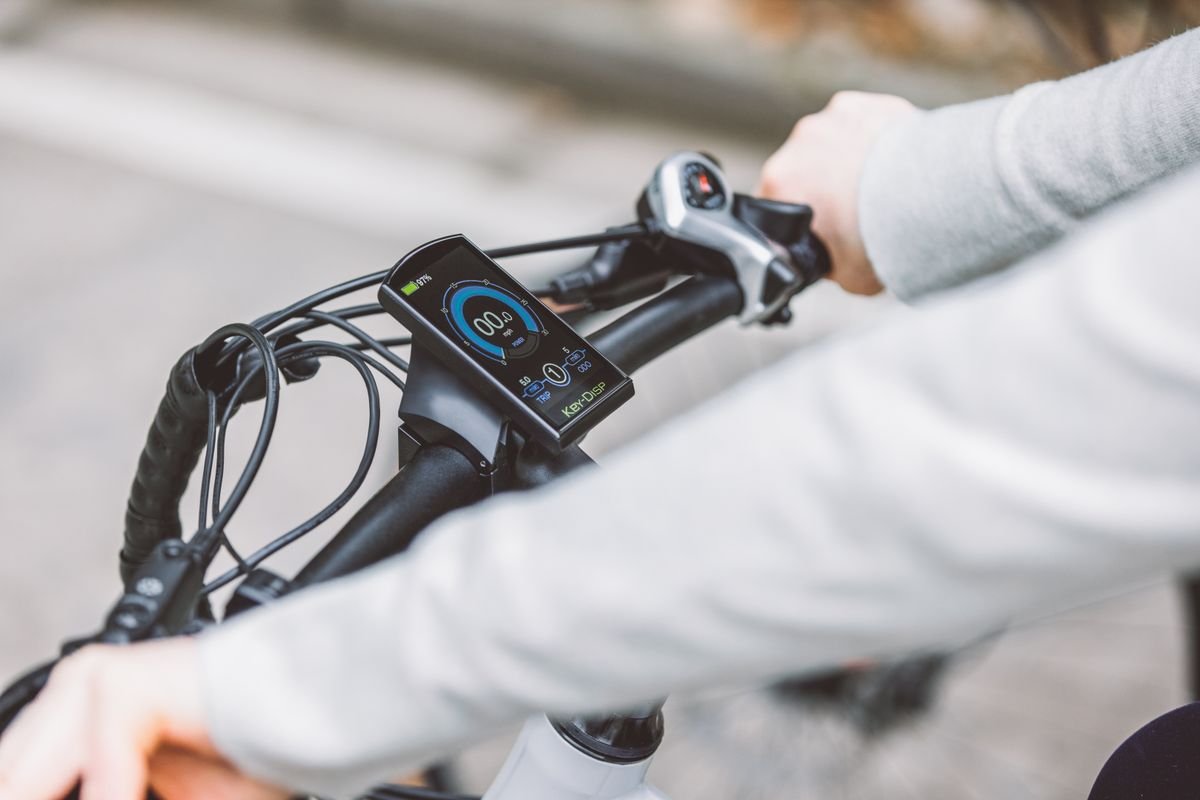
Display and assist levels decide how hard the motor works. Most motors have three to five levels; the top level is for short bursts, not a whole commute. Riding everywhere on the highest level, in a high gear, keeps the motor near its limit and shortens its life.
What works
- Use low assist on the flat; save the top level for hills and headwinds.
- Match assist to gear: low gear and low assist away from lights, higher assist once moving.
- Turn the system off before lifting the bike, loading it or working on the chain.
What to watch
- Assist jumping or surging on its own can mean a sensor fault.
- A display blanking on a bump usually means a loose plug.
- Walk-assist held long on a steep ramp works the motor hard at very low speed — short pushes only.
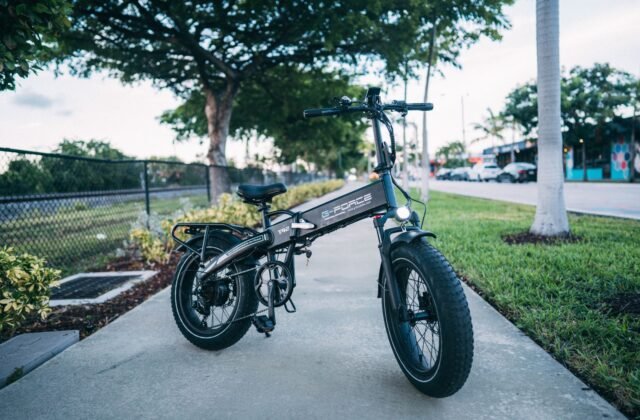
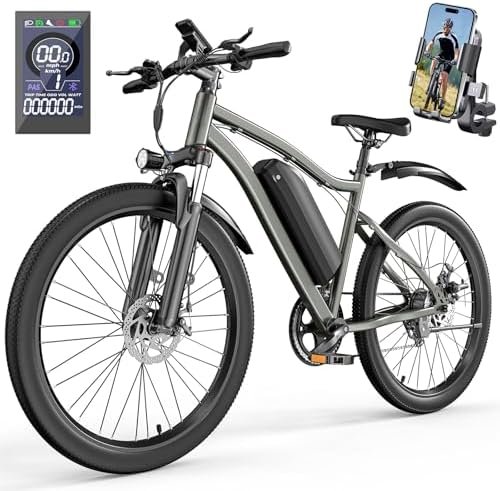
A complete commuter e-bike with a 720W motor shows normal assist: strong from a stop, quiet on the flat, steady on a hill in the right gear.
When a fix needs a part or a replacement
When mount, sensor and chain are all in order and the fault is still there, the answer is a part — or a shop test first. Match voltage, connector and maker approval exactly; leave motor repairs to a qualified shop.
| Fix | Best use | Limit |
|---|---|---|
| Refit and tighten the motor mount | Noise or vibration after rough roads | Only helps if the mount is actually loose |
| Clean and realign the speed sensor | Assist cutting in and out, or wrong speed | Needs your manual’s gap; replace a bent bracket |
| Replace the chain and cassette | Grinding, skipping, chain past its wear mark | A new chain on a worn cassette still skips |
| Replace a motor cable or connector | Cut-outs on bumps, or a fault moving with a cable | Your bike’s connector type only; never splice cables |
| Fit a replacement motor kit | A motor a shop test confirmed faulty | Must match wheel size, voltage and dropout spacing |
| Book a qualified shop motor test | Burning smell, smoke, locked wheel, or a fault the steps cannot find | Costs a fee, but less than replacing a good motor |
The common mistake: replacing the motor first. Most motor faults are the mount, sensor or chain — parts far cheaper than a motor, checked in minutes. Replace the motor only after those checks fail, or when a shop test says it is faulty.
If the motor itself has failed, a hub motor kit is one replacement option — only if it matches your wheel size, voltage and dropout spacing.

The verdict
Most motor problems are fixed by tightening the mount, cleaning the sensor and keeping the chain in order, not by buying a new motor. When those checks fail, or the motor smells hot, smokes or locks the wheel, a qualified shop test is the right next step.
Readers also ask
Why does my commuter e-bike motor make a grinding noise?
Start with chain, gears and mount bolts. A dry or worn chain grinds under load, and a loose mount lets the motor knock. Noise staying with the motor off means chain or gears.
Why does my e-bike motor cut out while I am riding?
Check sensor gap and magnet, battery mount and cable plugs. A slipped sensor, unlocked battery or loose plug all cut the assist, usually on bumps or hills.
Is it normal for an e-bike motor to get hot?
Warm is normal; too hot to touch after a short flat ride is not. Heat after a long climb is often the gear choice — shift down first.
Can I ride my e-bike if the motor stops working?
Yes, if the wheel turns freely and nothing rubs or locks. Switch off and ride in a low gear. If the wheel locks or drags, do not ride it.
How do I know if my e-bike motor needs replacing?
Only after mount, sensor, chain, cables and battery have been checked and the fault is still there — or when a shop test says the motor is faulty. A burning smell or locked wheel also means a professional test.
Should I wash my e-bike motor with a hose?
No. Wipe the case with a dry or lightly damp cloth and keep water away from seals, plugs and display. Hosing the motor can push water inside.
Additional Details
Name: Commuter E-Bike Motor Care Guide for Beginners
Description: Is your commuter e-bike motor noisy, hot or losing assist on the road? Diagnose the cause step by step, fix the common faults, and know when a shop test is due.
Published: 15 November 2026