Cargo e-bike vs fat tyre e-bike: for most beginners, a cargo e-bike is better if you carry children or shopping most days and ride paved streets. If your route is loose, sandy or rough, the fat tyre e-bike is better.
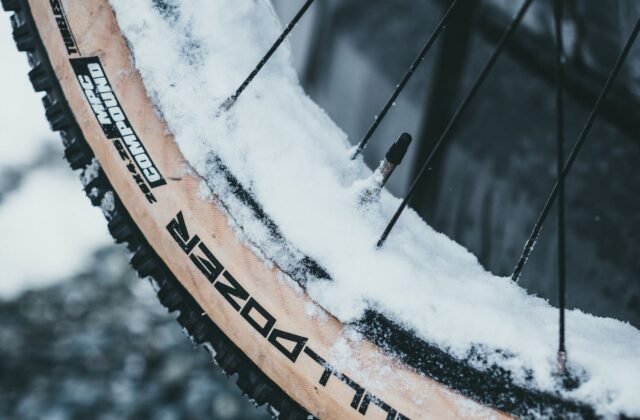
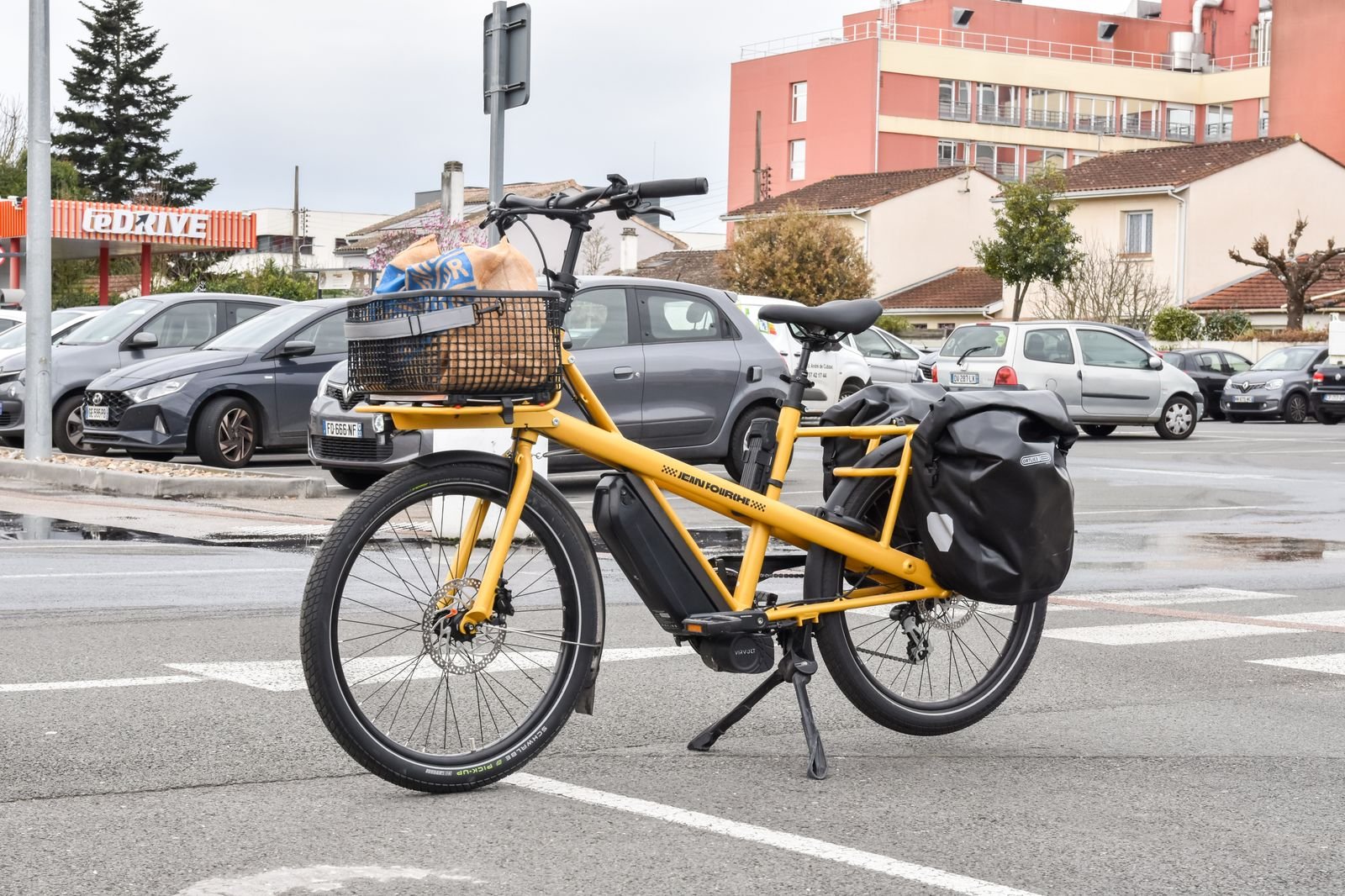
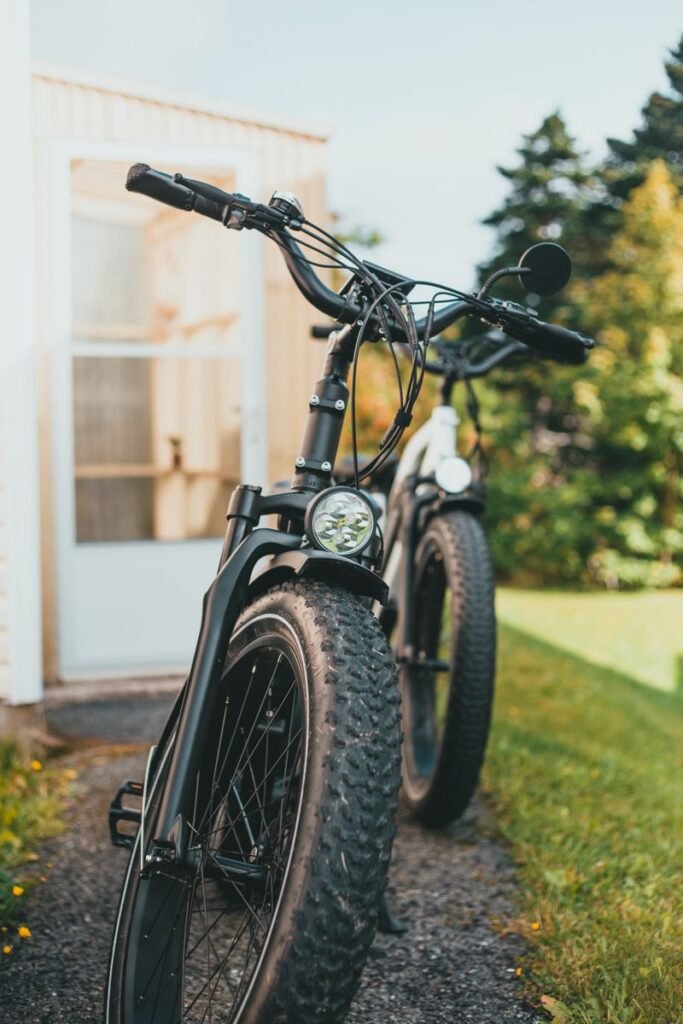
A cargo e-bike is built around carrying: a longer frame, a rear rack for crates, panniers or a child seat, and brakes sized for a loaded bike. A fat tyre e-bike is built around grip: tyres about 4 inches wide that float over sand, gravel and mud.
That difference decides the answer for most beginners. Paved streets and a daily load point to the cargo bike; loose tracks and a light load point to the fat tyre bike. The sections below compare the two, then give you a short test for your own route.
Introduction
Neither type is easy in every situation. A cargo bike is easy to ride loaded and hard to store. A fat tyre bike is easy on bad surfaces and hard to push uphill without the motor. Both need practice at low speed.
This article compares the two for a beginner’s first e-bike: carrying, grip, weight, storage and maintenance, plus a test you can run in one shop visit. Read the cargo e-bikes guide and the fat tyre e-bikes guide for more detail, and the E-Bikes Hub for the other beginner comparisons.
Cargo E-Bike vs Fat Tyre E-Bike: The Comparison
Start with the table. It lists what each type does better, and the last column tells you what to check before you buy.
| Attribute | Cargo E-Bike | Fat Tyre E-Bike | What to watch |
|---|---|---|---|
| Best use | Daily carrying on paved streets | Loose, sandy and rough tracks | Match the bike to your most-used surface |
| Load carrying | Children, shopping and crates on a long rack | Small rack or panniers; the load is limited | Check the rack weight limit before a child seat |
| Grip | Steady with a load; slips on loose ground | Wide 4-inch tyres grip sand, gravel and mud | Ride over loose ground, not just smooth tarmac |
| Size and storage | Long and heavy; needs a long space | Heavy, but normal length; wide tyres need a wide stand | Measure your doorway and storage space first |
When the Answer Changes
These flip the verdict.
- Your route is mostly gravel or sand. The fat tyre bike takes it; the cargo bike loses grip.
- You carry a child every day. The cargo bike takes it; the fat tyre bike has nowhere for a proper child seat.
- You live in a small flat with no ground-floor storage. The cargo bike is longer, so a shorter fat tyre bike fits better.
Test the Two Types Before You Buy
Run this test on both types.
- Put your usual shopping on the rack, then lift the bike off its stand. If you cannot lift it, you cannot load it alone.
- Ride a quiet street at walking speed and turn in a tight circle both ways. The bike should turn without wobbling or scraping your heel.
- Ride across gravel, sand or a muddy patch. The fat tyre bike should stay straight; the cargo bike may slip.
- Climb a short hill with the load on, on the lowest assist level that still moves you.
- Stop on a slope with the load on. The brakes should hold the bike still without the levers reaching the handlebar.
- Ride the same route on both types, back to back, then park each bike in your storage space. Buy the one you finish on feeling relaxed — and that fits through your door.
What a fail looks like
| Symptom | Cause | Fix |
|---|---|---|
| The front wheel slips on gravel | The tyres are too narrow for loose ground | Lower the pressure a little, or choose a fat tyre bike |
| The brakes feel weak with a load | A loaded bike needs fresh pads and a firm cable | Ask the shop for new brake pads and a brake check |
| You cannot get the bike through the door | The bike is too long or the tyres too wide for your space | Measure the doorway, and choose the shorter bike |
Myth: A fat tyre bike is the best beginner bike because wide tyres make it stable.
Fact: Wide tyres grip loose ground, but they do not make a heavy bike easy to lift, store or push uphill.
Myth: A cargo bike is too hard for a beginner to handle.
Fact: It is long and heavy, but steady at low speed with a load, and most beginners ride it safely after a few practice laps.
Before you test: Wear a helmet, gloves and closed shoes. Start on the lowest assist level on a quiet street, away from cars. Never carry a child on a test ride.

1400W peak and up to 80 miles, plus a child safety fence and rear rack for heavy loads.
The Beginner-Friendly Way to Choose
What you will need
- One cargo e-bike and one fat tyre bike to try — borrow, hire or test at a shop.
- Your usual load — a shopping bag or a child seat.
- A short, quiet route with your worst surface and steepest hill.
- A tape measure and your doorway and storage measurements.
The method
- Measure your home first: doorway, corridor and storage space.
- List your usual load and how heavy it is.
- Choose two test bikes in the same price group, with similar brakes.
- Ride the cargo bike on your route with your load. Note where it feels steady and where it feels long.
- Ride the fat tyre bike on the same route with the same load. Note where it grips and where it feels heavy.
- Compare the notes. The winner handles your worst surface and your usual load, and fits your home.
- Check the running costs — one tyre and one set of brake pads for each bike — then buy the winner and set it up before your first real ride.
Note: A short test ride in a shop car park does not tell you much. The bike that feels best on your own route, with your own load and storage, is the one to buy.
Warning: A loaded e-bike is heavier to stop than an empty one. Never ride with a child or a full load you have not balanced.

Peak 750W, 48V 13Ah, 7-speed, dual disc brakes and 20 x 4.0 fat tyres for loose and off-road riding.
When the Damage Is Already Done
If you bought the wrong type, do not sell it at once. These steps fix the most common problems.
- You bought a cargo bike and your route is rough. Fit the widest tyres the frame takes, lower the pressure a little on loose ground, and slow down on gravel.
- You bought a fat tyre bike and you now carry a child. Do not put a child seat on a bike that is not made for it. Use the fat tyre bike for solo rides and a proper cargo bike for the child.
- Your brakes feel weak with a load. Fit new brake pads, check the cables, and ask the shop to set the brakes up for a loaded bike.
- Your bike does not fit your home. Measure the space again, try a wall hook if the frame allows it, or trade the bike in for a shorter type. The step-through e-bike vs cargo e-bike comparison covers a shorter alternative.

750W peak, up to 20 MPH, up to 40 miles, and a fat-tyre commuter for tarmac and light trails.
The Safe Alternative: Start with the Fat Tyre E-Bike
If the cargo bike is too long for your home, or your route is rough, the fat tyre bike is the safe alternative. It carries less, but it grips better and fits a normal bike space.
- Choose a fat tyre bike with a normal frame length, 4-inch tyres and a rack for panniers.
- Keep the load light — one bag of shopping, not a child — and keep the weight low and centred.
- Set the tyre pressure for the surface: lower on sand and gravel, higher on tarmac.
- Practise on a quiet street first: low speed, turns both ways, and stop with a load on.
- Charge the battery after every ride. If you start carrying a child, move to a proper cargo bike.
What to Do Next, in Order
- Measure your doorway and storage space.
- Write down your usual load and your worst surface.
- Test a cargo bike and a fat tyre bike on the same route, with the same load.
- Compare your notes, then check the tyre and brake-pad costs for both.
- Buy the bike that fits your home, your load and your route — then fit the rack, lights and lock.
Never Do These Things
- Never carry a child on a bike that has no child seat and rails fitted. A child needs a proper seat, a harness and foot guards.
- Never ride a loaded e-bike with loose brakes. Check both brakes before every loaded ride.
- Never run fat tyres at the wrong pressure. Too soft wears them out on tarmac, and too hard slips on sand.
- Never buy by motor power alone. A big motor does not fix a bike that is too long for your home.
- Never skip a test ride on your own route. A shop car park hides the hill and the loose surface you ride every day.
In short
For most beginners, the cargo e-bike is better when the load is heavy and the road is paved, and the fat tyre e-bike is better when the ground is loose and the load is light. Measure your home, test both on your route, and buy the one that fits through your door.
The essentials
- Cargo bikes carry children and shopping on a long rear rack; fat tyre bikes grip loose ground with tyres about 4 inches wide.
- Cargo bikes are long and hard to store; fat tyre bikes are normal length but heavy and hard on tarmac.
- Test both bikes on your own route, with your own load, before you buy.
More Questions, Answered
Is a cargo e-bike good for a beginner?
Yes, if you carry a load every day and ride paved streets. It is long and heavy, but steady at low speed with a load, so most beginners ride it safely after a few practice laps.
Is a fat tyre e-bike hard to ride for a beginner?
No. It grips well on loose ground, but it is heavy to lift and slow to pedal without the motor, so practise on a quiet street first.
Can a fat tyre e-bike carry children?
Not like a cargo bike can. A fat tyre bike has no long rack for a proper child seat, so do not carry a child on one unless the maker says it is safe.
What should I test before I buy?
Test both types on your own route with your usual load. Check the brakes on a slope, turn in a tight circle, and park each bike in your storage space.
Additional Details
Name: Cargo E-Bike vs Fat Tyre E-Bike: Which Is Better for Beginners?
Description: Cargo e-bike vs fat tyre e-bike: which is better for beginners? Compare carrying, grip, weight, storage and cost, then test both on your route before you buy.
Published: November 9, 2026