Straight answer: For long distance rides, a pedal assist e-bike is the better choice for most riders: it is lighter and more efficient, so the same battery takes you further, and it is easier to ride for hours. A cargo e-bike only wins when the load is part of the ride — children, a weekly shop or heavy gear that a normal e-bike cannot carry.
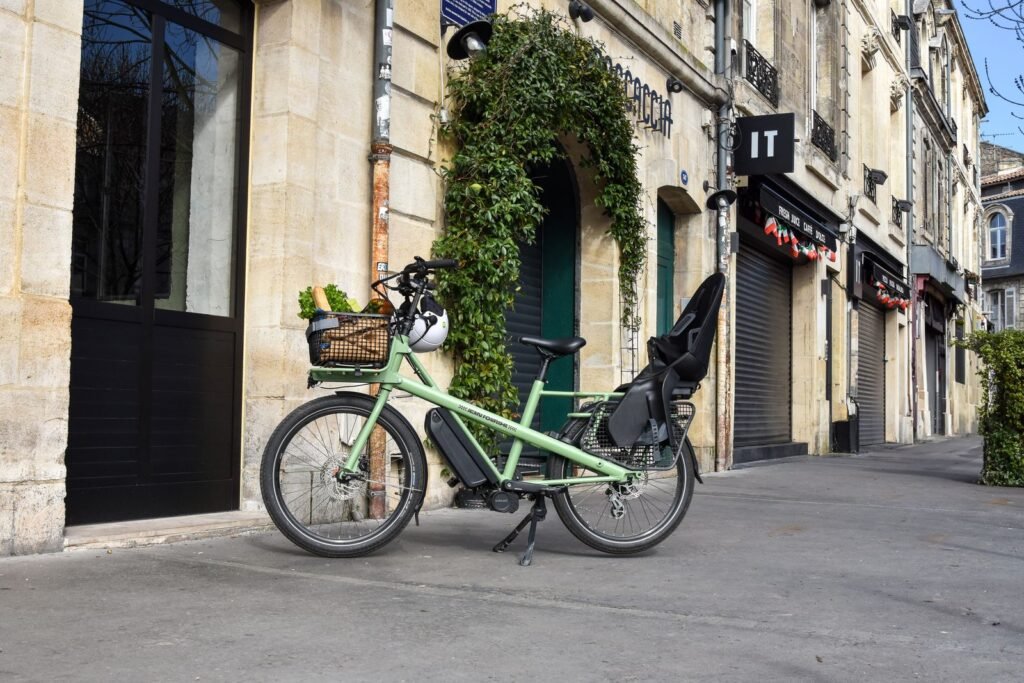
The two names describe different things. “Pedal assist” describes the motor: it adds power as you pedal. “Cargo” describes the frame: a long frame or a front box built to carry a load. Most cargo e-bikes are pedal assist e-bikes too, so the real choice is between a standard pedal assist frame and a cargo frame.
A cargo e-bike is built around the load: a longer, stronger frame, a big rack or a front box. A pedal assist e-bike is built around the rider: its full-size frame and lighter build suit distance. Over 10 miles, either bike will do. Over 30, 40 or 50 miles, the weight you carry matters more than the motor: a loaded cargo bike uses its battery faster.
This guide compares the two side by side, gives you a 30-minute test, and shows what to do if you already own the wrong one. Related guides in the E-Bikes hub cover each side in more depth.
Cargo E-Bike vs Pedal Assist E-Bike: The Core Differences
The two bikes differ where it matters on a long ride: load, range, comfort, weight and storage.
| Attribute | Cargo E-Bike | Pedal Assist E-Bike | What to Watch |
| Load and carrying | Built for heavy loads: children, shopping and gear | Built for the rider, plus a light bag or panniers | Only the cargo bike carries children |
| Range per charge | Shorter when loaded; a bigger battery helps | Usually further per charge, because the bike is lighter | Range figures assume a light rider |
| Comfort over hours | Upright and steady, but heavy and slow to turn | Lighter and easier to ride for hours | A bad fit causes numb hands or an aching back |
| Weight and handling | Heavy and long, and hard to lift or carry upstairs | Heavier than a normal bike, but easier to lift | Check the real weight, rack included, before you buy |
| Riding position and fit | One load-focused shape, with fewer sizes | More frame sizes for tall and short riders | Check you can reach the bars and stand over it |
| Parking and storage | Needs a large space: a garage, shed or wide hallway | Needs a rack, garage or hallway | If it will not fit at home, it will not get ridden |

When the Answer Changes
Five things can flip that verdict.
- Children or a heavy load ride with you. If the trip is a school run, a weekly shop or a delivery, the load is the point of the ride, and only a cargo e-bike carries it safely. See our Cargo E-Bike vs Mid-Drive E-Bike guide for hills.
- Your rides are short. Under about 10 miles on flat ground, the cargo bike’s range and weight cost is small, and its load wins easily.
- Your route is hilly. A loaded cargo bike drains its battery faster on climbs, so a hilly long ride favours the lighter pedal assist bike.
- You have nowhere to keep a long bike. A cargo e-bike needs a large space, and a bike that cannot be stored will not be ridden. For storage and mixed trips, see our Folding E-Bike vs Pedal Assist E-Bike guide.
- You must lift the bike often. Stairs, a car boot or a train platform make a heavy cargo bike hard work; a lighter pedal assist bike is easier to carry.
The 30-Minute Test That Settles It
Do not buy on paper. Ride both types for half an hour on the roads you plan to ride, with the load you plan to carry.
- Load the cargo e-bike as you would for a real trip, and ride at least 5 miles on mixed roads, with one hill and one rough stretch.
- Note your hands and knees at 15 and 30 minutes. Tingling or numbness is a warning, not something to push through.
- Ride the pedal assist bike over the same route, at the same assist level, with the same load if it can carry it, and compare how you feel.
- Try the highest and lowest assist levels. A good long-distance bike is comfortable in low assist, so the battery lasts longer.
- Lift each bike, and push it up a kerb or steps. If you cannot lift the cargo bike, it will not work for a trip with steps.
- Check the battery after each ride. If one bike used much more charge, it will run out sooner on your longest ride.
What a Fail Looks Like
- Battery drops fast on hills → heavy load, small battery → use lower assist, carry less, or choose a bigger battery.
- Hands go numb in under 20 minutes → fit or bars are wrong → ask the shop to adjust them.
- Bike feels heavy and slow to turn → long frame and load weight → a full-size pedal assist frame feels lighter.
- Load shifts or the rack rattles → the load is not fixed properly → strap it down low and check the rack bolts.
Myth: A cargo e-bike cannot do long rides.
Fact: It can — but the same rider will usually finish fresher on a lighter pedal assist bike. A cargo bike earns its place when the load, not the miles, is the point.
Before you test, wear a helmet, check both brakes and charge both batteries fully. Test on quiet roads in daylight.
How to Set Up a Long-Distance Ride on a Pedal Assist E-Bike
If you choose the pedal assist side, set the ride up before you leave.
What You Will Need
- Charged battery and a charger for the way
- Helmet and gloves, plus a repair kit and pump
- Water, a snack and a light rain layer
- Lights and a lock, even for a daytime ride
- A rack, panniers or a frame bag
The Method
- Set the saddle so your leg is almost straight at the bottom of the pedal stroke.
- Fit the rack or panniers, and load them low and evenly, with the heaviest items near the centre.
- Choose the lowest assist level you can ride comfortably, and save higher levels for hills.
- Ride the first 5 miles gently; warm legs use less battery.
- Stop once an hour to stretch, drink and check the battery.
- If the battery falls below a quarter with a long way to go, drop to the lowest assist level.
Do not start a long ride with a load you have never tested. A loose pannier or a shifting load can throw the bike off balance, so ride the loaded bike around the block first and check every strap.
When the Damage Is Already Done
Bought the wrong side? Small changes can close most of the gap.
- Battery runs out early: ride in the lowest assist level that keeps you moving, keep tyres at full pressure, and plan a charging stop.
- Too heavy to lift or push: remove the load before stairs, and keep the bike where you can roll it out. If stairs are daily, a lighter bike is the only full fix.
- Too big to store: use a wall hook or a vertical stand; if not, swap it for a standard pedal assist model — or see our best foldable electric bike guide.
- Uncomfortable on long rides: fit a wider saddle and raise the bars. A shop fit costs little and fixes most aches.

The Safe Alternative: Choose the Cargo E-Bike When the Load Matters
If you are still unsure, choose the side that fits your load. When children, shopping or heavy gear ride with you, the cargo e-bike is the safer pick: it carries the load better.
- Pick a cargo frame with a long wheelbase and a strong rack or front box, sized for your load.
- Choose the largest battery you can afford; a load uses charge faster.
- Ask the shop for a fit check, and ride the loaded bike for 30 minutes before you pay.
- Practise loading the load low and in the centre, and test the brakes with the full load before a long ride.

What to Do Next, in Order
- Measure your longest planned ride — and add 20% for detours and headwinds.
- Write down what you must carry, and weigh it honestly.
- Test-ride both types for 30 minutes on your own roads, with the real load.
- Check where you will store the bike: a lift, a hallway or a car.
- Choose the bike for your longest ride and heaviest load, not your shortest trip.
Never Do This on a Long Ride
- Never start a long ride with a half-charged battery. Guessing the range is how riders end up pushing a heavy bike home.
- Never carry a load you have not strapped down. A shifting load can pull the bike sideways, especially on a turn.
- Never skip the helmet. Long rides mean more traffic and higher speeds.
- Never ride a new bike flat out on day one. Learn the brakes, gears and assist levels first.
- Never ignore a loose rack bolt. Extra weight makes small problems worse, so check the rack before every loaded ride.
In Short
For long distance rides, a pedal assist e-bike is the better buy for most riders: lighter, more efficient and more comfortable for hours. A cargo e-bike is right when the load is the point of the trip — children, a weekly shop or heavy gear — so test both with the real load first.
The Essentials
- Pedal assist beats cargo for distance: less weight matters after the first 10 miles.
- Cargo wins on load: children, shopping and heavy gear.
- Test both bikes for 30 minutes on your own roads, with the real load.
- Use the lowest assist level you can; save high assist for hills and wind.
- See more e-bike comparisons in the E-Bikes hub.
More Questions, Answered
Can a cargo e-bike do a 50-mile ride?
It can, but it will take longer and tire you more with a load. For 50-mile rides, choose a full-size pedal assist bike and a large battery — or plan a charging stop.
Is pedal assist better for hills on a long ride?
Yes, when the bike is unloaded. Pedal assist lets you keep pedalling steadily, and the lighter frame climbs more easily. Use a low gear and keep the load light.
Which one is better for a ride with children?
The cargo e-bike. It is built to carry children safely, with a frame, rack or box made for the load.
Do cargo e-bikes cost more than pedal assist e-bikes?
Not always. Prices overlap, and the cargo frame, rack and stronger brakes add cost.
Can I make a cargo e-bike go further on a charge?
Yes, up to a point. Ride in the lowest assist level that keeps you moving, keep tyres at full pressure, and plan a charging stop on long routes.
Additional Details
- Name: Cargo E-Bike vs Pedal Assist E-Bike: Which Is Better for Long distance rides?
- Description: Cargo e-bike vs pedal assist e-bike: which is better for long distance rides? Compare load, range, comfort, weight and storage, then buy the right one.
- Published: November 10, 2026