Short answer: This is a companion to the daily charging guide, not a repeat of it. It covers what that guide leaves out: choosing and checking a replacement charger, transporting a battery safely, choosing a secure storage place, and a winter routine. For daily charging basics, read How to Make Your E-Bike Battery Last Longer first.
Introduction
A battery can be well charged day to day and still be damaged by a wrong charger, a rough journey, a damp garage, or a cold winter. Those are the risks this companion guide tackles.
Use it alongside the main guide: that post covers daily charging, and this one covers the journeys, storage places, and seasons in between.
Companion topics compared
| Topic | In the main guide | In this companion |
|---|---|---|
| Daily charging | Full detail | Linked only |
| Replacement charger | Warning only | Full check list |
| Transport | Not covered | Full steps |
| Storage place and security | Brief | Full steps |
| Winter care | Brief cold note | Full routine |
What you will need
- Your e-bike and battery manual, or the battery label.
- The original charger, or its exact voltage, connector, and approval details.
- A dry cloth, a padded bag or box for transport, and a lock for storage.
- A monthly reminder, on paper or on your phone, for storage checks.
- A pump for tyre checks, since soft tyres waste battery energy.
Step 1: Check a replacement charger before you buy or use it
A charger that fits is not proof that it matches. Voltage, connector shape, and battery type all matter, and a wrong charger can damage the battery or create a fire risk.
- Read the battery label and manual for voltage, connector, and charger approval.
- Compare every detail with the replacement, not just the plug shape.
- Buy only a maker charger or an exact maker-approved replacement.
- Inspect the cable, plug, and charge port before first use.
- If any detail is unclear, do not use the charger; ask the maker or a qualified shop.
Keep the original charger details with the battery, so a future buyer or helper does not guess.
Step 2: Transport a battery without damage
Remove the battery only if your manual allows it, and carry it like the expensive, fragile part it is. Never leave it loose in a boot, where it can slide, roll, or be crushed by luggage.
- Switch the bike off and lock or remove the battery as the manual directs.
- Place it in a padded bag or box, with the contacts protected.
- Keep it dry, upright where possible, and away from sharp tools.
- Do not stack heavy items on top of it.
- On a hot day, do not leave it in a closed car for a long time.
- After transport, check the case, mounts, and contacts before charging or riding.
If the battery was dropped, hit, or soaked, do not charge it. Inspect it carefully, and get qualified help if you see swelling, cracks, leaks, or a strange smell.
 >
UL Certified 54.6V 2A Fast Electric Bike Charger for 48V Ebike Battery
A 48V e-bike charger shown in an earlier guide. Only use it if it exactly matches your battery.
Step 3: Choose a safe storage place
The best storage place is dry, cool, indoor, and away from exits, bedrooms, and flammable materials. A damp shed, a hot loft, or a hallway escape route is not a good choice.
- Store the battery upright, dry, and where it cannot fall.
- Keep it out of reach of children and away from metal tools that could short the contacts.
- Do not store a damaged battery with other batteries or near fuel, solvents, or paper.
- Lock the bike or battery if other people can reach the space.
- Label the storage spot with the charger details, so the wrong charger is not used later.
For a second battery, store it the same way, and rotate use only as your manual allows. Do not mix chargers between batteries unless the maker says they match.
Step 4: Set a monthly storage check
A battery left alone for months can lose charge and condition. A short monthly routine prevents a surprise flat battery in spring.
| Monthly check | Action |
|---|---|
| Case and contacts | Look for swelling, cracks, leaks, or corrosion |
| Charge level | Check as the manual directs; top to a partial level if needed |
| Mounts and lock | Check the battery sits firmly and locks |
| Charger and cable | Check for cracks, fraying, or heat marks |
| Storage place | Check it is still dry, cool, and secure |
Write the date of each check on a card with the battery. If a check fails, stop using the battery until you have qualified advice.
Step 5: Winter care routine
Winter is not a reason to abandon a battery, but it is a reason to change the routine. Cold reduces usable range, and charging a very cold or frozen battery can damage it.
- Bring the battery indoors to warm to room temperature before charging.
- Charge indoors, in a dry place, away from flammable materials.
- Expect less range on very cold rides, and plan shorter trips or lower assist.
- After a cold ride, let the battery warm before charging again.
- Clean road salt and water off the case and contacts, then dry them fully.
- If you will not ride for weeks, follow the monthly storage check in Step 4.
Do not store the battery in an unheated shed all winter if you can bring it indoors. A stable indoor temperature is kinder than repeated freezing and thawing.
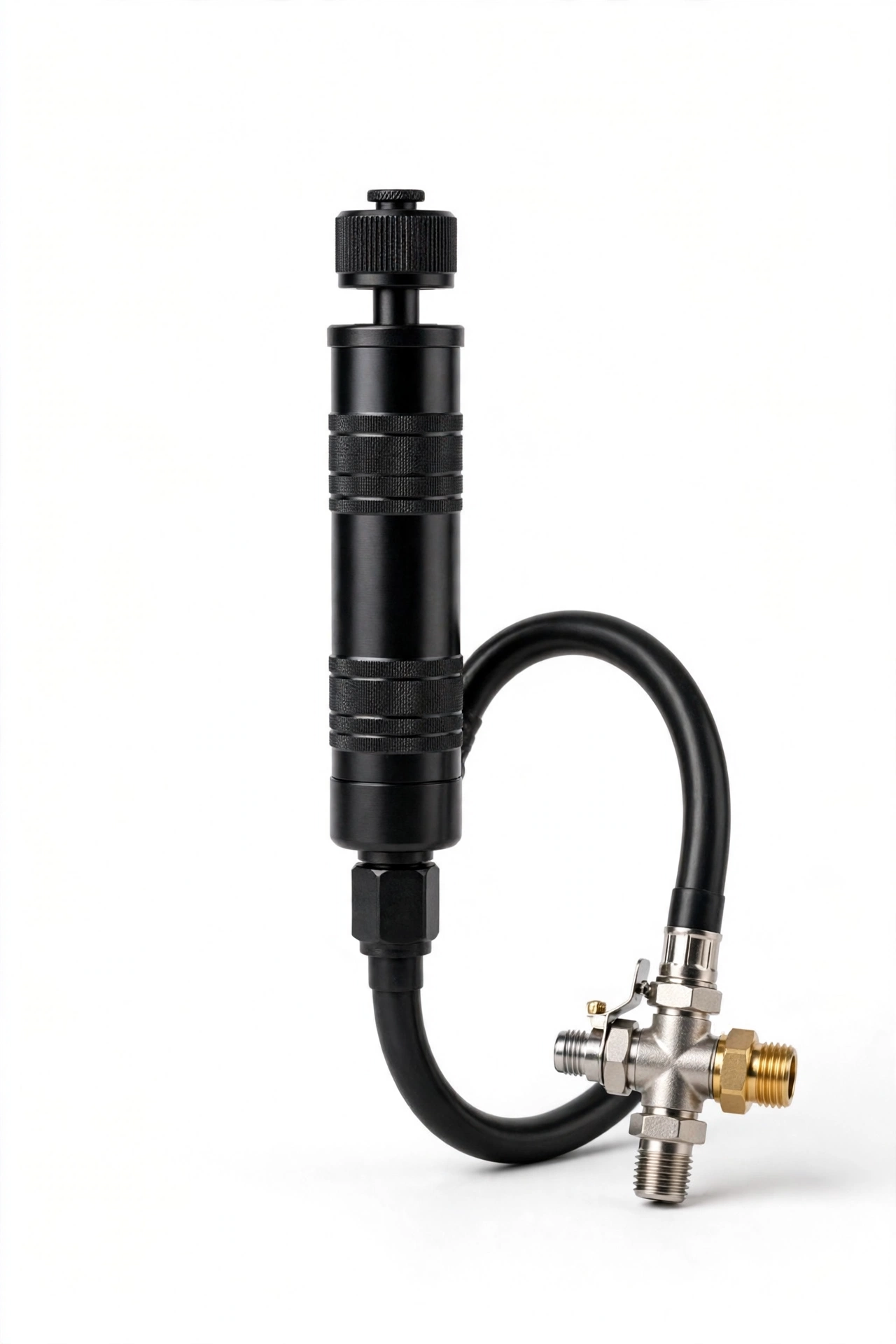 >
Mini Bike Pump – Portable Aluminum Alloy
A portable pump for keeping tyres at the right pressure, which helps battery range.
Step 6: Return to riding after storage
Before the first ride after a long break, run this return checklist:
- Inspect the case, contacts, mounts, and lock.
- Charge as the main guide directs, indoors and with the correct charger.
- Check tyre pressure, brakes, and chain before riding.
- Start with a short, low-assist ride, and check that power feels normal.
- If range is far below normal, or the battery behaves strangely, stop and get qualified help.
For more e-bike help, browse the E Bike category, visit the E-Bikes Hub, and read How to Make Your E-Bike Battery Last Longer for daily charging detail.

Tragoods Premium Bicycle Tire Levers Set
Tyre levers for tyre work during a return-to-riding check.
Frequently asked questions
Is this guide the same as the main battery guide?
No. The main guide covers daily charging in detail. This companion covers replacement chargers, transport, storage places, and winter care.
Can I use any charger that fits?
No. Use only the maker charger or an exact maker-approved replacement, with matching voltage, connector, and battery type.
How should I carry a spare battery?
In a padded bag or box, dry and upright where possible, with contacts protected and no heavy items on top.
Where is the safest place to store a battery?
Indoors, dry, cool, and secure, away from exits, bedrooms, children, and flammable materials.
Can I charge a frozen battery?
No. Bring it to room temperature first, and follow your manual. If it was frozen, damaged, or soaked, get qualified advice before charging.
What should I do if my battery is swollen or smells strange?
Stop charging and using it at once. Do not open or puncture it. Move it away from flammable materials only if safe, and get qualified help.
Affiliate Disclosure: We may earn a commission when you buy through links on this site, at no extra cost to you.
Step 7: Know what to do when something looks wrong
Most battery problems give a warning first: swelling, heat, a strange smell, a cracked case, or a charger that stays hot. Treat any of these as a stop signal, not a problem to work around.
- Stop charging and stop riding at once if you see swelling, leaking, cracking, or smoke.
- Do not open, puncture, bend, or try to repair a damaged battery.
- Move people away, and move the battery away from flammable materials only if it is safe to do so.
- Keep the battery outside, on a non-flammable surface, until you have qualified advice.
- Do not charge it again to see if it recovers.
- Note what happened: the charger used, the temperature, any drop or water exposure, and when the problem started.
That note helps a shop or maker give useful advice, and it helps you avoid repeating the same mistake with a replacement. If you are unsure whether a battery is safe, treat it as unsafe until a qualified person says otherwise.
Step 8: Build a simple battery routine for the whole year
A long-life battery is less about one perfect charge and more about a small routine you can repeat. Put these items on one card, and keep it with the charger:
| When | Routine |
|---|---|
| Every ride | Check the battery lock, case, and charge before setting off |
| Every charge | Use the correct charger, indoors, dry, and away from flammable items |
| Every trip | Transport padded, dry, and secured, with contacts protected |
| Every month | Run the storage check in Step 4, even if you are riding regularly |
| Every winter | Follow the winter routine in Step 5, and bring the battery indoors |
| After any problem | Follow Step 7, and do not charge a damaged battery |
When daily charging detail is needed, return to How to Make Your E-Bike Battery Last Longer. This companion is for the rest of the year: the charger you choose, the journeys you make, the place you store it, and the winter you ride through.
Frequently asked questions: quick recap
What is the one charger rule to remember?
Use only the maker charger or an exact maker-approved replacement, and check voltage and connector before use.
What is the one winter rule to remember?
Bring the battery indoors, let it reach room temperature, and only then charge it.