Part of our guide on Mopeds and Trikes.
A moped looks like the simplest way onto two wheels: a small engine, twist-and-go controls and cheap running costs. The question that stops most buyers is the licence — and the answer is not the same everywhere, because a moped sits between a bicycle and a motorcycle in the law.
This guide explains how the rules usually work, what decides which licence you need, and how to check your own position before you buy or ride, in the United States, the United Kingdom and the European Union. Rules change, so treat this as the map, not the law — the last step is always your local authority.
Quick facts
| Fact | What it means for your ride |
|---|---|
| Question | Whether you need a licence to ride a moped, and which one |
| Check first | Engine size, top speed, and your age |
| The short version | In most places, yes — at least a basic licence, permit or training certificate |
| The big variable | Where you live: the same 50cc moped can need a permit in one place and an endorsement in another |
| What you need | Licence or permit, registration, insurance, helmet |
| If you are unsure | Do not ride until your local licensing authority confirms what you need |
| Related guides | Five Three Wheel Mopeds for Adults, Mopeds and Trikes |
Quick recap
- A moped is usually a small two-wheeler up to 50cc, near 28–30 mph top speed. Anything bigger or faster is usually a motorcycle.
- In most of the United States, the United Kingdom and the European Union, you need a licence, permit or training certificate to ride a moped on public roads.
- The exact requirement depends on your country or state, your age, and the engine size and top speed.
- A 50cc moped is the easiest case. A 125cc or faster machine usually needs a motorcycle licence.
- Registration, insurance and a helmet are separate from the licence — you can need all of them at once.
The short answer: yes, in most places — but a moped is not a motorcycle
In most of the United States, the United Kingdom and the European Union, you need a licence, a permit or a training certificate to ride a moped on a public road. What you do not need, in most places, is a full motorcycle licence: a 50cc moped sits in its own lighter class. The catch is that the class, the age limit and the test all change by place — the same moped can need a permit in one American state and an endorsement in another, while a British rider needs an AM licence or CBT.
So expect to need something, and check what your own authority asks for before you ride. Adverts that say “no licence needed” are misleading: the seller does not set the law where you ride. A few places allow a 50cc moped with no licence, but they still ask for registration — the exception, not the rule.
Rule of thumb: If a moped has an engine and you ride it on a public road, assume you need a licence, a permit or training — and check the exact one with your local authority before you buy.
How to work out what your moped needs, step by step
Work through these steps in order before you buy or ride.
Check this first: find the engine size in cc and the top speed, on the maker’s plate or in the listing. A 50cc machine near 28–30 mph is the usual moped; a bigger engine or a higher top speed usually moves it into the motorcycle class.
- Read the maker’s plate: engine size and top speed decide the class. No plate? Ask the seller first.
- Match the class to your place.
- Check the minimum age: usually 16, higher for bigger machines.
- Check what your licence already covers: a car licence works in some places, not others.
- Check registration and insurance: most places ask for both.
- Ask the local authority: a short DMV or DVLA check settles it.
If any step is unclear, do not ride until it is answered: no licence can mean a fine, points, and no insurance cover.
What you’ll need
- Engine size and top speed, from the maker’s plate or the listing
- Your current licence, so you can check what it already covers
- Your local licensing authority’s moped page or phone number
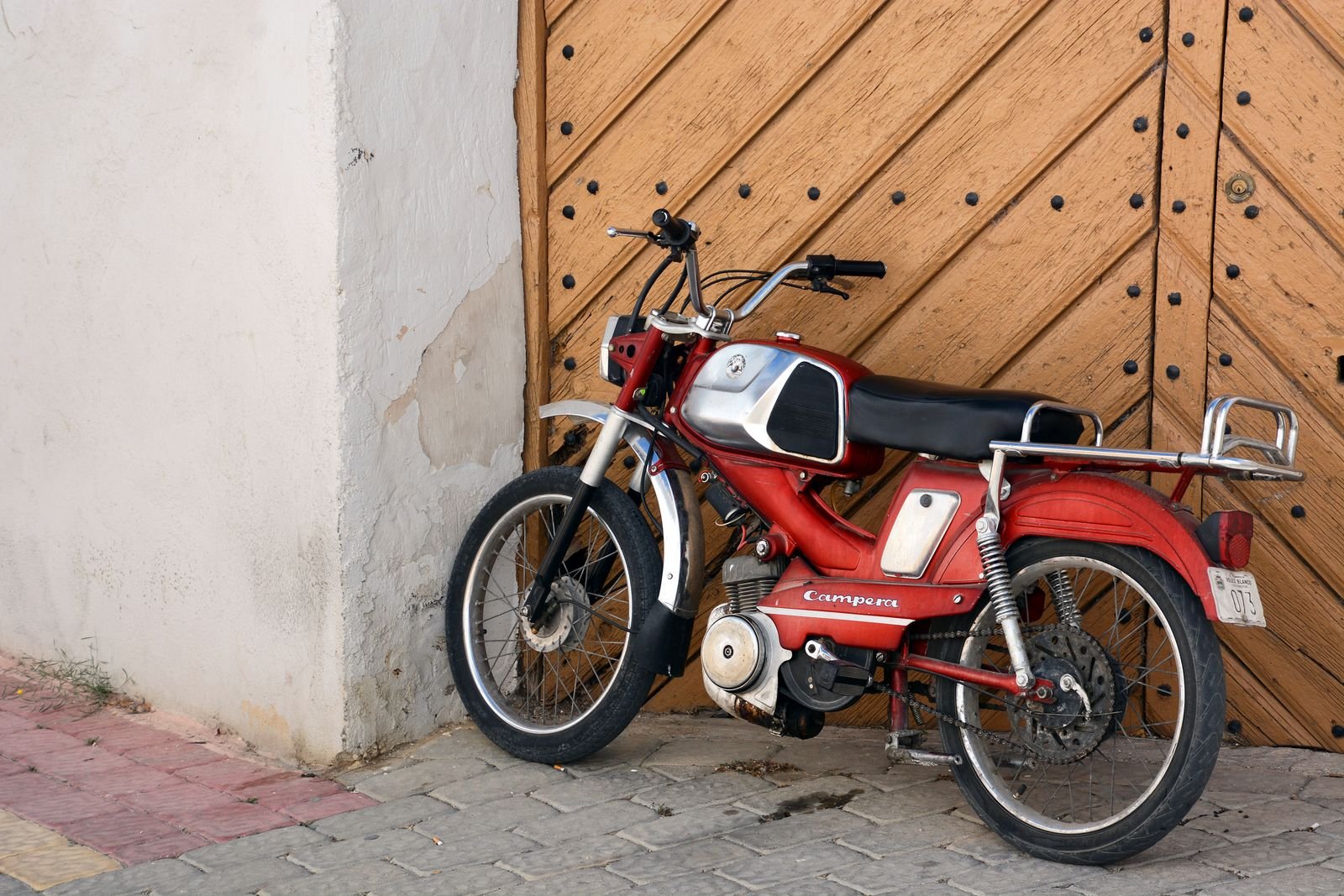
One Amazon product in this section only: the 50cc moped below is the small class this guide is about. Only consider it if your local rules allow it.

What the rule usually means
Match your situation with what to expect. A starting point, not a legal answer.
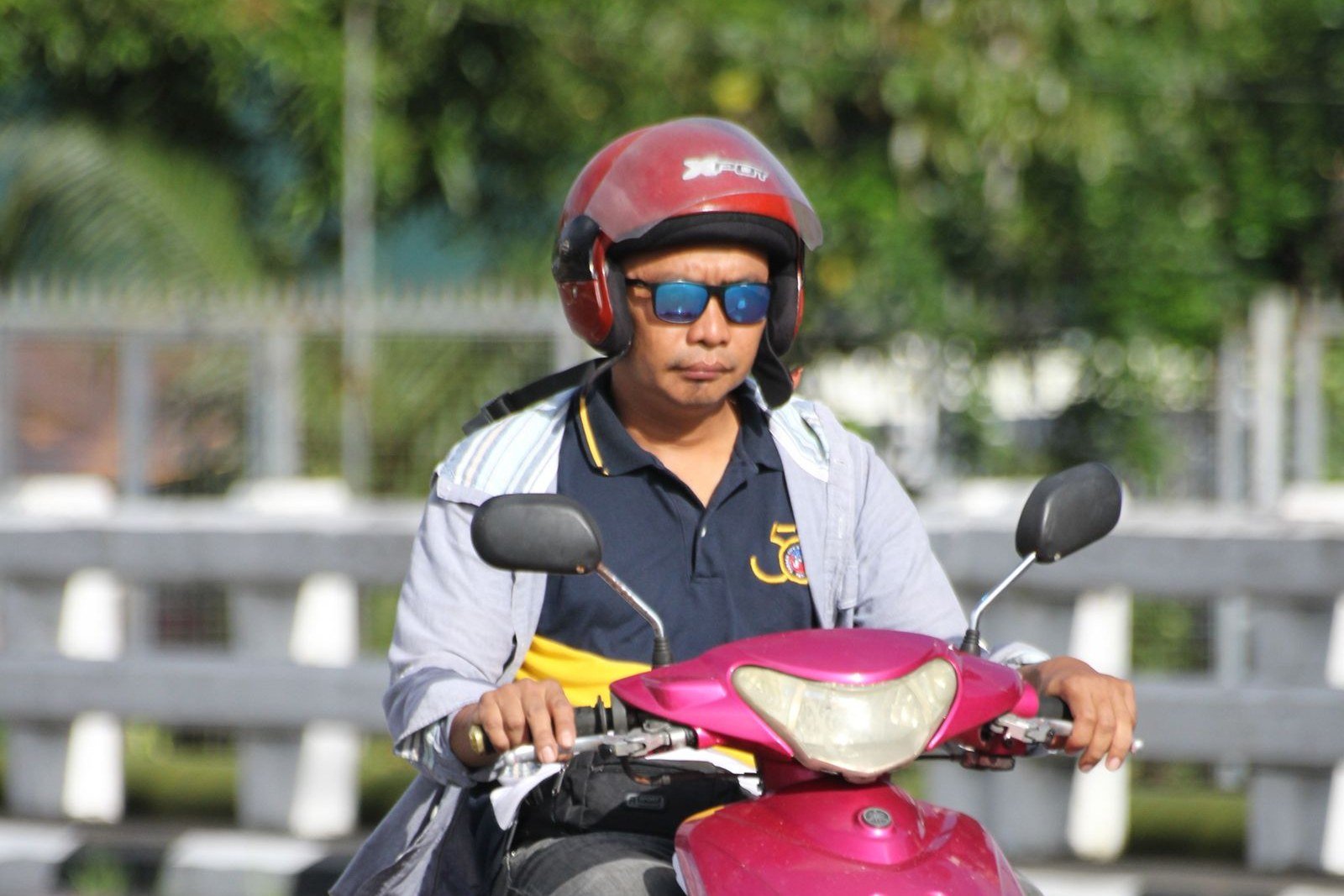
| Situation | What you’ll notice | What to try |
|---|---|---|
| 50cc moped, United States | Rules change by state: a licence, a permit, or an endorsement | Check your state’s DMV moped page |
| 50cc moped, United Kingdom | AM licence, or provisional with CBT; pre-2013 car licences also cover mopeds | Book CBT, or check your licence categories |
| 50cc moped, European Union | AM covers up to 50cc and 45 km/h, usually from 16 | Check your country’s AM rules and age |
| 125cc or faster machine | Most places treat it as a motorcycle, not a moped | Get a motorcycle licence first |
| Electric moped | Rule follows power and speed, not fuel | Check the power and speed limits |
How engine size, speed and age change the answer
Engine size is the main switch: a 50cc machine is a moped almost everywhere, and the same frame with a 125cc engine is a motorcycle almost everywhere. Speed is the second switch — 28 mph in the United States and the United Kingdom, 45 km/h in the European Union. Age is the third: 16 is the usual starting age for a 50cc moped.
Two mopeds that look the same can sit in different classes, and a three-wheel moped follows the same rules as a two-wheel one of the same size. Read the plate, not the shape.
What works
- Choose a 50cc moped if you want the lightest licence requirement
- Check the top speed on the maker’s plate, not the advert
- Treat 45 km/h and 28 mph as the same line
What to watch
- A moped tuned to go faster can move into the motorcycle class
- An advert that says “no licence needed” is not a legal answer
- A car licence does not cover mopeds everywhere, and the pass date can matter
Worth knowing: Two mopeds that look the same can sit in different classes — read the plate, not the shape.
Paperwork and kit that decide whether you can ride
The licence is the headline, but three other things decide whether you can legally ride: registration, insurance and a helmet. Check all three before your first ride.
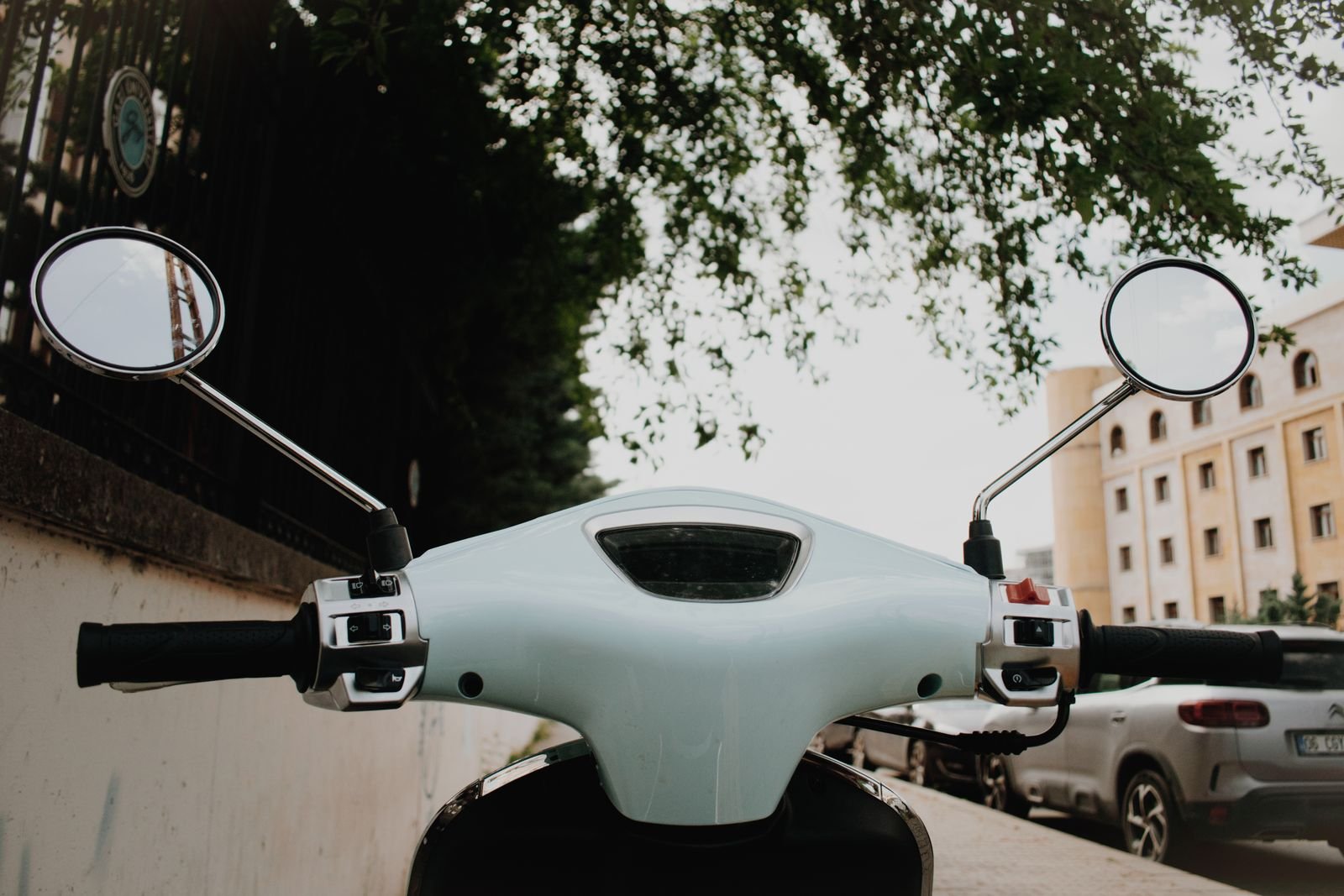
Registration puts the moped on the road legally and gives it a number plate. Insurance covers you if something goes wrong, and the policy must match the engine size. A helmet is compulsory in the United Kingdom and in most American states, and it must meet the local standard. Even where the law is silent, wear one.
What works
- Register the moped and fit the plate before your first ride
- Get insurance that covers a moped of your engine size, and carry the proof
- Wear a helmet that meets your local standard, even where the law is silent
What to watch
- A licence does not replace registration or insurance — you can need all three
- A moped bought without paperwork can be hard to register
- A policy for a 50cc moped may not cover a tuned or faster machine
A larger moped changes the licence you need. The 150cc machine below is the motorcycle-licence end of the range — check its class rules before you consider one.

When the answer is a licence, a test or a different moped
Some licence problems have a quick fix, and some need a different plan: a missing permit takes a day, while the wrong machine needs a different moped or a bigger licence.
| Fix | Best use | Limit |
|---|---|---|
| CBT or AM course | No licence yet, want a 50cc moped | Only up to 50cc |
| Moped permit | Your state offers one, you meet the age rule | Not a motorcycle licence |
| Register the moped | Unregistered, want it road-legal | Licence and insurance still needed |
| Moped insurance | Licence sorted, no cover yet | Policy must match the engine size |
| Slower 50cc moped | Want the lightest licence requirement | Still needs a permit or training |
| Motorcycle licence | Want a 125cc or faster machine | Needs training, a test and more time |
What works
- Start with the smallest licence that covers the moped you want
- Book the training course before you buy, so you know the wait
- Keep a copy of what the local authority told you, with the date
What to watch
- A training certificate can expire; check how long yours lasts
- A permit for one state or country may not count in another
- Do not ride while you wait for a licence or a test date
The common mistake: buying the moped first and asking about the licence afterwards. Check the licence, the age rule and the registration before you pay, every time.
If the moped you want is a 150cc machine, the licence question changes with it: that class usually needs a motorcycle licence, so confirm it before you buy.

The verdict
In most places you need a licence, a permit or training to ride a moped, and a 50cc machine is the lightest case. Check the engine size, your age and your local authority before you buy.
Readers also ask
Can I ride a 50cc moped without a licence?
In a few places, yes, but most ask for at least a permit or training, and you still need registration. Check your local authority.
Do I need a motorcycle licence for a moped?
Not usually for a 50cc moped, which has its own lighter class. You do need one for a 125cc or faster machine in most places.
Can I ride a moped with a car licence?
Sometimes. In the United Kingdom a car licence passed before 19 January 2013 covers mopeds; later ones do not. In the United States it depends on the state.
How old do you have to be to ride a moped?
Usually 16 for a 50cc moped, in the United Kingdom, most of the EU and many American states. Some places set it higher.
Do electric mopeds need a licence?
It depends on power and top speed, not fuel. A slow electric moped sits in the same light class as a 50cc petrol one; a fast one counts as a motorcycle.
Affiliate Disclosure: We may earn a commission when you buy through links on this site, at no extra cost to you.
Additional Details
Name: Do You Need a License for a Moped? The Rules Explained
Description: Do you need a license for a moped? Rules vary by country or state, engine size and age — this guide shows how to check exactly what you need before you ride.
Published: November 17, 2026